



Introduction
Thiamine Hydrochloride, commonly known as Vitamin B1 HCl, is the stable, water‑soluble hydrochloride salt of thiamine (vitamin B1). As the first water‑soluble vitamin to be purified and characterized, it plays an indispensable role in human and animal nutrition by serving as a critical cofactor in energy metabolism pathways.
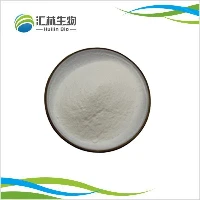
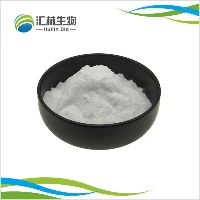
The product appears as a white to off‑white crystalline powder with a faint characteristic nut‑like odour. It is freely soluble in water, offering excellent bioavailability and formulation flexibility. Thiamine HCl is the preferred choice for dietary supplements, pharmaceutical preparations (injectable and oral), food fortification programs, and animal feed premixes. Deficiency of thiamine leads to serious conditions, including beriberi, Wernicke encephalopathy, and Wernicke–Korsakoff syndrome, underlining the importance of reliable supplementation[1].
Biochemical & Physical Parameters
| Parameter | Value |
|---|---|
| Appearance | White or almost white crystalline powder |
| Odour | Faint characteristic (nut‑like) |
| pH (5% solution) | 2.7 – 3.4 |
| Melting Point | 248–260°C (decomposes) |
| Density | ~1.37–1.40 g/cm³ |
| Loss on Drying | ≤1.0% – 5.0% (depending on grade) |
| Sulfated Ash | ≤0.1% |
| Heavy Metals | ≤10 ppm (Lead ≤2 ppm) |
| Residual Solvents | Meets ICH Q3C |
| Assay (HPLC) | 98.5% – 101.5% (on dried basis) |
| Stability | Stable but hygroscopic in the dry state; incompatible with strong oxidizing/reducing agents |
Mechanism of Action
Thiamine exerts its biological effects mainly through its active coenzyme form, thiamine diphosphate (ThDP, also called TPP). ThDP is an essential cofactor for several key enzymes involved in cellular energy production:
- Pyruvate dehydrogenase complex (PDHC): converts pyruvate to acetyl‑CoA, linking glycolysis to the TCA cycle.
- α‑Ketoglutarate dehydrogenase complex (OGDHC): a rate‑limiting enzyme of the TCA cycle.
- Transketolase: a key enzyme in the pentose phosphate pathway, crucial for nucleotide synthesis and redox balance.
Beyond these classic coenzyme functions, recent research has revealed non‑coenzyme actions of thiamine. For example, thiamine triphosphate (ThTP)‑dependent phosphorylation of the acetylcholine receptor‑associated protein rapsyn, as well as interaction with the TAS2R1 receptor, leads to activation of synaptic ion currents [2]. These non‑coenzyme mechanisms explain many neurotropic effects of thiamine that were previously not understood [2]. Furthermore, thiamine contributes to DNA integrity by reducing oxidative stress and supporting energy‑dependent repair processes [3].
Benefits of Vitamin B1 HCl
As a mandatory cofactor for PDHC and OGDHC, thiamine ensures efficient glucose oxidation and ATP production, reducing fatigue and supporting physical performance [1].
Thiamine is vital for neurotransmitter synthesis (acetylcholine, GABA), nerve impulse transmission, and myelin maintenance. A 2024 review highlights thiamine as an indispensable regulator of paediatric neuro‑cardiovascular health, influencing both central and peripheral nervous systems [4].
The heart relies on thiamine for myocardial energy production. A 2024 systematic review and meta‑analysis demonstrated that thiamine supplementation has a protective effect against blood creatinine increase in ICU patients (P = .03), suggesting improved renal‑cardiovascular outcomes [5].
A 2024 open‑label randomized controlled trial showed that vitamin B1 administration significantly shortened the duration of post‑acute COVID‑19 syndrome symptoms, including myalgia, anosmia, ageusia, fatigue, and sleep disturbances. Effects were observed within two weeks (P < 0.0001), and from the seventh week onwards, the recovery rate in the vitamin B1 group was twice that of the control group [6].
Thiamine effectively prevents and treats beriberi (dry/wet forms), Wernicke encephalopathy, and Wernicke–Korsakoff syndrome, which are common in chronic alcoholism, malnutrition, or malabsorption [1].
Applications
Used as an active pharmaceutical ingredient (API) in oral tablets, capsules, and injectable solutions for treating thiamine deficiency disorders. It is recognized by all major pharmacopeias (USP, BP, EP, ChP) [1][7].
A core component of multivitamins and B‑complex formulations (tablets, capsules, softgels, powders, liquids) to support energy metabolism, nerve function, and overall wellness. The growing demand for functional foods and dietary supplements drives their widespread use [7].
Approved as a food additive (FEMA 3322) for enriching flour, rice, cereals, baked goods, beverages, and infant formula. It also acts as a flavour enhancer (brothy/meaty notes). The FDA has affirmed thiamine hydrochloride as GRAS (21 CFR 184.1875) for direct human food use [8].
Incorporated into livestock, poultry, and aquaculture feed premixes to prevent deficiency, improve metabolic efficiency, and promote healthy growth. The expanding global feed industry significantly contributes to the thiamine market [7].
Serves as a reference standard in HPLC/fluorimetric methods for thiamine determination and as an intermediate for synthesizing thiamine derivatives [8].
Frequently Asked Questions (FAQ)
Q: What is the difference between Thiamine Hydrochloride and Thiamine Mononitrate?
A: Thiamine mononitrate is less hygroscopic and more stable in dry blends, while thiamine hydrochloride offers superior water solubility, making it ideal for liquid formulations, clear beverages, and injectables.
Q: What is your MOQ and lead time?
A: Sample MOQ: 1 kg. Commercial MOQ: 25 kg. Lead time: 5–15 days after order confirmation.
Q: What is the shelf life and storage condition?
A: 2 years in original tightly closed containers, stored in a cool, dry place, protected from light and moisture.
Q: Is Thiamine HCl suitable for clean‑label applications?
A: Yes, as a naturally occurring vitamin, it is well accepted in clean‑label formulations as a nutrient fortificant.
Why Choose Us?
Your Professional Manufacturing & Sourcing Partner
We are more than a supplier - we are a comprehensive supply chain partner dedicated to high-quality ingredients, custom formulations, and finished products across multiple industries.
Professional Expertise
With years of experience in plant extracts, food additives, cosmetic raw materials, and nutritional ingredients, our team brings deep technical knowledge and market insight to every partnership.
01
Diverse Product Range
We offer a broad range of products, including food additives, plant extracts, fruit & vegetable powders, cosmetic actives, and functional food ingredients.
02
One-Stop Shop
Raw Materials: High-purity ingredients for food, beverage, supplement, and cosmetic applications.
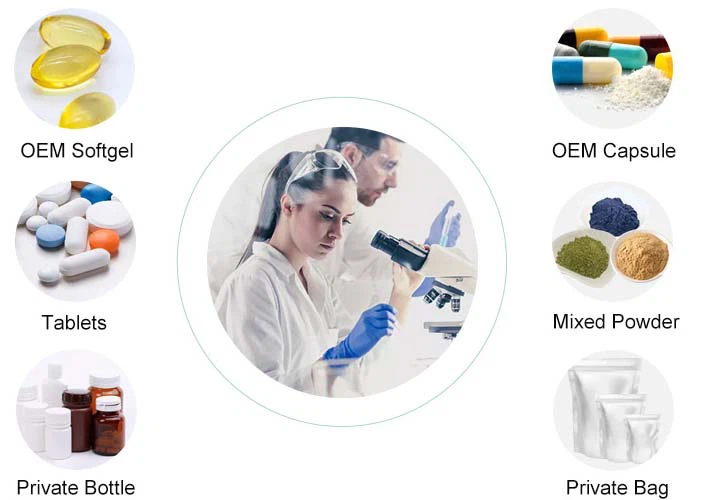
Finished Products: In-house manufacturing of capsules, soft gels, gummies, liquid drops, and blended powders.
03
OEM/ODM/OBM Services
Label Design & Packaging: Custom branding tailored to your target market.
Formulation & R&D: Expert support to develop custom blends, proprietary formulas, and innovative products.
Global Logistics: Reliable shipping, documentation, and customs clearance support.
04
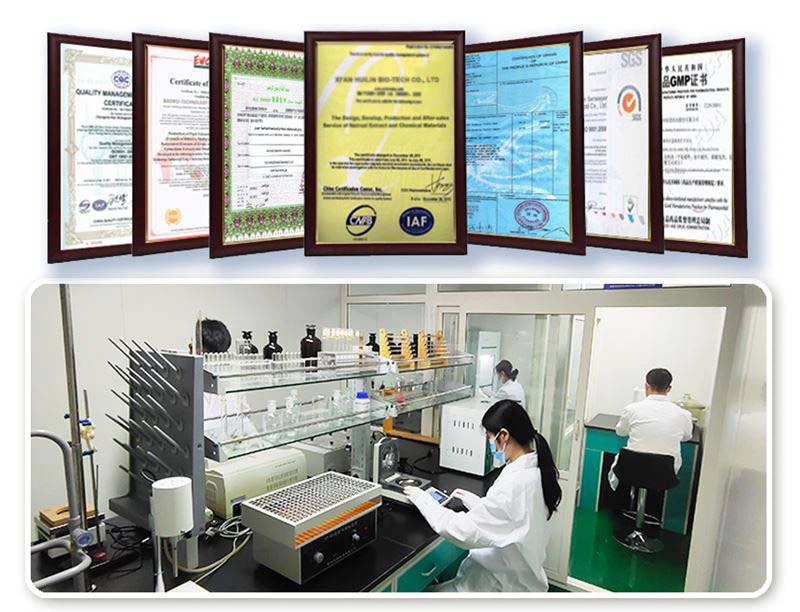
Quality Assurance
Strict adherence to GMP standards and full regulatory transparency. We stay current with global requirements, including FDA GRAS, EFSA, and other regional regulations, to ensure your products meet the highest safety and compliance standards.
05
Act Now
Ready to source premium Thiamine Hydrochloride (Vitamin B1) Powder?
Contact us today for:
- Free samples for quality validation
- Competitive quotations based on volume
- Technical datasheets and regulatory documents
Please contact us at ella.zhang@huilinbio-tech.com.



References
Hot Tags: thiamine hydrochloride powder (vitamin b1), China, suppliers, manufacturers, factory, wholesale, buy, price, bulk, pure, natural, high quality, in stock, for sale, Vitamin Series, Vitamin H Biotin Powder, L Ascorbic Acid Powder Vitamin C, Pigment Powder, Vitamin B3 Niacinamide Powder


