



What is Liposomal Vitamin C?
Liposomal Vitamin C is an advanced delivery system where L‑ascorbic acid (vitamin C) is encapsulated within phospholipid bilayers, forming nanoscale vesicles known as liposomes. These liposomes are typically made from phospholipids derived from non-GMO sunflower lecithin, which have a structure similar to human cell membranes, enabling efficient interaction with skin cells.
Vitamin C (L‑ascorbic acid) is a potent water-soluble antioxidant that plays a critical role in collagen synthesis, photoprotection, and skin brightening. L-ascorbic acid represents one of the most potent antioxidants, photoprotective, anti-aging, and anti-pigmentation cosmeceutical agents, with a good safety profile. However, free vitamin C is highly unstable-easily oxidized by light, oxygen, heat, and metal ions-which severely limits its efficacy in cosmetic formulations.
Liposomal encapsulation addresses these limitations by creating a protective microenvironment that shields vitamin C from environmental stressors. The liposomal bilayer protects the active ingredient from oxidation while enhancing its penetration into deeper layers of the skin through membrane fusion and endocytosis mechanisms. When applied topically, skin enzymes gradually break down the liposomes to release active ascorbic acid in a sustained manner, extending its efficacy duration.
Liposomal Vitamin C is highly valued in cosmetic applications for its significantly enhanced stability, superior skin permeability, and ability to effectively deliver vitamin C to target skin layers. It is widely used in anti-aging, brightening, and photoprotective skincare formulations.
Regulatory & Safety Overview
- FDA GRAS: L-Ascorbic acid is Generally Recognized as Safe (GRAS) by the U.S. FDA for use in food and cosmetic products.
- EU Cosmetics Regulation: Vitamin C is listed in the COSMILE Europe database and is compliant with Regulation (EC) No 1223/2009.
- CIR Safety Assessment: The Cosmetic Ingredient Review (CIR) Expert Panel has evaluated ascorbic acid and its derivatives and concluded they are safe for use in cosmetics at current use concentrations.
- Topical Safety: Liposomal formulations significantly reduce the irritation potential of vitamin C. Due to sustained release mechanisms and reduced acidity, liposomal vitamin C minimizes the risk of skin purging or irritation while still delivering brightening benefits.
Biochemical & Physical Parameters
| Parameter | Specification |
|---|---|
| INCI Name | ASCORBIC ACID (and) LECITHIN |
| CAS Number | 50-81-7 |
| EC Number | 200-066-2 |
| Molecular Formula | C₆H₈O₆ |
| Molecular Weight | 176.12 g/mol |
| Purity (Active Vitamin C Content) | ≥70% (typical); 50%–70% available |
| Encapsulation Efficiency | >80% (up to 90%) |
| Liposome Particle Size | <200 nm; typical range 81–170 nm |
| Polydispersity Index (PDI) | ≤0.30 (homogeneous dispersion) |
| Zeta Potential | ≤ –26 mV to –30 mV (colloidally stable) |
| Appearance | White to off-white fine powder |
| Solubility | Water-soluble; dispersible in water |
| pH (1% solution) | 3.5–5.5 |
| Loss on Drying | ≤5.0% |
| Heavy Metals | Lead (Pb) ≤3 ppm; Arsenic (As) ≤3 ppm; Cadmium (Cd) ≤1 ppm; Mercury (Hg) ≤0.1 ppm |
| Total Plate Count | ≤1000 CFU/g |
| Yeast & Mold | ≤100 CFU/g |
| Pathogens | E. coli, Salmonella, S. aureus negative |
| Residual Solvents | Ethanol ≤5000 ppm |
| Recommended Usage | 1%–5% in finished cosmetic formulations |
| Synergistic Ingredients | Vitamin E, Ferulic Acid (enhances stability and efficacy) |
| Storage Temperature | Below 25°C, protected from light |
| Shelf Life | 24 months (unopened, proper storage) |

Mechanism of Action
Liposomal Vitamin C exerts its skin benefits through multiple mechanisms centered on enhanced delivery, antioxidant protection, and cellular regeneration.
1. Enhanced Skin Permeation and Retention
Liposomal encapsulation fundamentally alters how vitamin C interacts with the skin barrier. A 2019 study in Scientific Reports demonstrated that associating ascorbic acid with negatively charged liposomes increased the effectiveness of type I collagen synthesis by fibroblasts and the regeneration of UVA-induced damage in keratinocytes [1]. The study showed that liposomal encapsulation increased ascorbic acid skin flux and accumulation, with 37 ± 12 μg/cm² in the epidermis and 74 ± 23 μg/cm² in the dermis, whereas free AA followed first-order kinetics (diminishing release), making liposomal formulations superior for topical applications [1].
A 2025 study in the Journal of Liposome Research further reported that liposomal formulation of a vitamin C derivative (3-O-ethyl-L-ascorbic acid) enhanced EAA retention in the skin compared to free EAA and displayed protective or stimulatory effects on cellular metabolism [2].
A 2024 systematic review on the current application of nanotechnology to enhance cutaneous permeation of vitamin C and derivatives concluded that the most described nanocarriers were nanoparticles and liposomes, and that even though it is not a newly discovered molecule, VitC continues to be studied in topical formulations, ensuring stability, permeation, and effectiveness [3].
2. Collagen Synthesis Enhancement
Vitamin C acts as an essential cofactor for prolyl and lysyl hydroxylases, enzymes critical for collagen biosynthesis, particularly types I and III, which are abundant in the dermal extracellular matrix.
The 2019 Scientific Reports study demonstrated that associating AA with negatively charged liposomes increased the effectiveness of type I collagen synthesis by fibroblasts and the regeneration of UVA-induced damage in keratinocytes [1]. This confirms that liposomal AA enhances collagen production beyond what free AA could achieve.
3. Antioxidant and Photoprotective Activity
Vitamin C is a potent reducing agent that neutralizes free radicals by donating electrons, preventing oxidative damage to lipid membranes, DNA, and proteins. Liposomal encapsulation enhances this activity by protecting vitamin C from premature degradation and delivering it intact to target skin layers.
A 2025 study in the Journal of Liposome Research reported that liposomal EAA has a significant effect on inflammatory markers, reducing the extracellular matrix degradation associated with UV-induced damage of skin [2].
A 2023 study on the design of a novel tricaprylin-incorporated multi-layered liposomal system for skin delivery of ascorbic acid demonstrated that encapsulation of the labile compound into the novel system markedly enhanced photostability, providing over 10% higher Vit C remaining compared to Vit C solution or Vit C-loaded conventional liposome under a light intensity of 20,000 lx [4].
4. Whitening and Melanin Inhibition
Vitamin C inhibits melanin synthesis by interfering with tyrosinase activity, the key enzyme in melanogenesis. A 2024 study on liposomal encapsulation of ascorbyl palmitate confirmed that L-ascorbic acid represents one of the most potent antioxidants, photoprotective, anti-aging, and anti-pigmentation cosmeceutical agents [5]. The study demonstrated that liposomal formulations exhibited a better penetration profile (p < 0.05) of the active substance compared to the non-liposomal counterpart, leading to a 1.3-fold and 1.2 fold-increase in the total amount of penetrated ascorbyl palmitate in the stratum corneum for the emulgel and cream, respectively [5].
5. Sustained Release and Stability
The liposomal bilayer creates a microenvironment that protects the fragile enediol group of vitamin C from heat, light, and oxidation, with high encapsulation efficiency (>80%) and a robust zeta potential (> -30 mV), ensuring long-term stability. The optimized liposomal system could be utilized for skin delivery of Vit C with enhanced chemical stability [4]. A 2014 study further confirmed that pectin-coated liposomes, especially the LMP-L, exhibited an obvious improvement in storage stability, with lower aggregation, oxidation of lipid, and leakage ratio of vitamin C from liposomes, and LMP-L showed better physicochemical stability [6].
Benefits & Functional Advantages
1. Anti-Aging and Collagen Support
By effectively delivering vitamin C to the dermis and enhancing type I collagen synthesis, liposomal vitamin C helps maintain skin elasticity and firmness, reducing the appearance of fine lines and wrinkles. The 2019 Scientific Reports study demonstrated that associating AA with liposomes increased the effectiveness of type I collagen synthesis by fibroblasts and the regeneration of UVA-induced damage in keratinocytes [1].


2. Photoprotection and UV Damage Repair
Liposomal vitamin C helps protect the skin from UV-induced damage by scavenging free radicals and reducing oxidative stress. The 2025 Journal of Liposome Research study confirmed that liposomal EAA has a significant effect on inflammatory markers, reducing the extracellular matrix degradation associated with UV-induced damage of skin [2]. It also helps repair existing photodamage by promoting collagen regeneration in UVA-exposed skin cells [1].
3. Brightening and Even Skin Tone
By inhibiting melanin synthesis and reducing oxidative stress, liposomal vitamin C effectively brightens skin tone and reduces hyperpigmentation, dark spots, and post-inflammatory marks. The liposomal delivery system ensures that vitamin C reaches the target sites where melanin is produced. The 2024 study confirmed that L-ascorbic acid is one of the most potent anti-pigmentation cosmeceutical agents [5].
4. Superior Stability and Reduced Irritation
Unlike free vitamin C, which degrades rapidly and can cause stinging upon application, liposomal vitamin C offers significantly enhanced stability. A 2023 study demonstrated that encapsulation of the labile compound into the novel liposomal system markedly enhanced photostability, providing over 10% higher Vit C remaining compared to Vit C solution under high light intensity [4]. A 2014 study confirmed that pectin-coated liposomes exhibited an obvious improvement in storage stability, with lower aggregation, oxidation of lipid, and leakage ratio of vitamin C from liposomes [6].


5. Enhanced Bioavailability and Efficacy
Due to its ability to bypass saturable transport mechanisms through endocytosis, liposomal vitamin C achieves significantly higher bioavailability compared to conventional forms. A 2024 systematic review on the current application of nanotechnology to enhance cutaneous permeation of vitamin C and derivatives concluded that nanosystems allow increased stability, better permeation properties, and in vitro cutaneous release, enabling the therapeutic function of the active ingredient through the application of formulations to the skin [3].
6. Synergistic Formulation Compatibility
Liposomal vitamin C works synergistically with other antioxidants. Better effects are achieved when formulated with products containing vitamin E and ferulic acid. Ferulic acid enhances and stabilizes the action of vitamin C, while vitamin E provides complementary photoprotection.
7. Versatile Application Forms
Liposomal vitamin C is available in various dosage forms, including powders, creams, serums, liquids, and gels, allowing flexible incorporation into diverse skincare product types. The global liposomal vitamin C market is projected to reach a valuation of USD 1.2 billion by 2033, growing at a CAGR of 8.5% from 2025 to 2033, driven by increasing consumer awareness and advancements in liposomal delivery technology.
Applications
1. Skincare Formulations
| Product Type | Function | Recommended Usage |
|---|---|---|
| Anti-aging creams & serums | Collagen synthesis, wrinkle reduction [1] | 1–5% |
| Brightening & whitening products | Melanin inhibition, even skin tone [5] | 1–5% |
| Sun care & after-sun products | UV protection, photodamage repair [2] | 1–5% |
| Moisturizing creams & lotions | Antioxidant defense, skin conditioning [3] | 0.5–3% |
| Eye contour creams | Fine line reduction, depuffing | 1–3% |
| Face masks & essences | Intensive treatment, brightening | 1–5% |
| Lip balms & lip treatments | Antioxidant protection, lip brightening | 0.5–2% |
2. Therapeutic Skincare
| Product Type | Function | Recommended Usage |
|---|---|---|
| Post-procedure recovery | Soothing, antioxidant support | 1–3% |
| Acne-prone skin products | Anti-inflammatory, post-inflammatory hyperpigmentation reduction | 1–3% |
| Redness-reducing creams | Anti-inflammatory, barrier support | 1–3% |
3. Formulation Guidelines
- Recommended usage: 1%–5% in finished cosmetic formulations. For specific active ingredient content formulations (5%, 10%, 20% active), the appended proportion is 0.5%–5%.
- Solubility: Water-soluble; dispersible in water. Can be added directly to the water phase of emulsions or serums.
- Processing: Add at temperatures below 40°C to preserve liposomal integrity. Avoid high-shear mixing after liposome formation.
- pH Stability: Optimal stability at pH 3.5–5.5. Avoid highly alkaline conditions (pH > 7.0).
- Storage Sensitivity: Liposomal vitamin C is sensitive to light, heat, and oxygen. Finished formulations should be stored in opaque or amber packaging at temperatures below 25°C.
- Synergistic Ingredients: Formulate with vitamin E and ferulic acid for enhanced stability and efficacy. The combination of vitamins A, C, and E is also recommended for comprehensive anti-aging benefits.
- Compatibility: Compatible with most cosmetic ingredients, including hyaluronic acid, niacinamide, and peptides. Avoid strong oxidizing agents and metal ions that may accelerate degradation.
- Stability: Liposomal formulations protect vitamin C from environmental degradation. The powder form offers superior thermal stability compared to liquid formulations. Storage at room temperature in sealed, light-protected containers is acceptable.
Comparative Analysis: Nicotinamide Riboside Chloride vs Other NAD⁺ Precursors and Forms
1. Nicotinamide Riboside Chloride vs Nicotinamide Riboside
Nicotinamide Riboside Chloride (NR Chloride or NRC) is the chloride salt form of nicotinamide riboside (NR). The terms are often used interchangeably in commercial contexts, as NR Chloride is the most common and stable form of NR used in supplements and cosmetic formulations. NR Chloride offers better stability and easier absorption compared to other forms of NR.
2. Nicotinamide Riboside Chloride vs NMN (Nicotinamide Mononucleotide)
Both NR and NMN are NAD⁺ precursors, but NR has certain advantages for cosmetic applications:
- Human studies: NR has been studied more extensively in humans compared to NMN.
- Molecular size and absorption: NR is a smaller molecule with higher absorption efficiency, allowing it to be utilized by cells more quickly for NAD⁺ conversion.
- Safety profile: NR has demonstrated a superior safety profile.
- Formulation stability: NR may be more stable in cosmetic formulations.
3. Nicotinamide Riboside Chloride vs Nicotinamide Riboside Hydrogen Malate (NRHM)
The key difference lies in the counterion used:
- NR Chloride (NRCl): Utilizes chloride as the counterion. It is the most common and widely studied form of NR, offering better stability than other NR forms. NRCl is particularly popular in markets such as Spain and Germany.
- NR Hydrogen Malate (NRHM): Uses malate as the counterion and was developed to improve stability under certain conditions.
Both forms are considered bioequivalent in terms of NAD⁺ boosting capability, and regulatory bodies have approved NR⁺ chloride for nutritional applications. For most cosmetic applications, NRCl remains the preferred choice due to its proven track record and stability profile.
Frequently Asked Questions (FAQ)
Q: Do you provide custom packaging and labeling?
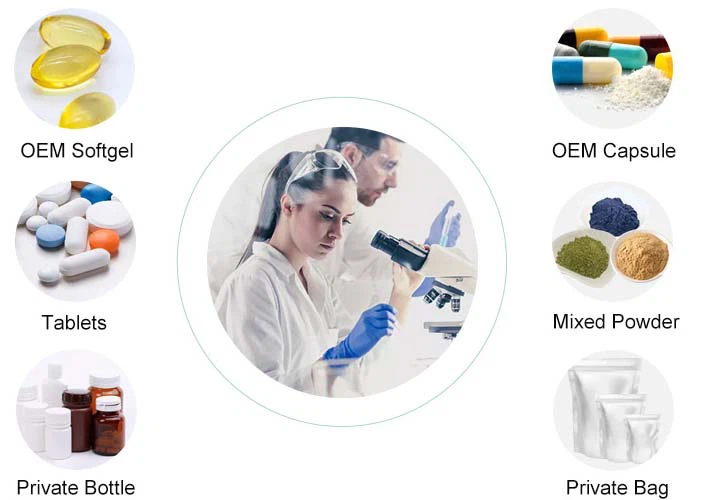
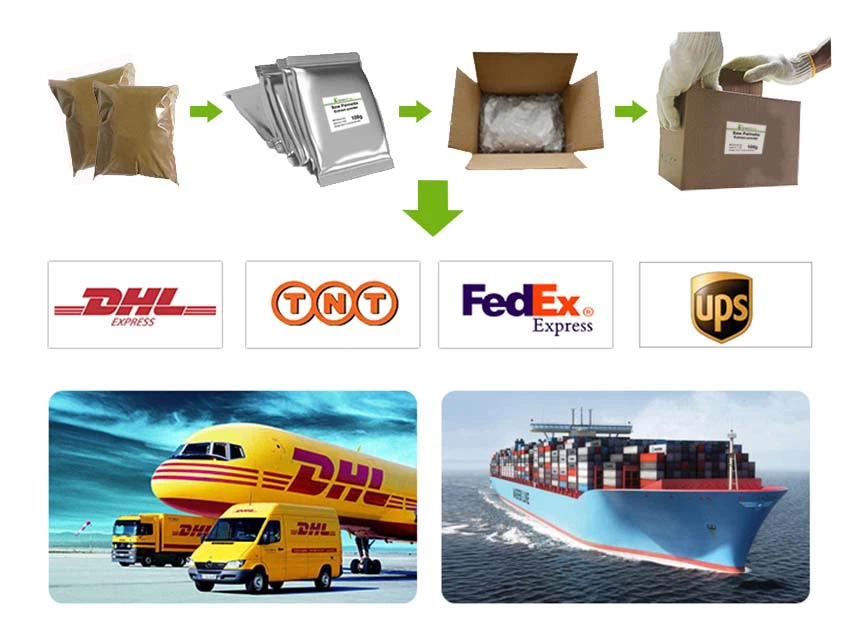
A: Yes. We offer OEM packaging (e.g., 1 kg, 5 kg, 10 kg, 25 kg) with private labeling in multiple languages. Custom specifications can also be achieved. We can also design custom blends combining liposomal vitamin C with other active ingredients.
Q: What regulatory documentation do you provide?
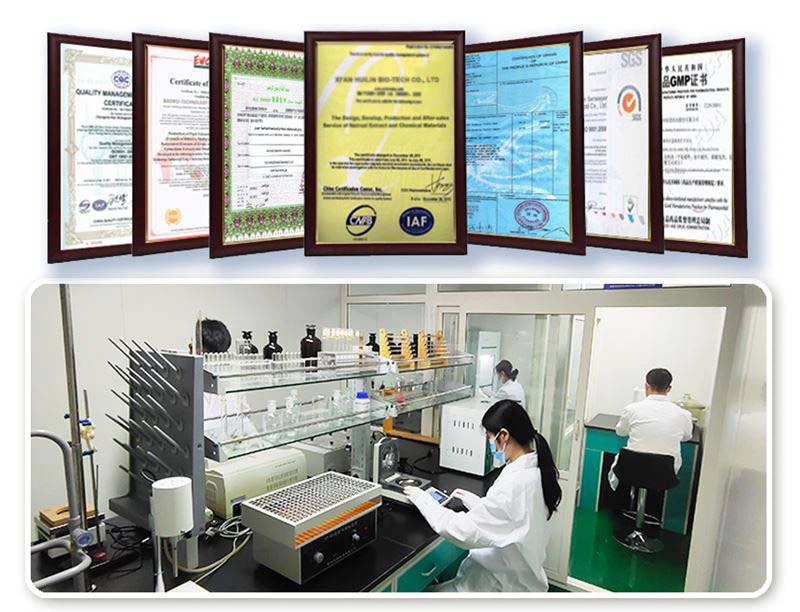
A: We supply COA, MSDS (Safety Data Sheet), Technical Data Sheet, allergen declaration, GMP statement, and upon request, Halal/Kosher/Gluten-Free certificates, and regulatory dossiers for target countries (e.g., China NMPA filing support, EU compliance documentation).
Q: Is Liposomal Vitamin C suitable for sensitive skin?
A: Yes. Due to its sustained release mechanism and reduced acidity, liposomal vitamin C minimizes the risk of purging or irritation that is commonly associated with pure L-ascorbic acid. The liposomal encapsulation technology allows vitamin C to be released slowly after application, reducing irritation to the skin, making it suitable for sensitive skin types.
Q: What is the difference between liposomal vitamin C powder and liposomal vitamin C liquid?
A: Liposomal vitamin C powder is produced by spray-drying technology that converts liquid liposomes into a stable powder without compromising liposomal integrity. The powder form offers superior thermal stability at room temperature, longer shelf life (24 months), and easier handling for dry formulations. Liquid forms often require more controlled environments and refrigeration. Both forms provide comparable bioavailability and efficacy when properly formulated.
Why Choose Us?
Your Professional Manufacturing & Sourcing Partner
We are more than a supplier - we are a comprehensive supply chain partner dedicated to high-quality ingredients, custom formulations, and finished products across multiple industries.
Professional Expertise
With years of experience in plant extracts, food additives, cosmetic raw materials, and nutritional ingredients, our team brings deep technical knowledge and market insight to every partnership.
01
Diverse Product Range
We offer a broad range of products including food additives, plant extracts, fruit & vegetable powders, cosmetic actives, and functional food ingredients.
02
One-Stop Shop
Raw Materials: High-purity ingredients for food, beverage, supplement, and cosmetic applications.
Finished Products: In-house manufacturing of capsules, soft gels, gummies, liquid drops, and blended powders.
03
OEM/ODM/OBM Services
Label Design & Packaging: Custom branding tailored to your target market.
Formulation & R&D: Expert support to develop custom blends, proprietary formulas, and innovative products.
Global Logistics: Reliable shipping, documentation, and customs clearance support.
04
Quality Assurance
Strict adherence to GMP standards and full regulatory transparency. We stay current with global requirements including FDA GRAS, EFSA, and other regional regulations to ensure your products meet the highest safety and compliance standards.
05
Act Now
Ready to incorporate Liposomal Vitamin C Powder into your next skincare or personal care innovation?
Contact us today for:
- Certificate of Analysis (COA) and Material Safety Data Sheet (MSDS)
- Technical formulation support
- Custom packaging options
- Free samples for testing
Please contact us at ella.zhang@huilinbio-tech.com.


References
Hot Tags: liposomal vitamin c powder, China, suppliers, manufacturers, factory, wholesale, buy, price, bulk, pure, natural, high quality, in stock, for sale, Vitamin Series, Pigment Powder, Vitamin B3 Niacinamide Powder, L Ascorbic Acid Powder Vitamin C, Vitamin H Biotin Powder


