



Introduction: What is Thiamine Nitrate?
Thiamine Nitrate, also known as Thiamine Mononitrate or Vitamin B1 Nitrate, is one of the two primary stable salt forms of the essential water-soluble vitamin, Thiamine (Vitamin B1). It is synthesized to provide a more stable and less hygroscopic alternative to Thiamine Hydrochloride for many applications.
This compound is vital for all living organisms as it serves as a precursor to thiamine pyrophosphate (TPP), a crucial coenzyme in cellular energy metabolism. Its superior stability makes it the preferred form for fortifying dry food products, multivitamin supplements, and animal premixes where extended shelf life and compatibility with other ingredients are critical.

Biochemical & Physical Parameters
| Parameter | Description / Value |
|---|---|
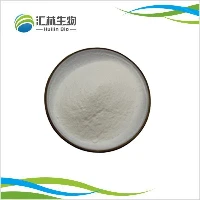
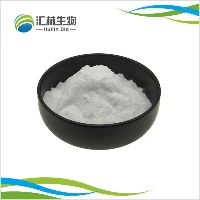
| Physical Form | White or slightly yellow crystalline powder. |
| Odor | Faint, characteristic odor. |
| Solubility | Slightly soluble in water (approx. 2.7 g/100 mL). Sparingly soluble in ethanol and chloroform. |
| Melting Point | Decomposes at 196-200°C. |
| pH (in solution) | 6.0 - 7.5. |
| Stability & Storage | Highly stable in dry, solid form. Store in a tightly closed container, protected from light and moisture at room temperature. Stable in neutral conditions, more stable than hydrochloride in alkaline environments. |
| Hygroscopicity | Low hygroscopicity, does not readily absorb moisture from air. |
Mechanism of Action: The Essential Coenzyme
Thiamine Nitrate itself is a provitamin. Once ingested and absorbed, it is rapidly converted into its active form, Thiamine Pyrophosphate (TPP).
1. Core Metabolic Function: TPP acts as an indispensable coenzyme in key cellular energy-producing pathways:
Carbohydrate Metabolism: It is essential for the decarboxylation of pyruvate to acetyl-CoA, linking glycolysis to the citric acid cycle-a fundamental step in generating cellular energy (ATP).
Branched-Chain Amino Acid Metabolism: TPP serves as a cofactor for enzymes involved in metabolizing amino acids like valine, leucine, and isoleucine.
Pentose Phosphate Pathway: Plays a role in this pathway, which generates precursors for nucleic acids and the antioxidant NADPH.
2. Neurological Function: Beyond metabolism, TPP is critical for normal nerve impulse conduction and neuronal health. It supports the synthesis of neurotransmitters and the maintenance of myelin sheaths.
Deficiency Impact: A deficiency of thiamine disrupts these processes, leading to reduced energy production, accumulation of toxic metabolites, and impaired nerve function, clinically manifesting as beriberi (with wet/cardiac or dry/neurological forms) or Wernicke-Korsakoff syndrome.
Key Benefits & Advantages
Primary Applications
Our Thiamine Nitrate powder serves as a critical ingredient across multiple sectors:
Thiamine Nitrate vs. Thiamine Hydrochloride: A Critical Comparison
Choosing the right form is vital for product success. Here's the key distinction:
|
FAQ: Frequently Asked Questions
Q: What are the benefits of using the nitrate form over the hydrochloride?
A: The primary benefit is superior stability in dry, solid formulations. It is less hygroscopic, making it ideal for tablets, dry food blends, and feed premixes where moisture can cause degradation, caking, and loss of potency.
Q: Is Thiamine Nitrate safe? Are there any side effects?
A: Thiamine Nitrate is safe for its intended nutritional uses and has a GRAS status. Thiamine itself is water-soluble and has no known toxicity from high oral doses. Rare allergic reactions to thiamine are possible. Parenteral (injection) administration at very high doses can, in extreme cases, lead to severe adverse effects related to the pharmacological action of thiamine on the nervous system.
Q: Can it be used in combination with other B vitamins like Pyridoxine (B6) and Cyanocobalamin (B12)?
A: Yes, absolutely. Thiamine Nitrate is commonly formulated with Pyridoxine Hydrochloride and Cyanocobalamin in B-complex injections, tablets, and nutritional supplements. Its stability makes it a reliable component in such multi-ingredient blends.
Contact Us
Are you developing a stable nutritional product, a reliable pharmaceutical formulation, or a high-performance animal feed?
Request a Sample & Quote: Contact us today to receive a complimentary sample for your quality evaluation and a competitive price quote tailored to your volume needs.
Access Documentation: Full regulatory support, including Certificate of Analysis (CoA), Safety Data Sheet (SDS), and compliance documentation, is available.
Global Supply Assurance: We guarantee consistent quality, reliable supply chains, and expert technical support to partners worldwide.
Please contact us at ella.zhang@huilinbio-tech.com.


Hot Tags: thiamine nitrate powder, China, suppliers, manufacturers, factory, wholesale, buy, price, bulk, pure, natural, high quality, in stock, for sale, Vitamin Series, Vitamin H Biotin Powder, L Ascorbic Acid Powder Vitamin C, Pigment Powder, Vitamin B3 Niacinamide Powder


