

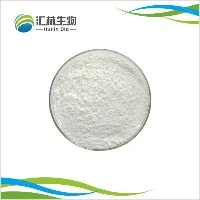
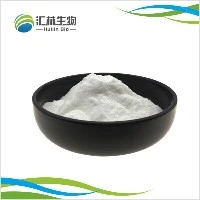
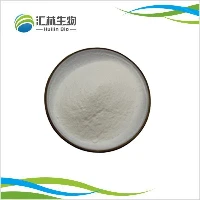


Xi'an Huilin Bio-Tech Co., Ltd. is one of the leading manufacturers and suppliers of benfotiamine powder in China. With abundant experience, we are committed to providing high quality natural products with competitive price. Please feel free to wholesale bulk pure benfotiamine powder for sale here from our factory.
Introduction
Benfotiamine Powder is a synthetic, fat-soluble derivative of thiamine (Vitamin B1). Renowned for its superior bioavailability compared to water-soluble thiamine salts, it represents a significant advancement in thiamine supplementation. By passively diffusing across cell membranes, Benfotiamine effectively raises intracellular thiamine levels, which are crucial for supporting nerve health and addressing the underlying biochemical imbalances associated with high blood sugar levels [1]. It is a cornerstone ingredient for advanced neurological and metabolic health formulations.

Biochemical & Physical Parameters
| Parameter | Specification |
|---|---|
| CAS No. | 22457-89-2 |
| Molecular Formula | C₁₉H₂₃N₄O₆PS |
| Molecular Weight | 466.45 g/mol |
| Appearance | White to off-white crystalline powder |
| Assay (HPLC) | ≥ 98.0% |
| Solubility | Soluble in lipids and organic solvents; low solubility in water. |
Mechanism of Action: The Superior Bioavailable Precursor
The exceptional efficacy of Benfotiamine stems from its unique pharmacokinetics and its targeted action on a key metabolic pathway:
- Superior Cellular Uptake: Unlike water-soluble thiamine, which requires active transport and is subject to saturation, Benfotiamine's lipid-soluble nature allows it to passively and efficiently diffuse into cells throughout the body.
- Intracellular Activation: Once inside the cell, enzymes called phosphatases convert Benfotiamine into active, bioavailable thiamine (Vitamin B1) and, ultimately, into its coenzyme form, thiamine pyrophosphate (TPP).
- Transketolase Activation & Glycation Pathway Inhibition: This is its defining mechanism. Benfotiamine potently activates the enzyme transketolase. This enzyme redirects the harmful metabolites of glucose (fructose-6-phosphate and glyceraldehyde-3-phosphate) away from three major damaging pathways:
1. The Advanced Glycation End-products (AGEs) Pathway: By reducing the levels of these precursors, Benfotiamine significantly inhibits the formation of AGEs, which cause tissue damage and inflammation [2].
2. The Hexosamine Pathway
3. The Protein Kinase C (PKC) Pathway
This unique action helps protect nerves, blood vessels, and other tissues from the detrimental effects of high blood sugar.
Key Benefits of Benfotiamine

- Neuropathy Symptom Support: Clinically studied for its role in supporting nerve health, Benfotiamine is widely used to help alleviate symptoms associated with diabetic neuropathy, such as tingling, burning, numbness, and pain [3].
- Powerful Anti-Glycation Agent: Helps protect proteins and tissues from sugar-induced damage (glycation), a key factor in premature aging and diabetic complications.
- Superior Bioavailability: Raises blood and tissue thiamine levels significantly more effectively than standard water-soluble thiamine salts like thiamine hydrochloride.
- Cellular Energy Production: As a precursor to TPP, it is essential for mitochondrial function and the conversion of carbohydrates into energy (ATP).
- Overall Nervous System Health: Supports healthy nerve function and provides antioxidant support for the entire nervous system.
Benfotiamine vs. Thiamine
| Feature | Benfotiamine | Thiamine HCl (Standard B1) |
|---|---|---|
| Solubility | Fat-soluble | Water-soluble |
| Absorption | Passive diffusion; highly efficient. | Active transport; limited by saturation. |
| Bioavailability | Very High. Achieves much higher blood and tissue levels. | Standard. Lower tissue penetration. |
| Primary Use | Targeted support for neuropathy, anti-glycation, and high-dose therapy. | General vitamin B1 supplementation and deficiency prevention. |
| Mechanism | Unique activation of transketolase to inhibit glycation pathways. | Standard cofactor for energy metabolism. |
Applications in Industry

Benfotiamine Powder is a key ingredient for targeted health formulations:
1. Dietary Supplements & Nutraceuticals:
Targeted formulas for diabetic nerve health and neuropathy support.
Advanced anti-aging supplements focused on anti-glycation.
General nervous system and metabolic support complexes.
2. Pharmaceutical Intermediates: Used in the development and production of prescription-grade neuropathic and metabolic health medications.
3. Clinical Nutrition: Incorporated into specialized medical foods for patients with specific conditions related to thiamine deficiency or glucose metabolism issues.
Frequently Asked Questions (FAQ)
Q: What is Benfotiamine used for?
A: Its primary use is in supporting nerve health, particularly for symptoms of diabetic neuropathy. It is also used for its potent anti-glycation properties and to support overall metabolic and cellular health due to its role as a highly bioavailable form of Vitamin B1.
Q: Are there any side effects?
A: Benfotiamine is generally very well-tolerated and considered safe. Side effects are rare but, in some individuals, may include mild gastrointestinal upset. It has a much higher safety margin than water-soluble thiamine.
Q: How is Benfotiamine different from a regular Vitamin B1 supplement?
A: The key difference is bioavailability and mechanism. Benfotiamine is fat-soluble, allowing it to reach much higher concentrations inside cells where it's needed. Furthermore, it uniquely activates the transketolase enzyme, providing benefits against sugar damage that standard thiamine does not.
Q: Is Benfotiamine a drug or a vitamin?
A: Benfotiamine is a synthetic derivative of Vitamin B1 (thiamine). It is regulated as a dietary supplement ingredient in many countries. In some regions, it may be a component of prescription medications.
Contact Us
Elevate your health formulations with the superior bioavailability and targeted action of Benfotiamine Powder (CAS 22457-89-2). Ideal for advanced nerve and metabolic health products. Contact us today to request a certificate of analysis (CoA), formulation support, and a competitive quote.
E-mail: ella.zhang@huilinbio-tech.com.
References
- Greb, A., & Bitsch, R. (1998). Comparative bioavailability of various thiamine derivatives after oral administration. International Journal of Clinical Pharmacology and Therapeutics, 36(4), 216-221.
- Hammes, H. P., et al. (2003). Benfotiamine blocks three major pathways of hyperglycemic damage and prevents experimental diabetic retinopathy. Nature Medicine, 9(3), 294-299.
- Stirban, A., et al. (2006). Benfotiamine prevents macro- and microvascular endothelial dysfunction and oxidative stress following a meal rich in advanced glycation end products in individuals with type 2 diabetes. Diabetes Care, 29(9), 2064-2066.
Hot Tags: benfotiamine powder, China, suppliers, manufacturers, factory, wholesale, buy, price, bulk, pure, natural, high quality, in stock, for sale, Vitamin B3 Niacinamide Powder, Pigment Powder, L Ascorbic Acid Powder Vitamin C, Vitamin Series, Vitamin H Biotin Powder


