




Introduction to Cholesterol
Cholesterol is a major sterol found in all biological cell membranes of mammals. It is a waxy, odorless steroid alcohol belonging to the class of sterol-lipids. Cholesterol plays an essential role in regulating the properties of cell membranes and is the precursor for steroid hormones, bile acids, and vitamin D in mammals.
It is available in both natural (lanolin-derived) and synthetic (non-animal origin) grades. As a high-purity ingredient, it is widely used in pharmaceutical formulations (as an emulsifying agent, excipient, and API for liposomal drug delivery systems), cosmetic products (as an emulsifier, stabilizer, and skin conditioning agent), cell culture applications, and as a raw material for vitamin D₃ and hormone synthesis.
Cholesterol is a component used for the preparation and study of artificial model membranes. It is also used in liposome preparation to control the functions of transporters and coordinate cell proteins in plasma membranes. Its superior emulsifying and stabilizing properties make it an ideal ingredient in water-in-oil (w/o) and oil-in-water (o/w) emulsions in cosmetic and pharmaceutical formulations such as creams and lotions.
Certificate of Analysis (COA)
| Parameter | Specification | Typical Result |
|---|---|---|
| Appearance | White to off-white crystalline powder | Complies |
| Assay (Cholesterol, GC) | ≥99.0% | 99.3% |
| Identification | Conforms to USP/EP reference standard | Complies |
| Specific Optical Rotation | -34.0° to -39.5° (c=2, Dioxane) | -36.5° |
| Melting Point | 147–150°C | 149°C |
| Loss on Drying | ≤0.3% (60°C, vacuum) | 0.2% |
| Sulphated Ash | ≤0.1% | 0.05% |
| Heavy Metals | ≤10 ppm | Complies |
| Acidity | To pass test | Passes |
| Endotoxins | ≤1.0 EU/mg | Complies |
| Total Aerobic Microbial Count | ≤100 CFU/g | Complies |
| Residual Solvents | Meets ICH Q3C / Ph.Eur. requirements | Complies |
| Particle Size | As per customer specifications | D90 ≤180 µm |
Note: Batch-specific COA is available upon request.
Cholesterol benefits
- Multi-pharmacopoeia compliance – Meets USP, NF, EP, BP, and JP standards, supporting global regulatory acceptance
- Superior emulsifying and stabilizing properties – Cholesterol has superior emulsifying and stabilizing properties compared to other straight and branched-chain lanolin alcohols, making it an ideal emulsifying agent for w/o and o/w emulsions in cosmetic and pharmaceutical formulations
- Essential component of liposomal and lipid-based formulations – Cholesterol is a major component of biological cell membranes and is used as a stabilizer of lipid bilayers in lipid-based formulations for the delivery of APIs, including small molecules and nucleic acids
- Versatile pharmaceutical applications – Used as an emulsifying agent, excipient, and API; enables controlled release by encapsulation of drugs/actives in injectables, and can be used as a carrier for diagnostic substances
- Broad cosmetic applications – Functions as an emulsifier, spreading agent, emulsion stabilizer, skin and hair conditioning agent, hydrating, moisturizing, nourishing, calming, soothing, and anti-redness agent
- Cell culture and research applications – Used as a medium supplement in cell culture, a component of hormone pellets for implantation, and for the preparation of artificial model membranes
- Raw material for vitamin D₃ and hormone synthesis – Cholesterol is the precursor for vitamin D₃ and steroid hormone production
- Flexible sourcing options – Available in both natural (lanolin-derived) and synthetic (non-animal origin, vegetal) grades to meet diverse application requirements
- High purity and consistency – Typical purity ≥99.0% with strict impurity control, ensuring batch-to-batch consistency
What is Cholesterol used for?
Pharmaceutical Applications:
- Liposomal Drug Delivery Systems – Cholesterol is a key component in liposome and lipid-based nanoparticle formulations, stabilizing lipid bilayers and enabling controlled release of APIs, including small molecules and nucleic acids for gene therapy
- Pharmaceutical Excipient – Used as an emulsifying agent in topical pharmaceutical formulations at concentrations of 0.3–5.0% w/w
- API and Pharmaceutical Intermediate – Serves as an active pharmaceutical ingredient and intermediate in drug development
- Controlled Release Formulations – Enables encapsulation and controlled release of drugs in injectable formulations
- Carrier for Diagnostic Substances – Used as a carrier for diagnostic agents
- Pharmaceutical Reference Standard – Used as a certified reference material for the determination of cholesterol in pharmaceutical formulations and food products by GC or HPLC
Cosmetic Applications:
- Emulsifying Agent – Forms stable w/o and o/w emulsions in creams, lotions, and other personal care products
- Skin and Hair Conditioning Agent – Provides hydrating, moisturizing, nourishing, calming, soothing, and anti-redness benefits
- Emulsion Stabilizer – Improves the properties of anionic emulsifying agents and the stability of emulsions
- Hair Care Products – Used in conditioners and hair pomades
- Skin Care Products – Used in creams and lotions as a moisturizing and nourishing ingredient
- Emollient – Imparts water-absorbing power to ointments and has emollient activity
Research and Laboratory Applications:
- Cell Culture Supplement – Used as a medium supplement in mammalian cell culture
- Artificial Model Membranes – Used for the preparation and study of artificial model membranes
- Liposome Preparation – Used in the preparation of liposomes to control transporter and cell protein functions
- Biochemical Research – Used in biochemical research and as a reagent for cephalin-cholesterol flocculation tests
Industrial Applications:
- Vitamin D₃ Synthesis – Raw material for the production of vitamin D₃
- Hormone Drug Synthesis – Raw material for steroid hormone production
- Artificial Bezoar Production – Used in the production of artificial bezoar (Calculus bovis)
- Feed Additive – Used as an additive in feed formulations


Frequently Asked Questions (FAQ)
Q: What is the role of cholesterol in liposome and lipid nanoparticle formulations?
A: Cholesterol is a critical functional excipient in liposome and lipid nanoparticle (LNP) formulations. It modulates membrane fluidity, strengthens bilayer packing, and reduces permeability, helping liposomes maintain encapsulated payloads and resist destabilization during processing, storage, and transport. In mRNA delivery systems, cholesterol can modulate drug release, enhance cell membrane penetration, and provide stabilization effects. Finding the right phospholipid-to-cholesterol ratio is essential for making stable and functional liposome formulations.
Q: What is the difference between NF grade and other pharmaceutical grades of cholesterol?
A: Cholesterol NF (National Formulary) grade meets USP-NF pharmacopeial standards and is commonly used as an emulsifying agent in cosmetic and topical pharmaceutical preparations. BP (British Pharmacopoeia) and EP (European Pharmacopoeia) grades are recognized in their respective regions. All pharmacopoeial grades are manufactured under strict quality control, but NF grade is specifically referenced in the U.S. National Formulary for excipient applications.
Q: How should Cholesterol Powder be stored to maintain stability?
A: Cholesterol is light-sensitive, air-sensitive, and moisture-sensitive. It should be stored frozen at -20°C, protected from light, under inert gas, in tightly sealed containers. Under these conditions, shelf life is 24–36 months. Avoid repeated freeze-thaw cycles and prolonged exposure to air, which can lead to oxidation and formation of cholesterol oxides.
Q: Is Cholesterol Powder soluble in water? What solvents are recommended?
A: Cholesterol is practically insoluble in water. It is soluble in ethanol, benzene, chloroform, ether, and dioxane. For formulation purposes, it is typically dissolved in organic solvents or oils before incorporation into emulsions, liposomes, or lipid-based delivery systems.
Q: What is the difference between natural and synthetic cholesterol?
A: Natural cholesterol is derived from lanolin (sheep wool grease), while synthetic cholesterol is produced from plant-derived sterols (non-animal origin). Synthetic cholesterol is suitable for vegetarian/vegan applications and where animal-derived ingredients are restricted.
Our Advantages

Your Professional Manufacturing & Sourcing Partner
We are more than a supplier - we are a comprehensive supply chain partner dedicated to high-quality ingredients, custom formulations, and finished products across multiple industries.
With years of experience in plant extracts, food additives, cosmetic raw materials, and nutritional ingredients, our team brings deep technical knowledge and market insight to every partnership.
01. Diverse Product Range
We offer a broad range of products, including food additives, plant extracts, fruit & vegetable powders, cosmetic actives, and functional food ingredients.
- Raw Materials: High-purity ingredients for food, beverage, supplement, and cosmetic applications.
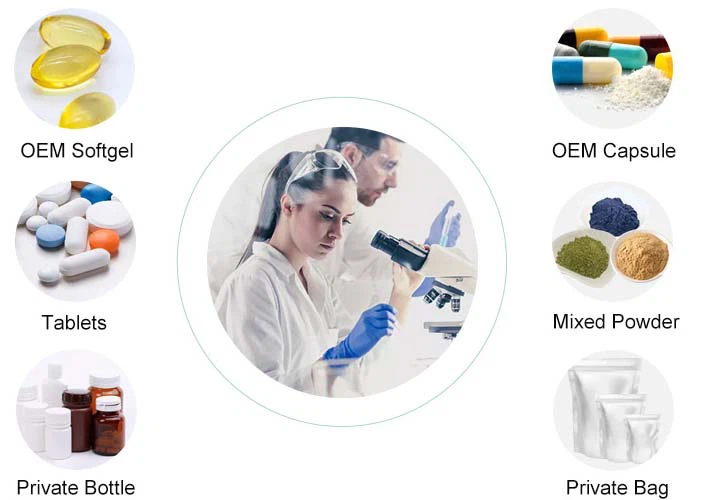
- Finished Products: In-house manufacturing of capsules, softgels, gummies, liquid drops, and blended powders.
- Label Design & Packaging: Custom branding tailored to your target market.
- Formulation & R&D: Expert support to develop custom blends, proprietary formulas, and innovative products.
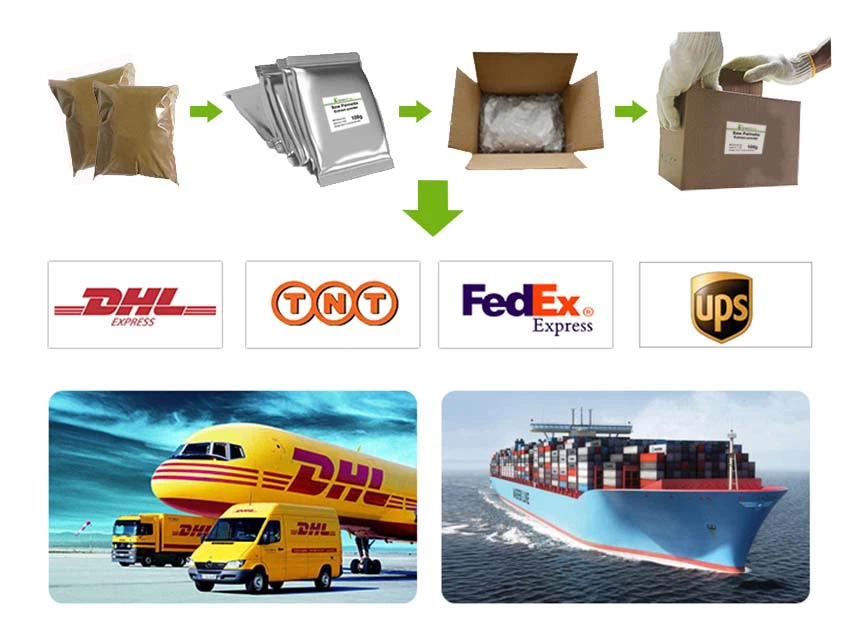
- Global Logistics: Reliable shipping, documentation, and customs clearance support.
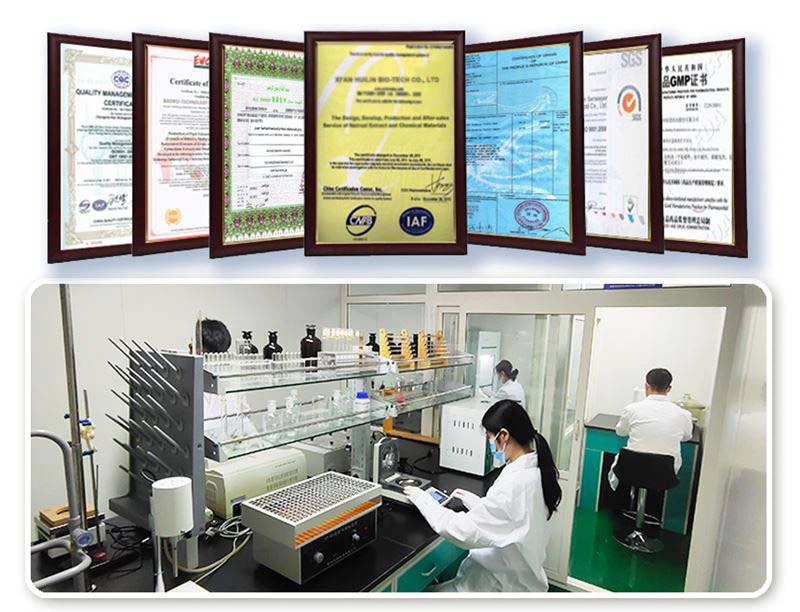
04. Quality Assurance
Strict adherence to cGMP standards and full regulatory transparency. We stay current with global requirements, including FDA GRAS, EFSA, and other regional regulations, to ensure your products meet the highest safety and compliance standards.
How to contact
Contact our sales team to discuss your Cholesterol Powder requirements.
Please get in touch with us at ella.zhang@huilinbio-tech.com.


References
[1] Cholesterol. PubChem, National Center for Biotechnology Information. CID 5997.
Disclaimer
For manufacturing, research, and formulation use only. Not for human consumption. B2B info – not medical advice. Buyers must comply with regulations and obtain approvals. Specifications may change; verify current docs before ordering.
Hot Tags: cholesterol powder, China, suppliers, manufacturers, factory, wholesale, buy, price, bulk, pure, natural, high quality, in stock, for sale


