

Introduction
Bisphenol S (BPS) is a high-performance organic compound belonging to the bisphenol family, characterized by a central sulfonyl group (-SO₂-) bridging two hydroxyphenyl rings. This molecular architecture imparts exceptional thermal stability, oxidation resistance, and photostability-properties that significantly exceed those of its structural analog, Bisphenol A (BPA).
Since the global regulatory crackdown on BPA due to its endocrine-disrupting properties, BPS has emerged as the predominant "BPA-free" substitute, penetrating two critical but divergent industrial streams: the mass-market production of thermal paper (receipts, shipping labels, boarding passes) and the high-value synthesis of engineering thermoplastics (polyethersulfone, polysulfone) essential for aerospace, automotive, medical filtration, and food contact applications.
However, the emergence of BPS as a BPA replacement has been accompanied by intensifying scientific and regulatory scrutiny. Peer-reviewed toxicological studies have demonstrated that BPS exhibits weak estrogenic transcriptional activity of comparable potency to BPA and can induce reproductive and developmental toxicity in animal models. Consequently, BPS was listed under California's Proposition 65 for female reproductive toxicity (2023), male reproductive toxicity (2025), and developmental toxicity (2025), with stringent warning requirements now enforced for consumer exposures, particularly from thermal receipts.
Physical & Chemical Parameters
| Parameter | Specification / Value | Notes / Reference |
|---|---|---|
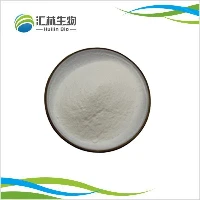
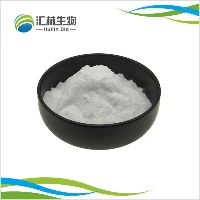
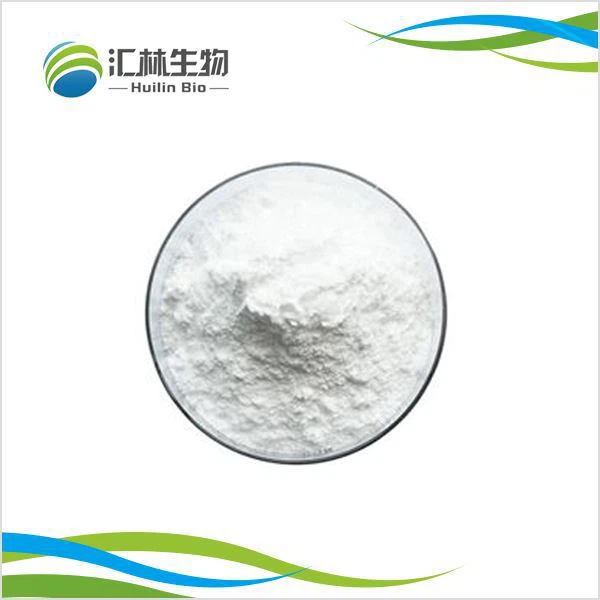
| Physical State | Solid | Crystalline powder |
| Color | White to off-white or pale cream | |
| Odor | Odorless | - |
| Molecular Weight | 250.27 – 250.28 g/mol | |
| Purity | ≥98.0% (Industrial Grade) ≥99.0% (Polymer/Analytical Grade) |
HPLC/GC |
| Melting Point | 240 – 250 °C | Literature varies; 245-250 °C (lit.) |
| Boiling Point | 315 °C | At atmospheric pressure |
| Flash Point | Not applicable (solid) | Combustible dust; avoid ignition sources |
| Density | ~1.37 g/cm³ (estimated) | - |
| Vapor Pressure | Negligible at room temperature | - |
| Solubility in Water | Low (approx. 1.1 g/L at 20°C) | Increases with pH (phenolate formation) |
| Solubility in Organic Solvents | Soluble in acetone, ethanol, DMSO, alkaline solutions | |
| pKa | ~7.5 – 8.0 (phenolic -OH) | - |
| Log P (Octanol-Water) | ~1.2 – 1.7 | Moderate hydrophilicity |
| Specific Surface Area | N/A (powder) | - |
| Particle Size | Variable; customizable (e.g., 200 mesh) | Industrial grade typically milled |
| Bulk Density | ~0.5 – 0.7 g/cm³ (powder) | - |
| Hygroscopicity | Slightly hygroscopic | Keep container tightly sealed |
| Thermal Stability | Excellent; stable up to 300°C | Suitable for high-temperature polymer processing |
| Photostability | Superior to BPA | Resistant to UV degradation |
| Storage Conditions | Store in cool, dry, well-ventilated area; keep container tightly closed | Protect from moisture and strong oxidizers |
| Shelf Life | Analytical Grade: limited, see label Industrial/Polymer Grade: 2-3 years under proper storage |
Mechanism of Action
Bisphenol S (BPS) operates through two distinct mechanistic frameworks: industrial functional chemistry and biological/toxicological interaction.
1. Industrial Mechanisms
A. Thermal Paper Color Developer
BPS functions as a thermally activated proton donor in BPA‑free thermal paper systems. Upon heating, BPS melts and releases protons from its phenolic –OH groups, which open the lactone ring of the co‑coated leuco dye, generating the black chromophore. The electron‑withdrawing sulfonyl group lowers the phenolic pKa, enhancing developer efficiency and image stability compared to BPA.
B. Monomer for High‑Performance Polymers
In the synthesis of polyethersulfone (PES) and polysulfone (PSU), BPS undergoes nucleophilic aromatic substitution polycondensation with dichlorodiphenyl sulfone. The rigid, thermally stable sulfonyl bridge imparts exceptional heat deflection temperature (up to 180°C continuous), hydrolytic stability, and inherent flame retardancy to the resulting engineering plastics.
C. Leather Tanning & Textile Fixation
Sulfonated BPS derivatives act as synthetic tanning agents (syntans), binding ionically to collagen amino groups, improving leather softness and fill. In nylon dyeing, BPS-based fixatives form insoluble complexes with acid dyes, preventing desorption during washing.
2. Biological & Toxicological Mechanisms
A. Endocrine Activity
Despite its structural substitution, BPS retains weak estrogenic transcriptional activity. It binds to both estrogen receptor subtypes (ERα and ERβ) with affinity comparable to BPA, inducing receptor conformational changes and coactivator recruitment that initiate estrogen‑responsive gene transcription.
B. Reproductive & Developmental Toxicity
Neonatal exposure studies demonstrate BPS disrupts the hypothalamic‑pituitary‑gonadal (HPG) axis: serum LH/FSH are reduced while testosterone and estradiol are elevated. Ovarian histopathology reveals dose‑dependent increases in cystic/atretic follicles, and uterine weight is reduced. Pubertal onset (vaginal opening) is delayed at higher doses.
C. Proposition 65 Listing Rationale
Based on the weight of evidence from animal studies showing reproductive and developmental toxicity comparable to BPA, California OEHHA listed BPS under Prop 65 for:
- Female reproductive toxicity (Dec 29, 2023)
- Male reproductive toxicity (Jan 8, 2025)
- Developmental toxicity (Dec 8, 2025)
Clear and reasonable warnings are now required for consumer exposures, particularly from thermal receipt handling.
Key Benefits & Advantages
- Superior Thermal & Photostability: Higher thermal degradation temperature and UV resistance than BPA, enabling use in demanding engineering plastics (PES, PSU) and extending product lifespan.
- Enables "BPA-Free" Compliance: Primary industrial substitute for BPA in thermal paper and resins, helping manufacturers meet global regulatory bans and consumer demand for BPA-free labeling.
- Multi-Industry Versatility: Validated across seven sectors-thermal paper, engineering plastics, epoxy/phenolic resins, leather, textiles, construction, and flame retardants.
- Established Global Supply Chain: Mature, scalable manufacturing infrastructure centered in China (70-80% of capacity), with second-source availability from India and Japan.
- Multiple Purity Grades Available: Offered as Industrial Grade (≥98%) for high-volume applications, Polymer Grade (≥99%) for high-performance resins, and Analytical Grade (≥99%) for regulatory compliance testing.
- Cost-Effective Alternative: Economically competitive relative to specialty sulfone monomers, driven by high-volume Chinese production and process optimization.
Primary Applications
| Industry / Sector | Application Examples | Functional Role & Benefit |
|---|---|---|
| Pulp & Paper | Thermal paper developer for receipts, shipping labels, boarding passes, lottery tickets | Primary BPA replacement; provides heat-activated color development with superior image stability and resistance to fading |
| Engineering Plastics | Monomer for Polyethersulfone (PES) and Polysulfone (PSU) resins | Imparts high heat deflection temperature, transparency, hydrolytic stability; used in dialysis membranes, water filtration, automotive components, aerospace interiors, medical devices |
| Epoxy & Phenolic Resins | Modifier for high-temperature epoxy systems; phenolic resin intermediate | Enhances thermal stability, curing properties, and chemical resistance |
| Leather Processing | Synthetic tanning agent (syntan) precursor | Sulfonated BPS derivatives ensure uniform tanning, improve leather "handle" (softness/flexibility), assist dye fixation |
| Textile Industry | Nylon dye fixing agent | Prevents bleeding of acid dyes on polyamide fibers; improves colorfastness to washing |
| Construction Materials | Cement superplasticizer intermediate | Water-reducing agent; improves concrete flowability without compromising compressive strength |
| Polyurethane Systems | Polymer modifier | Imparts strength, durability, and resilience under extreme temperatures and corrosive conditions |
| Flame Retardants | Reactive flame retardant intermediate | Sulfone structure contributes to char formation and flame inhibition in polymer blends |
| Analytical & Regulatory | Reference standard for LC-MS/MS, HPLC-UV | Quantification of BPS in food, beverages, environmental samples, biological matrices; compliance testing for Proposition 65 and EU SVHC |
FAQ: Frequently Asked Questions
Q: Is Bisphenol S classified as a carcinogen?
A: No. BPS is not currently listed as a carcinogen by IARC, NTP, or Proposition 65. The existing Prop 65 listings are specifically for female reproductive toxicity, male reproductive toxicity, and developmental toxicity. Long-term carcinogenicity bioassays are limited and ongoing.
Q: What is the environmental fate of BPS?
A: BPS is less persistent than BPA in some environmental compartments due to its higher water solubility and susceptibility to biodegradation. However, it is still frequently detected in surface waters, wastewater effluent, sewage sludge, and indoor dust globally due to continuous release from thermal paper and textiles, resulting in "pseudo-persistent" environmental presence.
Q: How should BPS waste be disposed of?
A: Dispose of waste BPS and contaminated packaging in accordance with local, state, and federal environmental regulations. Incineration in a permitted hazardous waste incinerator equipped with afterburner and scrubber is recommended. Do not dispose via sewer.
Q: Can BPS be used in food contact applications?
A: BPS itself is not approved as a direct food additive. However, polyethersulfone (PES) and polysulfone (PSU) resins produced from polymer‑grade BPS are cleared for repeat‑use food contact articles (e.g., microwave cookware, food processing equipment) in several jurisdictions, including the EU and USA. Finished product manufacturers must verify compliance with applicable food contact regulations in their target markets.
Act Now
Contact our technical sales team today to:
- Request a sample for method development and qualification.
- Receive a competitive quotation for R&D, pilot-scale trials, or bulk contract manufacturing.
Please contact us at ella.zhang@huilinbio-tech.com.

Disclaimer: This product information is intended for business-to-business (B2B) use by qualified professionals in the chemical, manufacturing, and research industries. The statements contained herein are based on current scientific literature, regulatory documents, and supplier specifications. It is the sole responsibility of the purchaser and end-user to ensure compliance with all applicable local, national, and international laws and regulations, including but not limited to Proposition 65, REACH, TSCA, and food contact regulations. This product is not intended for direct consumer use, food additive use, or as a component of finished consumer products without thorough safety assessment and regulatory approval. Specifications are subject to change without notice; always request the latest Certificate of Analysis prior to order placement.
Hot Tags: bisphenol s (bps) powder, China, suppliers, manufacturers, factory, wholesale, buy, price, bulk, pure, natural, high quality, in stock, for sale