


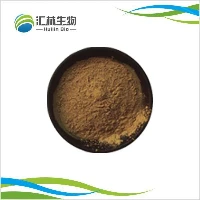


Introduction to Hyodeoxycholic Acid
Hyodeoxycholic acid (HDCA) is a naturally occurring bile acid found in high concentrations in pig bile. It has a unique chemical structure that sets it apart from other bile acids like chenodeoxycholic acid (CDCA) and ursodeoxycholic acid (UDCA).
HDCA has drawn growing interest for its health benefits. It helps regulate metabolism and reduce inflammation through its effects on key receptors in the body. It has also been shown to calm excessive inflammatory responses.
First isolated from pig bile in the early 20th century, HDCA was initially studied for its ability to prevent cholesterol gallstones. More recently, research has expanded to explore its potential in metabolic health, inflammation control, and even cancer research.
Certificate of Analysis (COA)
| Parameter | Specification | Typical Result |
|---|---|---|
| Appearance | White to off-white crystalline powder | Complies |
| Assay (on dried basis) | ≥98.0% | 98.5% |
| Identification (HPLC) | Retention time matches reference standard | Complies |
| Related Substances | Any individual impurity ≤ 1.0%; Total impurities ≤ 2.0% | 0.95% (total) |
| Loss on Drying | ≤ 1.0% | 0.5% |
| Residue on Ignition | ≤ 0.2% | 0.1% |
| Heavy Metals | ≤ 20 ppm | Complies |
| Specific Optical Rotation | +6° to +10° (c=2 in ethanol) | +8.2° |
| Melting Point | 196–201°C | 199°C |
| Particle Size Distribution | As per customer specifications | D90 ≤ 180 µm |
| Residual Solvents | Meets ICH Q3C requirements | Complies |
| Microbial Limits | TAMC ≤ 1000 cfu/g; absence of specified pathogens | Complies |
Note: Batch-specific COA is available upon request.
Hyodeoxycholic Acid benefits
- Naturally occurring secondary bile acid – HDCA is a physiological bile acid produced by gut microbial metabolism, making it a biologically compatible compound
- FXR and TGR5 dual receptor agonist – HDCA simultaneously activates the farnesoid X receptor (FXR) and the G protein-coupled bile acid receptor TGR5, enabling broad metabolic and anti-inflammatory effects
- Anti-inflammatory properties – HDCA suppresses excessive activation of inflammatory macrophages by competitively blocking lipopolysaccharide binding to the TLR4/MD2 receptor complex, functioning as an endogenous inhibitor of inflammatory signaling
- Gallstone prevention – HDCA prevents the formation of cholesterol gallstones by abolishing feedback inhibition of HMG-CoA reductase (the rate-limiting enzyme of cholesterol synthesis) and preventing the transition of cholesterol from liquid crystalline phase to solid crystals
- Well-absorbed with a favorable metabolic profile – HDCA is well absorbed by the human intestine and does not produce significant amounts of lithocholic acid, a hepatotoxic bile acid metabolite
- Emerging therapeutic potential – Recent studies have demonstrated HDCA's potential in colorectal cancer inhibition via the FXR/EREG/EGFR axis, neuropathic pain relief through FXR activation, and protection against sepsis
- Versatile API for multiple applications – Available as a high-purity powder for pharmaceutical formulation, research chemicals, and dietary supplement ingredients
What is Hyodeoxycholic Acid used for?
Pharmaceutical and Research Applications:
- Active Pharmaceutical Ingredient (API): HDCA is used as an API or pharmaceutical intermediate in drug development for metabolic and inflammatory disorders
- Gallstone Prevention Research: HDCA prevents cholesterol gallstone formation by modulating cholesterol synthesis and bile composition
- Metabolic Disease Research: HDCA is studied for its role in glucose homeostasis, lipid metabolism, and FXR/TGR5-mediated metabolic regulation
- Anti-Inflammatory Drug Development: HDCA's TLR4 inhibitory mechanism makes it a promising candidate for sepsis and inflammatory disease research
- Cancer Research: Recent studies have identified HDCA as a potential anti-colorectal cancer agent through FXR activation
- Analytical Reference Standard: HDCA is used as a reference standard for serum bile acid profiling by LC-MS methods
Dietary Supplement Applications:
HDCA is used as an ingredient in health supplement formulations targeting metabolic health and inflammation support
Note: All applications must comply with local regulatory requirements, including applicable approvals and marketing authorizations.

Bile Acid Comparison: HDCA, CDCA & UDCA
| Property | CDCA (Chenodeoxycholic Acid) | HDCA (Hyodeoxycholic Acid) | UDCA (Ursodeoxycholic Acid) |
|---|---|---|---|
| CAS Number | 474-25-9 | 83-49-8 | 128-13-2 |
| Molecular Formula | C₂₄H₄₀O₄ | C₂₄H₄₀O₄ | C₂₄H₄₀O₄ |
| Molecular Weight | 392.57 g/mol | 392.57 g/mol | 392.57 g/mol |
| Chemical Name | 3α,7α‑dihydroxy‑5β‑cholan‑24‑oic acid | 3α,6α‑dihydroxy‑5β‑cholan‑24‑oic acid | 3α,7β‑dihydroxy‑5β‑cholan‑24‑oic acid |
| Main Source | Poultry bile (chicken, duck, goose) | Pig bile (major bile acid) | Bear bile (traditional); now semi‑synthetic from CDCA |
| Bile Acid Type | Primary bile acid | Secondary bile acid | Secondary bile acid |
| Hydroxyl Positions | 3α, 7α | 3α, 6α | 3α, 7β |
| Primary Mechanism | Suppresses hepatic cholesterol and cholic acid synthesis; reduces biliary cholesterol saturation | Activates FXR and TGR5; regulates lipid metabolism; inhibits TLR4‑mediated inflammation | Forms a liquid‑crystalline layer on cholesterol stones to promote dissolution; does not suppress cholesterol synthesis |
| Main Clinical Uses | Dissolution of radiolucent cholesterol gallstones; precursor for UDCA synthesis | Metabolic regulation; anti‑inflammatory research; gallstone prevention | Dissolution of cholesterol gallstones; primary biliary cholangitis (PBC); bile reflux gastritis; primary sclerosing cholangitis |
| Choleretic Effect | Moderate | Weak (almost none) | Strongest |
| Side Effects | Commonly causes diarrhea (up to 50% of patients); elevated transaminases in some cases; contraindicated in pregnancy/lactation | Well‑tolerated; no significant diarrhea reported | Low incidence of diarrhea; safe for use in pregnancy/lactation |
| Clinical Status | Less commonly used today due to side effects | Used mainly for lipid‑lowering, anti‑inflammatory, and research applications | Most widely used bile acid drug in clinical practice |
Structural Relationship:
CDCA, HDCA, and UDCA are positional and stereoisomers – all share the same molecular formula (C₂₄H₄₀O₄) but differ in the position (6α vs. 7α) or stereochemistry (7α vs. 7β) of the hydroxyl groups. UDCA is the 7β‑epimer of CDCA.
Frequently Asked Questions (FAQ)
Q: What is the purity level of your Hyodeoxycholic Acid Powder?
A: Our HDCA Powder typically achieves ≥98.0% purity on an anhydrous basis. Batch-specific COA is provided with every shipment.
Q: What is the difference between HDCA, CDCA, and UDCA?
A: HDCA (3α,6α) differs from CDCA (3α,7α) and UDCA (3α,7β) in hydroxyl position. HDCA is the only one with a 6α-hydroxy group and activates both FXR and TGR5, giving it unique metabolic and anti-inflammatory properties.
Q: What analytical methods do you use for quality control?
A: We use HPLC for assay and related substances, plus optical rotation, melting point, loss on drying, residue on ignition, and heavy metals testing. Identification is confirmed by HPLC retention time against a reference standard.
Q: What are the main impurities in HDCA?
A: Key impurities include other bile acid isomers such as hyocholic acid, chenodeoxycholic acid, and lithocholic acid. Total impurities are controlled to ≤2.0% with any individual impurity ≤1.0%.
Q: Can HDCA be used in combination with other bile acids?
A: Yes, HDCA can be combined with other bile acids or excipients. Compatibility studies and formulation optimization are recommended for best results.
Q: What is the typical dosage range for HDCA?
A: In clinical research, dosages typically range from 250–750 mg/day depending on the indication. Our product is for manufacturing and research use only, not direct human consumption.
Q: How does HDCA compare to CDCA in terms of side effects?
A: Unlike CDCA, HDCA does not commonly cause diarrhea. It is well-tolerated and does not produce significant amounts of lithocholic acid, a hepatotoxic bile acid metabolite.
Our Advantages

Your Professional Manufacturing & Sourcing Partner
We are more than a supplier - we are a comprehensive supply chain partner dedicated to high-quality ingredients, custom formulations, and finished products across multiple industries.
With years of experience in plant extracts, food additives, cosmetic raw materials, and nutritional ingredients, our team brings deep technical knowledge and market insight to every partnership.
01. Diverse Product Range
We offer a broad range of products, including food additives, plant extracts, fruit & vegetable powders, cosmetic actives, and functional food ingredients.
- Raw Materials: High-purity ingredients for food, beverage, supplement, and cosmetic applications.
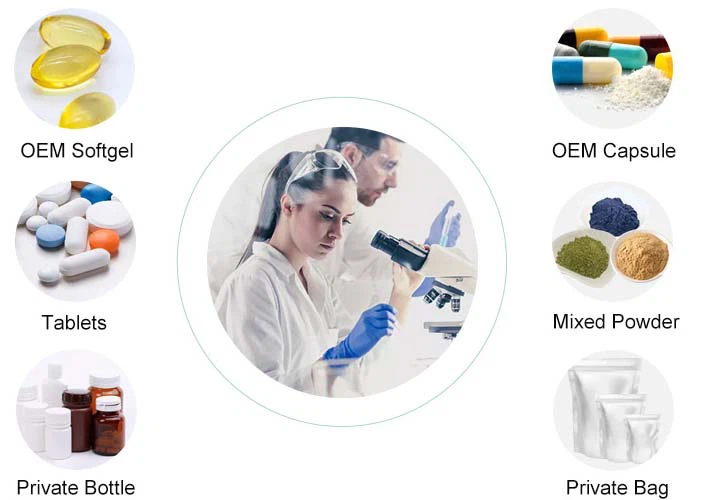
- Finished Products: In-house manufacturing of capsules, softgels, gummies, liquid drops, and blended powders.
- Label Design & Packaging: Custom branding tailored to your target market.
- Formulation & R&D: Expert support to develop custom blends, proprietary formulas, and innovative products.
- Global Logistics: Reliable shipping, documentation, and customs clearance support.
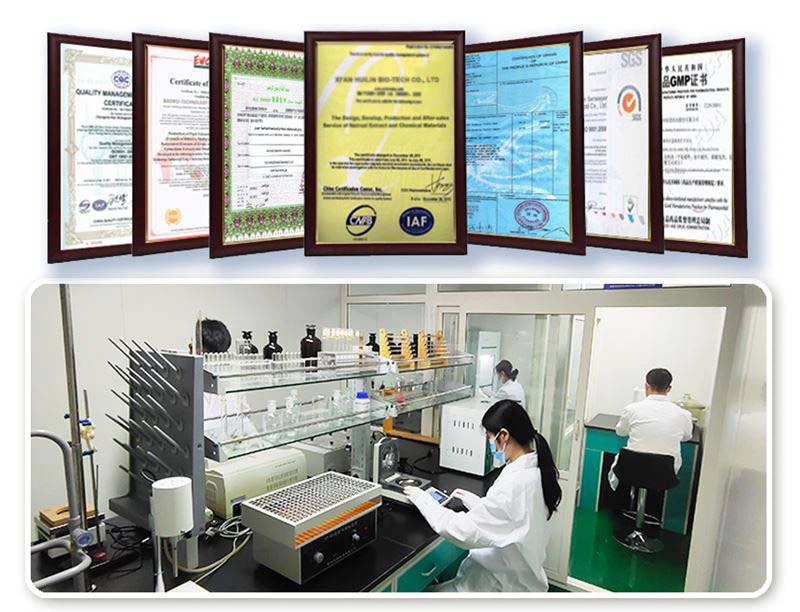
04. Quality Assurance
Strict adherence to cGMP standards and full regulatory transparency. We stay current with global requirements, including FDA GRAS, EFSA, and other regional regulations, to ensure your products meet the highest safety and compliance standards.
How to contact
Contact our sales team to discuss your Hyodeoxycholic Acid Powder requirements.
Please get in touch with us at ella.zhang@huilinbio-tech.com.



References
Disclaimer
For manufacturing and research use only. Not for human consumption. B2B info – not medical advice. Buyers must comply with regulations and obtain approvals. Specifications may change; verify current docs before ordering.
Hot Tags: hyodeoxycholic acid powder, China, suppliers, manufacturers, factory, wholesale, buy, price, bulk, pure, natural, high quality, in stock, for sale


