



Introduction to L‑Arabinose powder
L‑Arabinose is a naturally occurring pentose (five‑carbon) monosaccharide abundantly found in plant cell wall polysaccharides such as corn fiber, sugar beet pulp, gum arabic, and various fruits. It is a white to off‑white crystalline powder with a clean, sweet taste, approximately 50–60% that of sucrose, while contributing only about 0.3 calories per gram. L‑Arabinose is best known for its ability to selectively and uncompetitively inhibit intestinal sucrase, the enzyme that breaks down sucrose into glucose and fructose. Reducing sucrose‑derived glucose absorption, it helps attenuate postprandial blood glucose spikes. Additionally, L‑arabinose functions as a prebiotic, promoting beneficial gut bacteria such as Bifidobacteria and Lactobacilli.
Commercially produced via fermentation‑based biopurification from renewable corn fiber, L‑arabinose is supplied as a free‑flowing, spray‑dried, or crystalline powder. It exhibits excellent thermal and acid stability, making it suitable for a wide range of food, beverage, nutraceutical, cosmetic, and pharmaceutical applications. Its unique combination of sugar‑blocking activity, low caloric value, and prebiotic effects positions L‑arabinose as a versatile functional ingredient for modern health‑oriented formulations.
Certificate of Analysis (COA)
| Test Parameter | Specification | Typical Result | Method |
|---|---|---|---|
| Appearance | White to off‑white crystalline powder | Conforms | Visual Inspection |
| Identification (HPLC) | Retention time matches L‑arabinose standard | Conforms | HPLC |
| Assay (HPLC) | ≥98.0% – ≥99.0% (grade dependent) | 99.6% | HPLC |
| Loss on Drying | ≤1.0% | 0.1% | Gravimetric (105°C) |
| Residue on Ignition (Ash) | ≤0.1% | 0.025% | Gravimetric (550°C) |
| pH (5% solution) | 4.0 – 7.0 | 5.5 | pH Meter |
| Specific Optical Rotation | +100° to +105° (c=5, H₂O, 24h) | +103.2° | Polarimeter |
| Melting Point | 154 – 163°C | 155.3°C | Capillary Method |
| Chloride (Cl) | ≤0.005% | <0.001% | Turbidimetric |
| Sulfate (SO₄) | ≤0.005% | <0.002% | Turbidimetric |
| Heavy Metals (as Pb) | ≤10 mg/kg | <5 mg/kg | ICP‑MS |
| Lead (Pb) | ≤1 mg/kg | <0.5 mg/kg | AAS / ICP‑MS |
| Arsenic (As) | ≤1 mg/kg | <0.5 mg/kg | ICP‑MS |
| Mercury (Hg) | ≤0.5 mg/kg | <0.1 mg/kg | ICP‑MS |
| Cadmium (Cd) | ≤1 mg/kg | <0.1 mg/kg | ICP‑MS |
| Total Plate Count | ≤1000 CFU/g | <10 CFU/g | ISO 4833 |
| Yeast & Mold | ≤100 CFU/g | <10 CFU/g | ISO 21527 |
| Coliforms | ≤3 MPN/g | <3 MPN/g | MPN Method |
| E. coli | Negative (in 25 g) | Negative | ISO 7251 |
| Salmonella | Negative (in 25 g) | Negative | ISO 6579 |
| Storage Condition | Cool, dry place; room temperature | N/A | N/A |
| Shelf Life | 2 – 5 years from manufacture | N/A | Stability Study |
Note: A comprehensive lot‑specific Certificate of Analysis (COA) is provided with each shipment.
Manufacturing Process
- Raw Material Preparation – Corn fiber (or other hemicellulose‑rich biomass) is collected and pretreated.
- Enzymatic Hydrolysis – Hemicellulose is hydrolyzed using enzyme cocktails (xylanase, arabinofuranosidase) to release L‑arabinose and D‑xylose.
- Selective Fermentation – A specific yeast strain (Pichia anomala or Williopsis saturnus) is added to the hydrolysate. The yeast metabolizes D‑xylose and other sugars but not L‑arabinose, enriching the L‑arabinose content.
- Cell Removal – Yeast cells are removed by centrifugation or filtration.
- Decolorization & Deionization – The clarified solution is treated with activated carbon and passed through ion‑exchange resins to remove color, impurities, and ionic contaminants.
- Concentration – The purified solution is concentrated under reduced pressure.
- Crystallization – L‑arabinose is crystallized under controlled temperature and agitation.
- Drying & Milling – Crystals are separated, dried (loss on drying ≤1.0%), and milled to the desired particle size.
- QC Testing & Packaging – Each batch is tested per COA specifications, then packaged (e.g., 25 kg multi‑layer bags).
Key Properties & Benefits
L‑Arabinose delivers the following scientifically validated functional benefits:
1. Sucrase Inhibition (Sugar Blocking)
L‑Arabinose acts as a selective and uncompetitive inhibitor of intestinal sucrase, the enzyme responsible for hydrolyzing sucrose into glucose and fructose. By inhibiting sucrase activity, L‑arabinose reduces the absorption of glucose derived from sucrose, thereby attenuating postprandial blood glucose elevations.
Key Scientific Evidence:
A 2025 double‑blind, randomized, crossover clinical trial involving 18 adults with impaired fasting glucose (IFG) demonstrated that a single treatment of 10% w/w L‑arabinose added to a sucrose‑rich drink significantly reduced glucose peaks by 14% and insulin peaks by 30%, with corresponding delays of 10 and 32 minutes, respectively. Continuous glucose monitoring further revealed significant reductions in glycemic variability: standard deviation (–25%), coefficient of variation (–24%), and mean amplitude of glycemic excursions (–26%).
2. Prebiotic Activity (Gut Microbiota Modulation)
L‑Arabinose functions as a Microbiota‑Accessible Carbohydrate (MAC) that promotes the growth of beneficial gut bacteria. Research from Keio University demonstrated that when L‑arabinose and sucrose are consumed simultaneously, both function as MACs and act synergistically on specific gut bacteria to boost the production of acetate and propionate, short-chain fatty acids known as beneficial gut microbial metabolites, thereby improving gut microecology and suppressing diet‑induced obesity.
A 2021 review from Zhongshan Hospital, Fudan University, further confirmed that L‑arabinose can promote the proliferation of probiotics to improve intestinal microecology and plays a role in the prevention and management of functional constipation and inflammatory bowel disease.
3. Low Caloric Value
As a pentose sugar, L‑arabinose is poorly absorbed and minimally metabolized by the human body, providing only approximately 0.3 calories per gram (approximately 1/10th the caloric value of sucrose). This makes L‑arabinose an ideal low‑calorie sweetener and sugar substitute in reduced‑calorie food and beverage formulations.
4. Natural and Plant‑Derived
L‑Arabinose is naturally occurring and derived from renewable plant biomass (corn fiber, sugar beet pulp, gum arabic). It is a clean‑label, plant‑based ingredient fully compatible with vegan, Halal, Kosher, and Non‑GMO certification requirements.
5. High Stability and Compatibility
L‑Arabinose exhibits excellent thermal and acid stability, maintaining its functional properties during food processing operations, including baking, pasteurization, and sterilization. It is compatible with a wide range of food matrices, including beverages, dairy products, confectionery, baked goods, and dietary supplements.
6. Safe for Consumption
The safety of L‑arabinose has been extensively evaluated. A 28‑day subchronic oral toxicity study in rats administered doses up to 7200 mg/kg body weight/day found no mortality, morbidity, or adverse effects. The no‑observed‑adverse‑effect level (NOAEL) was established at 7200 mg/kg/day, the highest dose tested. In vitro genotoxicity studies (bacterial reverse mutation assay, mammalian chromosomal aberration study, and mammalian micronucleus study) confirmed that L‑arabinose is non‑mutagenic and non‑clastogenic.
7. Superior Organoleptic Profile
L‑Arabinose provides a clean, sweet taste with approximately 50–60% of the sweetness of sucrose, with no bitter aftertaste or off‑notes commonly associated with other alternative sweeteners. This enables formulators to achieve desirable sweetness profiles without compromising taste quality.
What is L-arabinose used for?
1. Food and Beverage Industry
L‑Arabinose is used as a functional ingredient in food and beverage applications:
- Low‑calorie sweetener – Provides approximately 50–60% of sucrose sweetness with only ~0.3 calories per gram, enabling sugar reduction in formulations without compromising taste.
- Sugar blocker (sucrase inhibitor) – When added to sucrose‑containing products, L‑arabinose helps reduce postprandial blood glucose spikes by inhibiting sucrose digestion and absorption.
- Prebiotic ingredient – Supports gut health by promoting the growth of beneficial bacteria, suitable for functional foods and gut‑health products.
- Formulation applications – Baked goods and baking mixes (improves texture and moisture retention); beverages and functional drinks (suspension stability); confectionery and frostings (modulates sweetness and crystallization); chewing gum (bulking agent); dairy products including frozen desserts, ice creams, and yogurts (texture enhancement); spreads, sweet sauces, and syrups; cereal‑based products; snack foods; fruit and water ices; desserts.
2. Dietary Supplements and Nutraceuticals
L‑Arabinose is formulated into dietary supplements targeting:
- Postprandial blood glucose management (often combined with chromium, cinnamon extract, or berberine)
- Weight management and metabolic health
- Gut health and digestive wellness
3. Cosmetic and Personal Care Industry
L‑Arabinose is incorporated into cosmetic and personal care formulations for its:
- Moisturizing properties – Acts as a humectant, improving skin hydration and texture
- Mild exfoliation – As a pentose sugar, L‑arabinose provides gentle exfoliating effects in scrubs and peels
- Texture enhancement – Improves rheological properties of creams, lotions, and serums
- Oral care products – Used in toothpaste and mouthwash formulations for their sweetening and prebiotic properties (supports oral microbiome health)
- Natural origin appeal – Meets consumer demand for plant‑based, clean‑label cosmetic ingredients
4. Pharmaceutical Industry
L‑Arabinose is utilized in pharmaceutical applications:
- Excipient – Functions as a filler, binder, or bulking agent in tablet and capsule formulations
- Controlled‑release matrix – Used in sustained‑release drug delivery systems
- Chiral synthesis intermediate – Serves as a starting material for the synthesis of antiviral drugs and other pharmaceutical compounds (L‑arabinose is an important intermediate for anti‑virus drug synthesis)
- Sugar‑free formulations – Provides sweetness without caloric contribution in sugar‑free pharmaceutical syrups and suspensions
5. Biotechnology and Research
- Carbon source – Serves as a fermentable carbon source in microbial fermentation processes for the production of biofuels, organic acids, and enzymes
- Arabinose operon inducer – Used in molecular biology to induce gene expression in E. coli arabinose operon systems (e.g., pBAD vectors) for recombinant protein expression
- Carbohydrate metabolism studies – Employed in research on sugar utilization pathways, metabolic disorders, and enzyme kinetics
- Microbial culture media – Components of specialized culture media for the selective growth of microorganisms
6. Animal Feed
L‑Arabinose is incorporated into animal feed formulations as a prebiotic to promote gut health in livestock and poultry, improving nutrient absorption and overall animal performance.

Frequently Asked Questions (FAQ)
Q: What is L‑arabinose, and how does it work?
A: L‑Arabinose is a naturally occurring pentose sugar found in corn fiber, fruits, and grains. It works primarily by selectively and uncompetitively inhibiting the enzyme sucrase in the small intestine. Sucrase is responsible for breaking down sucrose (table sugar) into glucose and fructose. By inhibiting sucrase, L‑arabinose reduces the absorption of glucose from sucrose‑containing foods, thereby helping to moderate postprandial blood glucose spikes.
Q: Is L‑arabinose a natural product?
A: Yes, L‑arabinose is naturally occurring. It is found in plant cell wall polysaccharides, including corn fiber, sugar beet pulp, rice bran, wheat bran, gum arabic, and various fruits. Commercially, L‑arabinose is produced from renewable plant biomass (primarily corn fiber) using fermentation and enzymatic technologies that mimic natural processes.
Q: What is the recommended dosage for L‑arabinose as a sugar blocker?
A: For functional applications as a sucrase inhibitor, L‑arabinose is typically used at levels of 3–6% relative to the sucrose content in the product. When added to a sucrose‑containing beverage, clinical studies have shown efficacy at 10% w/w L‑arabinose (i.e., 10 g L‑arabinose per 100 g sucrose) for postprandial glucose modulation. The recommended daily intake for general consumption is approximately 3–6% of sucrose intake. Experts consider daily doses up to 15 g safe.
Q: Is L‑arabinose safe for long‑term consumption?
A: Yes. L‑arabinose has been subjected to rigorous safety evaluations. A 28‑day subchronic oral toxicity study in rats found no adverse effects at doses up to 7200 mg/kg body weight/day, establishing the NOAEL at the highest tested dose. In vitro genotoxicity studies confirmed that L‑arabinose is non‑mutagenic and non‑clastogenic. It has been granted FDA GRAS status (GRN No. 782) and is approved as a "New Resource Food" in China (2008).
Q: Do you provide samples before bulk orders?
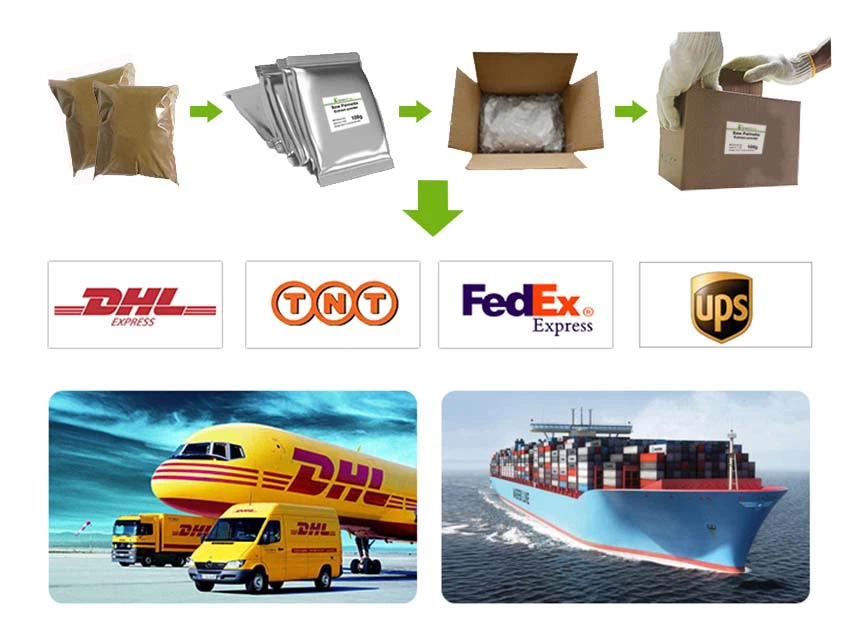
A: Yes. Free or low‑cost samples (250 g, 500 g, or 1 kg) are available for quality evaluation before bulk ordering. Sample freight charges may apply for international shipments. Please get in touch with our sales team to request a sample.
Q: Does L‑arabinose have any bitter aftertaste?
A: No. Unlike many alternative sweeteners (e.g., stevia, monk fruit, certain sugar alcohols), L‑arabinose has a clean, sweet taste profile with approximately 50–60% of the sweetness of sucrose and no bitter aftertaste or off‑notes, making it highly suitable for food and beverage applications where taste quality is critical.
Q: Is L‑arabinose suitable for diabetics?
A: L‑Arabinose may be beneficial for individuals concerned with blood glucose management. It reduces the glycemic response to sucrose by inhibiting its digestion and absorption. However, users should always consult with a healthcare professional before making dietary changes. L‑arabinose is not a substitute for prescribed diabetes medications.
Q: What are the main differences between L‑arabinose and other sugar blockers?
A: L‑Arabinose is a natural pentose sugar that specifically and selectively targets sucrase (the enzyme that breaks down sucrose). Other sugar blockers may target alpha‑amylase (the enzyme that digests starch) or act through broader mechanisms of action. L‑arabinose is highly effective specifically against sucrose‑derived glucose spikes, is naturally derived from plant sources, and provides additional prebiotic benefits that other blockers typically do not offer.
Why Choose Us?
Your Professional Manufacturing & Sourcing Partner
We are more than a supplier - we are a comprehensive supply chain partner dedicated to high-quality ingredients, custom formulations, and finished products across multiple industries.
Professional Expertise
With years of experience in plant extracts, food additives, cosmetic raw materials, and nutritional ingredients, our team brings deep technical knowledge and market insight to every partnership.
01
Diverse Product Range
We offer a broad range of products, including food additives, plant extracts, fruit & vegetable powders, cosmetic actives, and functional food ingredients.
02
One-Stop Shop
Raw Materials: High-purity ingredients for food, beverage, supplement, and cosmetic applications.
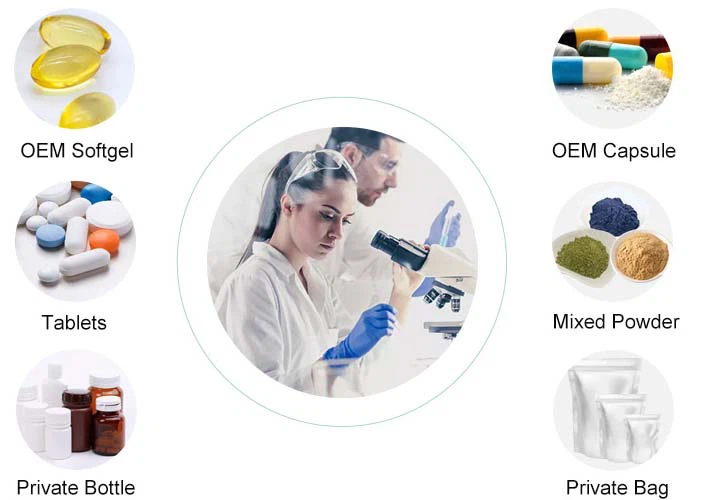
Finished Products: In-house manufacturing of capsules, soft gels, gummies, liquid drops, and blended powders.
03
OEM/ODM/OBM Services
Label Design & Packaging: Custom branding tailored to your target market.
Formulation & R&D: Expert support to develop custom blends, proprietary formulas, and innovative products.
Global Logistics: Reliable shipping, documentation, and customs clearance support.
04
Quality Assurance
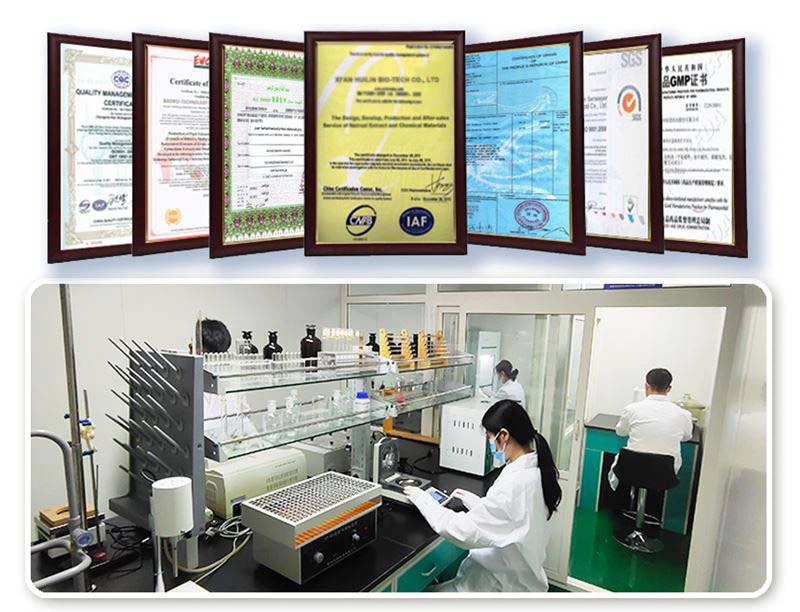
Strict adherence to GMP standards and full regulatory transparency. We stay current with global requirements, including FDA GRAS, EFSA, and other regional regulations, to ensure your products meet the highest safety and compliance standards.
05
Contact Us
Contact our sales team to discuss your requirements for L‑Arabinose Powder.
Please get in touch with us at ella.zhang@huilinbio-tech.com.


References
- Geng ZH, Cai MY, Zhou PH. Effects of L-arabinose on intestinal microecology and its clinical application. Chinese Journal of Clinical Medicine. 2021;28(6):1069-1073. DOI: 10.12025/j.issn.1008-6358.2021.20202183 – Supports sucrase inhibition (delaying postprandial blood glucose) and prebiotic activity (promoting probiotics, improving intestinal microecology).
- Effects of L-Arabinose on Glycemic Responses After the Consumption of Sucrose-Rich Foods in Individuals with Impaired Fasting Glucose: A Randomized Controlled Cross-Over Trial. The Journal of Nutrition. 2025;155(9):3030-3039. DOI: 10.1016/j.tjnut.2025.06.028 – Provides clinical evidence for sucrase inhibition: 10% w/w L‑arabinose reduced glucose peaks by 14% and insulin peaks by 30%, with significant reductions in glycemic variability.
- Tomioka S, Seki N, Kim YG, et al. Cooperative action of gut-microbiota-accessible carbohydrates improves host metabolic function. Cell Reports. 2022. DOI: 10.1016/j.celrep.2022.111048. Available at: https://www.cell.com/cell-reports/fulltext/S2211-1247(22)00889-0
- FDA GRAS Notice No. 782 – L‑arabinose. U.S. Food and Drug Administration. 2018. – Confirms safety and regulatory acceptance for use as a carbohydrate source, sucrose replacement, or sweetener replacement in various food categories.
- Genotoxicity and Repeat-Dose 28-day Oral Toxicological Evaluation of Sukré™, a Purified l‑Arabinose From Acacia Hydrolysate. International Journal of Toxicology. 2025. – GLP‑compliant safety evaluation establishing NOAEL at 7200 mg/kg/day and confirming non‑mutagenic, non‑clastogenic profile.
Hot Tags: l‑arabinose powder, China, suppliers, manufacturers, factory, wholesale, buy, price, bulk, pure, natural, high quality, in stock, for sale


