



Introduction
Creatine monohydrate is one of the most researched and scientifically proven dietary supplements. It is a naturally occurring compound found in red meat and fish, and the human body also produces it from amino acids. Creatine plays a key role in cellular energy production, especially in muscles and the brain.
Supplementing with creatine monohydrate increases the body's stores of phosphocreatine, which helps regenerate ATP - the main energy currency of cells - during high‑intensity activities like weightlifting or sprinting. Beyond sports performance, research shows creatine also supports muscle recovery, cognitive function, healthy aging, and may offer benefits for neurological and metabolic conditions [1][2].
Creatine monohydrate is generally recognized as safe (GRAS) in the United States (FDA GRN No. 931) and is not considered a novel food in the European Union, making it one of the most globally accepted nutritional ingredients.
Physicochemical Properties & Specifications
| Property | Value |
|---|---|
| CAS Number | 6020-87-7; anhydrous base: 57-00-1 |
| Molecular Formula | C₄H₉N₃O₂·H₂O |
| Molecular Weight | 149.15 g/mol |
| Appearance | White crystalline powder |
| Odor / Taste | Odorless; slightly bitter or tasteless |
| Melting Point | 292°C (decomposes); ~296–303°C |
| Solubility in Water | 13–16 g/L at 20°C |
| Loss on Drying | ≤ 12.0% |
| Assay Purity | 99.0% – 102.0% (USP, on dried basis) |
| Lead (Pb) | ≤ 0.001% (10 ppm) |
| Arsenic (As) | ≤ 0.0001% (1 ppm) |
| Heavy Metals (Total) | ≤ 10 ppm |
| Creatinine Content | ≤ 300 ppm |
| Dicyandiamide | ≤ 0.05% |
| Dihydrotriazine | Non‑detectable |
| Total Plate Count | ≤ 1000 cfu/g |
| Yeast & Molds | ≤ 100 cfu/g |
| E. coli | Negative per 1g |
| Salmonella | Negative per 25g |
| Particle Size Options | Fine powder (80–200 mesh), micronized (500 mesh), instantized (agglomerated) |
| Storage Conditions | Cool, dry place; keep container tightly closed; RT (15–30°C) |
| Shelf Life | 60 months (5 years) |
| GHS Classification | Not classified as hazardous at low concentrations |
Mechanism of Action
Creatine acts like an emergency backup battery for your cells. Here's how it works in four simple steps:
1. Your muscles run on ATP.
ATP (adenosine triphosphate) is the energy currency of every cell. During intense exercise (lifting, sprinting), you burn through ATP in seconds, turning it into ADP (the "dead" battery).
2. Phosphocreatine recharges ADP into ATP.
Your muscles store a reserve called phosphocreatine. An enzyme instantly transfers a phosphate from this reserve to ADP, making new ATP. This recharges the battery in less than a second.
3. More creatine means more reserve.
Supplementing with creatine monohydrate increases the amount of phosphocreatine stored in your muscles. A bigger reserve allows you to keep recharging ATP for longer - so you can lift heavier, do more reps, and recover faster between sets.
4. The brain also uses this system.
Your brain consumes massive amounts of ATP. Creatine supplementation can increase creatine levels in the brain, supporting memory, attention, and processing speed. This is especially helpful for older adults, vegetarians, or anyone under mental stress.
Take‑home: Creatine gives your muscles and brain a larger "energy tank" for short, intense bursts of activity.
Health Benefits
1 Increases Muscle Strength and Power
Creatine monohydrate is best known for improving performance during short‑duration, high‑intensity exercise. Meta‑analyses have confirmed that creatine supplementation significantly improves strength in key compound lifts such as the bench press and squat, as well as muscular power [3]. Long‑term creatine supplementation demonstrates a positive impact on muscle strength, muscle mass gain, and training performance, and offers additional therapeutic advantages for neurodegenerative diseases, type 2 diabetes, aging, and various chronic conditions [1].
2 Enhances Exercise Recovery and Reduces Muscle Damage
High‑intensity exercise causes microscopic damage to muscle fibers, leading to muscle soreness. Creatine supplementation helps by reducing markers of muscle damage (such as creatine kinase levels), lowering oxidative stress, and decreasing post‑exercise inflammation. It accelerates recovery between training sessions, allowing athletes to train harder and more frequently while feeling less sore.
3 Supports Brain Health and Cognitive Function
The brain consumes about 20% of the body's total energy, and neurons rely on ATP to fire and communicate. A 2024 systematic review and meta‑analysis of 16 randomized controlled trials found that creatine monohydrate supplementation had significant positive effects on memory and attention time, as well as significantly improved information processing speed [4]. The study concluded that current evidence suggests creatine monohydrate may confer beneficial effects on cognitive function in adults, particularly in the domains of memory, attention, and information processing speed.
4 Benefits for Older Adults and Supports Healthy Aging
As people age, preserving muscle mass and bone density becomes increasingly important. Creatine monohydrate, primarily when combined with exercise training, has beneficial effects on whole‑body lean body mass, regional muscle size, muscle strength, bone area and thickness, functional ability, glucose kinetics, cognition, and memory in older adults. It has potential applications for treating age‑related sarcopenia, osteoporosis, frailty, and those with metabolic and neuromuscular disorders [2].
5 Provides Anti‑Inflammatory Effects
Beyond boosting energy metabolism, creatine has been shown to exhibit anti‑inflammatory properties. This helps explain why creatine supplementation is beneficial in conditions involving chronic inflammation, including sarcopenia and certain neuromuscular disorders.
6 Is Safe for Long‑Term Use
A 2025 systematic review and meta‑analysis of 21 studies concluded that creatine supplementation is associated with a modest, transient increase in serum creatinine levels, likely due to metabolic turnover rather than renal impairment. No significant changes were observed in glomerular filtration rate (GFR), suggesting preserved kidney function [5]. Creatine monohydrate remains one of the safest dietary supplements available when used at recommended doses.
Applications
1 Dietary Supplements
Creatine monohydrate powder is the backbone ingredient for pre‑workout formulas (often combined with caffeine, beta‑alanine, and citrulline), post‑workout recovery blends (paired with protein and carbohydrates), standalone muscle‑building supplements, weight gainers and mass gainers, strength formulas for powerlifters and bodybuilders, and ready‑to‑drink liquid formulas. Typical daily dosages range from 3–5 g for maintenance up to 20 g for short‑term loading phases (5–7 days). Micronized and instantized formats are specifically designed for easy mixing into cold liquids without clumping.
2 Functional Foods and Beverages
Creatine monohydrate is used to fortify protein bars and protein powders, meal replacement bars and powders, energy drinks and ready‑to‑drink beverages, fruit‑flavored powdered drink mixes, instantized smoothie mixes, dairy‑free milk alternatives, nutritional shakes for clinical nutrition, and meat analogs. The FDA‑notified GRAS use level is 1.2 g per serving (1.0 g creatine).
3 Pharmaceutical Formulations
Pharmaceutical‑grade creatine monohydrate serves as a therapeutic agent for muscle phosphorylase deficiency (McArdle disease) and gyrate atrophy, and is used in clinical formulations for cachexia and sarcopenia, neuromuscular disorders, rehabilitation settings (post‑injury, post‑surgery, stroke recovery), and pediatric formulas for metabolic conditions.
4 Animal Nutrition and Pet Food
Feed‑grade creatine monohydrate is added to livestock and poultry feed, aquaculture feed, equine supplements, pet food (active dogs, senior pets), and specialty veterinary therapeutic diets.
5 Cell Culture and Biotechnology Research
High‑purity creatine monohydrate is used in mammalian cell culture media for energy metabolism studies and muscle cell differentiation research, neuroscience research, metabolic disease studies, and as HPLC reference standards.
6 Cosmetics and Personal Care
Creatine monohydrate is increasingly used in anti‑aging skin creams, hair growth formulas, and post‑exercise skin recovery formulations for its antioxidant and cellular energy‑supporting properties.
Frequently Asked Questions (FAQ)
Q: Why choose micronized or instantized creatine over standard creatine?
A: Standard creatine monohydrate dissolves slowly and can feel gritty in cold water. Micronized creatine (500 mesh or finer) has a much smaller particle size, which increases surface area and allows it to disperse easily without settling. Instantized (agglomerated) creatine is specially processed-often with food‑grade emulsifiers like lecithin-to create a porous structure that wets almost instantly when it hits water, dissolving much faster. Both forms provide the same raw creatine content but dramatically improve mouthfeel, mixing time, and user experience-leading to higher repeat purchase rates for RTD beverages and mix‑in powders.
Q: Is creatine safe for the kidneys?
A: Yes. A 2025 systematic review and meta‑analysis of 21 studies concluded that creatine supplementation is associated with a modest, transient increase in serum creatinine levels, likely due to the natural breakdown of creatine in muscles rather than actual kidney damage. The same review found no statistically significant differences in glomerular filtration rate (GFR)-the gold standard measure of kidney function-between creatine users and control groups, indicating preserved kidney function in healthy individuals [5]. For individuals with pre‑existing kidney disease, consultation with a physician is recommended.
Q: What purity grades and particle sizes do you offer?
A: We offer three grades: USP/EP/FCC (99.0–102.0% purity), Pharmaceutical Grade (99.9% purity), and Feed Grade, with particle size options including 80–200 mesh fine powder for capsules and tablets, 500 mesh micronized (the most popular for sports nutrition that mixes easily in cold liquids), and instantized (agglomerated) which dissolves almost instantly and is ideal for RTD beverages. All batches are tested for purity, heavy metals, microbial contaminants, and more, and a Certificate of Analysis is included with every shipment.
Q: What packaging options are available?
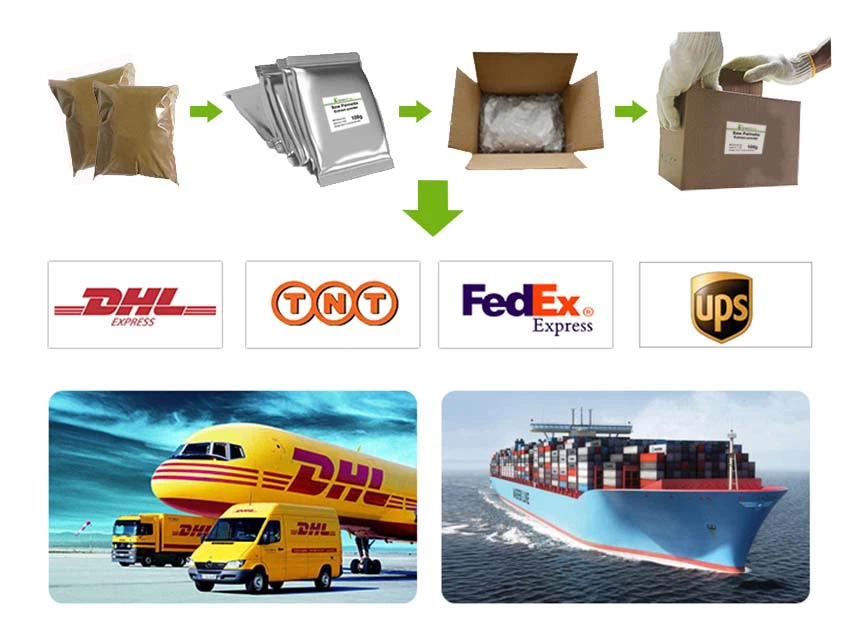
A: Plastic-lined woven bags (25 kg), fiber drums (25 kg), cardboard cartons (25 kg, 20 kg, or 10 kg), and customized packaging.
Q: What is your lead time for bulk orders?
A: Standard bulk orders (≥25 kg) typically ship within 10–15 business days after order confirmation and payment.
Q: Do you offer custom blends or private‑label packaging?
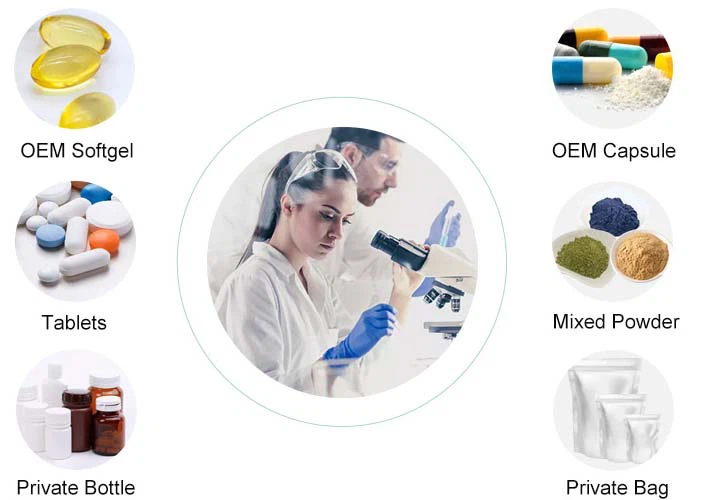
A: Yes. We offer custom micronization, custom blending with other ingredients (premix SKUs include creatine + beta‑alanine + citrulline malate, creatine + electrolytes, creatine + glutamine, creatine + vegan protein, etc.), private‑label retail packaging (individual serving stick packs, resealable pouches, tubs), and finished goods contract manufacturing.
Why Choose Us?
Your Professional Manufacturing & Sourcing Partner
We are more than a supplier - we are a comprehensive supply chain partner dedicated to high-quality ingredients, custom formulations, and finished products across multiple industries.
Professional Expertise
With years of experience in plant extracts, food additives, cosmetic raw materials, and nutritional ingredients, our team brings deep technical knowledge and market insight to every partnership.
01
Diverse Product Range
We offer a broad range of products, including food additives, plant extracts, fruit & vegetable powders, cosmetic actives, and functional food ingredients.
02
One-Stop Shop
Raw Materials: High-purity ingredients for food, beverage, supplement, and cosmetic applications.
Finished Products: In-house manufacturing of capsules, soft gels, gummies, liquid drops, and blended powders.
03
OEM/ODM/OBM Services
Label Design & Packaging: Custom branding tailored to your target market.
Formulation & R&D: Expert support to develop custom blends, proprietary formulas, and innovative products.
Global Logistics: Reliable shipping, documentation, and customs clearance support.
04
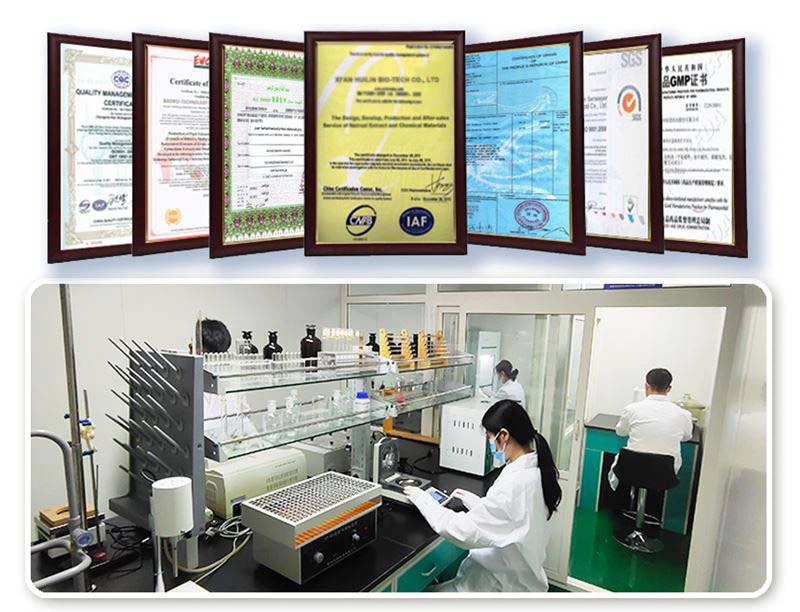
Quality Assurance
Strict adherence to GMP standards and full regulatory transparency. We stay current with global requirements, including FDA GRAS, EFSA, and other regional regulations, to ensure your products meet the highest safety and compliance standards.
05
Act Now
Ready to boost your sports nutrition or functional food line with high‑quality Creatine Monohydrate Powder?
Contact us today for:
- Certificate of Analysis (COA) and Material Safety Data Sheet (MSDS)
- Custom packaging options (micronized, instantized, or custom blends)
- Free samples for formulation testing
Please contact us at ella.zhang@huilinbio-tech.com.


References
Hot Tags: creatine monohydrate powder, China, suppliers, manufacturers, factory, wholesale, buy, price, bulk, pure, natural, high quality, in stock, for sale


