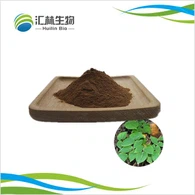

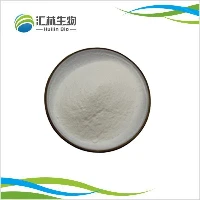
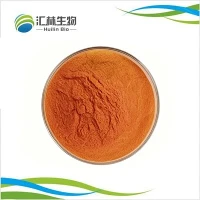
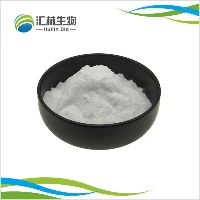


Introduction: What is Sinapic Acid?
Sinapic Acid (also known as Sinapinic Acid) is a naturally occurring hydroxycinnamic acid derivative, a class of potent phenolic compounds widely distributed in the plant kingdom.
It is characterized by its distinctive chemical structure featuring a cinnamic acid backbone with 3,5-dimethoxy and 4-hydroxyl substitutions on the phenyl ring. This structure is key to its biological activity.
This compound is notably found in a variety of botanical sources. It is present in citrus fruits like oranges and grapefruits, cranberries, and is particularly abundant in oilseed crops such as rapeseed, mustard seed, and canola. In traditional Chinese medicine, it is recognized as an active component in the seeds of white mustard (Brassica alba) and brown mustard (B. juncea).
Today, high-purity Sinapic Acid Powder is isolated for use as a standardized research chemical and a promising bioactive ingredient for health and wellness applications, leveraging the multifaceted benefits demonstrated in modern pharmacological studies.

Biochemical & Physical Parameters
| Parameter | Description / Value |
|---|---|
| Physical Form | Crystalline Powder |
| Melting Point | 203 - 205 °C |
| Solubility | Sinapic acid solubility: Soluble in hot ethanol; slightly soluble in water and diethyl ether. Computational models estimate water solubility at approximately 1.54 mg/mL. |
| Density | ~1.307 g/cm³ |
| Storage Conditions | Crucial for stability: Store in a tightly sealed, light-proof container at 2-8°C (refrigerated) or -20°C for long-term storage. Solutions should be prepared fresh or aliquoted and frozen. |
| Pharmacokinetic Profile | Predicted to have high gastrointestinal absorption but low blood-brain barrier permeation. |
Mechanism of Action: A Multi-Target Bioactive Phenolic
Sinapic Acid exerts its wide-ranging biological effects through several interconnected and potent mechanisms, making it a compound of significant research interest:
- Potent Antioxidant Activity: This is one of its foundational actions. Sinapic Acid effectively scavenges free radicals and reactive oxygen species (ROS). Its phenolic structure allows it to donate hydrogen atoms, neutralizing oxidative molecules before they can damage lipids, proteins, and DNA in cells.
- Anti-Inflammatory Signaling Modulation: It downregulates key pro-inflammatory pathways. Research indicates it can inhibit the activation of the NF-κB signaling cascade and reduce the production of inflammatory mediators like cytokines (e.g., TNF-α, IL-6) and enzymes (e.g., COX-2).
- Cellular Protection and Apoptosis Regulation: Beyond general antioxidant effects, Sinapic Acid demonstrates specific neuroprotective, cardioprotective, and hepatoprotective qualities in preclinical models. It is shown to support cell survival by mitigating oxidative stress-induced damage and modulating apoptotic (programmed cell death) pathways.
- Enzyme Inhibition and Metabolic Effects: It influences various enzymatic processes, contributing to its potential anti-diabetic and anti-hypertensive properties. This includes modulating carbohydrate-metabolizing enzymes and angiotensin-converting enzyme (ACE) activity.
Key Benefits of Sinapic Acid Powder
|
Choosing high-purity Sinapic Acid Powder offers distinct advantages for research and product development:
Primary Applications
Sinapic Acid Powder is a versatile ingredient with growing potential across several sectors: 1. Biomedical and Nutraceutical Research:
2. Dietary Supplement and Functional Food Development:
3. Cosmeceutical and Skincare Formulations:
4. Analytical and Synthetic Chemistry:
|
FAQ: Frequently Asked Questions
Q: What is the primary natural source for Sinapic Acid?
A: Sinapic Acid is widely distributed in plants. Rich sources include cruciferous seeds (like mustard and rapeseed), citrus fruits, berries, and various grains and vegetables.
Q: How should I store Sinapic Acid Powder and its solutions?
A: The powder must be stored away from light and moisture in a sealed container at 2-8°C. For solutions, it is recommended to prepare them fresh. If necessary, aliquot and store at -20°C, where they may remain stable for up to two weeks. Always allow frozen solutions to equilibrate to room temperature before opening.
Q: Is Sinapic Acid considered safe?
A: Current pharmacological research indicates a favorable safety profile. As a natural dietary component, it is generally well-tolerated. However, as a concentrated research chemical, standard laboratory safety procedures should always be followed. It is classified as an irritant (Xi) and can be irritating to eyes, skin, and the respiratory system.
Q: What is the difference between Sinapic Acid and similar compounds like Ferulic Acid?
A: Both are hydroxycinnamic acids and share a core structure. The key difference lies in the methoxy substitutions on the phenyl ring. Sinapic Acid has two methoxy groups (at positions 3 and 5), while Ferulic Acid has only one (at position 3). This slight structural difference can influence their antioxidant potency, solubility, and specific biological interactions.
Q: Can Sinapic Acid be used in cell culture studies?
A: Yes, it is frequently used in in vitro research. Due to its limited water solubility, stock solutions are typically prepared in DMSO or ethanol and then diluted into the culture medium. Final solvent concentrations must be kept below levels toxic to cells (typically <0.1% v/v for DMSO).
Contact Us
Unlock the potential of this versatile natural phenolic in your research or product development.
Request a Quote & Sample: Contact us for competitive pricing on bulk quantities and to request analytical data (CoA) for our premium Sinapic Acid Powder (CAS 530-59-6).
Global Compliance & Shipping: We supply a quality product that meets international standards, ensuring smooth delivery to your research or production facility.
Please contact us at ella.zhang@huilinbio-tech.com.


Hot Tags: sinapic acid powder, China, suppliers, manufacturers, factory, wholesale, buy, price, bulk, pure, natural, high quality, in stock, for sale