



What is Pyridoxine Hydrochloride (Vitamin B6)?
Vitamin B6 (pyridoxine) is a water-soluble vitamin essential for human physiology, playing a fundamental role in numerous metabolic processes throughout the body. The biologically active form, pyridoxal 5'-phosphate (PLP), serves as a coenzyme in over 160 distinct enzymatic activities primarily involved in amino acid, carbohydrate, and lipid metabolism [2][8]. Unlike many other vitamins, vitamin B6 cannot be synthesized by the human body and must be obtained through dietary intake or supplementation. Deficiency can arise from poor diet, malabsorption, chronic alcoholism, renal disease, and interactions with certain medications such as isoniazid and antiepileptic drugs.
Why Choose Pyridoxine Hydrochloride?
Pyridoxine hydrochloride is the most stable, cost-effective, and widely used form of vitamin B6 for bulk powder applications. It is the preferred form for food fortification, dietary supplements, and pharmaceutical formulations globally because of its excellent water solubility, high bioavailability, and well-established regulatory approval. It is generally recognized as safe (GRAS) by the U.S. Food and Drug Administration under 21 CFR §184.1676 and complies with USP, EP, FCC, and food-grade specifications.
Biochemical & Physical Parameters
| Property | Value |
|---|---|
| CAS Number | 58-56-0 |
| EC Number (EINECS) | 200-386-2 |
| Molecular Formula | C₈H₁₂ClNO₃ |
| Molecular Weight | 205.64 g/mol |
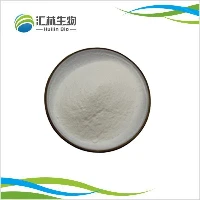
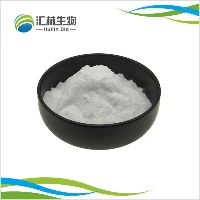
| Appearance | White to off-white crystalline powder |
| Odor / Taste | Odorless, tasteless |
| Melting Point | 205 – 214°C (decomposes) |
| Solubility in Water | 1 g dissolves in approximately 4.5 mL water – clear, colorless to pale yellow solution; ≥50 mg/mL (243 mM) |
| Solubility in Alcohol | 1 g dissolves in approximately 90 mL ethanol |
| Solubility in DMSO | ≥50 mg/mL (243 mM) |
| Insolubility | Ether, chloroform, acetone |
| Density | 0.8 g/cm³ |
| pH (5% aq. solution) | 2.3 – 3.5 |
| Loss on Drying | ≤0.5% |
| Sulphated Ash / Residue on Ignition | ≤0.1% |
| Heavy Metals (Pb) | ≤0.003% |
| Chloride Content | 16.9 – 17.6% (dried basis) |
| Assay (NT/HPLC) | 98.0 – 102.0% (on dried basis) |
| Storage Temperature | Room temperature (8–25°C / +4 to +30°C) |
| Storage Conditions | Cool, dry area, protected from light, keep container tightly closed |
| Shelf Life | 60 months |
| GHS Hazard Classification | GHS05 (Causes serious eye damage); standard laboratory precautions apply |
Mechanism of Action
Vitamin B6 works as a versatile "helper molecule" (coenzyme) for more than 160 enzymes in the body, mainly through its active form called pyridoxal 5'-phosphate (PLP). Think of PLP as the active workhorse that allows these enzymes to do their jobs properly.
How It Works:
1. Amino Acid Processing – PLP acts as a cofactor for enzymes that build, break down, and convert amino acids. The most important reactions are transamination, which allows the body to transform one amino acid into another, and decarboxylation, which helps produce essential neurotransmitters.
2. Neurotransmitter Synthesis – PLP helps enzymes create key brain chemicals that regulate mood, sleep, and cognitive function. For example, it is required for making serotonin (the "feel-good" neurotransmitter) and dopamine (involved in motivation and pleasure), as well as GABA (which calms the nervous system).
3. Homocysteine Regulation – PLP is involved in the metabolism of homocysteine, an amino acid that, when present in high levels, can damage blood vessels and increase cardiovascular risk. Vitamin B6 helps keep homocysteine levels within a healthy range.
4. Glycogen Breakdown – PLP works with an enzyme called glycogen phosphorylase to break down stored glycogen into glucose, providing energy when the body needs it.
5. Immune Function – Vitamin B6 is necessary for the production of antibodies and the proper functioning of immune cells, helping the body fight infections.
In a Nutshell: Vitamin B6 is like a master key that unlocks hundreds of chemical reactions in your body – it helps digest proteins, supports mood and brain function, protects your heart, produces energy, and keeps your immune system strong.
Health Benefits
1 Supports Nervous System and Brain Function
Vitamin B6 is essential for normal brain development and for keeping the nervous system healthy. As a required cofactor for enzymes involved in neurotransmitter synthesis, B6 supports the production of key brain chemicals such as serotonin, dopamine, and GABA, which regulate mood, sleep, and cognitive function. Adequate levels of vitamin B6 can help improve mood, reduce symptoms of depression, and enhance cognitive performance. The vitamin also supports myelin formation – the protective sheath around nerve fibers that enables rapid nerve impulse transmission.
2 Promotes Cardiovascular Health
Vitamin B6 helps regulate levels of homocysteine, an amino acid associated with heart disease. Elevated plasma homocysteine is recognized as an independent risk factor for cardiovascular disease, and vitamin B6 (together with folate and B12) facilitates the conversion of homocysteine to methionine, thereby helping maintain healthy homocysteine levels. A meta-analysis has shown that individuals with low vitamin B6 levels have a 1.5-fold increased risk of cardiovascular disease.
3 Boosts Immune Function
Vitamin B6 supports immune function by aiding in the formation of antibodies and maintaining lymphoid organs, thus contributing to overall health and disease avoidance. It is critical for the proper functioning of immune cells and helps the body mount an effective response against infections.
4 Supports Energy Metabolism
As a cofactor in glycogen breakdown and numerous metabolic pathways, vitamin B6 plays a key role in converting carbohydrates, proteins, and fats into usable cellular energy. Individuals with B6 deficiency often experience fatigue and weakness; supplementation helps restore normal energy levels.
5 Contributes to Heme and Red Blood Cell Production
Vitamin B6 is required for the synthesis of heme, the iron-containing component of hemoglobin in red blood cells. Adequate levels of vitamin B6 help prevent certain types of anemia and support healthy red blood cell production.
6 Modulates Inflammation and Reduces Oxidative Stress
Vitamin B6 possesses antioxidant properties and has the ability to lower advanced glycation end product (AGE) levels. It plays a role in reducing oxidative stress and inhibiting inflammation, which are underlying factors in many chronic diseases.
7 Supports Pregnancy and Hormone Regulation
Vitamin B6 is recognized for its role in managing nausea during pregnancy, often referred to as "morning sickness". It also plays a role in hormone regulation and has been used therapeutically in managing premenstrual syndrome symptoms.
Summary of clinical evidence: A 2025 review in the Journal of Future Foods confirms vitamin B6's role in regulating homocysteine metabolism, reducing oxidative stress, inhibiting inflammation, and promoting DNA repair, with significant impacts on cardiovascular disease, diabetes, neurodegenerative disorders, and COVID-19-related complications. A 2021 PMC review further highlights its involvement in over 150 biochemical reactions across carbohydrate, lipid, amino acid, and nucleic acid metabolism. Additionally, a 2025 pharmacological review published in the Saudi Journal of Medical and Pharmaceutical Sciences details vitamin B6's essential role in neurotransmitter synthesis, amino acid metabolism, and its FDA-approved use for nausea in pregnancy.
Applications
1 Dietary Supplements
High-purity Vitamin B6 powder is a core ingredient in multivitamin tablets and capsules, standalone B6 supplements, sublingual sprays, liquid drops, gummy vitamins, and effervescent tablets. Populations with dietary restrictions, metabolic disorders, or increased nutritional needs need to prevent deficiencies.
2 Functional Foods and Beverages
Pyridoxine hydrochloride is widely used to fortify breakfast cereals, cereal bars, nutritional beverages, energy drinks, protein powders, dairy products, milk alternatives, bakery products, and nutritional solid beverages. FCC grade meets Food Chemical Codex requirements and is suitable for all food, beverage, and nutritional supplement applications.
3 Pharmaceutical Formulations
USP-grade vitamin B6 powder serves as an active pharmaceutical ingredient (API) in intramuscular injection solutions, oral tablets, and combination drug products. It is used to treat conditions such as pyridoxine-dependent epilepsy, peripheral neuropathy, certain types of anemia, and isoniazid overdose, and is FDA-approved in a combination product for nausea in pregnancy.
4 Infant Formula
Pyridoxine hydrochloride may be used in infant formula for neurological development in accordance with section 412(g) of the Federal Food, Drug, and Cosmetic Act.
5 Animal Feed and Pet Food
Vitamin B6 is an essential nutrient for all animal species and is a standard ingredient in complete and balanced pet foods. Feed grade (>99% purity) is used in mash feed, pelleted feed, expanded feed, and extruded feed for swine, poultry, ruminants, aquaculture, and companion animals. Dosage typically ranges from 3–10 mg/kg of feed depending on the species.
6 Cell Culture and Biotechnology Research
High-purity vitamin B6 (≥98%) is used in mammalian cell culture media, microbiological assays, and fermentation media for research purposes.
7 Cosmetics and Personal Care
Pyridoxine hydrochloride is incorporated into anti-aging serums, creams, skincare products, and hair formulations for its skin-nourishing properties, promoting healthy skin and reducing signs of aging.
Frequently Asked Questions (FAQ)
Q: What is the difference between pyridoxine hydrochloride and other forms of vitamin B6?
A: Vitamin B6 refers to a group of six water-soluble compounds, including pyridoxal (PL), pyridoxamine (PM), pyridoxine (PN), and their 5'-phosphates. Pyridoxine hydrochloride is the synthetic, most stable form of vitamin B6, widely used in supplements and food fortification because it remains potent for years under proper storage. The body converts pyridoxine into the active coenzyme pyridoxal 5'-phosphate (PLP), which participates in biochemical reactions. Pyridoxine hydrochloride is preferred for bulk applications due to its stability, water solubility, and cost‑effectiveness.
Q: Is this product compliant with global food and supplement regulations?
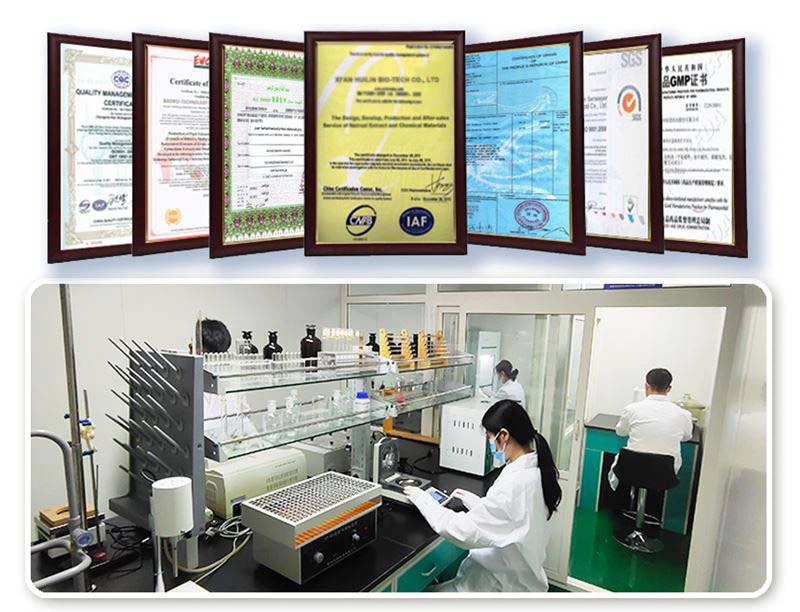
A: Yes. Our Pyridoxine Hydrochloride powder is manufactured in GMP‑certified facilities.
Q: Can I receive a sample before placing a bulk order?
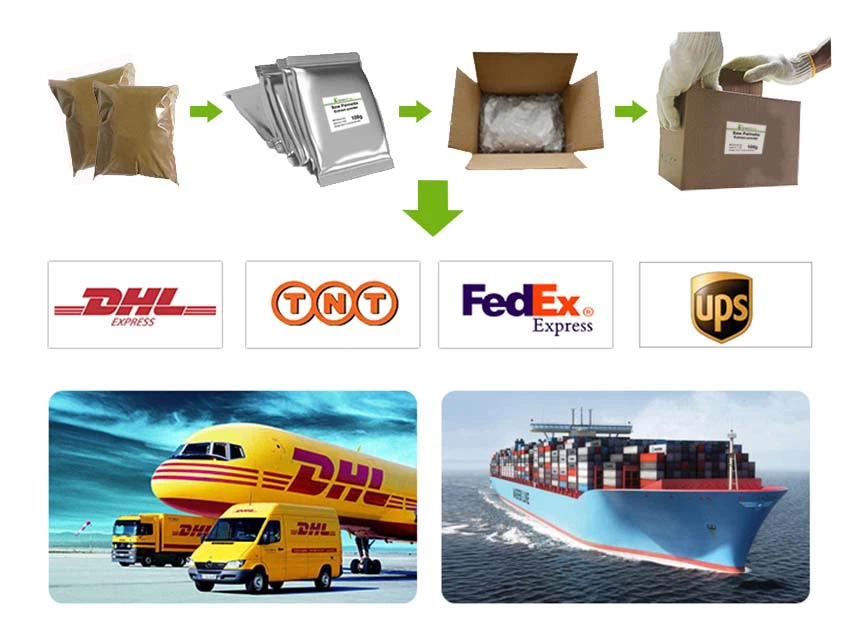
A: Yes. We offer laboratory‑scale samples (typically 10–100g) for quality evaluation, formulation development, and analytical testing. Sample orders can be shipped within 3–5 business days.
Q: What packaging options are available?
A: Aluminum foil bags (1–5 kg), sealed plastic drums (10–25 kg), fiber drums (25–50 kg), and customized packaging upon request.
Q: What documentation do you provide with each shipment?
A: Every shipment includes a Certificate of Analysis (COA), Technical Data Sheet (TDS), Safety Data Sheet (SDS), Material Safety Data Sheet (MSDS), specification sheet, etc.
Q: What is your lead time for bulk orders?
A: For standard bulk orders (≥25 kg), lead time is typically 10–15 business days after order confirmation and payment.
Q: Do you offer custom particle size or encapsulation services?
A: Yes. We offer custom micronization, microencapsulation, custom premixes with other vitamins and minerals, and spray‑dried formulations. Please contact our technical team to discuss your specific formulation requirements.
Q: How is Vitamin B6 industrially produced?
A: Vitamin B6 (pyridoxine hydrochloride) is primarily manufactured through chemical synthesis, as humans and higher organisms cannot synthesize it. Although yeasts and bacteria can produce vitamin B6, industrial production relies on synthetic methods to achieve high purity and cost‑effectiveness for global supply. The product is then purified, crystallized, and tested to meet pharmacopeia specifications prior to release.
Why Choose Us?
Your Professional Manufacturing & Sourcing Partner
We are more than a supplier - we are a comprehensive supply chain partner dedicated to high-quality ingredients, custom formulations, and finished products across multiple industries.
Professional Expertise
With years of experience in plant extracts, food additives, cosmetic raw materials, and nutritional ingredients, our team brings deep technical knowledge and market insight to every partnership.
01
Diverse Product Range
We offer a broad range of products including food additives, plant extracts, fruit & vegetable powders, cosmetic actives, and functional food ingredients.
02
One-Stop Shop
Raw Materials: High-purity ingredients for food, beverage, supplement, and cosmetic applications.
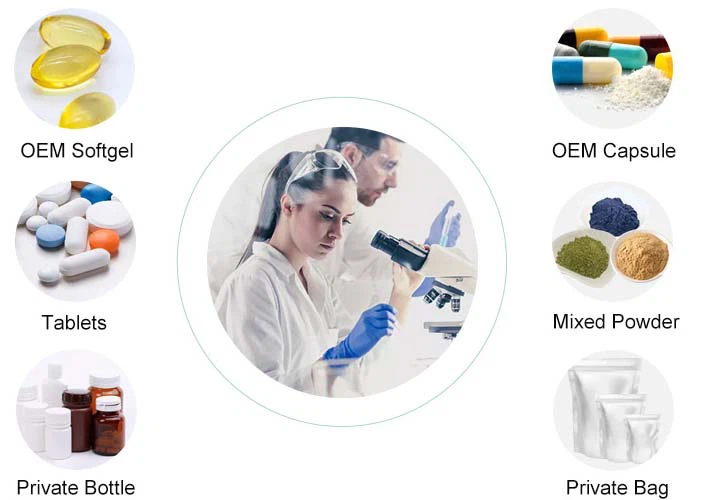
Finished Products: In-house manufacturing of capsules, soft gels, gummies, liquid drops, and blended powders.
03
OEM/ODM/OBM Services
Label Design & Packaging: Custom branding tailored to your target market.
Formulation & R&D: Expert support to develop custom blends, proprietary formulas, and innovative products.
Global Logistics: Reliable shipping, documentation, and customs clearance support.
04
Quality Assurance
Strict adherence to GMP standards and full regulatory transparency. We stay current with global requirements including FDA GRAS, EFSA, and other regional regulations to ensure your products meet the highest safety and compliance standards.
05
Act Now
Ready to formulate with premium Pure Vitamin B6 Powder?
- Request a Quote or Sample
- Request Documentation: COA, TDS, SDS, or regulatory compliance documents
- Bulk Orders & Contract Manufacturing: Inquire about volume discount schedules and long-term supply agreements.
- Sample Policy: Lab-scale samples (10–100g) available for formulation development and quality evaluation.
Please contact us at ella.zhang@huilinbio-tech.com.


References
Hot Tags: vitamin b6 (pyridoxine hydrochloride) powder, China, suppliers, manufacturers, factory, wholesale, buy, price, bulk, pure, natural, high quality, in stock, for sale, L Ascorbic Acid Powder Vitamin C, Vitamin H Biotin Powder, Pigment Powder, Vitamin Series, Vitamin B3 Niacinamide Powder


