

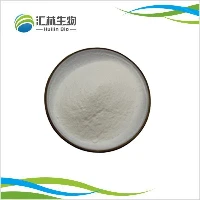
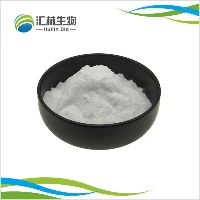


Introduction to Anhydrous Citric Acid
Citric Acid (E330) is the most widely used organic acid and pH‑control agent in foods, beverages, pharmaceuticals, and technical applications. It is a naturally occurring tricarboxylic acid found in citrus fruits and is produced commercially by fermentation of carbohydrate solutions using non‑toxicogenic strains of Aspergillus niger or Candida spp.
Anhydrous Citric Acid (CAS 77‑92‑9) is the water‑free form, containing no water of crystallisation and having a molecular weight of 192.13 g/mol. It is distinguished from Citric Acid Monohydrate (CAS 5949‑29‑1), which contains one molecule of water of crystallisation. Anhydrous citric acid is preferred for applications requiring low moisture content, such as dry powder blends, effervescent tablets, and moisture‑sensitive formulations, because it provides greater stability and prevents moisture‑related degradation. Both forms have the same functional properties and are interchangeable in most aqueous applications after accounting for the water content difference.
Physical & Chemical Parameters
| Parameter | Specification |
|---|---|
| Appearance | White or colourless, odourless, crystalline powder |
| Assay (C₆H₈O₇, on anhydrous basis) | 99.5% – 100.5% |
| Water (Anhydrous, Karl Fischer) | ≤0.5% |
| Sulphated Ash | ≤0.05% |
| Lead (Pb) | ≤0.5 mg/kg |
| Oxalate | Passes test (≤100 mg/kg) |
| Readily Carbonizable Substances | Passes test |
| Sulfates | ≤150 mg/kg |
| Solubility | Very soluble in water; freely soluble in ethanol; slightly soluble in ether |
| Melting Point (anhydrous) | 153°C (decomposition) |
| pH (1% aqueous solution) | 2.2 – 2.5 |
| Bulk Density | 0.75 – 0.85 g/mL (typical) |
| Particle Size | 100% through 40 mesh; customizable to 80/100 mesh |
Citric Acid benefits
- Natural Acidulant & Flavour Enhancer: Provides a sharp, refreshing tart taste that enhances flavour profiles in foods and beverages while masking unpleasant medicinal or metallic notes.
- Antioxidant Synergist: Acts as a synergist for antioxidants by chelating pro‑oxidant metal ions (e.g., copper, iron), thereby preventing oxidative rancidity and extending product shelf life.
- Effective Preservative: Lowers pH to inhibit the growth of spoilage microorganisms and pathogens, functioning as a natural preservative in a wide range of food products.
- Chelating Agent (Sequestrant): Binds trace metal ions, preventing discolouration, off‑flavours, and texture degradation in processed foods and beverages.
- Enhances Mineral Bioavailability: Citric acid increases the absorption of minerals such as calcium in the gut. Calcium citrate, for example, does not require stomach acid for absorption.
- Supports Bone Health: Citrate influences bone strength, stability, and regeneration, helping bones stay strong and less prone to fractures.
- Prevents Kidney Stones: In the form of potassium citrate, citric acid prevents new kidney stone formation and breaks apart those already formed by increasing urine citrate and reducing urine acidity.
- Promotes Intestinal Immune Function: Research shows citric acid fortifies the intestinal tight junction barrier, inhibits replication of intestinal influenza viruses, and boosts intestinal immune function.
- Supports Healthy Weight & Gut Microbiota: Citric acid promotes the growth of beneficial intestinal microorganisms, including Bifidobacterium and Lactobacillus, and enhances intestinal structural morphology.
- Antioxidant Properties: Citric acid helps neutralise free radicals, reducing inflammation and cell damage.
- Blood Anticoagulant: Citrate chelates calcium, reducing the tendency for blood to clot.
What is Citric Acid used for?
- Food & Beverage Industry: Acidulant in soft drinks, fruit juices, jams, jellies, candies, and dairy products; pH adjuster and preservative in canned foods and sauces (anhydrous preferred for dry powder blends to prevent caking)
- Pharmaceutical Preparations: Excipient in effervescent tablets, syrups, and mineral supplements; active ingredient in potassium citrate formulations for kidney stone prevention (anhydrous preferred for effervescent tablets to control CO₂ release and moisture sensitivity)
- Dietary Supplements: Mineral citrate salts (calcium citrate, magnesium citrate, potassium citrate) for enhanced bioavailability
- Cosmetics & Personal Care: pH adjuster, antioxidant, and chelating agent in skincare products, shampoos, and anti‑aging serums
- Cleaning & Industrial Applications: Descaling agent, rust remover, and chelating agent in household and industrial cleaners
- Animal Nutrition: Feed additive (E330) as an acidity regulator and preservative for all animal species
- Wine & Beverage Production: Acidification and pH correction in winemaking and fermentation processes

Certificate of Analysis (COA)
Note: A representative COA for Citric Acid Powder (anhydrous) is shown below. Actual COA for each batch is provided upon shipment.
| Test Item | Specification | Typical Result |
|---|---|---|
| Appearance | White or colourless crystalline powder | Conforms |
| Identification (A, B) | Passes test | Conforms |
| Assay (on anhydrous basis) | 99.5% – 100.5% | 99.8% |
| Water (Karl Fischer) | ≤0.5% | 0.12% |
| Sulphated Ash | ≤0.05% | 0.02% |
| Lead (Pb) | ≤0.5 mg/kg | <0.1 mg/kg |
| Oxalate | Passes test | Passes |
| Readily Carbonizable Substances | Passes test | Passes |
| Sulfates | ≤150 mg/kg | <20 mg/kg |
| Particle Size (40 mesh) | ≥95% through | 98% |
| Total Plate Count | ≤1,000 CFU/g | <50 CFU/g |
| Yeast & Mold | ≤100 CFU/g | <10 CFU/g |
| E. coli | Negative | Negative |
| Salmonella | Negative (per 25g) | Negative |
| Conclusion | - | Meets USP/FCC/EP specifications for anhydrous citric acid |
Frequently Asked Questions (FAQ)
Q: What is the difference between anhydrous Citric Acid and Citric Acid Monohydrate?
A: Anhydrous citric acid (CAS 77‑92‑9) contains no water of crystallisation and has a molecular weight of 192.13 g/mol. Monohydrate citric acid (CAS 5949‑29‑1) contains one molecule of water of crystallisation and has a molecular weight of 210.14 g/mol. Anhydrous is preferred for applications requiring low moisture content (e.g., dry powder blends, effervescent tablets), while monohydrate is commonly used in aqueous applications (e.g., beverages, syrups). Both forms have the same functional properties and are interchangeable in most applications after accounting for the water content difference.
Q: What are the USP/FCC specifications for Citric Acid?
A: According to USP and FCC monographs, citric acid must contain not less than 99.5% and not more than 100.5% C₆H₈O₇ on the anhydrous basis. Key specifications include: water (anhydrous) ≤0.5%, sulphated ash ≤0.05%, lead ≤0.5 mg/kg, oxalate pass test, and readily carbonizable substances pass test. Our product meets all USP, FCC, and EP requirements.
Q: What is your MOQ? Can I order samples?
A: Our standard MOQ is 1 kg per product. Yes, free samples (50–100 g) are available upon request; shipping charges may apply for sample delivery.
Q: Is Citric Acid GRAS? Is it approved for use in food?
A: Yes. Citric acid is affirmed as GRAS (Generally Recognized as Safe) by the FDA and is authorised for use as a food additive in the EU under Regulation (EC) No 1333/2008. The JECFA has established a group ADI of "not limited" for citric acid and its salts.
Q: Is Citric Acid soluble in water?
A: Yes. Citric acid is very soluble in water (approximately 592 g/L at 20°C). It is also freely soluble in ethanol and slightly soluble in ether.
Q: Can Citric Acid be used as a preservative? How does it work?
A: Yes. Citric acid functions as a preservative by lowering the pH of the product, creating an environment that inhibits the growth of spoilage microorganisms and pathogens. It also acts as a chelating agent, binding metal ions that would otherwise catalyse oxidative degradation.
Q: What are the typical applications of Citric Acid in the pharmaceutical industry?
A: In pharmaceuticals, citric acid is used as an excipient in effervescent tablets (reacting with bicarbonates to produce CO₂), as a pH adjuster in syrups and solutions, as a chelating agent in parenteral formulations, and as an active ingredient in potassium citrate preparations for kidney stone prevention and urinary alkalinisation.
Our Advantages

Your Professional Manufacturing & Sourcing Partner
We are more than a supplier - we are a comprehensive supply chain partner dedicated to high-quality ingredients, custom formulations, and finished products across multiple industries.
With years of experience in plant extracts, food additives, cosmetic raw materials, and nutritional ingredients, our team brings deep technical knowledge and market insight to every partnership.
01. Diverse Product Range
We offer a broad range of products, including food additives, plant extracts, fruit & vegetable powders, cosmetic actives, and functional food ingredients.
- Raw Materials: High-purity ingredients for food, beverage, supplement, and cosmetic applications.
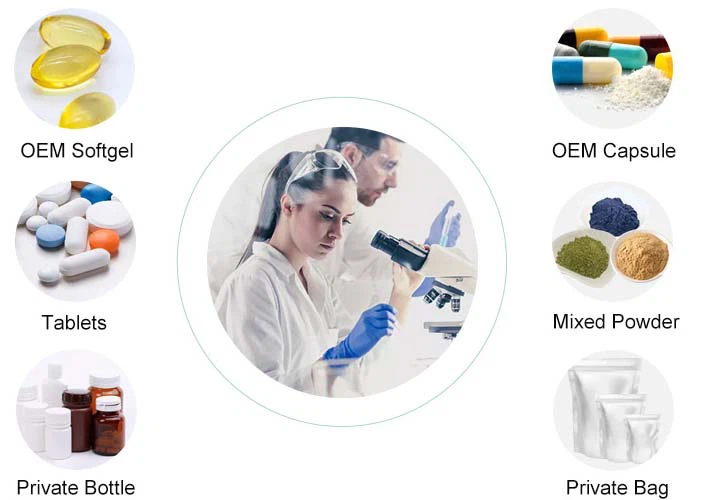
- Finished Products: In-house manufacturing of capsules, softgels, gummies, liquid drops, and blended powders.
- Label Design & Packaging: Custom branding tailored to your target market.
- Formulation & R&D: Expert support to develop custom blends, proprietary formulas, and innovative products.
- Global Logistics: Reliable shipping, documentation, and customs clearance support.
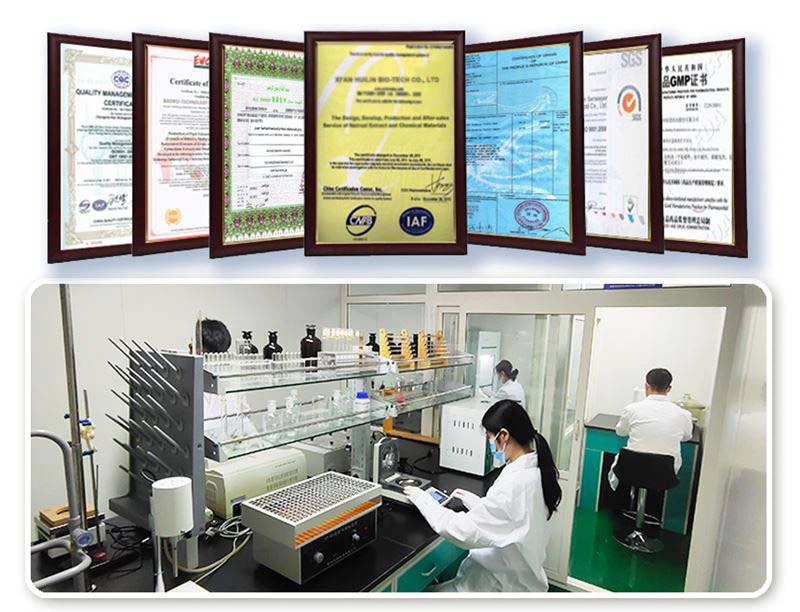
04. Quality Assurance
Strict adherence to cGMP standards and full regulatory transparency. We stay current with global requirements, including FDA GRAS, EFSA, and other regional regulations, to ensure your products meet the highest safety and compliance standards.
How to contact
Ready to source high‑quality Anhydrous Citric Acid Powder for your food, beverage, or pharmaceutical formulations?
Please get in touch with us at ella.zhang@huilinbio-tech.com.



References
1. Joint FAO/WHO Expert Committee on Food Additives (JECFA). Citric acid. In: Compendium of Food Additive Specifications. 53rd JECFA, 1999. FAO JECFA Monographs 1. Additive-135. Available online:https://www.fao.org/fileadmin/user_upload/jecfa_additives/docs/Monograph1/Additive-135.pdf
2. Citric Acid Promotes Immune Function by Modulating the Intestinal Barrier
International Journal of Molecular Sciences. 2024;25(2):1239. doi:10.3390/ijms25021239
This study demonstrates that citric acid fortifies the intestinal tight junction barrier, inhibits influenza virus replication, and boosts intestinal immune function.
PubMed:https://pubmed.ncbi.nlm.nih.gov/38256224/| PMCID: PMC10817003
3. EFSA Scientific Opinion: Re‑evaluation of Citric Acid (E 330) as a Food Additive
EFSA Panel on Food Additives and Flavourings (FAF). Re‑evaluation of acetic acid, lactic acid, citric acid, tartaric acid, mono‑ and diacetyltartaric acid, mixed acetic and tartaric acid esters of mono‑ and diglycerides of fatty acids (E 472a‑f) as food additives. EFSA Journal. 2020;18(3):6032. doi:10.2903/j.efsa.2020.6032
The Panel concluded that considering the exposure estimates, there is no safety concern for citric acid at its reported uses and use levels.
View online: https://efsa.onlinelibrary.wiley.com/doi/10.2903/j.efsa.2020.6032
Disclaimer
This product is intended for manufacturing, formulation, and further processing purposes only. It is not for direct human consumption as a finished product. Statements regarding health benefits are based on general nutritional science and published clinical research, and are not intended to diagnose, treat, cure, or prevent any disease. Regulatory classification and permitted use may vary by country; buyers are solely responsible for ensuring compliance with all applicable local laws, regulations, and labeling requirements, including dietary supplement, food additive, pharmaceutical, or animal feed regulations in their target markets.
Hot Tags: Anhydrous Citric Acid Powder, China, suppliers, manufacturers, factory, wholesale, buy, price, bulk, pure, natural, high quality, in stock, for sale


