


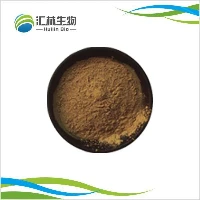


Introduction to Magnesium Oxide
Magnesium Oxide (MgO) is an inorganic magnesium salt that serves as a high-potency magnesium source for dietary supplements and pharmaceutical applications. With an elemental magnesium content of approximately 60% - the highest among all commercially available magnesium compounds - it delivers concentrated magnesium supplementation in a compact dosage form.
While MgO has historically been characterized as having lower water solubility than organic magnesium salts such as magnesium citrate or glycinate, recent studies have challenged this assumption. A published clinical study demonstrated that after short-term supplementation, magnesium oxide exhibited superior bioavailability compared to other examined magnesium supplements without affecting other minerals' levels. Furthermore, highly active magnesium oxide forms demonstrate bioavailability comparable to that of organic magnesium salts. The compound also provides sustained Mg²⁺ release over 12–24 hours, offering extended mineral availability.
In the dietary supplement industry, Magnesium Oxide remains the most commonly used magnesium preparation - used by 79.8% of patients receiving magnesium treatment in clinical settings, predominantly for muscle cramps (89.1%) and hypomagnesemia (87.4%).
Our Magnesium Oxide Powder complies with USP/FCC pharmacopoeia standards, is manufactured in a cGMP-certified facility, and is GRAS (Generally Recognized as Safe) for use in food and supplements, as affirmed by the FDA. Each shipment is accompanied by a Certificate of Analysis (COA), Safety Data Sheet (SDS), and product specification sheet.
Physical & Chemical Parameters
| Parameter | Specification |
|---|---|
| Appearance | White to off-white fine powder |
| Odor | Odorless |
| Assay (MgO content, ignited basis) | 96.0% – 100.5% (USP/FCC) |
| Elemental Magnesium | Approx. 60% (on MgO basis) |
| Loss on Ignition | ≤8.0% |
| Water-Soluble Matter | ≤2.0% |
| pH (1% solution) | 9.0 – 11.0 |
| Bulk Density (Light Grade) | <0.30 g/mL |
| Bulk Density (Heavy Grade) | 0.40 – 0.65 g/mL |
| Particle Size | 100% through 80 mesh; customizable |
| Calcium Oxide (CaO) | ≤1.5% |
| Iron (Fe) | ≤0.05% |
| Heavy Metals (as Pb) | ≤20 ppm |
| Lead (Pb) | ≤4 mg/kg (FCC) |
| Solubility | Practically insoluble in water; soluble in dilute acids |
| Acid-Neutralizing Capacity | High (primary mechanism for antacid use) |
Magnesium Oxide benefits
- Highest Elemental Magnesium Content: Contains approximately 60% elemental magnesium, delivering the most concentrated dose per milligram - ideal for high-potency supplement formulations where tablet size must be minimized.
- Effective for Constipation Relief: Functions as an osmotic laxative by drawing water into the intestines, softening stool and relieving occasional constipation without causing painful cramping for most users.
- Supports Migraine Prevention: Magnesium therapy has been recognized by the American Academy of Neurology and American Headache Society as "probably effective" for migraine prevention. Studies suggest MgO helps interrupt brain signals that trigger migraine attacks.
- Antacid Properties: Neutralizes excess stomach acid, providing rapid relief from heartburn, acid indigestion, and sour stomach - one of the most established over-the-counter uses.
- Supports Bone Health: Magnesium plays an essential role in bone formation. Recent animal studies show magnesium supplementation supports bone formation while increasing bone dynamic strength and balancing normal bone resorption.
- May Help Lower Blood Pressure & Blood Sugar: Evidence indicates magnesium oxide may contribute to healthy blood pressure maintenance and blood sugar regulation in certain populations.
- Supports Stress & Anxiety Management: Magnesium helps modulate the body's stress response and may lower stress and anxiety levels, supporting overall nervous system health.
- Cost-Effective: Among all supplemental magnesium forms, MgO offers the most economical option while providing the highest elemental magnesium content per gram.
- Sustained Release: Food-grade MgO provides sustained Mg²⁺ release over 12–24 hours in nutraceutical applications, offering extended mineral availability compared to fast-dissolving citrate salts.
What is magnesium oxide used for?
- Dietary Supplements: Tablets, capsules, powder blends, effervescent tablets, stick packs, chewable formulations, and gummies
- Antacid Preparations: Over-the-counter antacid tablets, powders, and liquid suspensions for heartburn and acid indigestion relief
- Functional Foods: Magnesium-fortified beverages, cereal bars, dairy products, and nutritional powders
- Pharmaceutical Preparations: USP-grade magnesium oxide for prescription medications, mineral supplements for hypomagnesemia treatment
- Sports Nutrition: Post-workout recovery supplements and electrolyte formulations
- Cosmetics & Personal Care: Skincare formulations, antiperspirants, and cosmetic bases
- Animal Nutrition: Feed-grade supplements for livestock, poultry, and companion animals

Certificate of Analysis (COA)
Note: A representative COA for Magnesium Oxide Powder (USP/FCC dietary supplement grade) is shown below. Actual COA for each batch is provided upon shipment.
| Test Item | Specification | Typical Result |
|---|---|---|
| Appearance | White to off-white fine powder | Conforms |
| Identification (USP) | Positive for Magnesium | Conforms |
| Assay (MgO, ignited basis) | 96.0% – 100.5% | 98.5% |
| Loss on Ignition | ≤8.0% | 3.2% |
| Water-Soluble Matter | ≤2.0% | 0.6% |
| Calcium Oxide (CaO) | ≤1.5% | 0.35% |
| Iron (Fe) | ≤0.05% | 0.008% |
| Heavy Metals (as Pb) | ≤20 ppm | <5 ppm |
| Lead (Pb) | ≤4 mg/kg | <0.5 mg/kg |
| Arsenic (As) | ≤3 mg/kg | <0.2 mg/kg |
| Cadmium (Cd) | ≤1 mg/kg | <0.1 mg/kg |
| Mercury (Hg) | ≤0.1 mg/kg | <0.05 mg/kg |
| Total Plate Count | ≤1,000 CFU/g | <50 CFU/g |
| Yeast & Mold | ≤100 CFU/g | <10 CFU/g |
| E. coli | Negative | Negative |
| Salmonella | Negative (per 25g) | Negative |
| Particle Size (80 mesh) | ≥95% through | 98% |
| Bulk Density | Light or Heavy grade as specified | Conforms |
| Conclusion | - | Meets USP/FCC specifications |
Frequently Asked Questions (FAQ)
Q: What is the difference between Light Magnesium Oxide and Heavy Magnesium Oxide? Which one should I choose for tablet compression?
A: Light MgO has lower bulk density (<0.30 g/mL) and a fluffy, high-volume texture, making it suitable for powder blends or capsules where high porosity is acceptable. Heavy MgO has a higher bulk density (0.40–0.65 g/mL) and better flow characteristics, specifically designed for direct compression tablet formulations. For high-speed tableting, we strongly recommend Heavy grade to ensure uniform die fill, reduced capping, and consistent tablet hardness.
Q: Why is Magnesium Oxide often criticized for low bioavailability, and is that criticism justified?
A: Traditional in vitro solubility tests (aqueous dissolution) show MgO is poorly soluble in water, leading to claims of low absorption. However, human in vivo studies have challenged this: a randomized clinical trial found that after short-term supplementation, MgO exhibited superior bioavailability compared to other examined magnesium supplements without affecting other mineral levels. Highly active MgO forms can match organic magnesium salts. Additionally, MgO provides sustained Mg²⁺ release over 12–24 hours, which may offer prolonged benefits. The criticism is often based on outdated solubility assumptions rather than clinical absorption data.
Q: What is the exact elemental magnesium content of your product, and how does it compare to other magnesium salts?
A: Our MgO contains approximately 60% elemental magnesium (based on a typical assay of 98.5% MgO). For comparison: magnesium citrate (16% Mg), glycinate (14% Mg), malate (15% Mg), chloride (12% Mg), and lactate (12% Mg). MgO provides the highest mg of elemental magnesium per gram, allowing smaller tablet sizes for the same magnesium dose.
Q: Can Magnesium Oxide be used in clear beverage applications? Why or why not?
A: No. MgO is practically insoluble in water (0.00062 g/100 mL at 30°C). It will settle quickly and cause turbidity. For clear beverages, we recommend highly soluble magnesium salts such as magnesium citrate, lactate, or chloride. MgO is best suited for tablets, capsules, powder blends, and antacid suspensions.
Q: How does Magnesium Oxide function as an antacid? What is its acid-neutralizing capacity?
A: MgO neutralizes gastric acid via a simple acid-base reaction: MgO + 2HCl → MgCl₂ + H₂O. One gram of MgO can neutralize approximately 2.5–3.0 grams of HCl, making it one of the most potent over-the-counter antacid actives. It provides a rapid onset (within minutes) and longer duration compared to calcium carbonate in some formulations.
Q: Is Magnesium Oxide GRAS for food and supplement use? Are there any usage restrictions?
A: Yes. Under 21 CFR § 184.1(b)(1), the FDA affirms MgO as GRAS (Generally Recognized as Safe) as a direct human food ingredient. There is no specific upper limit for its use in foods under GMP conditions. For supplements, typical doses range from 250 mg to 500 mg MgO per serving. However, buyers must ensure compliance with local regulations in their target markets.
Q: Can Magnesium Oxide cause gastrointestinal side effects like loose stools?
A: MgO can cause osmotic laxative effects at higher doses because unabsorbed magnesium draws water into the intestinal lumen. This effect is dose-dependent. For constipation relief, 400–800 mg MgO is often used. To minimize laxation, lower divided doses or formulation with other ingredients (e.g., fiber, calcium) may help. Unlike magnesium citrate, MgO's lower solubility can result in a slower onset of laxation but sometimes more predictable effects.
Q: What is the shelf life of your Magnesium Oxide Powder, and how should it be stored to prevent quality degradation?
A: Shelf life is 36 months when stored properly. MgO is hygroscopic and can absorb moisture from the air, forming magnesium hydroxide and reducing assay. Store in tightly sealed original containers (preferably with desiccant) in a cool, dry place below 25°C, away from humidity. Once opened, reseal immediately and use within 6 months.
Q: Is Magnesium Oxide suitable for migraine prevention formulations? What dosage is clinically studied?
A: Yes. The American Academy of Neurology and American Headache Society classify magnesium as "probably effective" for migraine prevention. Most clinical trials used 400–500 mg of MgO daily (equivalent to ~240–300 mg elemental magnesium). Some studies used magnesium citrate or other forms, but MgO is commonly chosen due to its high elemental content and low cost. We recommend consulting clinical guidelines for specific formulation claims.
Q: Do you supply both Light and Heavy grades? Can you customize particle size or bulk density?
A: Yes, we supply both Light and Heavy grades as standard. Customization of particle size (e.g., 200 mesh or finer) and bulk density is available upon request. Please provide your target specification, and we will confirm feasibility.
Our Advantages

Your Professional Manufacturing & Sourcing Partner
We are more than a supplier - we are a comprehensive supply chain partner dedicated to high-quality ingredients, custom formulations, and finished products across multiple industries.
Professional Expertise
With years of experience in plant extracts, food additives, cosmetic raw materials, and nutritional ingredients, our team brings deep technical knowledge and market insight to every partnership.
01. Diverse Product Range
We offer a broad range of products, including food additives, plant extracts, fruit & vegetable powders, cosmetic actives, and functional food ingredients.
02. One-Stop Shop
- Raw Materials: High-purity ingredients for food, beverage, supplement, and cosmetic applications.
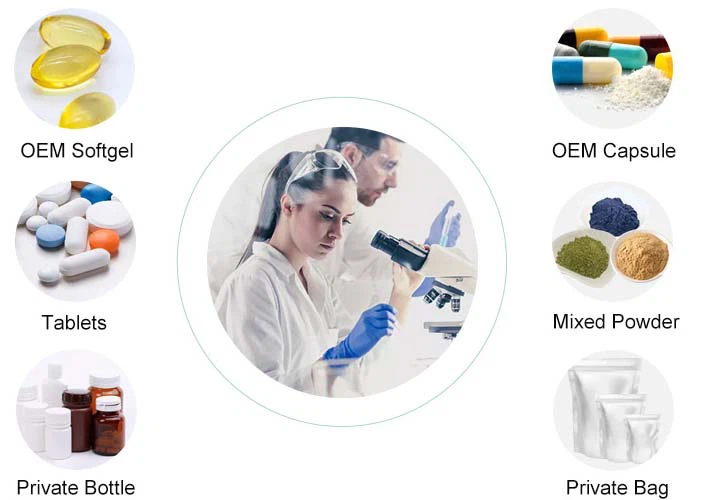
- Finished Products: In-house manufacturing of capsules, softgels, gummies, liquid drops, and blended powders.
03. OEM/ODM/OBM Services
- Label Design & Packaging: Custom branding tailored to your target market.
- Formulation & R&D: Expert support to develop custom blends, proprietary formulas, and innovative products.
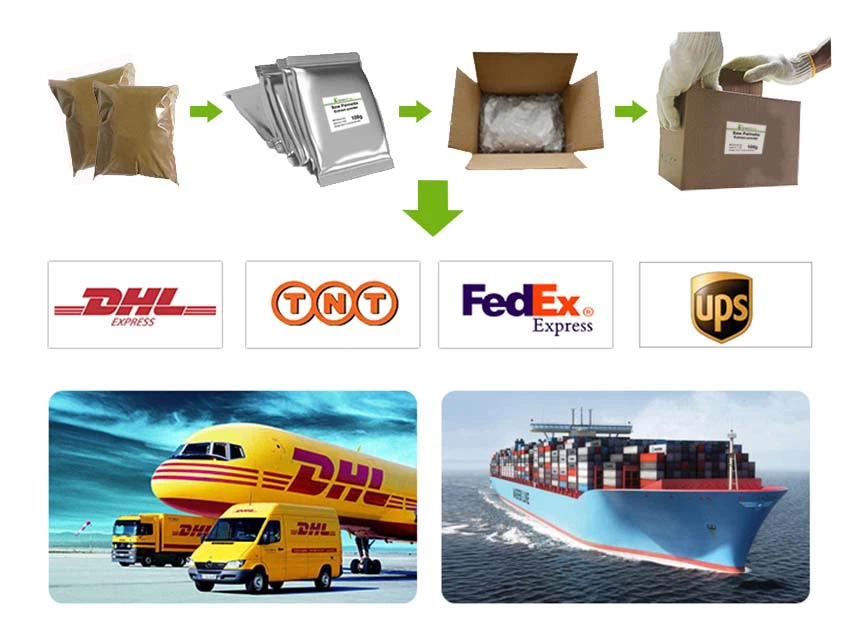
- Global Logistics: Reliable shipping, documentation, and customs clearance support.
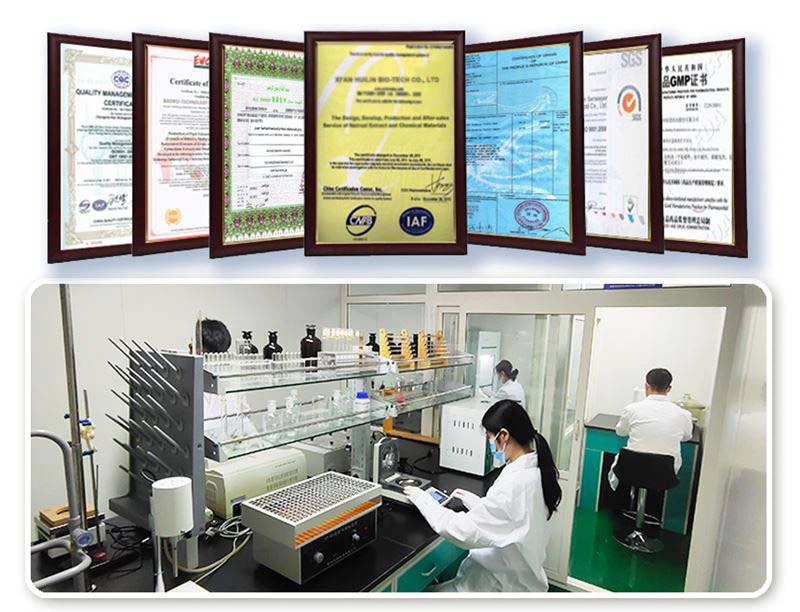
04. Quality Assurance
Strict adherence to cGMP standards and full regulatory transparency. We stay current with global requirements, including FDA GRAS, EFSA, and other regional regulations, to ensure your products meet the highest safety and compliance standards.
How to contact
Contact our sales team to discuss your requirements for Magnesium Oxide Powder.
Please get in touch with us at ella.zhang@huilinbio-tech.com.


Disclaimer: This product is intended for manufacturing and formulation purposes. Statements regarding health benefits are based on general nutritional science and are not intended to diagnose, treat, cure, or prevent any disease. Regulatory status may vary by country; buyers are responsible for ensuring compliance with local regulations.
Hot Tags: magnesium oxide powder, China, suppliers, manufacturers, factory, wholesale, buy, price, bulk, pure, natural, high quality, in stock, for sale


