

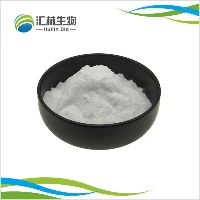



Introduction to Citric Acid Monohydrate
Citric Acid Monohydrate represents the hydrated crystalline form of the widely used organic acid, incorporating one water molecule per citric acid molecule within its crystal lattice. This monohydrate is obtained via controlled crystallisation from chilled concentrated solutions, yielding free‑flowing crystals that are completely odourless and highly water‑soluble. The structural formula-C₆H₈O₇·H₂O-contrasts with the anhydrous form C₆H₈O₇, conferring a higher formula weight and marginally reduced acid strength on a weight‑for‑weight basis.
The monohydrate version offers practical handling advantages: it exhibits significantly less hygroscopicity than its anhydrous counterpart when stored under humid conditions, which translates to superior flow characteristics and reduced caking during processing. With a dissolution rate of 1,630 g/L in water at 20°C, it delivers exceptionally rapid solubilisation-a critical attribute for instant beverage powders, effervescent granulations, and liquid syrup systems. Thermal exposure above 40°C or prolonged contact with dry air drives off the water of crystallisation, converting the material to the anhydrous state. Citric acid is a naturally occurring metabolite found abundantly in citrus fruits and serves as a key intermediate in the Krebs cycle, governing energy production from carbohydrates, fats, and proteins. Regulatory acceptance is well established: the FDA recognises it as GRAS, and EU authorisation is granted under Regulation (EC) No 1333/2008, with JECFA assigning a "not limited" ADI for citric acid and its salts.
Physical & Chemical Parameters
| Parameter | Specification |
|---|---|
| Appearance | White or colourless, odourless, crystalline powder or granules |
| Assay (C₆H₈O₇, calculated on anhydrous basis) | 99.5% – 100.5% |
| Water of Crystallisation (Karl Fischer) | 7.5% – 8.8% |
| Sulphated Ash | ≤0.05% |
| Chloride (Cl) | ≤0.005% |
| Sulfate (SO₄) | ≤0.015% |
| Oxalate | Passes test (≤100 mg/kg) |
| Readily Carbonizable Substances | Passes test |
| Lead (Pb) | ≤0.5 mg/kg |
| Arsenic (As) | ≤1.0 mg/kg |
| Mercury (Hg) | ≤0.1 mg/kg |
| Solubility in Water | 1,630 g/L at 20°C |
| Melting Point | 135 – 152°C (decomposition) |
| pH (1% aqueous solution) | 2.2 – 2.5 |
| Bulk Density (typical) | 0.75 – 0.85 g/mL |
| Particle Size | 100% through 40 mesh; customizable to 80/100 mesh |
| Density | 1.542 g/cm³ at 18°C |
Citric Acid benefits
- Rapid Dissolution Performance: With a solubility of 1,630 g/L at 20°C, this monohydrate form dissolves significantly faster than the anhydrous version, delivering quick acidification and flavour release in instant products.
- Reduced Moisture Pickup: Lower hygroscopicity under humid conditions means less caking and better long‑term flowability during storage and manufacturing runs.
- Outstanding Chelating Power: Effectively binds metal ions like iron and copper, protecting against oxidative rancidity, colour fading, and off‑taste development in formulated foods.
- Natural Antimicrobial Action: pH reduction inhibits spoilage organisms and pathogenic bacteria, contributing to product preservation without synthetic additives.
- pH Modulation & Buffering: Provides precise acidity control across a wide range of food, beverage, and pharmaceutical systems.
- Antioxidant Support: Scavenges free radicals and protects sensitive active ingredients from oxidative breakdown in cosmetic and drug formulations.
- Mineral Absorption Enhancement: In animal feed applications, it promotes better utilisation of dietary calcium, supporting skeletal development and growth performance.
- Calcium‑Chelating Properties: Exerts anticoagulant effects by binding calcium ions-valuable in certain medical and laboratory settings.
- Improved Processability: Free‑flowing crystalline nature ensures consistent dosing, blending, and tableting performance in high‑speed production lines.
- Versatile Compatibility: Functions effectively across a broad pH range and remains compatible with most food, beverage, and pharmaceutical ingredients.
What is Citric Acid used for?
- Beverage Manufacturing: Acidification of carbonated soft drinks, fruit juices, nectars, sports drinks, and powdered instant mixes where rapid dissolution is essential.
- Confectionery & Sweets: Imparts tangy flavour profiles in gummies, hard candies, sherbets, jellies, and water ices.
- Pharmaceutical Granulation: Preferred excipient for effervescent granulations and dry syrup formulations requiring quick disintegration and dissolution.
- Liquid Pharmaceuticals: Functions as a buffer, preservative, and flavour enhancer in oral syrups, suspensions, and paediatric drops.
- Cosmetic Preparations: Acts as a pH adjuster, mild exfoliant, and antioxidant booster in creams, serums, lotions, and bath products.
- Household & Industrial Cleaners: Effective descaling agent for kettles, coffee machines, and dishwashers; component in water softeners and rust removers.
- Animal Feed Additive: Serves as an acidity regulator and preservative (E330) for feeds across all animal species and age groups.
- Wine & Cider Production: Corrects acidity and stabilises musts and finished wines; also employed in juice clarification processes.
- Research & Laboratory Use: Preparation of citrate buffers for platelet studies, intravital microscopy, and radiochemical labelling procedures.

Certificate of Analysis (COA)
Note: A representative COA for Citric Acid Monohydrate Powder is shown below. Actual COA for each batch is provided upon shipment.
| Test Item | Specification | Typical Result |
|---|---|---|
| Appearance | White or colourless crystalline granules/powder | Conforms |
| Identification (A, B) | Passes test | Conforms |
| Assay (C₆H₈O₇, anhydrous basis) | 99.5% – 100.5% | 99.7% |
| Water of Crystallisation (KF) | 7.5% – 8.8% | 8.1% |
| Sulphated Ash | ≤0.05% | 0.02% |
| Chloride | ≤0.005% | <0.002% |
| Sulphate | ≤0.015% | <0.005% |
| Oxalate | Passes test | Passes |
| Readily Carbonisable Substances | Passes test | Passes |
| Lead | ≤0.5 mg/kg | <0.1 mg/kg |
| Arsenic | ≤1.0 mg/kg | <0.2 mg/kg |
| Mercury | ≤0.1 mg/kg | <0.05 mg/kg |
| Particle Size (40 mesh) | ≥95% through | 98% |
| Total Plate Count | ≤1,000 CFU/g | <50 CFU/g |
| Yeast & Mould | ≤100 CFU/g | <10 CFU/g |
| E. coli | Negative | Negative |
| Salmonella | Negative (per 25g) | Negative |
| Conclusion | - | Complies with USP/FCC/EP monographs |
Frequently Asked Questions (FAQ)
Q: How does the monohydrate form differ from anhydrous citric acid in practical use?
A: The monohydrate (CAS 5949‑29‑1) contains 7.5% – 8.8% water of crystallisation, giving it a higher molecular weight and lower acid strength per gram. Its key practical advantage is significantly reduced moisture absorption during storage, which minimises caking and preserves flowability. It also dissolves faster in water (1,630 g/L at 20°C), making it the go‑to choice for effervescent granulations, syrups, and instant beverage powders. Choose monohydrate when rapid dissolution and handling ease are priorities; select anhydrous when moisture sensitivity and maximum acid concentration per unit weight are critical.
Q: What are the USP/FCC specifications for this product?
A: USP and FCC standards require: assay 99.5% – 100.5% (anhydrous basis), water of crystallisation 7.5% – 8.8%, sulphated ash ≤0.05%, lead ≤0.5 mg/kg, and passing tests for oxalate, readily carbonisable substances, chloride, and sulphate. Our material consistently meets all these criteria.
Q: Is this form suitable for effervescent applications?
A: Yes-particularly for effervescent granulations where rapid dissolution is paramount. For effervescent tablets, anhydrous is often preferred for higher acid content per tablet; for granules, monohydrate delivers faster solubilisation.
Q: Can it function as a preservative?
A: Yes. By lowering product pH, it creates conditions unfavourable for spoilage organisms. It also chelates metal ions that would otherwise catalyse oxidative degradation, contributing to extended shelf life.
Q: What pharmaceutical applications is it used for?
A: Common uses include excipient in effervescent granules, buffer component in syrups and oral solutions, preservative/acidulant in liquid formulations, and buffer preparation for platelet studies and radiochemical labelling.
Q: Does it offer any nutritional or health benefits?
A: Beyond its technological functions, citric acid enhances mineral bioavailability (particularly calcium), supports bone health through improved calcium utilisation, exhibits antioxidant activity, and has anticoagulant properties via calcium chelation.
Our Advantages

Your Professional Manufacturing & Sourcing Partner
We are more than a supplier - we are a comprehensive supply chain partner dedicated to high-quality ingredients, custom formulations, and finished products across multiple industries.
With years of experience in plant extracts, food additives, cosmetic raw materials, and nutritional ingredients, our team brings deep technical knowledge and market insight to every partnership.
01. Diverse Product Range
We offer a broad range of products, including food additives, plant extracts, fruit & vegetable powders, cosmetic actives, and functional food ingredients.
- Raw Materials: High-purity ingredients for food, beverage, supplement, and cosmetic applications.
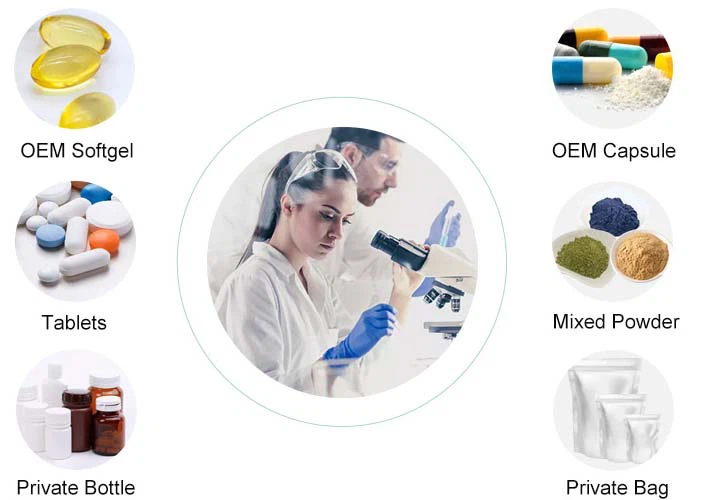
- Finished Products: In-house manufacturing of capsules, softgels, gummies, liquid drops, and blended powders.
- Label Design & Packaging: Custom branding tailored to your target market.
- Formulation & R&D: Expert support to develop custom blends, proprietary formulas, and innovative products.
- Global Logistics: Reliable shipping, documentation, and customs clearance support.
04. Quality Assurance
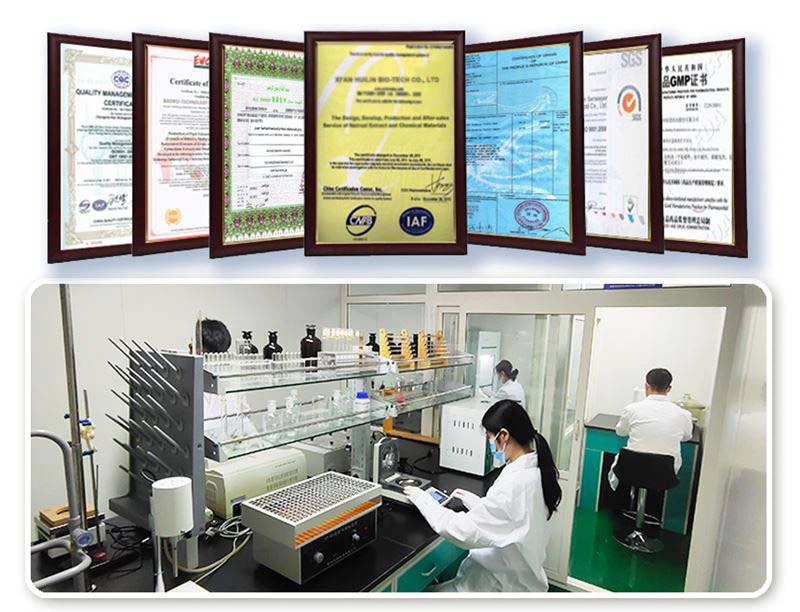
Strict adherence to cGMP standards and full regulatory transparency. We stay current with global requirements, including FDA GRAS, EFSA, and other regional regulations, to ensure your products meet the highest safety and compliance standards.
How to contact
Ready to source high‑quality Citric Acid Monohydrate Powder for your food, beverage, or pharmaceutical formulations?
Please get in touch with us at ella.zhang@huilinbio-tech.com.



References
1. Joint FAO/WHO Expert Committee on Food Additives (JECFA). Citric acid. In: Compendium of Food Additive Specifications. 53rd JECFA, 1999. FAO JECFA Monographs 1. Additive-135. Available online:https://www.fao.org/fileadmin/user_upload/jecfa_additives/docs/Monograph1/Additive-135.pdf
2. Citric Acid Promotes Immune Function by Modulating the Intestinal Barrier
International Journal of Molecular Sciences. 2024;25(2):1239. doi:10.3390/ijms25021239
This study demonstrates that citric acid fortifies the intestinal tight junction barrier, inhibits influenza virus replication, and boosts intestinal immune function.
PubMed:https://pubmed.ncbi.nlm.nih.gov/38256224/| PMCID: PMC10817003
3. EFSA Scientific Opinion: Re‑evaluation of Citric Acid (E 330) as a Food Additive
EFSA Panel on Food Additives and Flavourings (FAF). Re‑evaluation of acetic acid, lactic acid, citric acid, tartaric acid, mono‑ and diacetyltartaric acid, mixed acetic and tartaric acid esters of mono‑ and diglycerides of fatty acids (E 472a‑f) as food additives. EFSA Journal. 2020;18(3):6032. doi:10.2903/j.efsa.2020.6032
The Panel concluded that considering the exposure estimates, there is no safety concern for citric acid at its reported uses and use levels.
View online: https://efsa.onlinelibrary.wiley.com/doi/10.2903/j.efsa.2020.6032
Disclaimer
This product is intended for manufacturing, formulation, and further processing purposes only. It is not for direct human consumption as a finished product. Statements regarding health benefits are based on general nutritional science and published clinical research, and are not intended to diagnose, treat, cure, or prevent any disease.
Hot Tags: citric acid monohydrate powder, China, suppliers, manufacturers, factory, wholesale, buy, price, bulk, pure, natural, high quality, in stock, for sale


