


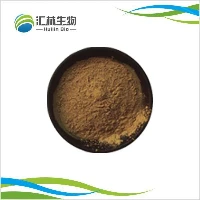


Introduction to Maltitol Type I
Maltitol (E965(i)) is a disaccharide sugar alcohol produced by the catalytic hydrogenation of maltose, which is derived from starch through enzymatic liquefaction and saccharification. As a member of the polyol family, maltitol closely mimics the taste and physical properties of sucrose-delivering approximately 85–90% of the sweetness of table sugar with a clean, pleasant profile and no lingering aftertaste.
What distinguishes Maltitol Type I (crystalline granular form) is its crystalline structure, which is obtained by crystallisation from high‑maltose syrups. Unlike liquid maltitol or spray‑dried amorphous powders, Type I crystalline granules exhibit low hygroscopicity, excellent free‑flowing properties, and superior stability during storage and processing. This makes it the preferred grade for dry blend formulations, tableting, and applications where moisture sensitivity is a concern.
Maltitol offers multiple health‑oriented functional benefits: it is non‑cariogenic (does not promote tooth decay), has a low glycaemic index with minimal impact on blood glucose levels, and contains approximately half the calories of sucrose (2.1 kcal/g versus 4.0 kcal/g). It is resistant to Maillard browning reactions due to the absence of free carbonyl groups, making it stable under heat and across a broad pH range. Maltitol is approved for use as a food additive in the European Union as E965(i) and is listed in the Chinese National Food Safety Standard GB 28307-2012.
Physical & Chemical Parameters
| Parameter | Specification |
|---|---|
| Appearance | White crystalline granules or powder, odourless |
| Assay (Maltitol, on anhydrous basis) | ≥99.0% (typical); ≥98.0% per GB 28307-2012 |
| Moisture / Loss on Drying | ≤1.0% |
| Specific Optical Rotation [α]²⁰ᴅ | +105.5° – +108.5° (on anhydrous basis) |
| Melting Point | 148 – 151°C |
| pH (10% aqueous solution) | 5.0 – 7.0 |
| Solubility in Water | Approx. 1,750 g/L at room temperature |
| Solubility in Ethanol | Practically insoluble in anhydrous ethanol |
| Reducing Sugars (as glucose) | ≤0.1% |
| Residue on Ignition / Sulphated Ash | ≤0.1% |
| Chloride (Cl) | ≤50 ppm |
| Sulfate (SO₄) | ≤100 ppm |
| Heavy Metals (as Pb) | ≤5 mg/kg |
| Lead (Pb) | ≤0.5 mg/kg |
| Nickel (Ni) | ≤30 mg/kg |
| Arsenic (As) | Not detected |
| Total Plate Count | ≤100 CFU/g |
| Yeast & Mould | ≤10 CFU/g |
| E. coli | Absent |
| Salmonella | Absent |
| Particle Size | 95% minimum passes through No.10 mesh screen (2,000 μm); custom grades available |
Maltitol benefits
- Non‑Cariogenic (Tooth‑Friendly): Maltitol is resistant to metabolism by oral bacteria that break down sugars and starches to release acids that cause tooth decay. Clinical studies have demonstrated that maltitol‑based sugar‑free products do not promote dental caries. Chewing maltitol gum has been shown to provide an inhibitory effect on gingivitis.
- Low Glycaemic Index: Maltitol has a low glycaemic index and produces minimal impact on blood glucose and insulin levels, making it suitable for diabetic and low‑carbohydrate formulations.
- Reduced Caloric Content: With approximately 2.1 kcal/g (about half that of sucrose), maltitol supports calorie reduction in sugar‑free and reduced‑calorie products.
- Heat & Acid Stability: Due to the absence of free carbonyl groups, maltitol does not participate in Maillard browning reactions. It remains stable at high temperatures (up to 180°C) and across a wide pH range (3.0 – 8.0).
- Excellent Sucrose‑Like Properties: Maltitol closely mimics the sweetness profile, melting behaviour, viscosity, and crystallisation properties of sucrose, enabling straightforward one‑to‑one replacement in many formulations.
- Low Hygroscopicity (Type I Crystalline): The crystalline granular form of Type I maltitol exhibits minimal moisture absorption, ensuring excellent flowability, reduced caking, and extended shelf life in dry powder applications.
- Promotes Calcium Absorption: Maltitol has been shown to enhance calcium absorption and may contribute to bone health.
- Supports Digestive Tolerance: As a slowly fermentable polyol, maltitol is better tolerated than some other sugar alcohols, with a higher digestive threshold.
- Prebiotic Potential: Emerging research suggests maltitol may favourably modulate gut microbiota and has shown potential in preventing fatty liver degeneration in animal models.
- Non‑Reactive in Formulations: Does not participate in Maillard reactions, preserving the colour and flavour integrity of heat‑processed foods.
What is Maltitol used for?
- Sugar‑Free Confectionery: Hard candies, soft candies, gummies, jellies, mints, and chewy sweets – Type I crystalline granules provide excellent handling and consistent melting properties.
- Chocolate & Coatings: Sugar‑free chocolate, compound coatings, and chocolate‑filled products – maltitol closely mimics the melting behaviour of sucrose, delivering smooth texture and gloss.
- Chewing Gum: Provides the desired sweetness, bulk, and crystallisation control in both stick and pellet gum formulations.
- Baked Goods: Cakes, cookies, pastries, and cream fillings – heat stability and non‑browning properties preserve product colour and texture.
- Dairy & Frozen Desserts: Ice cream, yoghurt, and frozen novelties – provide sweetness without unwanted crystallisation.
- Beverages: Powdered drink mixes, flavoured waters, and functional beverages – rapid dissolution and clean taste profile.
- Pharmaceutical Excipients: Coatings for tablets, syrups, and chewable dosage forms – provides sweetness, bulk, and moisture control.
- Oral Care Products: Toothpastes, mouthwashes, and sugar‑free chewing gums – non‑cariogenic properties support dental health.
- Diabetes‑Friendly & Health Foods: Low‑glycaemic products for diabetic consumers, weight management formulations, and health‑oriented snacks.

Certificate of Analysis (COA)
Note: A representative COA for Maltitol Type I Powder (Crystalline Granules) is shown below. A batch-specific COA is provided with each shipment.
| Test Item | Specification | Typical Result |
|---|---|---|
| Appearance | White crystalline granules or powder | Conforms |
| Identification (HPLC/IR) | Matches the reference standard | Conforms |
| Assay (Maltitol, anhydrous basis) | ≥99.0% | 99.5% |
| Loss on Drying | ≤1.0% | 0.25% |
| Specific Optical Rotation | +105.5° – +108.5° | +107.2° |
| Melting Point | 148 – 151°C | 149.5°C |
| pH (10% solution) | 5.0 – 7.0 | 6.2 |
| Reducing Sugars (as glucose) | ≤0.1% | 0.03% |
| Residue on Ignition | ≤0.1% | 0.04% |
| Chloride (Cl) | ≤50 ppm | <10 ppm |
| Sulfate (SO₄) | ≤100 ppm | <20 ppm |
| Heavy Metals (as Pb) | ≤5 mg/kg | <1 mg/kg |
| Lead (Pb) | ≤0.5 mg/kg | <0.1 mg/kg |
| Nickel (Ni) | ≤30 mg/kg | <5 mg/kg |
| Arsenic (As) | Not detected | Not detected |
| Total Plate Count | ≤100 CFU/g | <10 CFU/g |
| Yeast & Mould | ≤10 CFU/g | <5 CFU/g |
| E. coli | Absent | Negative |
| Salmonella | Absent | Negative |
| Particle Size (10 mesh) | ≥95% through | 98% |
| Conclusion | - | Meets GB 28307-2012 / FCC / USP specifications |
Frequently Asked Questions (FAQ)
Q: What is the difference between Maltitol Type I (crystalline) and other maltitol grades?
A: Maltitol Type I refers to the high‑purity crystalline granular form obtained by crystallisation from high‑maltose syrups. It differs from liquid maltitol syrup (Type II) and spray‑dried amorphous powders in several key aspects: Type I exhibits low hygroscopicity, excellent free‑flowing properties, and superior stability during storage. Liquid maltitol is more hygroscopic and used in applications where moisture is acceptable; spray‑dried powders may have different particle size distributions and flow characteristics. Type I crystalline is the preferred choice for dry blend formulations, tableting, confectionery, and applications where moisture sensitivity is critical.
Q: What are the regulatory specifications for maltitol in China?
A: Maltitol is regulated under the Chinese National Food Safety Standard GB 28307-2012 "Food Additive – Maltitol and Maltitol Syrup". This standard applies to maltitol produced from starch through liquefaction, saccharification, hydrogenation, and refining. It is also listed in GB 2760-2024 as a permitted food additive with INS No. 965(i), functioning as a sweetener, stabiliser, moisture retention agent, emulsifier, raising agent, and thickener.
Q: Is Maltitol Type I suitable for direct compression tableting?
A: Yes. The crystalline granular form provides excellent flowability and compressibility, making it suitable for direct compression tableting applications. Its low hygroscopicity also ensures good stability in tablet formulations.
Q: Is maltitol suitable for diabetic formulations?
A: Yes. Maltitol has a low glycaemic index and minimal impact on blood glucose and insulin levels, making it suitable for diabetic and low‑carbohydrate formulations. However, consumers should still be advised to consume in moderation as part of a balanced diet.
Q: Does maltitol cause digestive discomfort?
A: Like all sugar alcohols, excessive consumption of maltitol may cause digestive discomfort, including gas, bloating, or laxative effects in some individuals. The digestive tolerance threshold varies by individual. JECFA has established an ADI of "not specified" for maltitol. We recommend appropriate labelling to inform consumers.
Q: Is maltitol non‑cariogenic?
A: Yes. Maltitol is resistant to metabolism by oral bacteria, does not produce the acids that cause tooth decay, and is classified as non‑cariogenic. Clinical studies have confirmed that maltitol‑based sugar‑free products do not promote dental caries.
Our Advantages

Your Professional Manufacturing & Sourcing Partner
We are more than a supplier - we are a comprehensive supply chain partner dedicated to high-quality ingredients, custom formulations, and finished products across multiple industries.
With years of experience in plant extracts, food additives, cosmetic raw materials, and nutritional ingredients, our team brings deep technical knowledge and market insight to every partnership.
01. Diverse Product Range
We offer a broad range of products, including food additives, plant extracts, fruit & vegetable powders, cosmetic actives, and functional food ingredients.
- Raw Materials: High-purity ingredients for food, beverage, supplement, and cosmetic applications.
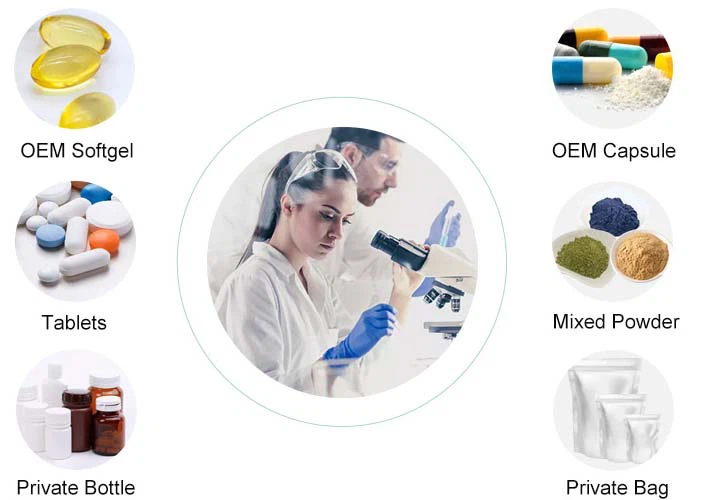
- Finished Products: In-house manufacturing of capsules, softgels, gummies, liquid drops, and blended powders.
- Label Design & Packaging: Custom branding tailored to your target market.
- Formulation & R&D: Expert support to develop custom blends, proprietary formulas, and innovative products.
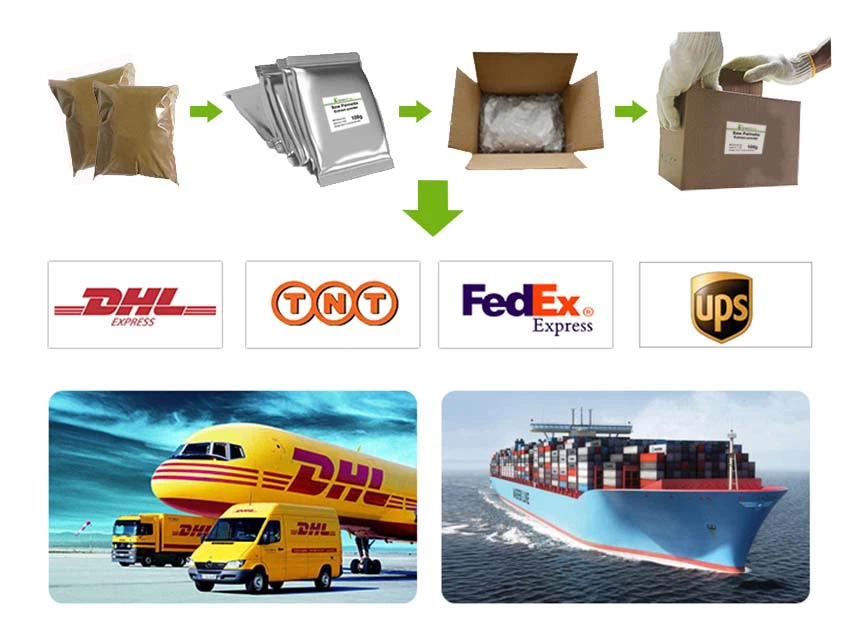
- Global Logistics: Reliable shipping, documentation, and customs clearance support.
04. Quality Assurance
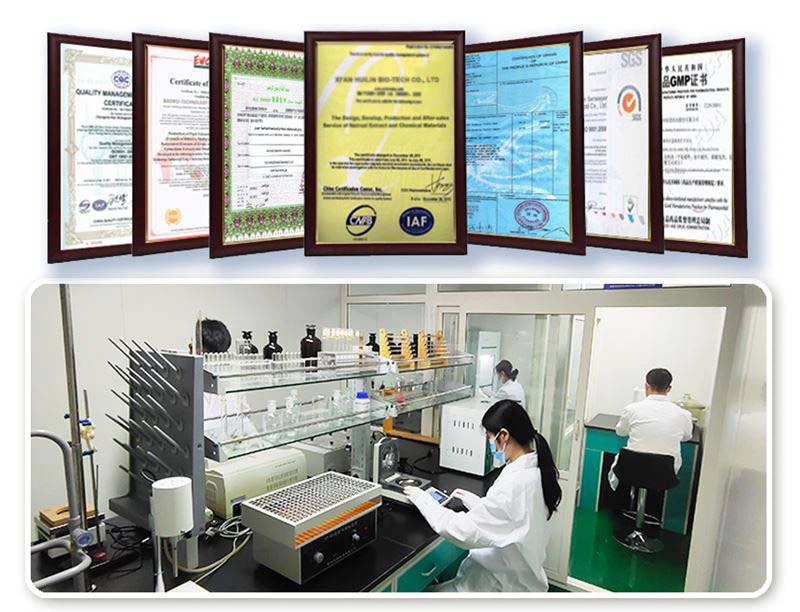
Strict adherence to cGMP standards and full regulatory transparency. We stay current with global requirements, including FDA GRAS, EFSA, and other regional regulations, to ensure your products meet the highest safety and compliance standards.
How to contact
Looking for a reliable source of high‑purity Maltitol Type I Powder (Crystalline Granules) for your sugar‑free formulations?
Please get in touch with us at ella.zhang@huilinbio-tech.com.


References
1. JECFA Specification: Maltitol (INS No. 965(i))
Joint FAO/WHO Expert Committee on Food Additives (JECFA). Maltitol. In: Compendium of Food Additive Specifications. Prepared at the 46th JECFA (1996), published in FNP 52 Add 4 (1996), superseding specifications prepared at the 33rd JECFA (1988), published in FNP 38 (1988) and in FNP 52 (1992). Metals and arsenic specifications were revised by JECFA in 2001. An ADI "not specified" was established at the 41st JECFA (1993).
Available online:https://www.fao.org/fileadmin/user_upload/jecfa_additives/docs/Monograph1/Additive-271.pdf
2. EFSA Re‑evaluation: Maltitols (E 965)
European Food Safety Authority (EFSA). Maltitol (E 965 i, ii) is currently undergoing re‑evaluation as part of the EU's systematic safety assessment of permitted food additives. The EFSA Panel on Food Additives and Flavourings (FAF) has been conducting refined exposure assessments for sweeteners, including maltitols. In 2023, EFSA called for data on the genotoxicity of maltitol. The Working Group on Specifications of Food Additives has discussed the technical part of the draft opinion for maltitol (965(i)) and maltitol syrup (965(ii)) (EFSA‑Q‑2017‑00490; EFSA‑Q‑2011‑00755).EFSA Maltitol Page:https://www.efsa.europa.eu/en
Disclaimer
This product is intended for manufacturing, formulation, and further processing purposes only. It is not for direct human consumption as a finished product. Statements regarding health benefits are based on general nutritional science and published clinical research, and are not intended to diagnose, treat, cure, or prevent any disease.
Hot Tags: maltitol type i powder (crystalline granules), China, suppliers, manufacturers, factory, wholesale, buy, price, bulk, pure, natural, high quality, in stock, for sale, Amino Acid, Chicory Inulin Powder, Mogrosides Monk Fruit, Stevioside Powder


