


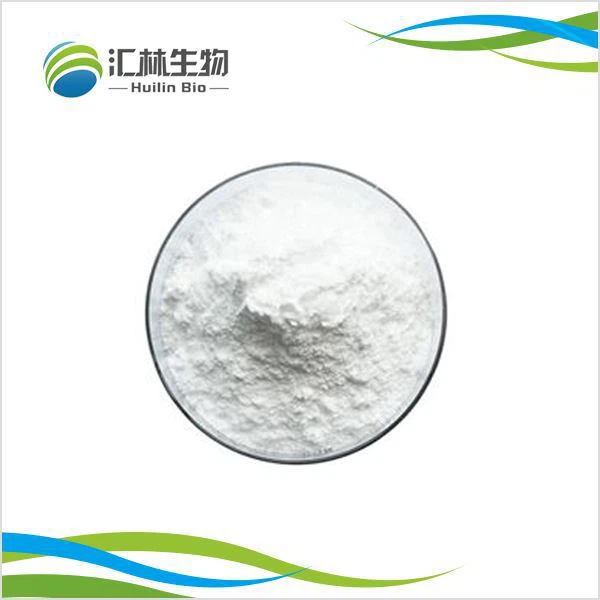
Xi'an Huilin Bio-Tech Co., Ltd. is one of the leading manufacturers and suppliers of erythritol powder in China. With abundant experience, we are committed to providing high quality natural products with competitive price. Please feel free to wholesale bulk pure erythritol powder for sale here from our factory.
Description: What is Erythritol?
Erythritol is a natural sugar alcohol (polyol) found naturally in fruits such as melons, pears, and grapes, as well as in fermented foods like cheese, wine, and soy sauce [2]. Commercially, it is produced through a natural fermentation process using glucose derived from non-GMO corn starch.
Unlike traditional sugars (sucrose) or other artificial sweeteners, Erythritol offers the bulk and texture of sugar with 0 calories per gram and a 0 glycemic index. It was approved as GRAS (Generally Recognized as Safe) by the U.S. FDA in 2001 and has received the highest safety rating from the Joint FAO/WHO Expert Committee on Food Additives (JECFA) [2]. However, recent 2023-2025 studies have prompted new discussions regarding its long-term cardiovascular safety, which we transparently address in this document [3].
Biochemical & Physical Parameters
| Parameter | Specification / Value |
|---|---|
| Assay (Dry Basis) | 99.0% – 101.0% |
| Melting Point | 118 – 120 °C (lit.) |
| Boiling Point | 329 – 331 °C (lit.) |
| Loss on Drying | ≤ 0.2% |
| Residue on Ignition | ≤ 0.1% |
| Heavy Metals | ≤ 5 ppm |
| pH (5% solution) | 5.0 – 7.0 |
| Caloric Value | 0 kcal/g (EU/US) |
| Sweetness Ratio | 60 – 70% compared to Sucrose |
| Storage Conditions | Store in a cool, dry, well-ventilated area. Keep tightly closed. Stable under normal temperatures. |
Mechanism of Action & Metabolism
Erythritol is unique among sugar alcohols because it is rapidly absorbed in the small intestine but not metabolized by the body.
- Absorption & Excretion: Approximately 90% of ingested erythritol is absorbed into the bloodstream and excreted unchanged in the urine within 24 hours. Because it is not fermented by gut bacteria in the large intestine, it typically causes less gastrointestinal distress (gas/bloating) compared to other polyols like xylitol or sorbitol [2][7].
- Glycemic Impact: It does not raise blood glucose or insulin levels, making it safe for diabetics (though WHO guidelines recommend caution with all non-sugar sweeteners for long-term weight control) [6].
- Cardiovascular Interaction (Mechanism): Recent mechanistic studies (2024-2026) indicate that high concentrations of erythritol may enhance platelet reactivity and thrombus formation. In vitro studies show it increases clot formation potential and reduces nitric oxide availability in blood vessels, which is necessary for proper vessel relaxation [3][8].
Benefits & Functional Advantages

Health & Nutritional Benefits
- Zero Calorie & Keto-Friendly: With 0 calories and 0 net carbs, it supports weight management and ketogenic diets.
- Diabetic Safe: Does not spike blood sugar or insulin levels [2].
- Dental Health: Erythritol is non-cariogenic. It inhibits the growth of oral bacteria, reducing plaque and the risk of cavities. The FDA permits a "does not promote tooth decay" health claim for products containing erythritol [2].
- Antioxidant Properties: Unlike sugar, erythritol acts as a scavenger of free radicals (although this benefit is weighed against potential risks).
Technical & Processing Benefits
Heat Stability: Stable at high temperatures (up to 160°C), suitable for baking and pasteurization.
Non-Hygroscopic: Does not absorb moisture from the air, preventing clumping and extending shelf life in dry mixes.
Synergy: Blends well with high-intensity sweeteners (Stevia, Monk Fruit, Sucralose) to mask bitterness and improve taste profile [2].

Primary Applications
Erythritol Powder is versatile and used across multiple industries:
- Food & Beverage:
Beverages: Zero-sugar sodas, flavored water, sports drinks.
Confectionery: Hard candies, chocolates, chewing gum.
Bakery: Cakes, cookies, and frostings (note: it does not caramelize like sugar; provides volume and sweetness).
Dairy: Ice cream, yogurt.
- Nutritional Supplements: Used as a filler and sweetener in protein powders, meal replacement bars, and vitamin gummies.
- Pharmaceuticals: Coating for tablets and excipient in syrups (provides sweetness without metabolic burden).
- Personal Care: Added to toothpaste and mouthwash for its anti-plaque properties [7].
FAQ: Frequently Asked Questions
Q: Erythritol vs. Allulose: Which is better?
A: Both are excellent low-calorie sweeteners. Allulose is a rare sugar that caramelizes and browns like sugar, making it superior for baking applications. Erythritol has a cooling effect and is often preferred for beverages and candies due to its granular texture. From a gut health perspective, allulose is partially fermented and may offer prebiotic benefits, while erythritol is excreted unchanged [1].
Q: Is erythritol bad for you? What are the health risks?
A: While recognized as safe by the FDA for decades, recent studies (2023-2025) from the Cleveland Clinic and University of Colorado suggest a link between high erythritol levels and increased risk of blood clotting, heart attack, and stroke [3]. The key factor is dosage. The EFSA (European Food Safety Authority) established a new Acceptable Daily Intake (ADI) of 0.5 g/kg body weight per day (approx. 35g for a 70kg adult). Intakes above this may cause laxative effects and potential long-term cardiovascular risks [5].
Q: Is erythritol natural or artificial?
A: It is classified as a natural sweetener. It occurs naturally in fruits and is produced via natural fermentation (similar to yogurt or cheese making) [2].
Q: Does erythritol cause digestive issues?
A: Compared to other sugar alcohols, it has a high digestive tolerance. However, consuming more than 50g in a single sitting (or exceeding the EFSA ADI) can lead to bloating, gas, and diarrhea [5][7].
Q: What is erythritol used for in Keto products?
A: In the Keto diet, erythritol provides the bulk and texture of sugar without adding carbohydrates, allowing for the creation of low-carb desserts and sweets without kicking the body out of ketosis [1].
Why Choose Us?
Your Professional Manufacturing & Sourcing Partner
We are more than a supplier - we are a comprehensive supply chain partner dedicated to high-quality ingredients, custom formulations, and finished products across multiple industries.
Professional Expertise
With years of experience in plant extracts, food additives, cosmetic raw materials, and nutritional ingredients, our team brings deep technical knowledge and market insight to every partnership.
01
Diverse Product Range
We offer a broad range of products including food additives, plant extracts, fruit & vegetable powders, cosmetic actives, and functional food ingredients.
02
One-Stop Shop
Raw Materials: High-purity ingredients for food, beverage, supplement, and cosmetic applications.
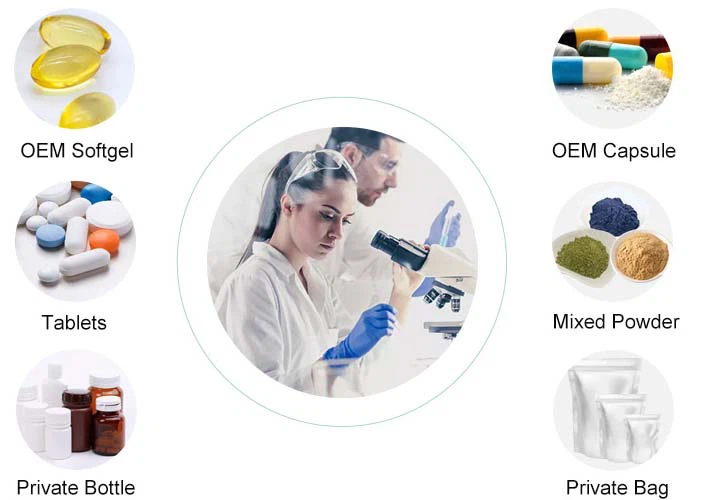
Finished Products: In-house manufacturing of capsules, soft gels, gummies, liquid drops, and blended powders.
03
OEM/ODM/OBM Services
Label Design & Packaging: Custom branding tailored to your target market.
Formulation & R&D: Expert support to develop custom blends, proprietary formulas, and innovative products.
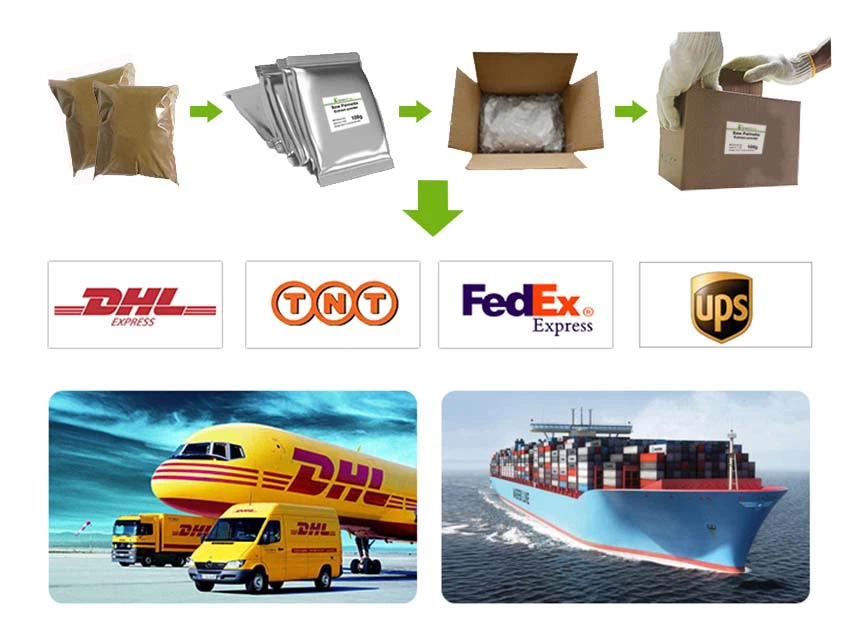
Global Logistics: Reliable shipping, documentation, and customs clearance support.
04
Quality Assurance
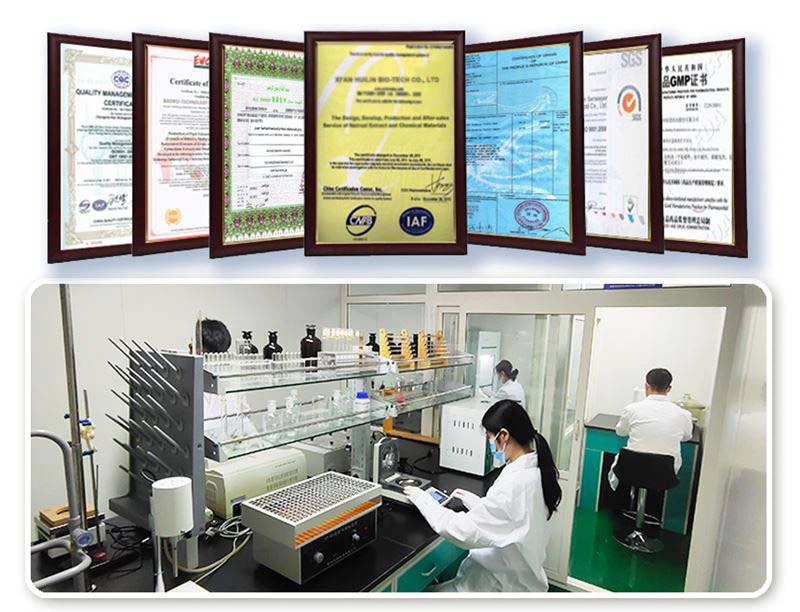
Strict adherence to GMP standards and full regulatory transparency. We stay current with global requirements including FDA GRAS, EFSA, and other regional regulations to ensure your products meet the highest safety and compliance standards.
05
Act Now
Ready to reformulate your products or expand your ingredient portfolio?
Contact us today for:
- Free samples for testing.
- Technical datasheets and safety documentation.
- Custom formulation support (OEM/ODM).
Please contact us at ella.zhang@huilinbio-tech.com.


References
- Erin Palinski-Wade. (2024). Allulose vs. Erythritol: Which is the Better Choice?
- Calorie Control Council. (2009). Erythritol.
- Futura-Sciences. (2026). This common sugar-free sweetener is linked to higher stroke risk.
- EFSA Panel on Food Additives and Flavourings. (2023). *Re-evaluation of erythritol (E 968) as a food additive*. EFSA Journal.
- National Institutes of Health (NIH) / PMC. (2024). Metabolic Effects of Selected Conventional and Alternative Sweeteners.
- Men's Health. (2024). What You Should Know About Erythritol, According to Experts.
- DrWeil.com. (2026). New Warnings For Common Sweetener.
Hot Tags: erythritol powder, China, suppliers, manufacturers, factory, wholesale, buy, price, bulk, pure, natural, high quality, in stock, for sale, Chicory Inulin Powder, Stevioside Powder, Amino Acid, Mogrosides Monk Fruit


