


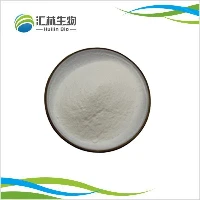


Introduction
Folic Acid, also known as Vitamin B9, folate, or pteroylglutamic acid, is a water-soluble B-vitamin essential for numerous physiological processes in the human body. It plays a critical role in one-carbon metabolism, serving as a coenzyme in the synthesis of nucleic acids (DNA and RNA), amino acid metabolism, and the conversion of homocysteine to methionine.
As a synthetic, oxidized form of folate, folic acid is more stable and bioavailable than naturally occurring food folates, making it the preferred form for dietary supplements, food fortification, and pharmaceutical applications. Unlike natural folates that degrade readily during food processing and storage, folic acid remains structurally intact, ensuring reliable and consistent dosing across a wide range of product formats.
Folic acid is one of the most extensively studied micronutrients in public health, with decades of clinical evidence demonstrating its indispensable role in preventing neural tube defects (NTDs), supporting red blood cell formation, maintaining cardiovascular health through homocysteine regulation, and contributing to normal psychological function and immune system activity.
Product Forms & Specifications
| Parameter | Specification | Method |
|---|---|---|
| Assay (anhydrous basis) | 97.0%–102.0% | HPLC |
| Appearance | Yellow to yellowish-orange crystalline powder | Visual |
| Identification | Positive (IR / UV) | IR / UV |
| Water Content | 5.0%–8.5% | Karl Fischer |
| Residue on Ignition | ≤ 0.2% | USP |
| Related Substances (Total) | ≤ 2.0% | HPLC |
| Heavy Metals | ≤ 10 ppm | USP |
| Particle Size | 95% through 80 mesh | Sieve Analysis |
Folic Acid Benefits
 |
Prevention of Neural Tube DefectsPericonceptional folic acid supplementation is one of the most significant public health interventions of the past decades. The USPSTF 2023 updated systematic review confirmed that folic acid supplementation significantly reduces the risk of neural tube defects (NTDs) in newborns. Adequate folate status during the first 28 days of gestation-when the neural tube closes-is critical, and supplementation of 400–800 µg/day is recommended for all women of childbearing age. |
Homocysteine Reduction & Cardiovascular SupportThe Homocysteine Lowering Trialists' Collaboration meta-analysis demonstrated dose-dependent reductions in plasma homocysteine with folic acid supplementation. Elevated homocysteine is an independent risk factor for cardiovascular and cerebrovascular disease. Folic acid, as the methyl donor in homocysteine remethylation, effectively lowers plasma homocysteine levels, with 0.8 mg/day reducing concentrations by approximately 23%. |
 |
 |
Red Blood Cell Formation & Anemia PreventionFolic acid is essential for erythropoiesis, the process of red blood cell production. Folate deficiency leads to megaloblastic anemia, characterized by the production of abnormally large, immature red blood cells that cannot effectively transport oxygen. Supplementation with folic acid rapidly corrects folate-deficiency anemia, restoring normal hematological parameters and improving oxygen delivery throughout the body. |
DNA Synthesis & Cellular DivisionAs a coenzyme in one-carbon transfer reactions, folic acid is indispensable for the biosynthesis of purines and thymidylate-the building blocks of DNA. This makes folate essential for all rapidly dividing cells, including those in the bone marrow, gastrointestinal epithelium, and developing fetal tissues. Adequate folate status supports normal cellular proliferation, tissue growth, and repair throughout the lifecycle. |
 |
What is Folic Acid Used For?
- Dietary Supplements - Folic acid is the most widely used folate form in multivitamin and single-ingredient supplement formulations in tablet, capsule, softgel, and gummy formats, targeting general wellness, prenatal nutrition, and cardiovascular health.
- Food Fortification - Mandatory folic acid fortification of cereal grains and flour has been implemented in over 80 countries worldwide, including the United States, Canada, and Australia, as a highly cost-effective public health strategy to reduce the incidence of NTDs at the population level.
- Prenatal Vitamins - As the established gold standard for NTD prevention, folic acid is a mandatory component of all prenatal supplement formulations, typically at doses of 400–800 µg/day, with higher doses (4–5 mg/day) prescribed for women at elevated risk.
- Pharmaceutical Preparations - Folic acid is listed in the WHO Model List of Essential Medicines and is used clinically for the treatment of megaloblastic anemia, folate deficiency, and as an adjunct in methotrexate therapy.
- Functional Foods & Beverages - Folic acid is incorporated into fortified breakfast cereals, nutrition bars, meal replacements, and functional beverages to enhance their nutritional profile and support daily folate intake recommendations.
- Animal Nutrition - Folic acid is added to animal feed and pet food formulations to support growth, reproduction, and overall health in livestock, poultry, and companion animals.
Frequently Asked Questions (FAQ)
Q: What is the difference between folic acid and natural food folate?
Folic acid is the fully oxidized, synthetic monoglutamate form of folate that is more stable during processing and storage. Natural food folates are reduced polyglutamate forms that are less stable and have approximately 50% bioavailability. Folic acid, in contrast, has nearly 100% bioavailability when consumed on an empty stomach and 85% when taken with food, making it more efficient at raising blood folate levels.
Q: What is the recommended daily intake of folic acid?
The recommended dietary allowance (RDA) for adults is 400 µg DFE/day (Dietary Folate Equivalents). For women of childbearing age, 400–800 µg/day is recommended for NTD prevention. During pregnancy, the RDA increases to 600 µg DFE/day, and during lactation to 500 µg DFE/day. Therapeutic doses of up to 5 mg/day are used under medical supervision for specific clinical indications.
Q: Why is folic acid preferred over 5-MTHF for food fortification?
Folic acid is preferred for large-scale food fortification due to its superior stability, well-characterized safety profile, and extensive clinical evidence base spanning decades. It remains stable under a wide range of temperature, humidity, and pH conditions, and has demonstrated unequivocal effectiveness in reducing NTD incidence by 25–50% in countries with mandatory fortification programs.
Q: Is folic acid safe for long-term use?
Yes. Folic acid has an extensive safety record supported by decades of clinical use and population-level fortification programs. The tolerable upper intake level (UL) for adults is 1,000 µg/day from supplemental sources. The primary safety concern is that high-dose folic acid can mask the hematological symptoms of vitamin B12 deficiency, potentially delaying diagnosis of B12 deficiency-related neurological damage. This concern is mitigated by monitoring B12 status in at-risk populations.
Q: How should folic acid powder be stored?
Store in a tightly sealed container at 15–25°C, protected from light and moisture. Folic acid is sensitive to ultraviolet light, which can cause photodegradation. Under recommended storage conditions, the product has a typical shelf life of 36 months. Avoid exposure to strong oxidizing agents and extreme pH conditions.
Why Choose Huilin Bio-Tech?
|
|
|

For inquiries, quotations, or sample requests, please contact: sales@huilinbio-tech.com
References
- US Preventive Services Task Force. Folic Acid Supplementation to Prevent Neural Tube Defects: Updated Evidence Report and Systematic Review. JAMA. 2023;330(5):454–459. PMID: 37526714
- De-Regil LM, et al. Effects and safety of periconceptional oral folate supplementation for preventing birth defects. Cochrane Database Syst Rev. 2015;(12):CD007950. PMID: 26662928
- Homocysteine Lowering Trialists' Collaboration. Dose-dependent effects of folic acid on blood concentrations of homocysteine: a meta-analysis of the randomized trials. Am J Clin Nutr. 2005;82(4):806–812. PMID: 16210710
- Ohrvik VE, Witthoft CM. Human folate bioavailability. Nutrients. 2011;3(4):475–490. PMID: 22254106
Hot Tags: folic acid powder, China, suppliers, manufacturers, factory, wholesale, buy, price, bulk, pure, natural, high quality, in stock, for sale, L Ascorbic Acid Powder Vitamin C, Pigment Powder, Vitamin B3 Niacinamide Powder, Vitamin H Biotin Powder, Vitamin Series


