



Introduction
Phosphatidylserine (PS) is a naturally occurring phospholipid that serves as an essential structural and functional component of cell membranes, with particularly high concentrations in neural tissues. It constitutes approximately 10–15% of the phospholipid pool in the human brain, where it plays a critical role in maintaining membrane fluidity, supporting neurotransmitter release, facilitating signal transduction, and regulating synaptic plasticity.
Commercially, PS is produced through enzymatic transphosphatidylation of phospholipids derived from soybean lecithin or sunflower lecithin, yielding a highly bioavailable and standardized functional ingredient. Unlike older bovine cortex-derived PS (which carried safety concerns), modern plant-based PS offers a safe, sustainable, and well-characterized alternative backed by numerous clinical trials.
PS has gained significant traction in the nutraceutical industry due to its multifaceted health benefits, including cognitive enhancement, stress modulation, sports performance support, and age-related cognitive decline attenuation. Our Phosphatidylserine Powder is manufactured under strict quality control standards using advanced enzymatic conversion technology, ensuring consistent potency, purity, and bioavailability across every batch. We offer PS in multiple specifications (20%, 50%, 70%) from both soy and sunflower sources to meet diverse formulation and market requirements.
Product Forms & Specifications
| Attribute | PS 20% Powder | PS 50% Powder | PS 70% Powder |
|---|---|---|---|
| Source | Soy or Sunflower Lecithin | Soy or Sunflower Lecithin | Soy or Sunflower Lecithin |
| PS Content | ≥20.0% (HPLC) | ≥50.0% (HPLC) | ≥70.0% (HPLC) |
| Processing | Enzymatic transphosphatidylation + spray drying | Enzymatic transphosphatidylation + concentration + spray drying | Enzymatic transphosphatidylation + purification + spray drying |
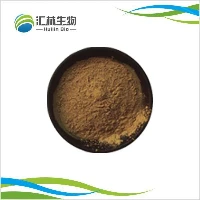
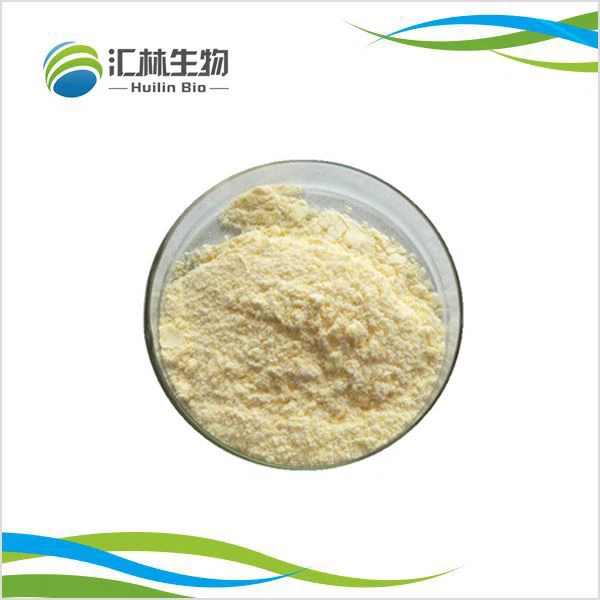
| Appearance | Light yellow to yellowish fine powder | Light yellow to off-white fine powder | Off-white to white fine powder |
| Carrier | Maltodextrin / Starch | Silicon dioxide / Microcrystalline cellulose (minimal) | Minimal or none |
| Best Applications | Functional foods, gummies, beverages | Capsules, tablets, softgels, cognitive formulas | High-potency capsules, premium formulations, clinical research |
Certificate of Analysis (COA)
| Item | Specification | Result | Method |
|---|---|---|---|
| Appearance | Light yellow to off-white fine powder | Conforms | Visual |
| Odor | Characteristic, mild | Conforms | Organoleptic |
| Particle Size | 100% pass 80 mesh | Conforms | Screening |
| Phosphatidylserine Content | ≥50.0% | 51.20% | HPLC |
| Phosphatidylcholine (PC) | Report | 8.50% | HPLC |
| Loss on Drying | ≤5.0% | 3.80% | USP 731 |
| Ash Content | ≤5.0% | 3.50% | USP 281 |
| pH (1% aqueous) | 5.0–7.0 | 5.80 | pH Meter |
| Peroxide Value | ≤5.0 meq/kg | 2.10 meq/kg | USP 401 |
| Total Heavy Metals | ≤10 ppm | Conforms | ICP-MS |
| Lead (Pb) | ≤1.0 ppm | Conforms | ICP-MS |
| Arsenic (As) | ≤1.0 ppm | Conforms | ICP-MS |
| Cadmium (Cd) | ≤0.5 ppm | Conforms | ICP-MS |
| Mercury (Hg) | ≤0.1 ppm | Conforms | ICP-MS |
| Total Plate Count | ≤10,000 cfu/g | Conforms | USP 2021 |
| Yeast & Mold | ≤1,000 cfu/g | Conforms | USP 2021 |
| E. coli | Negative | Negative | USP 2022 |
| Salmonella | Negative | Negative | USP 2022 |
| Conclusion: Conforms to specification | |||
Phosphatidylserine (PS) Benefits
- Cognitive Function & Memory Enhancement - PS is a critical phospholipid concentrated in neural cell membranes, modulating key neurotransmitter systems including acetylcholine, dopamine, and norepinephrine. Clinical trials demonstrate that PS supplementation (100–300 mg/day) significantly improves memory recall, learning capacity, and overall cognitive performance.
- Stress Reduction & Cortisol Modulation - Multiple randomized controlled trials have shown that PS supplementation effectively blunts the cortisol response to physical and mental stress, with daily intake of 400–600 mg significantly reducing post-exercise cortisol levels and improving perceived well-being.
- Sports Performance & Recovery - PS enhances exercise capacity, reduces muscle soreness, and accelerates recovery. Clinical data show decreased markers of muscle damage (creatine kinase) and improved time-to-exhaustion during endurance exercise.
- Age-Related Cognitive Decline Support - A landmark double-blind, placebo-controlled trial reported that 300 mg/day of PS over 6 months produced significant improvements in behavioral and cognitive parameters in patients with moderate cognitive decline.
- Attention & Focus - Emerging evidence suggests PS may support attention and focus, particularly in contexts involving mental fatigue, through enhanced cholinergic neurotransmission.
- Mood & Emotional Well-Being - PS modulates the HPA axis and normalizes cortisol rhythms, contributing to improved mood regulation and emotional resilience.
What is Phosphatidylserine (PS) Used For?
- Dietary Supplements - Capsules, tablets, softgels, and powder blends for cognitive enhancement, memory support, and stress management.
- Sports Nutrition - Pre-workout and post-workout formulations targeting cortisol control, recovery acceleration, and endurance support.
- Functional Foods & Beverages - Fortified snack bars, protein shakes, ready-to-drink wellness beverages.
- Senior Health Products - Standalone or combination supplements for age-related cognitive support.
- Infant & Pediatric Nutrition - Sunflower-derived PS for premium infant formula and pediatric supplements.
- Cosmetic & Personal Care - Emerging applications in anti-aging skincare and scalp care products.
- Pharmaceutical Intermediates - Raw material for PS-based therapeutic candidates targeting neurodegenerative conditions.
Frequently Asked Questions (FAQ)
Q: What is the difference between soy-based and sunflower-based PS?
A: Both deliver identical PS molecules with comparable bioavailability and efficacy. Soy-based is more established and cost-effective, while sunflower-based is allergen-free, non-GMO by default, and preferred for "clean label" formulations.
Q: What is the recommended dosage of PS?
A: Clinical studies typically use 100–600 mg/day. Cognitive enhancement: 100–300 mg/day; stress reduction and sports recovery: 400–600 mg/day; age-related cognitive support: 300 mg/day.
Q: Is PS water-soluble?
A: PS is soluble in chloroform and diethyl ether, but has limited water solubility and is insoluble in ethanol and methanol. For aqueous applications, encapsulation or emulsification may be required.
Q: Is your PS suitable for vegetarian and vegan formulations?
A: Both soy-based and sunflower-based PS are plant-derived and suitable for vegetarian formulations. Sunflower-based PS is also suitable for vegan formulations.
Q: Is the sunflower-based PS truly soy-free?
A: Yes. Manufactured in a dedicated processing line from non-GMO sunflower lecithin, with no soy inputs at any stage. Soy allergen testing available upon request.
Q: What is the regulatory status of PS?
A: PS has self-affirmed GRAS status in the US. The FDA issued a qualified health claim in 2003. In the EU, PS from soy and sunflower lecithin has been authorized as a Novel Food ingredient.
Why Choose Huilin Bio-Tech?
Xi'an Huilin Bio-tech Co., Ltd. is a high-tech biotechnology company specializing in the production, R&D, and export of natural botanical extracts and functional phospholipids. We offer both soy-based and sunflower-based PS in multiple potency grades (20%, 50%, 70%). Every batch undergoes rigorous testing for PS content (HPLC), phospholipid profile, heavy metals (ICP-MS), and microbiological purity. Products are manufactured in ISO, HACCP, KOSHER, and HALAL certified facilities with GMP-compliant production processes.
References
- Kato-Kataoka A, et al. Soybean-Derived Phosphatidylserine Improves Memory Function. J Clin Biochem Nutr. 2010;47(3):246-255.
- Kingsley MI, et al. Effects of Phosphatidylserine on Exercise Capacity. Med Sci Sports Exerc. 2006;38(1):64-71.
- Monteleone P, et al. Effects of phosphatidylserine on the neuroendocrine response to physical stress in humans. Neuroendocrinology. 1990;52(3):243-248.
- Crook TH, et al. Effects of Phosphatidylserine in Age-Associated Memory Impairment. Neurology. 1991;41(5):644-649.
- Glade MJ, Smith K. Phosphatidylserine and the Human Brain. Nutrition. 2015;31(6):781-786.
- Kim HY, Huang BX, Spector AA. Phosphatidylserine in the Brain: Metabolism and Function. Prog Lipid Res. 2014;56:1-18.
Hot Tags: phosphatidylserine (ps) powder, China, suppliers, manufacturers, factory, wholesale, buy, price, bulk, pure, natural, high quality, in stock, for sale, Amygdalin Extract, Astragalus Polysaccharide Powder, EGCG Powder, Phaseolin Powder, Puerarin Powder, Soursop Leaf Extract Powder


