



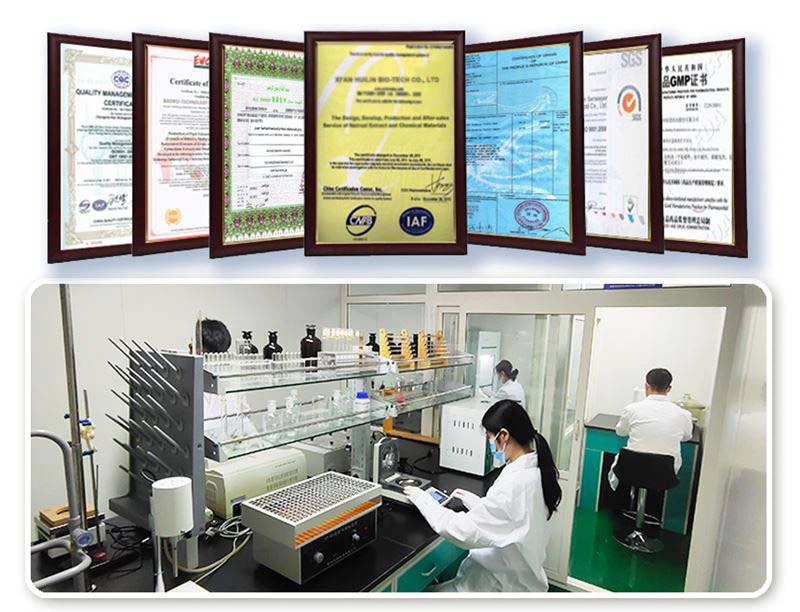
Xi'an Huilin Bio-Tech Co., Ltd. is one of the leading manufacturers and suppliers of theaspirane liquid in China. With abundant experience, we are committed to providing high quality natural products with competitive price. Please feel free to wholesale bulk pure theaspirane liquid for sale here from our factory.
Introduction to Theaspirane
Theaspirane is a naturally occurring bicyclic ether belonging to the norisoprenoid family, derived from the oxidative degradation of carotenoids[1]. It is celebrated in the industry for imparting a sophisticated, fresh, woody, and fruity-green olfactory character reminiscent of black tea, berries, and fine wines[2].
Discovered as a key aroma component in nature, it is found in black tea, grapes (wine), passion fruit, raspberries, and quince. Its scent is often described as a harmonious blend of cooling camphoraceous, minty, and sweet fruity notes, making it exceptionally versatile for creating natural and complex scent profiles[2].
Beyond its sensory appeal, specific stereoisomers like (2R,5S)-theaspirane exhibit significant biological activity, functioning as potent kairomones for insects such as the banana weevil, opening doors to innovative applications in sustainable agriculture[3].

Biochemical & Physical Parameters
| Parameter | Value / Description |
|---|---|
| Boiling Point | 237.39 °C (EPI Suite) |
| Melting Point | 39.41 °C (EPI Suite) |
| Flash Point | ~65 °C (GHS) |
| Log Kow (Octanol-Water Partition Coefficient) | 4.79 (EPI Suite) |
| Water Solubility | 3.796 mg/L @ 25°C (EPI Suite) |
| Vapor Pressure | 0.0351 mm Hg @ 20°C |
| Specific Gravity | 0.931 - 0.940 |
| Refractive Index | 1.4845 - 1.4860 |
| Optical Activity | Exists as multiple stereoisomers. The commercial product is typically a mixture of cis and trans isomers. |
| Natural Occurrence | Tea, grape, passion fruit, raspberry, blackberry, wine, and sherry. |
Mechanism of Action: Scent and Signal
Theaspirane's functionality stems from two primary, distinct mechanisms: olfactory perception in flavors/fragrances and semiochemical signaling in nature.
1. Mechanism in Flavor & Fragrance
As a fragrance and flavor molecule, Theaspirane's complex odor profile is perceived when volatile molecules bind to olfactory receptors in the nose. Its structure allows it to interact with multiple receptor types, triggering nuanced sensory notes described as[2]:
- Top Notes: Fresh, green, slightly ethereal.
- Heart Notes: Woody, camphoraceous, clean.
- Dry-down Notes: Sweet, fruity, tea-like nuances.
This progression makes it a valuable tool for perfumers and flavorists to add natural depth and diffusion.
2. Mechanism as a Bioactive Kairomone (e.g., Theaspirane B)
A remarkable aspect of Theaspirane's action is its role in insect communication. Research has identified the specific isomer (2R,5S)-theaspirane as a powerful kairomone.
- Target: The banana weevil (Cosmopolites sordidus), a major agricultural pest[3].
- Process: This compound is emitted by senesced banana leaves. It is detected by the weevil's highly sensitive antennae (electroantennography activity confirmed), triggering a strong attractive behavioral response. The weevil mistakes the scent for a viable host plant[3].
- Application: This natural, species-specific attraction mechanism is harnessed to develop effective and sustainable trapping systems, reducing the need for broad-spectrum pesticides[3].
Key Benefits for Your Products
Integrating Theaspirane into your formulations offers a competitive edge through:
- Authentic Natural Character: Imparts a recognizable, fresh-from-nature aroma found in tea, berries, and fine wines, enhancing the natural labeling appeal of products[4].
- Exceptional Blending Power: Acts as a powerful modifier and blender, smoothing harsh notes and adding sophisticated depth to citrus, woody, minty, and fruity compositions. Its ability to provide a fresh natural feel at very low concentrations (0.1-10 mg/kg) is highly valued.
- Performance Stability: Exhibits good stability under various formulation conditions, ensuring consistent scent and flavor performance throughout a product's shelf life.
- Dual-Use Potential: Offers unique R&D opportunities beyond F&F, particularly in green chemistry and sustainable agriculture for developing bioactive lures[1][3].
- Regulatory Confidence: Has been assessed for safety as a fragrance ingredient by the Research Institute for Fragrance Materials (RIFM), and is listed for use as a flavoring agent (FEMA 3774), supporting global compliance[4].
Applications Across Industries
Theaspirane's unique profile makes it a cross-functional ingredient.
| Industry | Application Examples | Functional Role & Odor Contribution |
|---|---|---|
| Fine Fragrance & Cosmetics | Perfumes, body lotions, shower gels, fine soaps. | Adds fresh top notes and clean woody-heart notes. Excellent for modern green, aromatic, and chypre fragrances. |
| Flavors & Food | Tea beverages, berry flavors, tropical fruit blends (passion fruit), wine and beer flavor enhancement, candy, desserts. | Provides authentic fruity-tea nuances and natural sweetness. Key for authentic black tea flavor replication. |
| Home & Fabric Care | Premium detergents, fabric softeners, room sprays, diffusers. | Imparts a clean, fresh outdoor scent, masking base chemical odors effectively. |
| AgroSciences | Kairomone-based bait for monitoring and mass trapping of banana weevil[3]. | Serves as the active attractant in eco-friendly Integrated Pest Management (IPM) strategies. |
Formulation Guidelines & References
Theaspirane is a versatile ingredient compatible with common formulation bases.
1. Solubility: Readily soluble in alcohol (ethanol), diethyl phthalate, benzyl benzoate, and most fixed oils. It has very low solubility in water.
2. Typical Use Level:
- In Fragrances: 0.5% - 5% in the concentrate.
- In Flavors: Extremely potent; usage levels in finished food are typically in the low mg/kg (ppm) range. For example, in final food products, recommended levels are around 3 mg/kg.
3. Blending Inspiration: It works brilliantly with:
- Citrus Oils (bergamot, lemon): Adds freshness and lift.
- Woody Notes (vetiver, cedarwood): Enhances dry, clean character.
- Herbal Notes (lavender, mint): Complements and sophisticates green facets.
- Fruity Notes (raspberry, peach ionones): Boosts natural juicy character.
Frequently Asked Questions (FAQ)
Q: What does Theaspirane smell like?
A: It has a complex, multi-faceted aroma. The dominant impression is fresh, woody, and camphoraceous (like cool wood), with clear secondary notes of sweet fruitiness (berry-like) and a distinct black tea character. It is this natural complexity that makes it so valuable.
Q: What is the difference between Theaspirane and Theaspirane B?
A: "Theaspirane" typically refers to the technical-grade mixture of isomers (cis and trans) used in fragrance and flavor. "Theaspirane B" often denotes a specific stereoisomer, such as (2R,5S)-theaspirane, which has been scientifically identified for its potent biological activity as an insect attractant. Buyers should confirm the specific isomer composition with their supplier for specialized applications.
Q: Is Theaspirane a natural product?
A: Yes, it is identified in nature and is a constituent of the essential oils or aromas of many plants and foods, including tea, grapes, and berries[4]. It can be sourced as a natural isolate or produced via synthesis to meet commercial demand and quality standards.
Q: How should Theaspirane be stored?
A: Store in a tightly sealed container in a cool, dry, and well-ventilated place, away from direct heat and ignition sources. For long-term storage, keeping it under an inert atmosphere like nitrogen can help maintain stability.
Q: Is Theaspirane safe for use in consumer products?
A: Based on a RIFM fragrance ingredient safety assessment, Theaspirane does not present concerns for genotoxicity under current use levels and exposure patterns[4]. It is approved for use as a flavoring agent (FEMA 3774). Always ensure your final product formulation complies with all applicable regional regulations (IFRA, FDA, etc.).
Contact Us
Ready to incorporate the authentic, fresh character of Theaspirane into your next successful product?
- Request a Sample: Experience its unique scent profile firsthand.
- Get a Quote: Contact us for competitive pricing on 5ml, 25ml, 100ml, or bulk quantities.
- Consult Our Experts: Discuss your specific application in flavors, fragrances, or agrochemicals for tailored technical support.
Contact our sales team today to place your order for Theaspirane (CAS 36431-72-8) and unlock nature's sophistication for your creations.
Please contact us at ella.zhang@huilinbio-tech.com.



References
- Fungi-Mediated Biotransformation of the Isomeric Forms of the Apocarotenoids Ionone, Damascone and Theaspirane. Molecules. 2018;24(1):19.
- 茶螺烷 (Theaspirane). Baidu Baike.
- (2R,5S)-Theaspirane Identified as the Kairomone for the Banana Weevil, Cosmopolites sordidus. Chemistry. 2018;24(37):9217-9219.
- RIFM fragrance ingredient safety assessment, theaspirane, CAS Registry Number 36431-72-8. Food and Chemical Toxicology. 2019;134 Suppl 1:110620.
Hot Tags: theaspirane liquid, China, suppliers, manufacturers, factory, wholesale, buy, price, bulk, pure, natural, high quality, in stock, for sale, Kelp Extract Powder, Wild Lettuce Extract Powder, Tongkat Ali Root Extract Powder, Shitake Mushroom Extract Powder


