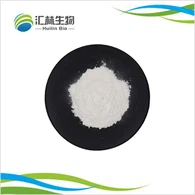

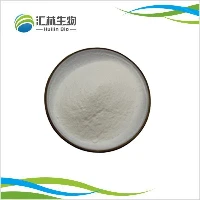
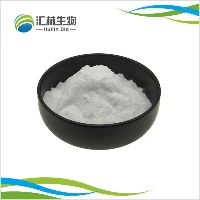


Introduction to Beta-alanine Powder
Beta-alanine (β-alanine) is the only naturally occurring beta‑type amino acid, distinguished by its amino group on the β‑carbon. Unlike alpha‑amino acids, it is not incorporated into proteins but serves as the rate‑limiting precursor for carnosine synthesis in skeletal muscle. Carnosine buffers hydrogen ions (H⁺) generated during high‑intensity exercise, delaying muscular fatigue.
Commercially, beta-alanine is a white to off‑white crystalline powder with high water solubility and a slightly sweet taste. It is produced via chemical synthesis or fermentation (bio‑based). Its carnosine‑boosting ability, clean safety profile, and FEMA GRAS status make it a key ingredient in sports nutrition, functional foods, cosmetics, and pharmaceuticals. Fermentation‑derived beta‑alanine is produced using glucose from plant sources, making it compliant with vegan, Halal, and Kosher certifications and meeting "clean‑label" demand.
Certificate of Analysis (COA)
| Test Parameter | Specification | Typical Result | Method |
|---|---|---|---|
| Appearance | White to off‑white crystalline powder | Conforms | Visual Inspection |
| Identification (HPLC/IR) | Retention time/spectrum matches standard | Conforms | HPLC / IR |
| Assay (Nonaqueous Titration) | ≥98.0% – ≥99.0% | ≥99.1% | Nonaqueous Titration |
| Assay (HPLC) | ≥98.0% – ≥99.0% | ≥99.0% | HPLC |
| Loss on Drying | ≤0.5% | ≤0.2% | Gravimetric (105°C) |
| Residue on Ignition (Ash) | ≤0.1% | ≤0.05% | Gravimetric (550°C) |
| pH (50% aqueous solution) | 6.0 – 7.5 | 6.8 | pH Meter |
| Chloride (Cl) | ≤0.02% | ≤0.005% | Turbidimetric |
| Sulfate (SO₄) | ≤0.02% | ≤0.005% | Turbidimetric |
| Heavy Metals (as Pb) | ≤10 mg/kg | ≤5 mg/kg | ICP‑MS |
| Lead (Pb) | ≤2 mg/kg | ≤0.5 mg/kg | AAS / ICP‑MS |
| Arsenic (As) | ≤1 mg/kg | ≤0.5 mg/kg | ICP‑MS |
| Mercury (Hg) | ≤0.1 mg/kg | ≤0.05 mg/kg | ICP‑MS |
| Cadmium (Cd) | ≤1 mg/kg | ≤0.1 mg/kg | ICP‑MS |
| Total Plate Count | ≤1000 CFU/g | ≤100 CFU/g | ISO 4833 |
| Yeast & Mold | ≤100 CFU/g | ≤50 CFU/g | ISO 21527 |
| E. coli | Negative (in 10 g) | Negative | ISO 7251 |
| Salmonella | Negative (in 25 g) | Negative | ISO 6579 |
| Particle Size | ≥90% through 80 mesh (180 μm) | Conforms | Sieve Analysis |
| Storage Condition | Cool, dry, light‑protected; <15°C | N/A | N/A |
| Shelf Life | 2 – 5 years from manufacture | N/A | Stability Study |
Note: A comprehensive lot‑specific Certificate of Analysis (COA) is provided with each shipment.
Manufacturing Process
Beta-alanine is produced by two main routes:
Chemical Synthesis (Acrylonitrile Route):
- Acrylonitrile + ammonia → β-aminopropionitrile
- Alkaline hydrolysis → sodium β-alaninate
- Neutralization → crystallization → drying
Fermentation (Bio‑based, Clean‑label):
- Engineered microbes (e.g., Bacillus megaterium) ferment glucose to produce L‑aspartate α‑decarboxylase
- Enzymatic decarboxylation of L‑aspartic acid → beta-alanine
- Purification (filtration, decolorization, ion‑exchange)
- Concentration, crystallization, drying
- QC testing and packaging (e.g., 25 kg bags)
Both routes yield ≥98‑99% pure beta-alanine. Fermentation‑derived grades are preferred for "natural" and "vegan" claims.
Beta-alanine benefits
1. Muscle Carnosine Enhancement (Primary Mechanism)
Beta‑alanine is the rate‑limiting precursor for carnosine synthesis in skeletal muscle. Supplementation (2–6 g/day) increases muscle carnosine concentrations by 20–80%, enhancing intracellular buffering capacity against H⁺ and delaying muscular fatigue.
2. High‑Intensity Exercise Performance Enhancement
Beta‑alanine improves performance in activities lasting approximately 30 seconds to 10 minutes. An umbrella review of systematic reviews and meta‑analyses concluded that beta‑alanine supplementation improves exercise performance across all included reviews, with effects most pronounced in middle‑distance events. When comparing beta-alanine vs. creatine, beta-alanine primarily benefits buffering capacity, whereas creatine enhances phosphocreatine regeneration; the two are often stacked for synergistic effects.
3. Combat Sports and High‑Intensity Interval Training
Beta‑alanine improves sports performance in combat sports (wrestling, judo, boxing, MMA) and enhances performance during repeated bouts of high‑intensity activity. Used as a beta-alanine pre-workout ingredient, it helps delay neuromuscular fatigue and allows for more repetitions during training.
4. Synergistic Effects with Creatine
Co‑ingestion of beta‑alanine with creatine monohydrate may produce synergistic/additive benefits for exercise performance and training adaptations.
5. Additional Physiological Benefits (via Increased Carnosine)
By elevating intramuscular carnosine levels, beta‑alanine supplementation indirectly supports:
- Intracellular pH buffering – Attenuates hydrogen ion accumulation during high‑intensity muscle contraction.
- Antioxidant protection – Carnosine scavenges reactive oxygen species and reduces oxidative stress.
- Enzyme activity modulation – Supports metabolic homeostasis.
- Calcium handling – Influences sarcoplasmic reticulum calcium dynamics for proper muscle contraction.
What is Beta‑Alanine Used for?
1. Sports Nutrition and Dietary Supplements
It is widely applied in pre-workout products, including powders, capsules, tablets, and ready-to-drink beverages. It is also formulated into post-workout recovery blends, sustained-release products, endurance formulas combined with electrolytes and carbohydrates, as well as supplements for combat sports, usually mixed with creatine, BCAAs, and glutamine.
Recommended dosage: Take 4–6 g daily for 2 to 4 weeks as a loading dose, then 2–3 g daily for maintenance. Divide the total dose into 800–1,000 mg portions and take every 4–6 hours to reduce skin paresthesia.
2. Functional Foods and Beverages
It is widely added to sports drinks, energy drinks, electrolyte water, protein bars, functional gummies, and fortified cereals. As one of the core ingredients in the food industry, beta-alanine serves as an effective pH buffer to maintain stable acidity and flavor, and also functions as a flavoring agent.
3. Cosmetic and Personal Care
Serves as a humectant in moisturizers, lotions, and facial masks. It is added to pH-balanced skincare items, anti-aging serums, and hair care products as a conditioning agent.
4. Pharmaceutical Industry
Used as a synthetic intermediate for pantothenic acid (Vitamin B5), calcium pantothenate, pamidronate sodium, and balsalazide. It can also be used as an active ingredient in supplements and for sustained-release coating materials.
5. Agriculture and Animal Feed
Applied as feed additives and preservatives for livestock and aquaculture.
6. Biochemical Research and Biotechnology
Used as a building block for peptide synthesis, a reference standard, and research material for enzyme kinetics.

Frequently Asked Questions (FAQ)
Q: What is the recommended Beta-alanine dosage? How should it be taken?
A: Loading: 4–6 g/day for 2–4 weeks; maintenance: 2–3 g/day. Divide into 800‑1,000 mg doses every 4–6 hours to reduce paresthesia (tingling). Steady‑state carnosine elevation is reached after 4–6 weeks.
Q: How long does it take for a Beta Alanine supplement to work?
A: Performance benefits typically appear after 2–4 weeks of daily loading. Maximal carnosine elevation is achieved after 4–6 weeks (or up to 24 weeks for greater adaptations).
Q: Is beta‑alanine safe for long‑term use? What about the "tingling" sensation and other Beta-alanine side effects?
A: Yes. Beta‑alanine has FDA FEMA GRAS status, EFSA approval, and self‑affirmed GRAS. The most common side effect is a transient, harmless paresthesia (tingling) caused by beta-alanine binding to TRPA1 receptors. It lasts 15–90 minutes and causes no long‑term damage, and can be mitigated by divided dosing or sustained‑release formulations. Other Beta-alanine side effects are rare and mild; no serious adverse events have been reported at ≤6.4 g/day in healthy adults. No long‑term health issues have been associated with beta‑alanine supplementation. Always adhere to recommended Beta-alanine dosage guidelines.
Q: Do you offer bio‑based (fermentation‑derived) beta‑alanine?
A: Yes. We offer both chemically synthesized and fermentation‑derived (vegan, clean‑label) grades. Please specify your preference.
Q: Do you provide samples before bulk orders?
A: Yes. Free or low‑cost samples are available.
Q: What is the difference between beta‑alanine and L‑alanine?
A: Beta‑alanine has the amino group on the β‑carbon; it is not incorporated into proteins but is the precursor for carnosine. L‑alanine (α‑amino group) is a proteinogenic amino acid involved in gluconeogenesis.
Q: Is a Beta Alanine supplement allowed in sports‑compliant formulations?
A: Yes. It is not on the WADA Prohibited List and is legal for competitive athletes.
Q: Is beta‑alanine suitable for vegan and clean‑label products?
A: Yes. Fermentation‑derived beta‑alanine is vegan, Halal, Kosher, and Non‑GMO certified. It is gluten‑free and plant‑based.
Q: Can beta‑alanine be used in combination with other active ingredients?
A: Yes. It is commonly combined with creatine, citrulline malate, BCAAs, and betaine. Beta-alanine vs creatine is not an either‑or choice; many formulators use both for complementary benefits. Always conduct compatibility testing, especially with high‑density minerals
Why Choose Us?
Your Professional Manufacturing & Sourcing Partner
We are more than a supplier - we are a comprehensive supply chain partner dedicated to high-quality ingredients, custom formulations, and finished products across multiple industries.
Professional Expertise
With years of experience in plant extracts, food additives, cosmetic raw materials, and nutritional ingredients, our team brings deep technical knowledge and market insight to every partnership.
01
Diverse Product Range
We offer a broad range of products, including food additives, plant extracts, fruit & vegetable powders, cosmetic actives, and functional food ingredients.
02
One-Stop Shop
Raw Materials: High-purity ingredients for food, beverage, supplement, and cosmetic applications.
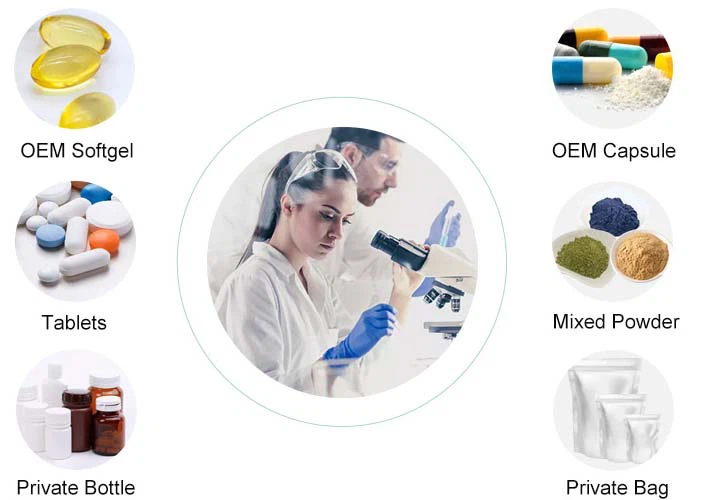
Finished Products: In-house manufacturing of capsules, soft gels, gummies, liquid drops, and blended powders.
03
OEM/ODM/OBM Services
Label Design & Packaging: Custom branding tailored to your target market.
Formulation & R&D: Expert support to develop custom blends, proprietary formulas, and innovative products.
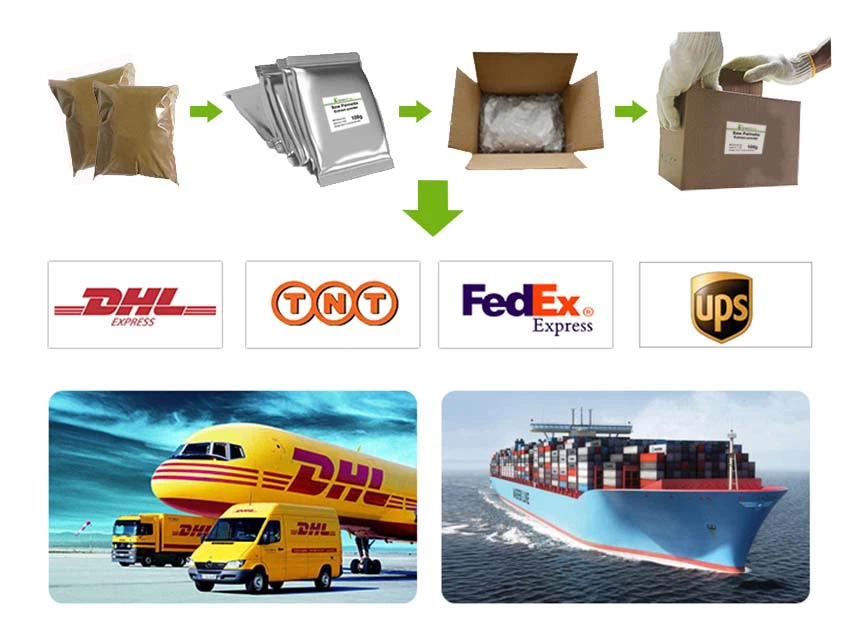
Global Logistics: Reliable shipping, documentation, and customs clearance support.
04
Quality Assurance
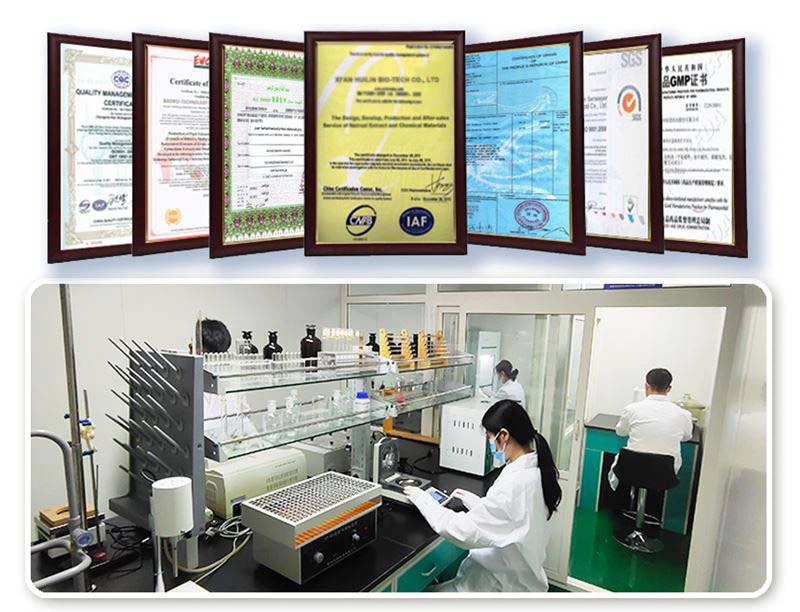
Strict adherence to GMP standards and full regulatory transparency. We stay current with global requirements, including FDA GRAS, EFSA, and other regional regulations, to ensure your products meet the highest safety and compliance standards.
05
Contact Us
Contact our sales team to discuss your requirements for Beta-Alanine Powder.
Please get in touch with us at ella.zhang@huilinbio-tech.com.


References
- Culbertson JY, Kreider RB, Greenwood M, Cooke M. Effects of Beta-Alanine on Muscle Carnosine and Exercise Performance: A Review of the Current Literature. Nutrients. 2010;2(1):75-98. DOI: 10.3390/nu2010075.
- Jayawardena R, Weerasinghe K, Sooriyaarachchi P, Hills AP. Effect of the beta-alanine supplementation in sports: an umbrella review of systematic reviews and meta-analyses. Medicina dello Sport. 2023;76(2):260-271. DOI: 10.23736/S0025-7826.23.04276-X.
- Saunders B, et al. Twenty-Four Weeks of β-Alanine Supplementation on Carnosine Content, Related Genes, and Exercise Capacity. Medicine & Science in Sports & Exercise. 2017. DOI: 10.1249/MSS.0000000000001213.
- Georgiou GD, Antoniou K, Antoniou S, Michelekaki EA, Zare R, Ali Redha A, Prokopidis K, Christodoulides E, Clifford T. Effect of Beta-Alanine Supplementation on Maximal Intensity Exercise in Trained Young Male Individuals: A Systematic Review and Meta-Analysis. International Journal of Sport Nutrition and Exercise Metabolism. 2024;34(6):397-412. DOI: 10.1123/ijsnem.2023-0252.
- U.S. Food and Drug Administration. Substances Added to Food (formerly EAFUS) – Beta-Alanine. FDA/Center for Food Safety and Applied Nutrition.
Disclaimer: This document is for informational, research, and industrial purposes only. Beta-Alanine powder is supplied as a sports nutrition ingredient, functional food additive, cosmetic ingredient, pharmaceutical intermediate, or research reagent. Not for direct human therapeutic use unless specifically manufactured and approved for such use. All product claims are based on peer‑reviewed scientific literature and are not intended as medical claims. Users are responsible for ensuring compliance with all applicable local, national, and international regulations.
Hot Tags: beta-alanine powder, China, suppliers, manufacturers, factory, wholesale, buy, price, bulk, pure, natural, high quality, in stock, for sale, 99 L arginine Powder, L lysine HCL Powder, Methyl Sulfonyl Methane Powder, Supplement Ingredients