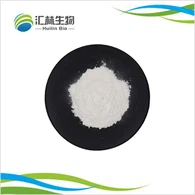

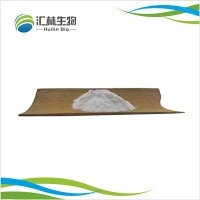

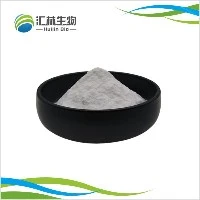
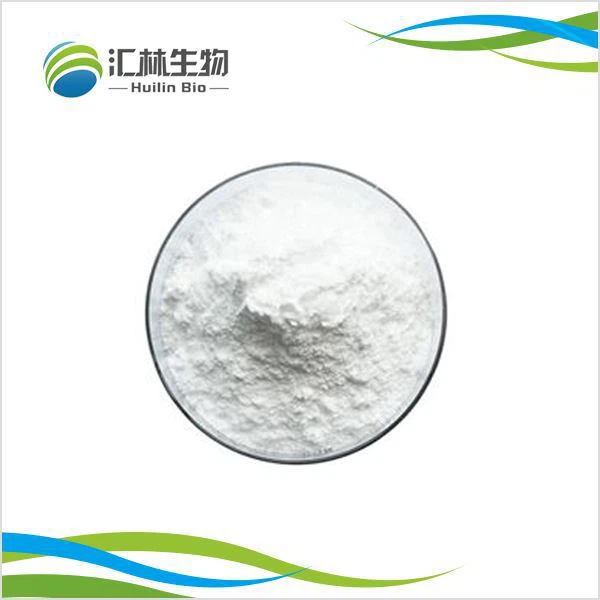
Xi'an Huilin Bio-Tech Co., Ltd. is one of the leading manufacturers and suppliers of l-citrulline dl-malate 2:1 powder in China. With abundant experience, we are committed to providing high quality natural products with competitive price. Please feel free to wholesale bulk pure l-citrulline dl-malate 2:1 powder for sale here from our factory.
Introduction to Citrulline Malate Powder
L‑Citrulline DL‑Malate (2:1) is a compound formed by combining two molecules of L‑citrulline with one molecule of DL‑malic acid. This combination delivers two synergistic benefits: (1) L‑citrulline serves as a superior precursor for L‑arginine synthesis, bypassing liver first‑pass metabolism and raising plasma arginine levels 2–3 times more effectively than direct L‑arginine intake; (2) the malate component feeds into the Krebs cycle, supporting ATP production during exercise. Together, they enhance nitric oxide (NO)‑mediated vasodilation, increase blood flow to active muscles, and reduce fatigue.
Certificate of Analysis (COA)
| Test Parameter | Specification | Typical Result | Method |
|---|---|---|---|
| Appearance | White to off‑white crystalline powder | Conforms | Visual Inspection |
| Identification (HPLC/IR) | Retention time/spectrum matches standard | Conforms | HPLC / IR |
| Assay (Nonaqueous Titration) | 98.0% – 101.0% | ≥99.0% | Nonaqueous Titration |
| L‑Citrulline Content | 62.5% – 74.2% (on dry basis) | ~68% | HPLC |
| DL‑Malate Content | 25.8% – 37.5% (on dry basis) | ~31% | HPLC |
| Loss on Drying | ≤0.3% | ≤0.2% | Gravimetric (105°C) |
| Residue on Ignition (Ash) | ≤0.1% | ≤0.05% | Gravimetric (550°C) |
| pH (1% solution) | 4.0 – 6.0 | 5.0 – 5.5 | pH Meter |
| Specific Optical Rotation | +16.5° to +18.5° (c=1, water) | +17.5° | Polarimeter |
| State of Solution (Transmittance) | ≥98.0% | ≥99% | Spectrophotometry |
| Chloride (Cl) | ≤200 ppm | ≤50 ppm | Turbidimetric |
| Ammonium (NH₄) | ≤200 ppm | ≤50 ppm | Colorimetric |
| Sulfate (SO₄) | ≤200 ppm | ≤50 ppm | Turbidimetric |
| Iron (Fe) | ≤10 ppm | ≤5 ppm | Colorimetric |
| Heavy Metals (as Pb) | ≤10 mg/kg | ≤5 mg/kg | ICP‑MS |
| Lead (Pb) | ≤3 mg/kg | ≤1 mg/kg | AAS / ICP‑MS |
| Arsenic (As₂O₃) | ≤1 ppm | ≤0.5 ppm | ICP‑MS |
| Cadmium (Cd) | ≤1 mg/kg | ≤0.2 mg/kg | ICP‑MS |
| Mercury (Hg) | ≤0.1 mg/kg | ≤0.05 mg/kg | ICP‑MS |
| Total Plate Count | ≤1000 CFU/g | ≤100 CFU/g | ISO 4833 |
| Yeast & Mold | ≤100 CFU/g | ≤50 CFU/g | ISO 21527 |
| Coliforms | ≤10 CFU/g | ≤3 CFU/g | MPN Method |
| E. coli | Negative (in 10 g) | Negative | ISO 7251 |
| Salmonella | Negative (in 25 g) | Negative | ISO 6579 |
| Bulk Density | 0.4 – 0.7 g/mL | ~0.55 g/mL | USP Bulk Density |
| Tapped Density | 0.5 – 0.8 g/mL | ~0.65 g/mL | USP Tapped Density |
| Particle Size | ≥90% through 80 mesh (180 μm) | Conforms | Sieve Analysis |
| Storage Condition | Cool, dry, light‑protected; room temperature | N/A | N/A |
| Shelf Life | 2 – 5 years from manufacture | N/A | Stability Study |
Note: A comprehensive lot‑specific Certificate of Analysis (COA) is provided with each shipment.
L-citrulline malate 2:1 benefits
1. Enhanced Nitric Oxide (NO) Production, Arginine Bioavailability & Malate Synergy
L‑Citrulline DL‑Malate (2:1) is a compound that combines L‑citrulline with DL‑malic acid. Its ergogenic effects stem from two synergistic mechanisms:
First, the L‑citrulline component serves as a superior precursor for L‑arginine synthesis. Unlike L‑arginine, which undergoes extensive first‑pass metabolism in the liver (resulting in poor oral bioavailability), L‑citrulline bypasses hepatic degradation and is efficiently converted to arginine in the kidneys via the urea cycle. Studies show that L‑citrulline supplementation increases plasma arginine levels 2–3 times more than direct L‑arginine intake. This leads to sustained nitric oxide (NO) production, enhanced vasodilation, and increased blood flow to active muscles.
Second, the DL‑malate component is an intermediate in the Krebs (TCA) cycle, contributing to increased ATP generation during exercise. By boosting both NO‑mediated blood flow and ATP production, L‑citrulline DL‑malate improves aerobic and anaerobic exercise performance, reduces fatigue, and accelerates recovery.
2. Enhanced ATP Production (Malate Synergy)
Malate is an intermediate of the Krebs (TCA) cycle and contributes to increased ATP production, which is crucial for muscular work. The malate component plays an independent ergogenic role in energy metabolism. By enhancing ATP generation, increasing vasodilation and blood flow to active musculature, and boosting work capacity, L‑citrulline DL‑malate improves both aerobic and anaerobic exercise performance.
3. Increased Muscular Endurance & Upper‑Body Performance
L‑Citrulline DL‑Malate (2:1) supplementation has been shown to significantly increase upper‑body muscular endurance. Clinical research demonstrates that compared to a placebo, citrulline malate enables athletes to complete approximately 5–6 more repetitions during upper‑body resistance exercises (e.g., bench press and incline chest press). This improvement is attributed to the compound's ability to delay fatigue by enhancing the clearance of ammonia and lactate from active muscles.
Chronic use of L‑citrulline DL‑malate enhances upper‑body muscular endurance and supports post‑exercise recovery, making it a valuable ingredient for resistance‑training athletes seeking to optimize performance and training volume.
4. Reduced Perceived Exertion (RPE) & Fatigue
Studies consistently show that L‑citrulline malate supplementation reduces perceived exertion during and after exercise, allowing athletes to maintain intensity for longer periods. By improving oxygen utilization, enhancing ammonia clearance, and reducing lactate accumulation, L‑citrulline malate helps accelerate recovery post‑exercise. Research indicates L‑citrulline supplementation may also help reduce muscle soreness and fatigue, making it a promising option for resistance‑trained athletes seeking to optimize training performance.
5. HIIT & Combat Sports Performance
A narrative review on citrulline malate mechanisms concluded that the compound serves as an NO enhancer, leading to improved performance of high‑intensity strength and power tasks through increased vasodilation of blood vessels in active musculature. L‑Citrulline malate is commonly used by athletes in combat sports (mixed martial arts, boxing, wrestling) and high‑intensity interval training (HIIT) settings to support endurance, power output, and recovery between bouts.
6. Superior Alternative to Direct Arginine Supplementation
Compared to direct L‑arginine supplementation, L‑citrulline malate offers superior pharmacokinetics:
(1) bypasses first‑pass liver metabolism,
(2) produces 2–3 times greater increases in plasma arginine concentrations,
(3) results in sustained NO production over a longer duration,
(4) avoids the gastrointestinal side effects sometimes associated with high‑dose arginine, and
(5) includes malate for independent energy production benefits.
What is 2:1 citrulline malate used for?
1. Sports Nutrition & Dietary Supplements
L‑Citrulline DL‑malate (2:1) is a well‑researched, mainstream ergogenic ingredient in the global sports nutrition industry. It is widely formulated into various fitness supplements to boost exercise performance and accelerate post-workout recovery. Its core application scenarios are as follows:
- Pre‑workout powder formulations - The most common application form. The single serving dosage ranges from 3–12 g. It is commonly compounded with creatine, beta‑alanine, betaine, and nitrates to achieve synergistic energy and performance enhancement effects.
- Intra‑workout and endurance support blends - Compatible with electrolytes, carbohydrates, and BCAAs, it helps maintain a continuous energy supply and delay physical fatigue during long-duration endurance exercise.
- Post‑workout recovery supplements - Effectively promote muscle recovery and relieve exercise-induced muscle soreness by accelerating ammonia and lactic acid clearance, and improving muscle oxygen utilization efficiency.
- Capsule and tablet formulations - Designed for consumers who prefer solid dosage forms. The conventional specification is 500–1,500 mg per capsule, with a daily intake of 1–3 capsules for daily maintenance.
- All‑in‑one comprehensive pre‑workout formulas - Most professional compound pre-workout products adopt a standard dosage of 6,000 mg per serving of L‑Citrulline DL‑Malate (2:1).
- Single-ingredient standalone powder - Pure L‑Citrulline DL‑Malate powder is available for flexible personalized dosing according to different exercise intensities and physical conditions.
- Typical Dosage Protocol: An acute single dose of 6–8 g L‑Citrulline DL‑Malate (2:1) is recommended before exercise. For periodic supplementation, 8–12 g per day is applicable, divided into two 4–6 g doses (taken 30–60 minutes before exercise and after exercise, respectively). For daily maintenance, 3 g taken twice daily with water is the standard regimen.
2. Functional Foods & Beverages
L‑Citrulline DL‑Malate is widely added to functional food and beverage products for sports and daily health care:
Sports drinks and ready-to-drink (RTD) performance beverages, energy drinks, and electrolyte water for endurance athletes; mixed into whey and plant-based protein powders as well as meal replacement powders to optimize post-exercise recovery effects; also applied to portable functional snacks, chewable tablets, and other on-the-go nutritional supplements.
3. Cardiovascular Health Research
As a key precursor of nitric oxide, L‑Citrulline DL‑Malate has been extensively studied to support normal vascular endothelial function and maintain healthy blood pressure levels by promoting nitric oxide-mediated vasodilation and improving blood circulation.
Disclaimer: This ingredient is used for sports nutrition and daily dietary supplementation, and serves as a research tool for in vitro, animal, and human trials. It is not intended to diagnose, treat, cure, or prevent any disease.
4. Pharmaceutical Industry
It is a high-purity bulk raw material for formal dietary supplement manufacturing, widely supplied to CMO factories and health product brands for formula production. With excellent water solubility and stable properties, it can be used as a functional raw material for various tablet and capsule formulations. In addition, it is commonly adopted in academic research and clinical trials related to exercise physiology, nitric oxide metabolism, and ergogenic nutrition.
5. Agriculture and Animal Feed
L‑Citrulline DL‑Malate is occasionally added to livestock and aquaculture feed formulations to regulate animal metabolic levels, relieve stress response, and improve the healthy growth state of breeding animals.
6. Biochemical Research & Biotechnology
It is a professional biochemical raw material and reference standard, widely used in HPLC and LC‑MS detection and quantitative analysis of amino acid compounds. It can be used as a specific substrate for urea cycle enzymes, such as argininosuccinate synthetase, for enzyme kinetics research. Meanwhile, it is applied in cell culture media preparation and serves as a core tool compound for exploring urea cycle metabolism and arginine‑citrulline metabolic pathways in life science research.

Frequently Asked Questions (FAQ)
Q: What is the difference between L‑citrulline and L‑citrulline DL‑malate?
A: L‑Citrulline is the pure amino acid form. L‑Citrulline DL‑malate is a compound consisting of L‑citrulline bonded to DL‑malic acid in a 2:1 ratio (two parts citrulline to one part malate). Malate is an intermediate in the Krebs cycle and contributes to increased ATP production during exercise. Many studies suggest that malate provides independent ergogenic benefits beyond citrulline alone.
Q: What is the recommended L‑citrulline malate dosage? How should it be taken?
A: For acute supplementation (single dose before exercise): 6–8 g of L‑citrulline or 8 g of citrulline malate has been recommended. For chronic daily loading: 8–12 g per day, divided into 2 doses (e.g., 4–6 g pre‑workout and 4–6 g post‑workout). A standard maintenance regimen is 3 g twice daily with water. Take 30–60 minutes before exercise for maximum performance benefits.
Q: Does L‑citrulline DL‑malate cause any side effects?
A: L‑Citrulline DL‑malate is affirmed by the FDA as GRAS (Generally Recognized as Safe) and is well‑tolerated at standard dosages (3–12 g/day). No significant side effects have been reported. Some individuals may experience mild gastrointestinal discomfort at very high doses (>15 g/day), which can be mitigated by splitting doses. Unlike beta‑alanine, citrulline malate does not cause the "tingling" (paresthesia) sensation. Pregnant or breastfeeding women and individuals with pre‑existing medical conditions should consult a physician before use.
Q: What is the difference between L‑citrulline and L‑arginine for nitric oxide production?
A: L‑Citrulline is superior to direct L‑arginine supplementation for NO production. L‑Arginine undergoes extensive first‑pass metabolism in the liver, resulting in poor oral bioavailability. L‑Citrulline bypasses hepatic degradation and is efficiently converted to arginine in the kidneys, producing 2–3 times greater increases in plasma arginine levels than direct arginine supplementation. This results in sustained, longer‑lasting NO production.
Q: How long does it take for L‑citrulline malate to work?
A: Acute benefits (NO production, vasodilation) are typically experienced 30–60 minutes after oral ingestion, peaking approximately 1–2 hours post‑consumption. Performance benefits are generally noticeable within the first supplementation session.
Q: Do you provide samples before bulk orders?
A: Yes. Free or low‑cost samples are available for quality evaluation before bulk ordering. Sample freight charges may apply for international shipments.
Q: Can L‑citrulline DL‑malate be combined with other active ingredients?
A: Yes. Common combinations include: + creatine monohydrate, + beta‑alanine, + betaine anhydrous, + nitrates (beetroot extract), + taurine. L‑Citrulline DL‑malate's high water solubility facilitates easy incorporation into liquid, powder, and capsule formulations.
Q: Is L‑citrulline DL‑malate allowed in sports‑compliant formulations?
A: Yes. It is not on the WADA Prohibited List and is legal for competitive athletes.
Why Choose Us?
Your Professional Manufacturing & Sourcing Partner
We are more than a supplier - we are a comprehensive supply chain partner dedicated to high-quality ingredients, custom formulations, and finished products across multiple industries.
Professional Expertise
With years of experience in plant extracts, food additives, cosmetic raw materials, and nutritional ingredients, our team brings deep technical knowledge and market insight to every partnership.
01
Diverse Product Range
We offer a broad range of products, including food additives, plant extracts, fruit & vegetable powders, cosmetic actives, and functional food ingredients.
02
One-Stop Shop
Raw Materials: High-purity ingredients for food, beverage, supplement, and cosmetic applications.
Finished Products: In-house manufacturing of capsules, soft gels, gummies, liquid drops, and blended powders.
03
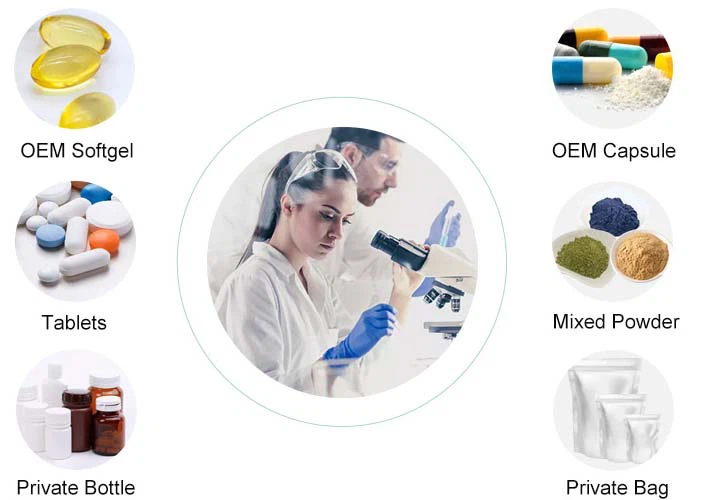
OEM/ODM/OBM Services
Label Design & Packaging: Custom branding tailored to your target market.
Formulation & R&D: Expert support to develop custom blends, proprietary formulas, and innovative products.
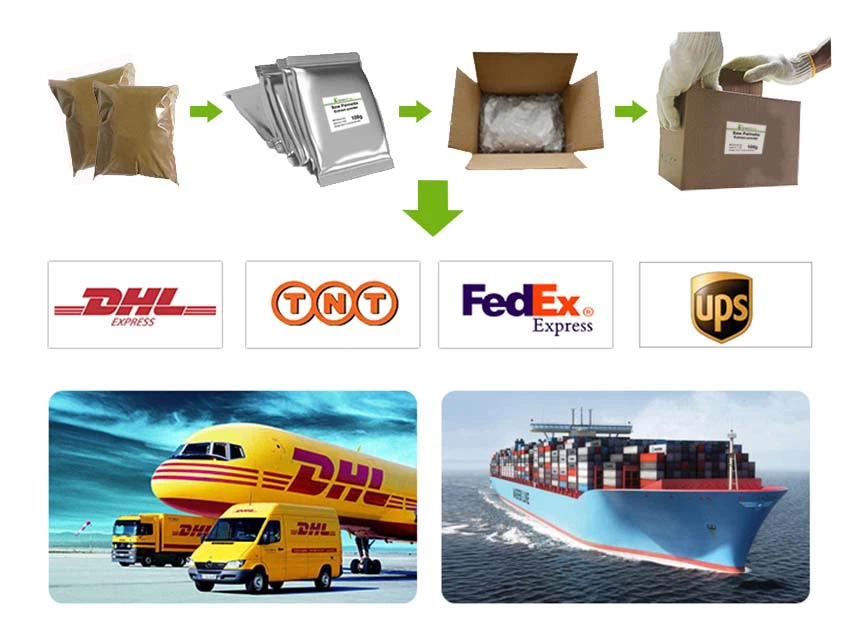
Global Logistics: Reliable shipping, documentation, and customs clearance support.
04
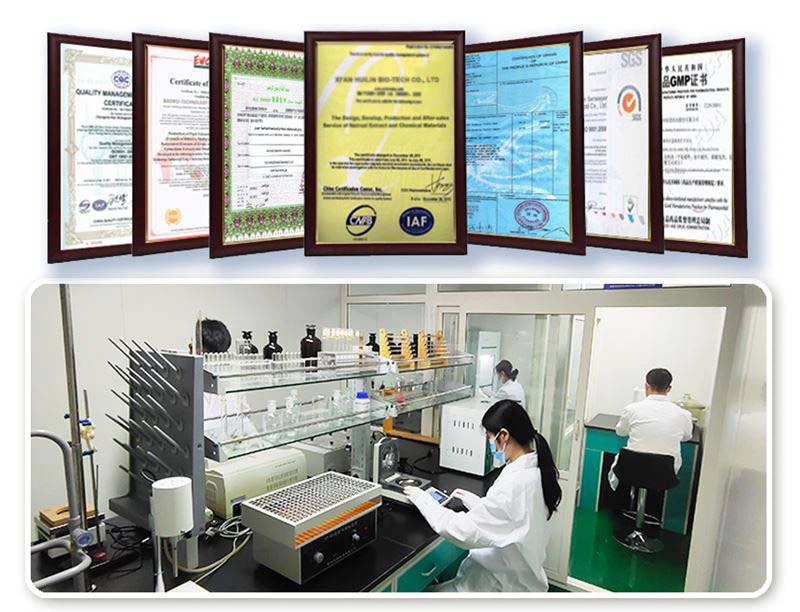
Quality Assurance
Strict adherence to GMP standards and full regulatory transparency. We stay current with global requirements, including FDA GRAS, EFSA, and other regional regulations, to ensure your products meet the highest safety and compliance standards.
05
Contact Us
Contact our sales team to discuss your requirements for L-Citrulline DL-Malate 2:1 Powder.
Please get in touch with us at ella.zhang@huilinbio-tech.com.


References
- Nobari H, Samadian L, Saedmocheshi S, Prieto-González P, MacDonald C. Overview of mechanisms related to citrulline malate supplementation and different methods of high-intensity interval training on sports performance: A narrative review. Heliyon. 2025;11(4):e42649. DOI: 10.1016/j.heliyon.2025.e42649. PMID: 40040998. PMCID: PMC11876876.
- Bayat D, Azizi M, Behpour N, Tinsley GM. Changes in resistance training performance, rating of perceived exertion, and blood biomarkers after six weeks of supplementation with L‑citrulline vs. L‑citrulline DL‑malate in resistance‑trained men: a double‑blind placebo‑controlled trial. Journal of the International Society of Sports Nutrition. 2025. DOI: 10.1080/15502783.2025.2513944.
- Examine.com Research Team. Comparing citrulline and citrulline malate for resistance exercise performance. Examine Study Summary. 2025.
Disclaimer: This document is for informational, research, and industrial purposes only. L‑Citrulline DL‑Malate (2:1) powder is supplied as a sports nutrition ingredient, functional food additive, dietary supplement raw material, or research reagent. Not for direct human therapeutic use. All product claims are based on peer‑reviewed scientific literature and are not intended as medical claims. Users are responsible for compliance with all applicable regulations.
Hot Tags: l-citrulline dl-malate 2:1 powder, China, suppliers, manufacturers, factory, wholesale, buy, price, bulk, pure, natural, high quality, in stock, for sale, 99 L arginine Powder, L lysine HCL Powder, Methyl Sulfonyl Methane Powder, Supplement Ingredients