



Introduction
L-Carnitine is a naturally occurring compound that plays an essential role in cellular energy production. Often described as a vitamin‑like nutrient, it is produced in the body from the amino acids lysine and methionine and is also found naturally in red meat, poultry, fish, and dairy products [1].
Think of L‑carnitine as your body's "fatty acid ferry." It transports long‑chain fatty acids into the mitochondria-the power plants inside your cells-where they are burned to produce ATP, the energy that fuels every cell. Without enough L‑carnitine, fat cannot be used efficiently for energy, leading to fatigue and reduced metabolic performance [1]. Beyond fat metabolism, L‑carnitine also offers antioxidant benefits, reduces exercise‑induced muscle damage, supports brain and heart health, and helps regulate blood sugar [1][4].
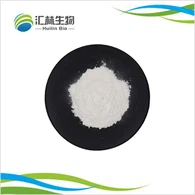
Why choose L‑Carnitine base powder? The "L‑" form is the biologically active enantiomer; D‑carnitine has no activity and may interfere. L‑Carnitine base is a white, hygroscopic crystalline powder with excellent water solubility, making it ideal for supplements, beverages, and pharmaceuticals. It is GRAS‑recognized in the US, has received positive EFSA safety evaluations, and is globally authorized for use in foods, supplements, infant nutrition, and animal feed [2][3].
Physicochemical Properties & Specifications
| Property | Value |
|---|---|
| CAS Number | 541-15-1 |
| EINECS Number | 291-749-4 |
| Molecular Formula | C₇H₁₅NO₃ |
| Molecular Weight | 161.20 g/mol |
| Appearance | White to off-white crystalline powder |
| Odor / Taste | Odorless; characteristic mild taste |
| Melting Point | 196–212°C (decomposes) |
| Solubility in Water | Freely soluble (~2500 g/L at 20°C) |
| Solubility in Organic Solvents | Slightly soluble in cold ethanol; insoluble in acetone, diethyl ether, benzene |
| pH (1% solution) | 5.5 – 8.0 |
| Specific Optical Rotation [α]²⁰/D | –29.0° to –33.0° (c=1, H₂O) |
| Loss on Drying | ≤4.0% |
| Assay Purity | 98.0% – 102.0% (USP, on dried basis) |
| D-Carnitine Content | ≤0.5% |
| Total Related Substances | ≤1.0% |
| Lead (Pb) | ≤1 mg/kg |
| Arsenic (As) | ≤1 mg/kg |
| Cadmium (Cd) | ≤0.5 mg/kg |
| Mercury (Hg) | ≤0.1 mg/kg |
| Heavy Metals (Total) | ≤10 ppm |
| Chloride (Cl) | ≤0.5% |
| Residual Solvents | Not detected |
| Total Plate Count | ≤1,000 CFU/g |
| Yeast & Mold | ≤100 CFU/g |
| E. coli | Negative |
| Salmonella | Negative |
| Bulk Density | 0.50 – 0.70 g/mL |
| Particle Size | 80–100 mesh (standard); custom micronization available |
| Storage Conditions | Cool, dry, moisture-protected; room temperature; keep container tightly closed |
| Shelf Life | 24–36 months |
| Hazard Classification | Slightly hazardous in case of inhalation, skin contact, ingestion, or eye contact; standard laboratory precautions |
Mechanism of Action
Think of L-carnitine as your body's VIP shuttle service for fat. Here's how it works in four simple steps.
Step 1 – Fat needs to enter the cellular power plant.
Inside your cells are tiny power plants called mitochondria. Long-chain fatty acids (the most energy-rich fats) cannot get into the mitochondria on their own.
Step 2 – Carnitine grabs the fatty acids.
L-Carnitine binds to long-chain fatty acids, forming a carnitine-fatty acid complex that can be recognized by transport proteins on the mitochondrial membrane.
Step 3 – Carnitine shuttles fat into the mitochondria.
A transport system (the carnitine shuttle) moves the complex inside. Once there, the fatty acid is released and burned (β-oxidation) to produce large amounts of ATP-the energy currency that powers every cell in your body [1].
Step 4 – Carnitine also removes waste.
After the fatty acid has been used, L-carnitine picks up acetyl groups (waste products) and transports them out of the mitochondria, keeping the power plants running efficiently.
In a Nutshell:
L-carnitine is the gatekeeper that allows fat to enter your cells' power plants to be burned for energy. More carnitine means better fat-burning capacity, more cellular energy, reduced muscle damage, and support for brain and heart health. Without enough L-carnitine, fat accumulates outside mitochondria, energy production slows down, and you feel tired-even if you're eating well and exercising regularly [1][4].
Health Benefits
1 Supports Fat Metabolism and Weight Management
L-Carnitine helps transport fatty acids into mitochondria for energy production, directly supporting the body's ability to burn stored fat for fuel, especially during exercise. A 2025 umbrella meta-analysis of 8 studies (16,352 participants) concluded that L-carnitine supplementation significantly reduced body weight, body mass index (BMI), and waist circumference [2]. Therefore, L-carnitine may help treat obesity and its related comorbidities.
2 Reduces Exercise-Induced Muscle Damage and Supports Recovery
Intense exercise causes oxidative stress and muscle damage, leading to soreness and reduced performance. L-carnitine supplementation reduces post‑exercise inflammatory markers, decreases oxidative damage, and accelerates recovery, allowing athletes to train harder and more frequently [1][4].
3 Supports Brain Health and Cognitive Function
L-Carnitine has been demonstrated to be effective in the treatment of Alzheimer's disease, several painful neuropathies, and other neurological conditions. It also acts as a protective agent against age-related cognitive decline [1]. The brain consumes enormous amounts of energy, and adequate carnitine levels ensure neurons have the ATP they need to fire efficiently.
4 Supports Heart Health and Peripheral Circulation
L-Carnitine is concentrated in heart muscle tissue, where it plays a critical role in energy production for the continuously beating heart. Supplementation helps improve cardiac function and has been used as a therapeutic agent for various forms of heart disease. L-Carnitine can also relieve leg pain in people with peripheral artery disease (PAD) [4].
5 Improves Blood Sugar Control and Insulin Sensitivity
A 2025 systematic review and meta-analysis found that L-carnitine supplementation significantly reduced fasting blood sugar, fasting insulin, and HOMA-IR (a measure of insulin resistance) in overweight or obese women. Greater improvements were noted with doses ≥2000 mg/day and durations ≥12 weeks [3].
6 Supports Liver Health
L-Carnitine may have therapeutic roles in liver diseases, including non‑alcoholic fatty liver disease (NAFLD), cirrhosis, and viral hepatitis. Carnitine reduces fatigue and frailty and represents a protective role in acute and chronic liver diseases [1][4].
Summary of clinical evidence: A 2023 comprehensive review confirmed L-carnitine's biomedical role across multiple organ systems, including effectiveness in treating Alzheimer's disease, painful neuropathies, heart disease, and obesity, while also reducing blood glucose levels [1].
Applications
1 Dietary Supplements
L-Carnitine powder is a staple ingredient in pre‑workout formulas, post‑workout recovery blends, standalone L-carnitine capsules and tablets, weight management formulas, and liquid shots. Typical daily dosages range from 500–2,000 mg for general wellness up to 3,000–4,000 mg for specific athletic or therapeutic applications.
2 Functional Foods and Beverages
Widely used to fortify energy drinks, ready‑to‑drink protein shakes, powdered sports drink mixes, hydration beverages, weight management meal replacement shakes, and functional waters. Its excellent water solubility and neutral taste profile make it very easy to incorporate into liquid formulations.
3 Pharmaceutical Formulations
Pharmaceutical‑grade L-carnitine serves as an API in prescription products for primary and secondary carnitine deficiency, hemodialysis‑related carnitine loss, and various metabolic disorders.
4 Animal Feed and Pet Nutrition
Feed‑grade L-carnitine is approved by EFSA for use in all animal species as a nutritional additive. It is added to livestock, poultry, aquaculture feed, equine supplements, and pet food [2].
5 Cosmetics and Personal Care
L-Carnitine is used in anti‑aging skincare formulations, hair growth formulas, and body contouring products for its antioxidant and cellular energy‑supporting properties.
6 Cell Culture and Biotechnology Research
High‑purity L-carnitine is used in mammalian cell culture media, metabolic disease research, and neuroscience studies.
Frequently Asked Questions (FAQ)
Q: What is the difference between L-Carnitine base, acetyl-L-carnitine, and L-carnitine L-tartrate?
A: L-Carnitine base is the pure, unesterified form used for general energy production, fat metabolism, and cardiovascular support. Acetyl-L-Carnitine (ALCAR) has an acetyl group that allows it to cross the blood‑brain barrier more effectively, making it primarily used for brain health and cognitive function. L-Carnitine L-Tartrate is the salt form, which is more stable, less hygroscopic, and absorbs more rapidly, making it useful for pre‑workout applications. Our L-Carnitine base is the best choice for general wellness and fat metabolism support.
Q: What is the difference between the L‑isomer and the D‑isomer?
A: The human body can only use the L-isomer (levocarnitine). The D-isomer (D-carnitine) has no metabolic function and may interfere with natural L-carnitine. High‑quality L-Carnitine powder is tested via optical rotation to confirm that D-isomer content is ≤0.5% [1].
Q: What are the critical quality control parameters?
A: Each batch is tested for HPLC purity (98.0–102.0%), isomeric purity (optical rotation –29° to –33°), D-carnitine content (≤0.5%), heavy metals, loss on drying (≤4.0%), microbial safety, residual solvents, and particle size. COA is provided with every shipment.
Q: Is L-Carnitine safe, and does it have any side effects?
A: L-Carnitine is generally safe and well-tolerated at recommended dosages (500–2,000 mg/day). The most notable side effects, when they occur, include gastrointestinal symptoms and a fishy body odor (which can be minimized by choosing L-carnitine L-tartrate over the base form). People with VLCAD deficiency or on blood thinners should consult a doctor before use [4].
Q: How stable is L-Carnitine in finished products?
A: L-Carnitine base is hygroscopic. To maintain stability, use moisture‑protected packaging (foil‑lined pouches, sealed drums with desiccant), store in a cool, dry place (15–30°C), and for liquid formulations, maintain pH 5.5–8.0. When properly stored, it maintains potency for 24–36 months.
Q: What packaging options are available?
A: Foil‑lined plastic sealed bags (1–5 kg), moisture‑protected plastic drums (10–25 kg), fiber drums (25–50 kg), customized packaging, and private‑label retail packaging upon request.
Q: What documentation is provided with each shipment?
A: COA, TDS, SDS, MSDS, specification sheet, allergen declaration, non‑GMO certificate, and Kosher/Halal certification (upon request).
Q: What is the lead time for bulk orders?
A: Standard bulk orders (≥25 kg) ship within 10–15 business days. Rush orders may be expedited at an additional charge.
Q: Do you offer custom formulations or private‑label packaging?
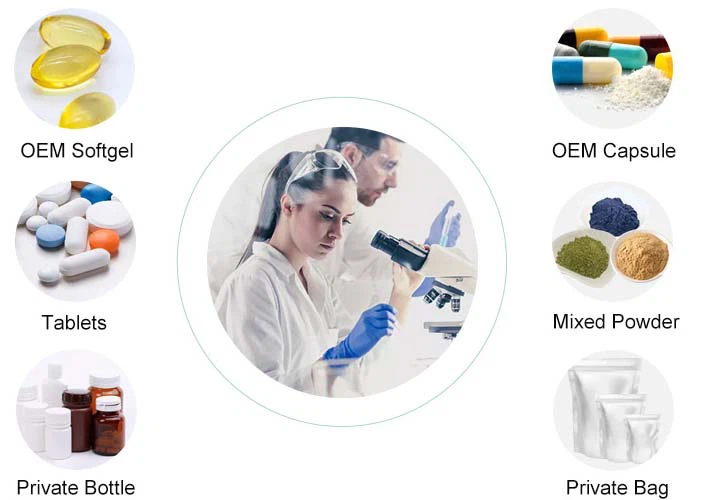
A: Yes. We offer custom micronization, custom blending with other ingredients, private‑label dry‑pack retail packaging (stick packs, pouches, tubs, jars), and finished goods contract manufacturing.
Q: Is L-Carnitine suitable for vegan/vegetarian formulations?
A: Yes. We offer L-carnitine that is 100% non‑animal derived (produced via fermentation or chemical synthesis) and suitable for vegan and vegetarian formulations. Certification available upon request. This is especially important for plant‑based consumers, who get much less dietary carnitine than omnivores [1].
Why Choose Us?
Your Professional Manufacturing & Sourcing Partner
We are more than a supplier - we are a comprehensive supply chain partner dedicated to high-quality ingredients, custom formulations, and finished products across multiple industries.
Professional Expertise
With years of experience in plant extracts, food additives, cosmetic raw materials, and nutritional ingredients, our team brings deep technical knowledge and market insight to every partnership.
01
Diverse Product Range
We offer a broad range of products, including food additives, plant extracts, fruit & vegetable powders, cosmetic actives, and functional food ingredients.
02
One-Stop Shop
Raw Materials: High-purity ingredients for food, beverage, supplement, and cosmetic applications.
Finished Products: In-house manufacturing of capsules, soft gels, gummies, liquid drops, and blended powders.
03
OEM/ODM/OBM Services
Label Design & Packaging: Custom branding tailored to your target market.
Formulation & R&D: Expert support to develop custom blends, proprietary formulas, and innovative products.
Global Logistics: Reliable shipping, documentation, and customs clearance support.
04
Quality Assurance
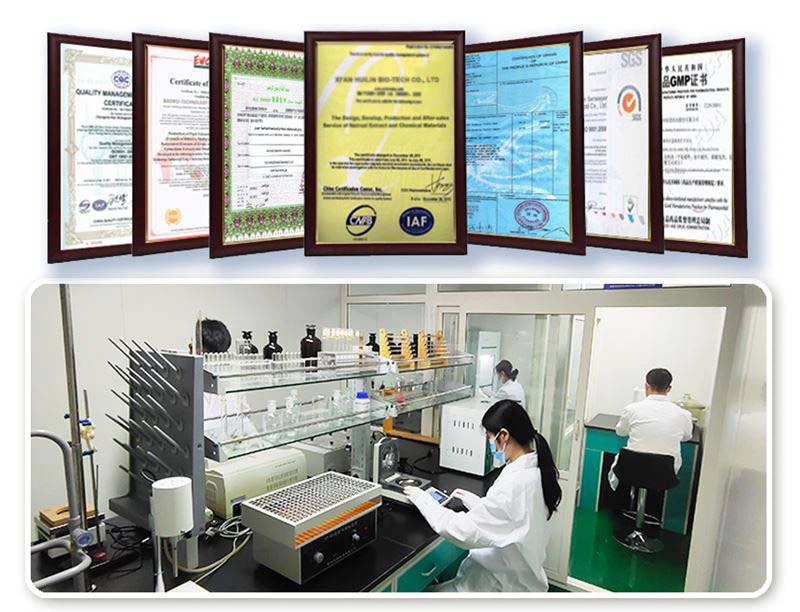
Strict adherence to GMP standards and full regulatory transparency. We stay current with global requirements, including FDA GRAS, EFSA, and other regional regulations, to ensure your products meet the highest safety and compliance standards.
05
Act Now
Ready to boost your sports nutrition, weight management, or functional food line with high‑quality Pure L-Carnitine Powder?
Contact us today for:
- Certificate of Analysis (COA) and Material Safety Data Sheet (MSDS)
- Custom packaging options
- Free samples for formulation testing
Please contact us at ella.zhang@huilinbio-tech.com.



References
Hot Tags: l-carnitine powder, China, suppliers, manufacturers, factory, wholesale, buy, price, bulk, pure, natural, high quality, in stock, for sale, Supplement Ingredients, Methyl Sulfonyl Methane Powder, 99 L arginine Powder, L lysine HCL Powder