



Introduction
Taurine (2-Aminoethanesulfonic acid) is a sulfur-containing amino acid that is abundant in various animal tissues and is considered conditionally essential for humans and absolutely essential for cats. Unlike standard amino acids, it is not incorporated into proteins but exists freely within cells, playing critical roles in numerous physiological processes. First isolated from ox bile in 1827, it is now a vital ingredient in sectors ranging from clinical nutrition and sports supplements to pet food and energy beverages.
Physical & Chemical Parameters
| Parameter | Specification / Value | Notes / Test Method |
|---|---|---|
| Melting Point | ~300 °C (decomposes) | -- |
| Solubility in Water | Highly soluble. Approximately 79 g/L at 20°C. | Forms clear, almost transparent solutions. |
| Solubility in Organic Solvents | Insoluble in ethanol, ether, and acetone. | -- |
| Specific Rotation | Not applicable (achiral molecule). | -- |
| pH (in solution) | Acidic. | -- |
| Hygroscopicity | Slightly hygroscopic. | -- |
| Storage Conditions | Store at room temperature in a cool, dark place within a tightly sealed container. Protect from air and moisture. | Stable under recommended conditions. |
| Loss on Drying | ≤0.4% (per pharmacopoeial standard). | Quality control parameter. |
Mechanism of Action
Taurine exerts its wide-ranging benefits through multiple fundamental cellular and systemic mechanisms:
- Osmoregulation & Membrane Stabilization: As a major organic osmolyte, taurine helps maintain cellular volume and fluid balance, stabilizing cell membranes and protecting against stress-induced damage.
- Calcium Homeostasis & Modulation: It regulates intracellular calcium ion (Ca²⁺) flux and signaling, which is crucial for normal cardiac muscle contraction, neuronal excitability, and skeletal muscle function.
- Antioxidant & Anti-inflammatory Activity: Taurine directly and indirectly neutralizes reactive oxygen species (ROS), reduces oxidative stress, and modulates inflammatory pathways.
- Conjugation & Detoxification: In the liver, taurine conjugates with bile acids to form bile salts (e.g., taurocholic acid), which are essential for fat emulsification, absorption, and cholesterol excretion.
- Neurotransmission: It acts as a mild inhibitory neurotransmitter or neuromodulator in the central nervous system, influencing neuronal activity and having calming effects.
- Mitochondrial Function: Emerging research highlights its role in supporting mitochondrial health and energy metabolism.
Key Benefits & Efficacy
Scientific and clinical evidence supports taurine's role in promoting health across multiple systems:
- Cardiovascular Support: Contributes to healthy blood pressure, supports cardiac contractility, exhibits anti-arrhythmic properties, and may improve lipid profiles.
- Neurological & Visual Development: Critical for the development and maintenance of the central nervous system and retina. Essential for normal visual function in infants, children, and animals.
- Metabolic Health: May improve insulin sensitivity and glucose metabolism, showing potential benefits in managing diabetes and metabolic syndrome.
- Exercise Performance & Recovery: May reduce exercise-induced oxidative stress and muscle damage, support hydration status, and potentially delay fatigue, making it popular in sports nutrition.
- Essential Pet Nutrition: For cats, it is an essential dietary nutrient. Deficiency can lead to severe health issues, including dilated cardiomyopathy (DCM) and retinal degeneration, ultimately causing blindness.
Primary Applications
| Industry/Sector | Application Examples | Purpose & Benefit |
|---|---|---|
| Dietary Supplements & Functional Foods | Capsules, tablets, powdered drink mixes, infant formula, energy drinks. | Provides systemic health benefits (cardiovascular, neurological, metabolic). In energy drinks, it is often paired with caffeine. |
| Pet Food & Nutrition | Premium cat food, dog food, specialized veterinary diets. | Prevents taurine deficiency, supporting feline heart and eye health. Considered essential in cat nutrition. |
| Pharmaceuticals | Hepatoprotective drugs, ophthalmic solutions (e.g., for conjunctivitis), injectable formulations. | Used for its therapeutic effects on the liver, eyes, and as an anti-inflammatory/antipyretic agent. |
| Cosmetics & Skincare | Serums, lotions, anti-aging creams. | Functions as an antioxidant, skin-conditioning agent, and membrane stabilizer to protect and revitalize skin. |
| Biochemical Research | Cell culture media component, reagent for studying oxidative stress, osmoregulation, and metabolic pathways. | Serves as a critical tool in life science research. |
Formulation & Safety Guidelines
- Typical Human Dosage Range: Common supplemental doses range from 250 mg to 3,000 mg per day, depending on the health goal. Clinical studies for specific conditions often use 1.5-3 g/day.
- Safety & Tolerability: Taurine has an excellent safety profile. A comprehensive risk assessment by the European Food Safety Authority (EFSA) established a No Observed Adverse Effect Level (NOAEL) of 1,000 mg per kg of body weight per day.
- Regulatory Intake Guidance: Norwegian scientific assessments suggest daily intakes up to 900 mg for children (10-14 yrs) and up to 1,000 mg for adolescents and adults from supplements are unlikely to cause adverse effects. Doses of 2,000 mg/day may pose a potential risk for all age groups.
- Dietary Intake: Average daily intake from an omnivorous diet is estimated between 40-400 mg. Vegetarians and vegans are considered at higher risk for lower intake.
FAQ: Frequently Asked Questions
Q: What are the main benefits of taking a taurine supplement?
A: Key benefits include supporting cardiovascular function, neurological health, vision, antioxidant defense, exercise performance, and blood sugar metabolism. For cats, it is essential to prevent life-threatening heart and eye diseases.
Q: Are there any side effects of taurine?
A: Taurine is generally very well-tolerated, even at high doses. Extensive reviews have not identified significant adverse effects from standard supplemental use in healthy individuals.
Q: What is the difference between taurine and caffeine in energy drinks?
A: They are completely different compounds with distinct mechanisms. Caffeine is a stimulant that acts on the central nervous system. Taurine is not a stimulant; it is thought to modulate neuronal activity, support electrolyte balance, and potentially mitigate some effects of caffeine, though their interaction is complex.
Q: Is taurine only beneficial for men?
A: No, taurine's physiological benefits apply to all genders. Research specific to male health has highlighted its abundance in the male reproductive system and its protective role for sperm quality and function.
Q: Why is taurine so important for cats?
A: Unlike many animals, cats have a very limited ability to synthesize taurine and must obtain it directly from their diet (primarily meat). Deficiency reliably leads to serious health consequences, making it a critically essential nutrient in feline nutrition.
Act Now: Source Premium Taurine for Your Innovations
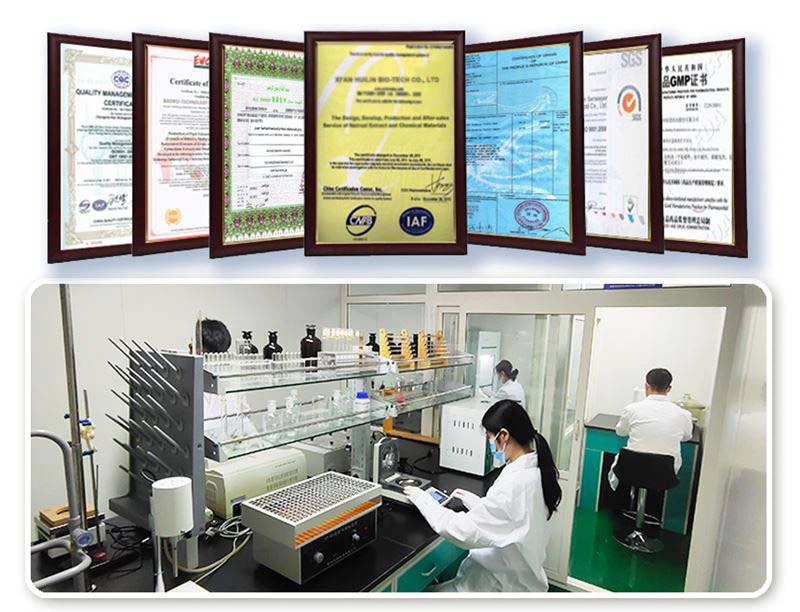
Partner with a reliable supplier for your high-purity Taurine needs. Our product is backed by comprehensive Certificates of Analysis (CoA) to ensure it meets stringent specifications for purity, safety, and regulatory compliance.
Contact our sales team today to: Get a competitive quote for your R&D pilot or commercial-scale production.
Empower your next product development with this versatile and scientifically-backed ingredient.
Please contact us at ella.zhang@huilinbio-tech.com.


Hot Tags: taurine powder, China, suppliers, manufacturers, factory, wholesale, buy, price, bulk, pure, natural, high quality, in stock, for sale, Methyl Sulfonyl Methane Powder, 99 L arginine Powder, Supplement Ingredients, L lysine HCL Powder


