


Introduction: What is Theobromine?
Theobromine is a natural bitter alkaloid belonging to the methylxanthine class of compounds, which also includes caffeine and theophylline. Its name is derived from the genus of the cacao tree, Theobroma, which translates from Greek as "food of the gods".
Primarily found in the cacao bean (Theobroma cacao), it is the key alkaloid in chocolate, contributing to its characteristic flavor profile. Unlike common perception, theobromine contains no bromine ("bromine" in its name is a historical artifact).
Historically consumed for centuries in chocolate, modern science isolates it as a pure powder for its consistent and controllable physiological effects, which are distinctly different from and often milder than those of caffeine. Today, it serves as a valuable ingredient and research compound in industries from health and wellness to pharmaceuticals.

Biochemical & Physical Parameters
| Parameter | Value / Description |
|---|---|
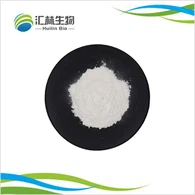
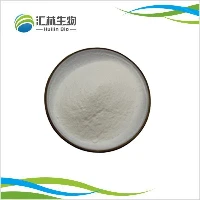
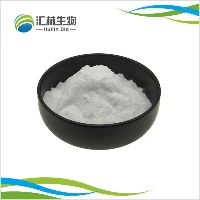
| Physical Form | White crystalline or needle-like powder |
| Melting Point | 290-295 °C / 345-350 °C (Polymorph dependent) |
| Solubility | Slightly soluble in water; Soluble in alkali solutions; Insoluble in benzene, ether. |
| Storage Conditions | Store in a cool, dry place (4°C recommended), sealed, and protected from light. |
| Shelf Life | Typically 2 years when stored properly. |
Mechanism of Action: How Theobromine Works
Theobromine exerts its primary biological effects through several key pathways at the cellular level:
1. Phosphodiesterase (PDE) Inhibition: This is its principal mechanism. Theobromine inhibits PDE enzymes, which normally break down cyclic nucleotides (cAMP and cGMP). This leads to increased levels of these secondary messengers inside cells, resulting in:
- Smooth Muscle Relaxation: Especially in blood vessels (vasodilation) and bronchial passages.
- Mild Diuresis: Increased urine production by affecting kidney function.
2. Adenosine Receptor Antagonism: Theobromine is a weak antagonist of adenosine receptors in the brain. By blocking adenosine (a neurotransmitter that promotes sleep and relaxation), it produces a mild stimulant effect, though significantly less potent than caffeine in this regard.
3. Other Effects: It may also influence intracellular calcium levels and stimulate heart muscle activity.
Key Benefits of Theobromine Powder
|
Choosing our high-purity Theobromine offers distinct advantages for manufacturers and researchers:
Primary Applications
Theobromine in Chocolate & Beyond: While dark chocolate is a well-known dietary source (containing approximately 0.5-2.7% theobromine), our pure powder enables precise and potent formulations across industries.
Theobromine vs. Caffeine: A Clear Comparison
A crucial consideration for formulators is understanding the difference between these two related alkaloids.
|
FAQ: Frequently Asked Questions
Q: What does the name "theobromine" mean?
A: It comes from "Theobroma," the genus name of the cacao tree, which is Greek for "food of the gods," plus the suffix "-ine" used for alkaloids. It does not contain the element bromine.
Q: Is theobromine safe? What are the side effects?
A: In appropriate human doses, it is generally well-tolerated. Excessive intake may lead to side effects similar to other mild stimulants, such as nausea, restlessness, or headache. It is crucially important to note that theobromine is highly toxic to dogs, cats, and some other pets, as they metabolize it very slowly. Chocolate poisoning in pets is primarily due to theobromine content.
Q: Can I use theobromine as a direct caffeine replacement?
A: Not directly. Due to its lower potency as a stimulant, you would typically need a larger dose of theobromine to achieve a similar alertness effect as caffeine. However, many formulators use them together for a balanced, layered energy profile.
Q: How do I handle and store theobromine powder?
A: Refer to the Safety Data Sheet (SDS). General precautions include wearing gloves and avoiding dust inhalation. Store in a cool, dry, sealed container away from light.
Q: What is the typical dosage?
A: Dosage varies widely by application (supplement, food, research). In supplement contexts, common doses range from 100-600 mg. We recommend consulting regulatory guidelines and conducting safety assessments for your specific product.
Contact Us
Ready to integrate high-purity Theobromine into your next innovation?
Contact our technical sales team for a detailed quotation, request a sample for evaluation, or discuss your custom formulation needs.
Place your order with confidence, supported by reliable global logistics and dedicated customer service.
Please contact us at ella.zhang@huilinbio-tech.com.




Hot Tags: theobromine powder, China, suppliers, manufacturers, factory, wholesale, buy, price, bulk, pure, natural, high quality, in stock, for sale