



What is Vanillin?
Vanillin is the primary aromatic compound responsible for the characteristic flavor and fragrance of vanilla. It is an organic phenolic aldehyde naturally occurring in vanilla beans from Vanilla planifolia, Vanilla tahitensis, and Vanilla pompona orchids [3]. Vanillin can also be produced synthetically from guaiacol or lignin, or via biotechnological fermentation using renewable feedstocks such as ferulic acid, glucose, or eugenol [3].
In cosmetics, vanillin is widely used as a fragrance ingredient and masking agent, with the INCI functions of Masking (reducing or inhibiting the odor or basic taste of a product). Vanillin is present in approximately 0.63% of cosmetics, with the highest usage concentrations found in sunscreen lip balms (9.97%), lip lacquers and inks (7.48%), glosses (5.85%), and lipsticks (5.83%) [3].
Regulatory & Safety Overview
- FDA GRAS: Vanillin is listed as "Generally Recognized as Safe" (GRAS) by the U.S. FDA under 21 CFR 182.60 for use as a synthetic flavoring substance [2].
- EU Cosmetics Regulation: Under Regulation (EU) 2023/1545 amending Regulation (EC) No 1223/2009, vanillin is classified as a fragrance allergen. It must be declared on the ingredient list when its concentration exceeds 0.001% in leave-on products or 0.01% in rinse-off products [3].
- CIR Assessment: The Cosmetic Ingredient Review (CIR) Expert Panel has evaluated vanilla-derived ingredients and concluded that 7 out of 9 ingredients are safe in cosmetics in the present practices of use and concentration when formulated to be non-sensitizing [3]. Vanillin is not a known skin sensitizer [3].
- JECFA Evaluation: The Joint FAO/WHO Expert Committee on Food Additives (JECFA) evaluated vanillin in 2019 and established that there is no safety concern at current levels of intake when used as a flavoring agent [4].
Biochemical & Physical Parameters
| Parameter | Specification |
|---|---|
| INCI Name | VANILLIN |
| CAS Number | 121-33-5 |
| EC Number | 204-465-2 |
| Molecular Formula | C₈H₈O₃ |
| Molecular Weight | 152.15 g/mol |
| Purity | ≥99.0% |
| Appearance | White to pale yellow crystalline powder or needles |
| Odor | Intensely sweet, creamy vanilla-like |
| Melting Point | 81–83°C |
| Boiling Point | ~285°C |
| Flash Point | 212°F (100°C) |
| Solubility in Water | 1 g/100 mL at 25°C |
| Solubility | Soluble in alcohol, propylene glycol |
| Heavy Metals | ≤0.001% |
| Arsenic | ≤0.0003% |
| Loss on Drying | ≤0.5% |
| Residue on Ignition | ≤0.05% |
| log P | 1.208 |
| Shelf Life | 24 months (unopened, proper storage) |
Mechanism of Action & Metabolism
Vanillin exerts its functional benefits in cosmetic applications through two primary mechanisms:
1. Antioxidant Activity
Vanillin possesses inherent antioxidant properties that help protect the skin from oxidative stress. It works by scavenging free radicals and inhibiting lipid peroxidation, thereby preventing damage to cellular proteins and lipids in the skin [3][5]. Vanillin has been recognized to have various medicinal properties, including antioxidant, antimicrobial, and anti-inflammatory activities [6][7]. The antioxidant activity of vanillin helps maintain the balance between pro-oxidant and antioxidant defenses, protecting cellular structures from oxidative harm [8].
2. Fragrance Masking
Vanillin functions primarily as a masking agent in cosmetic formulations, reducing or inhibiting undesirable odors or tastes of other ingredients [3]. Its warm, sweet, creamy vanilla aroma makes it a preferred choice for enhancing the sensory profile of skincare, lip care, hair care, and perfume products. The compound interacts with olfactory receptors, providing a pleasant sensory experience that can also help mask the scent of active ingredients with less appealing odors [3].
Benefits & Functional Advantages

1. Skincare Benefits
Antioxidant Protection
Vanillin offers antioxidant properties that help stop the oxidation of proteins and lipids in skin [3][5].
Neutralizing free radicals helps protect the skin from environmental stressors such as pollution and UV exposure, supporting a more youthful appearance [8].
Sensory Enhancement
Provides a warm, sweet, and pleasant vanilla aroma that enhances the overall sensory experience of skincare products, making them more appealing to consumers [3].

2. Lip Care Benefits
Vanillin is widely used in lip products, including lip balms, glosses, and lipsticks, for its sweet taste and pleasant aroma [3].
At concentrations up to 9.97% in sunscreen lip balms, it effectively masks the taste and odor of other ingredients while providing a desirable flavor profile [3].

3. Hair Care & Perfumery
In personal care products, vanillin adds a warm, sweet aroma to shampoos, conditioners, and perfumes, enhancing the user's sensory experience [3].
Its long-lasting aroma makes cosmetic products more attractive and memorable.
Applications
1. Skincare Formulations
| Product Type | Function | Recommended Usage |
|---|---|---|
| Moisturizers & lotions | Fragrance, antioxidant support | 0.05–0.5% |
| Anti-aging creams & serums | Antioxidant protection, sensory enhancement | 0.1–0.5% |
| Sun care & after-sun products | Fragrance, masking | 0.1–1.0% |
| Face masks & essences | Sensory enhancement | 0.05–0.3% |
| Cleansers & toners | Fragrance | 0.05–0.2% |
2. Lip Care Formulations
| Product Type | Function | Recommended Usage [3] |
|---|---|---|
| Sunscreen lip balm | Taste masking, fragrance | 0.5–10.0% |
| Lip gloss & lip lacquer | Sweet taste, pleasant aroma | 1.0–7.5% |
| Lipstick | Fragrance, taste enhancement | 1.0–5.8% |
3. Hair Care & Perfumery
| Product Type | Function | Recommended Usage |
|---|---|---|
| Shampoos & conditioners | Fragrance | 0.05–0.5% |
| Fine fragrances | Base/middle note, warm vanilla scent | 0.1–5.0% |
| Body sprays & mists | Fragrance | 0.1–2.0% |
4. Formulation Guidelines
- Solubility: Vanillin is soluble in alcohol and propylene glycol, and sparingly soluble in water (approximately 1 g/100 mL at 25°C). Pre-dissolve in a suitable solvent before incorporating into water-based formulations [1].
- pH Stability: Stable in formulations with pH 4.0–7.0. Vanillin is easily discolored when exposed to alkaline substances (pH > 7.5).
- Processing: Add at temperatures below 60°C to preserve the aromatic profile. Avoid prolonged heating.
- Storage Sensitivity: Vanillin is easily oxidized in air and can discolor on exposure to light. Protect finished formulations from light and air using opaque or amber packaging.
- Recommended Usage: 0.05–5.0% in finished cosmetic formulations, depending on product type and desired intensity. In lip products, higher concentrations (up to 10%) are acceptable [3].
- EU Regulatory Limit: Must be declared on ingredient list when >0.001% in leave-on products or >0.01% in rinse-off products [3].
FAQ: Frequently Asked Questions
Q: What is the difference between natural, synthetic, and bio-fermented vanillin?
A:
- Natural vanillin is extracted directly from vanilla beans (Vanilla planifolia, Vanilla tahitensis, or Vanilla pompona) [3].
- Synthetic vanillin is chemically synthesized, typically from guaiacol or lignin, and labeled as artificial vanillin [3].
- Bio-fermented vanillin is produced via microbial fermentation using renewable feedstocks such as ferulic acid (derived from rice bran oil) or glucose, offering a "natural" label with sustainable production [3].
All three forms are chemically identical (C₈H₈O₃) and have the same safety profile and functionality.
Q: What are the EU regulatory requirements for vanillin in cosmetics?
A: Under Regulation (EU) 2023/1545 amending Regulation (EC) No 1223/2009, vanillin is classified as a fragrance allergen. It must be declared on the ingredient list when its concentration exceeds 0.001% in leave-on products or 0.01% in rinse-off products [3].
Q: Is vanillin considered safe for use in cosmetics?
A: Yes. The FDA lists vanillin as Generally Recognized as Safe (GRAS) under 21 CFR 182.60 [2]. The Cosmetic Ingredient Review (CIR) Expert Panel has evaluated vanilla-derived ingredients and concluded that 7 out of 9 ingredients are safe for use in cosmetics at current use concentrations when formulated to be non-sensitizing [3]. The Joint FAO/WHO Expert Committee on Food Additives (JECFA) established in 2019 that there is no safety concern at current levels of intake when used as a flavoring agent [4]. Unlike many fragrance ingredients, vanillin is not a known skin sensitizer [3].
Q: What is the stability of vanillin in formulations?
A: Vanillin is stable under normal conditions but has the following sensitivities:
- Light-sensitive: May discolor on exposure to light; use opaque/amber packaging
- Oxygen-sensitive: Easily oxidized in air; use antioxidants in formulations
- pH-sensitive: Easily changes color when exposed to alkaline substances (pH > 7.5); maintain pH 4.0–7.0
- Heat-sensitive: Add at temperatures below 60°C to preserve aromatic profile
Q: What is the MOQ and lead time?
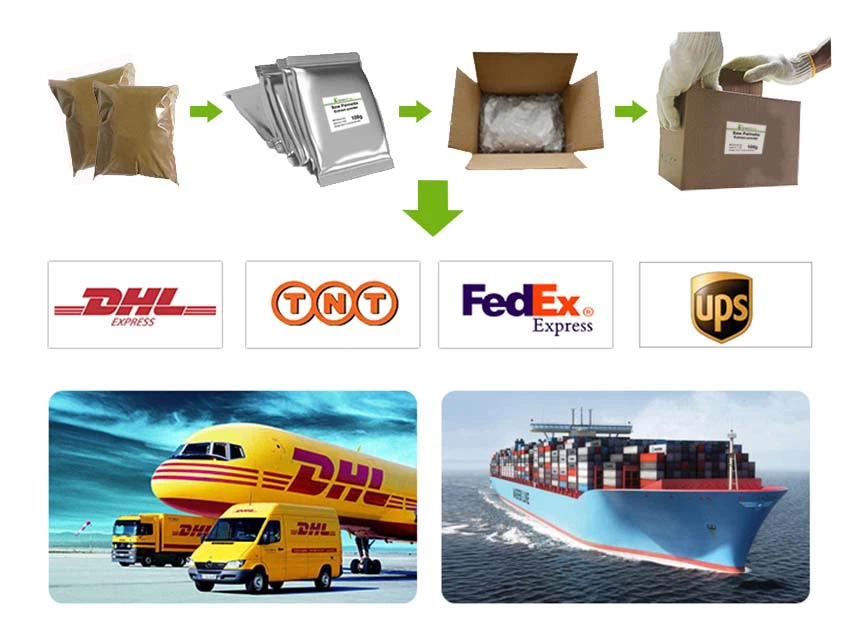
A: Standard MOQ is 25 kg (fiber drum). Samples (100–500 g) are available for testing. Lead time for commercial orders is typically 2–3 weeks after confirmation. Express shipping options are available for samples.
Q: Do you provide custom packaging and labeling?
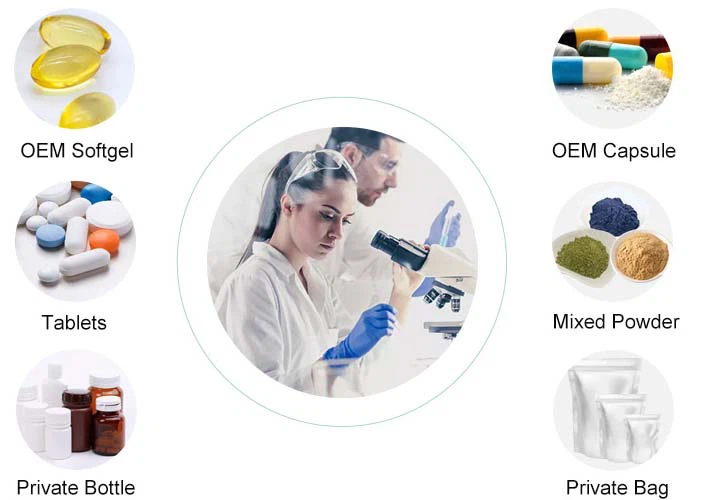
A: Yes. We offer OEM packaging (e.g., 1 kg, 5 kg, 10 kg, 25 kg) with private labeling in multiple languages. We can also design custom blends combining vanillin with other active ingredients.
Q: What regulatory documentation do you provide?
A: We supply COA, MSDS (Safety Data Sheet), Technical Data Sheet, allergen declaration, GMP statement, and upon request, Kosher/Halal/Gluten-Free certificates, IFRA compliance letter, and regulatory dossiers for target countries.
Q: Is vanillin suitable for use in leave-on products?
A: Yes, but with consideration of EU allergen labeling requirements. Vanillin is widely used in leave-on products such as moisturizers, serums, and perfumes at concentrations typically between 0.05–0.5%. The EU requires allergen declaration above 0.001%, which is almost always exceeded at functional usage levels [3].
Q: What is the shelf life and recommended storage for bulk powder?
A: 24 months when stored in the original unopened container at 2–8°C in a cool, dry, well-ventilated environment, protected from heat, light, moisture, and oxygen [1]. Once opened, use promptly and keep tightly sealed. The powder may clump if exposed to humidity.
Q: Can vanillin be used in sun care products?
A: Yes. Vanillin is used in sun care products, particularly sunscreen lip balms where it has been used at concentrations as high as 9.97% [3]. Its antioxidant properties may offer additional photoprotective benefits by neutralizing free radicals generated by UV exposure [8].
Why Choose Us?
Your Professional Manufacturing & Sourcing Partner
We are more than a supplier - we are a comprehensive supply chain partner dedicated to high-quality ingredients, custom formulations, and finished products across multiple industries.
Professional Expertise
With years of experience in plant extracts, food additives, cosmetic raw materials, and nutritional ingredients, our team brings deep technical knowledge and market insight to every partnership.
01
Diverse Product Range
We offer a broad range of products including food additives, plant extracts, fruit & vegetable powders, cosmetic actives, and functional food ingredients.
02
One-Stop Shop
Raw Materials: High-purity ingredients for food, beverage, supplement, and cosmetic applications.
Finished Products: In-house manufacturing of capsules, soft gels, gummies, liquid drops, and blended powders.
03
OEM/ODM/OBM Services
Label Design & Packaging: Custom branding tailored to your target market.
Formulation & R&D: Expert support to develop custom blends, proprietary formulas, and innovative products.
Global Logistics: Reliable shipping, documentation, and customs clearance support.
04
Quality Assurance
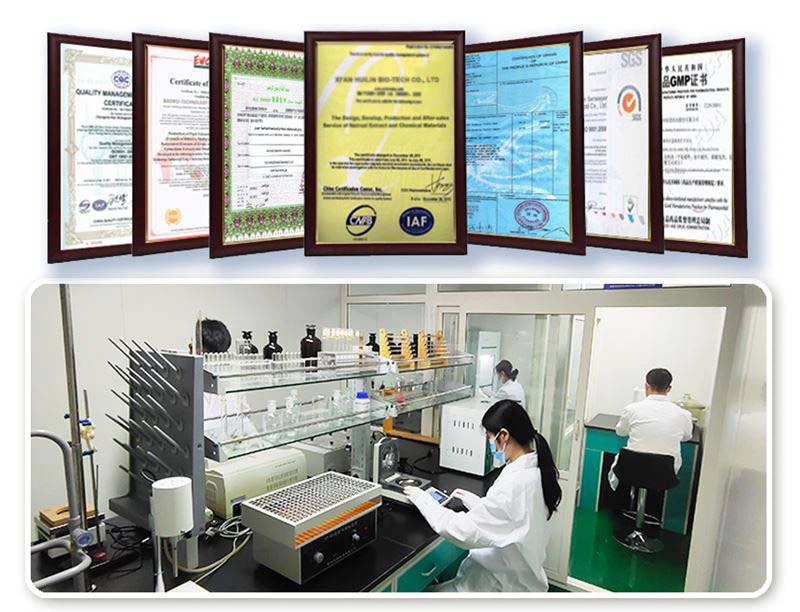
Strict adherence to GMP standards and full regulatory transparency. We stay current with global requirements including FDA GRAS, EFSA, and other regional regulations to ensure your products meet the highest safety and compliance standards.
05
Act Now
Ready to incorporate Vanillin Powder into your next cosmetic or personal care innovation?
Contact us today for:
- Certificate of Analysis (COA) and Material Safety Data Sheet (MSDS)
- Technical formulation support
- Custom packaging options
- Regulatory documentation for your target markets
- Free samples for testing
Please contact us at ella.zhang@huilinbio-tech.com.


References
- PubChem. Vanillin – Compound Summary (CID 1183). National Library of Medicine.
- U.S. Food and Drug Administration. 21 CFR 182.60 – Synthetic flavoring substances and adjuvants. Code of Federal Regulations, Title 21.
- INCI Beauty. VANILLIN – INCI Ingredient Profile.
- Joint FAO/WHO Expert Committee on Food Additives (JECFA). Vanillin – Evaluation Report. WHO Food Additives Series, 2019.
- Bora, G. Vanillin – More Than A Flavouring Agent: A Review On Its Bioactive Properties. Journal of Pharmaceutical Negative Results, 2023; 14(S01): 78. DOI: 10.47750/pnr.2023.14.S01.78
- Oluwole, O.S., et al. Vanillin: A food additive with multiple biological activities. European Journal of Medicinal Chemistry Reports, 2022; 5: 100055. DOI: 10.1016/j.ejmcr.2022.100055
- Bezerra, D.P., et al. Vanillin: A review on the therapeutic prospects of a popular flavouring molecule. Advances in Traditional Medicine, 2021; 21: 1–17. DOI: 10.1007/s13596-020-00531-w
- Tai, A., et al. Antioxidative characteristics and inhibition of α-melanocyte-stimulating hormone-stimulated melanogenesis of vanillin and vanillic acid from Origanum vulgare. Experimental Dermatology, 2010; 19(8): 742–749. DOI: 10.1111/j.1600-0625.2010.01092.x
Hot Tags: vanillin powder, China, suppliers, manufacturers, factory, wholesale, buy, price, bulk, pure, natural, high quality, in stock, for sale, Ectoine Powder, D Panthenol Powder, Copper Peptide Powder, Cosmetic Raw Material, Marine Fish Collagen Powder, Monobenzone Powder


