



Introduction
D-Malic Acid is the non-naturally occurring D-enantiomer of malic acid. While its L-isomer is ubiquitous in nature (e.g., in apples) and a central metabolite in the human body, D-malic acid is primarily produced synthetically. This distinct stereochemistry grants it unique properties and applications compared to the common L-form, making it a valuable chiral building block in advanced research, specialty chemical synthesis, and select industrial applications where its specific molecular configuration is required.
Physical & Chemical Parameters
| Parameter | Specification / Value | Notes / Reference |
|---|---|---|
| Melting Point | 100 - 104 °C | |
| Boiling Point | ~306 °C | |
| Flash Point | 153.4 °C | |
| Density | ~1.595 g/cm³ | |
| Solubility in Water | Highly soluble. Soluble in methanol, ethanol, and acetone. Practically insoluble in benzene. | |
| pH (1% Solution) | Approx. 3.0 - 4.0 | Characteristic acidic property. |
| Enthalpy of Fusion (ΔfusH) | 23.01 kJ/mol | Thermodynamic data at 376 K. |
Mechanism of Action
The biological role and mechanism of D-malic acid differ fundamentally from its L-counterpart, which is a key intermediate in the mammalian tricarboxylic acid (TCA) cycle.
- Distinction from L-Malic Acid: In most aerobic organisms, including humans, the enzymes of the TCA cycle (e.g., malate dehydrogenase, fumarase) are highly stereospecific and selectively metabolize L-malic acid to produce energy (ATP). D-malic acid is not a substrate for these primary mammalian metabolic pathways.
- Targets and Mode of Action: Its primary significance lies in its role as a chiral synthon and a substrate for specific microbial or enzymatic processes. For instance, certain bacteria like Escherichia coli possess inducible enzymes capable of metabolizing D-malic acid. In research, it interacts with specific enzymes that can utilize the D-form, influencing biochemical pathways distinct from the canonical TCA cycle.
- Metabolic Pathways: While not part of central human metabolism, D-malic acid can participate in other metabolic contexts, such as rumen fermentation in livestock, where it has been studied for its ability to alter microbial fermentation profiles.
Key Benefits & Efficacy
- High Chiral Purity: Provides a well-defined, single-enantiomer starting material for asymmetric synthesis and stereochemical studies.
- Research Specificity: Serves as an ideal negative control or comparative agent in biological experiments investigating the stereospecific functions of L-malic acid in metabolism, signaling, and enzymology.
- Specialized Functional Ingredient: In cosmetics, it functions as a mild alpha-hydroxy acid (AHA), contributing to skin exfoliation and moisturization, with a different interaction profile than the more common L-form.
- Stability & Quality: Synthetic production ensures consistent batch-to-batch purity and quality, free from natural variations.
Primary Applications
| Industry / Field | Application Examples | Functional Role & Rationale |
|---|---|---|
| Biochemical & Pharmaceutical Research | Substrate for studying specific D-acid metabolizing enzymes; chiral intermediate in synthesizing novel pharmaceutical compounds; control in metabolic pathway analysis. | Leverages its non-natural stereochemistry to probe specific biological mechanisms or to construct molecules with desired spatial configuration. |
| Cosmetics & Personal Care | Exfoliating agent in anti-aging serums and peels; pH adjuster and humectant in skin care formulations. | Acts as a mild AHA to promote skin cell renewal and improve hydration. |
| Food Science (Research Focus) | Subject of studies on alternative acidulants; research into its effects on microbial fermentation (e.g., in dairy or meat products). | Its distinct taste profile and microbial interactions are areas of investigative use, differentiating it from common food-grade L- or DL-malic acid. |
| Animal Nutrition Research | Investigated as a dietary supplement in ruminant studies to modulate rumen fermentation and reduce methane emissions. | Studies suggest it can alter the rumen microbiome profile, promoting different volatile fatty acid production. |
Important Regulatory Note: While malic acid in general (often as DL-mixture) is approved as a food additive (e.g., E 296 in the EU, INS 296 in China) for use as an acidity regulator in a wide range of food categories, the specific regulatory status of the isolated D-enantiomer for direct food use may vary by jurisdiction and should be verified for the target market. Our product is offered primarily for research and industrial synthesis purposes.
FAQ: Frequently Asked Questions
Q: What is the key difference between D-Malic Acid and L-Malic Acid?
A: They are stereoisomers (mirror-image molecules). L-Malic acid is natural, participates in human energy metabolism (TCA cycle), and is common in foods. D-Malic acid is synthetic, not metabolized via the human TCA cycle, and is used for its unique chiral properties in research and specialty applications.
Q: Is D-Malic Acid safe?
A: When handled as a laboratory or industrial chemical using appropriate precautions, it is safe. It is generally recognized as safe (GRAS) for certain uses, but it is not intended for direct human consumption as a supplement unless specifically formulated and approved for that purpose. Always refer to the Safety Data Sheet (SDS) for proper handling guidelines.
Q: Can D-Malic Acid be used as a direct replacement for L- or DL-Malic Acid in food?
A: Not directly. Due to its different metabolic fate and potential regulatory status, it should not be assumed to be a direct substitute in food formulations approved for L- or DL-malic acid. Its use in food products requires separate safety and regulatory assessment.
Act Now
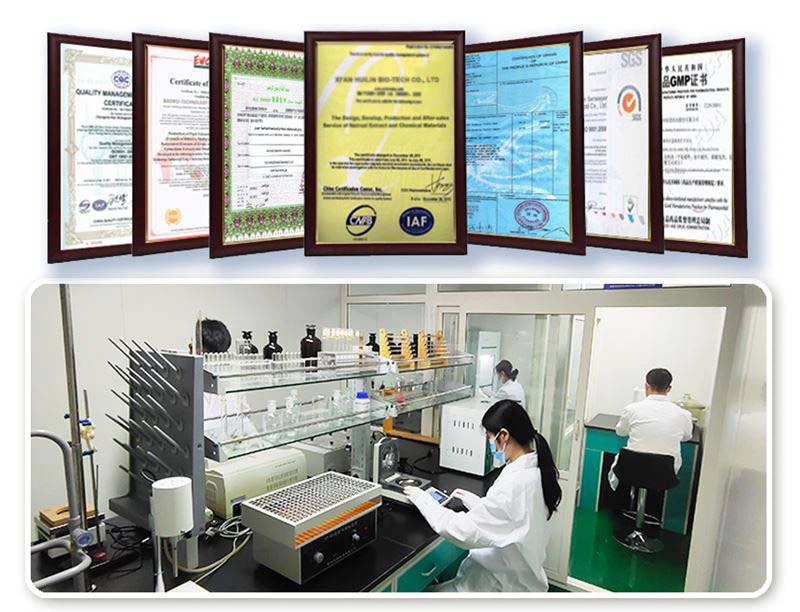
Elevate your research and product development with our reliably sourced, high-purity D-Malic Acid powder. We ensure batch-to-batch consistency, comprehensive documentation (including CoA), and full traceability.
Contact our technical sales team today to: Get a competitive quotation and learn about our flexible packaging options from grams to bulk quantities.
Please contact us at ella.zhang@huilinbio-tech.com.


Disclaimer: This product is intended for research and industrial use by qualified professionals. It is the responsibility of the buyer to ensure compliance with all applicable local, national, and international regulations regarding the handling, use, and application of this substance. The information provided here is for descriptive purposes only and does not constitute a specification or a recommendation for any specific use.
Hot Tags: d-malic acid powder, China, suppliers, manufacturers, factory, wholesale, buy, price, bulk, pure, natural, high quality, in stock, for sale, Marine Fish Collagen Powder, Natural Astaxanthin Powder, Tocopherol Powder, 2 hydroxy 4 methoxybenzoic Acid, Hydrolyzed Silk Powder, Sepiwhite MSH Powder


