



What is Ketoconazole?
Ketoconazole is a synthetic imidazole derivative with broad-spectrum antifungal activity. It was first introduced as an oral antifungal agent in the early 1980s and later developed as a topical formulation for the treatment of various skin conditions. The broad-spectrum activity of ketoconazole was reported in the early 1980s. While oral ketoconazole has largely fallen out of use due to safety concerns, including hepatotoxicity, endocrine dysregulation, and drug interactions, topical ketoconazole has proven to be a safe and effective treatment for superficial fungal infections [1].
In cosmetics, ketoconazole is highly valued for its multifunctional properties. It is clinically effective for the treatment of Malassezia-related conditions such as seborrheic dermatitis (SD) and pityriasis versicolor (PV) with a reported efficacy of 63–90% and 71–89%, respectively [1]. Beyond its antifungal effects, ketoconazole exhibits a number of ancillary properties that make it uniquely suited for cosmetic applications, including antibacterial, anti-inflammatory, sebostatic (sebum-reducing), and antiproliferative effects.
Safety Overview:
- Topical Safety: Topical ketoconazole is generally safe for dermatologic use. A systematic review of 40 studies with 4,566 patients concluded that topical KTZ demonstrates high clinical efficacy for Malassezia-related conditions, and while allergic contact dermatitis may occur, it is well-tolerated [1].
- Regulatory Status: Topical ketoconazole is FDA-approved for seborrheic dermatitis, pityriasis versicolor, cutaneous candidiasis, and dermatophyte infections.
- Contraindication: Oral ketoconazole is contraindicated due to hepatotoxicity risks; topical use is considered safe and is the only approved route for cosmetic applications.
Biochemical & Physical Parameters
| Parameter | Specification |
|---|---|
| INCI Name | KETOCONAZOLE |
| CAS Number | 65277-42-1 |
| EC Number | 265-667-4 |
| Molecular Formula | C₂₆H₂₈Cl₂N₄O₄ |
| Molecular Weight | 531.43 g/mol |
| Purity | ≥99.0% |
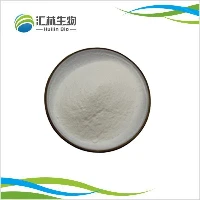
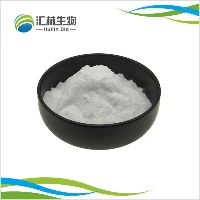
| Appearance | White to off-white crystalline powder |
| Melting Point | 146–149°C |
| Solubility in Water | Practically insoluble |
| Solubility | Soluble in ethanol, propylene glycol, DMSO, and acidic media |
| Storage Temperature | 2–8°C (protected from light) |
| Shelf Life | 36 months (unopened, proper storage) |
| Cosmetic Functions | Antidandruff, Antiseborrhoeic, Hair Conditioning, Skin Conditioning |
| FDA-Approved Indications | Seborrheic dermatitis, pityriasis versicolor, cutaneous candidiasis, dermatophyte infections |
| Off-Label Uses | Androgenetic alopecia, acne vulgaris, Pityrosporum folliculitis, seborrheic blepharitis |
Mechanism of Action
Ketoconazole exerts its skin benefits through multiple distinct yet complementary mechanisms, making it a uniquely versatile ingredient for cosmetic formulations.
1. Antifungal Activity – Ergosterol Biosynthesis Inhibition
Ketoconazole exerts its primary antifungal effect by inhibiting fungal cytochrome P450-dependent enzymes, specifically lanosterol 14-α-demethylase (CYP51), a key enzyme in the ergosterol biosynthesis pathway. Ergosterol is an essential structural component of fungal cell membranes. Inhibition of this enzyme disrupts cell membrane integrity, leading to increased membrane permeability, leakage of cellular contents, and ultimately inhibition of fungal growth. This mechanism is particularly effective against Malassezia species, the yeasts implicated in dandruff, seborrheic dermatitis, and pityriasis versicolor [1].
2. Anti-inflammatory Activity
Beyond its antifungal action, ketoconazole possesses direct anti-inflammatory properties. A 2012 study published in the Journal of Investigative Dermatology demonstrated that ketoconazole acts as an AhR-Nrf2 activator in cultured human keratinocytes, engaging the aryl hydrocarbon receptor (AhR) to activate the Nrf2 redox system, which potently downregulates either cytokine-induced (AhR-independent) or PAH-induced (AhR-dependent) oxidative stress [2]. Confocal microscopic analysis revealed that KCZ induced AhR nuclear translocation, resulting in the upregulation of CYP1A1 mRNA and protein expression, and actively switched on Nrf2 nuclear translocation and quinone oxidoreductase 1 expression [2].
Additionally, a 2006 study in Biochemical Pharmacology showed that ketoconazole suppresses TNF-α-induced CCL27, CCL2, and CCL5 secretion and mRNA expression in human keratinocytes in parallel to the inhibition of NF-κB activity, while fluconazole was ineffective [3]. These mechanisms contribute to the reduction of erythema, scaling, and pruritus associated with seborrheic dermatitis and other inflammatory scalp conditions.
3. Sebostatic (Sebum-Reducing) Activity
Ketoconazole has demonstrated sebum-reducing properties. A study by De Pedrini et al. (1988) found a statistically significant decrease in the rate of sebum production in patients administered a single daily oral dose of ketoconazole, suggesting that the drug could be proposed as a useful alternative in the treatment of acne and seborrhoea [4]. This sebostatic effect, combined with ketoconazole's ability to inhibit P. acnes lipase activity, further supports its efficacy in acne-prone skin formulations.
4. Hair Growth Stimulation
Ketoconazole has emerged as a promising treatment for androgenetic alopecia (AGA). A systematic review by Fields et al. (2020) evaluated topical ketoconazole for the treatment of AGA. Murine studies demonstrated a significant increase in the mean ratio of hair regrowth to denuded area in the ketoconazole treatment groups compared to controls. Human studies reported increased hair shaft diameter following ketoconazole use, and one study reported a significant increase in pilary index (percent anagen phase × diameter) following treatment. Studies also demonstrated clinical improvement of AGA based on photographic assessment and subjective evaluation. Topical ketoconazole is a promising adjunctive or alternative therapy in the treatment of AGA [5].
Benefits & Functional Advantages

1. Scalp Health and Anti-Dandruff Efficacy
Ketoconazole is the gold-standard active ingredient for anti-dandruff and anti-seborrheic dermatitis formulations. A systematic review of 40 studies with 4,566 patients concluded that topical KTZ demonstrates high clinical efficacy for Malassezia-related conditions such as seborrheic dermatitis (SD) and pityriasis versicolor (PV) with a reported efficacy of 63–90% and 71–89%, respectively [1]. A multicenter randomized trial (2002) compared ketoconazole 2% shampoo with zinc pyrithione 1% shampoo in 343 subjects with severe dandruff or seborrheic dermatitis. The results demonstrated that KET 2% achieved a 73% improvement in total dandruff severity score compared with 67% for ZPT 1% at week 4 (p < 0.02), and the recurrence rate was significantly lower following KET 2% treatment than following ZPT 1% treatment (p = 0.004) [6]. This superior efficacy, combined with minimal side effects, establishes ketoconazole as a highly effective and well-tolerated ingredient for scalp care products.
2. Sebum Control and Acne Management
Through its sebostatic activity, ketoconazole helps regulate excessive sebum production, making it valuable for oily skin and acne-prone formulations. A statistically significant decrease in the rate of sebum production was observed in patients administered ketoconazole, suggesting its utility in the treatment of acne and seborrhoea [4]. Additionally, ketoconazole exhibits antibacterial properties that further support its application in acne-prone skin formulations.


3. Anti-inflammatory and Soothing Effects
Through AhR-Nrf2 pathway activation, ketoconazole directly reduces inflammation, erythema, and pruritus associated with seborrheic dermatitis and other inflammatory scalp conditions. Research has shown that ketoconazole effectively inhibits TNF-α- and BaP-induced reactive oxidative species (ROS) and IL-8 production in cultured human keratinocytes [2]. Additionally, ketoconazole suppresses TNF-α-induced chemokine production via NF-κB inhibition, further contributing to its anti-inflammatory effects [3].
.4. Hair Growth Promotion
A systematic review confirmed that human studies reported increased hair shaft diameter following ketoconazole use, with topical ketoconazole identified as a promising adjunctive or alternative therapy for androgenetic alopecia (AGA) [5]. When formulated into hair care products (shampoos, scalp serums, leave-on treatments), ketoconazole can support hair density and improve the anagen-to-telogen ratio. Murine studies have demonstrated a significant increase in hair regrowth ratio compared to controls [5].

Applications
1. Scalp Care Formulations
| Product Type | Function | Recommended Usage |
|---|---|---|
| Anti-dandruff shampoos | Malassezia suppression, scaling reduction [1][6] | 1–2% |
| Scalp treatment serums (leave-on) | Sebum control, anti-inflammatory, hair growth support [5] | 0.5–2% |
| Scalp lotions & tonics | Sebostatic, dandruff prevention [4] | 0.5–2% |
| Conditioners (anti-dandruff) | Maintenance therapy, scaling control [6] | 0.5–1% |
2. Skincare Formulations
| Product Type | Function | Recommended Usage |
|---|---|---|
| Seborrheic dermatitis creams/gels | Antifungal, anti-inflammatory [1][2] | 1–2% |
| Acne-prone skin formulations | Sebum reduction, antibacterial [4] | 0.5–2% |
| Oily skin serums & lotions | Sebostatic, pore refining [4] | 0.5–2% |
| Facial cleansers (oily/acne-prone) | Mild antifungal, sebum control | 0.5–1% |
| Redness-reducing creams | Anti-inflammatory, soothing [2][3] | 0.5–1% |
3. Hair Growth Formulations
| Product Type | Function | Recommended Usage |
|---|---|---|
| Hair growth shampoos | Scalp health, follicle support [5] | 1–2% |
| Leave-on scalp serums | Hair density improvement, AGA management [5] | 0.5–2% |
| Hair tonics | DHT reduction, sebum control [5] | 0.5–2% |
4. Formulation Guidelines
- Recommended usage: 0.5%–2.0% in finished cosmetic formulations. For shampoos and rinse-off products, 1–2% is standard. For leave-on applications (serums, creams), lower concentrations (0.5–1%) are recommended.
- Solubility: Ketoconazole is practically insoluble in water but soluble in ethanol, propylene glycol, and acidic media. For aqueous formulations, pre-dissolve in a suitable cosolvent system (e.g., ethanol/propylene glycol blends) or incorporate at an acidic pH (4.0–6.0) to enhance solubility.
- Processing: Add during the emulsification or mixing phase at temperatures below 60°C. For shampoos, incorporate into the surfactant phase with warming.
- pH Stability: Optimal stability at pH 4.0–6.0. Avoid highly alkaline conditions (pH > 7.5), which may degrade the active.
- Compatibility: Compatible with most anionic, nonionic, and amphoteric surfactants used in shampoos. Avoid strong oxidizing agents. Synergistic combinations with zinc pyrithione, piroctone olamine, or salicylic acid are common in anti-dandruff formulations.
- Regulatory Considerations: Topical ketoconazole is FDA-approved for specific indications. For cosmetic use, ensure compliance with local regulations regarding the maximum permitted
Frequently Asked Questions (FAQ)
Q: What is the difference between ketoconazole powder and other dosage forms (creams, gels, foams)?
A: Ketoconazole powder is the active ingredient used to formulate finished products. Creams and gels are semisolid vehicles for leave‑on application (e.g., 2% ketoconazole cream for seborrheic dermatitis). Foams (e.g., 2% ketoconazole foam for seborrheic dermatitis) offer enhanced spreadability and are preferred for hairy areas. The powder form provides maximum flexibility for custom formulations, allowing you to choose your own vehicle, concentration, and combinations with other actives.
Q: Can ketoconazole cause skin irritation or allergic reactions?
A: While topical ketoconazole is generally well‑tolerated, allergic contact dermatitis (redness, itching, swelling) may occur in susceptible individuals [1]. A systematic review reported that adverse events were mostly mild and transient, with allergic contact dermatitis being the most common specific reaction [1]. Patch testing is recommended for individuals with known imidazole sensitivity. Unlike oral ketoconazole, topical use does not carry hepatotoxicity risks.
Q: What is the maximum permitted concentration of ketoconazole in cosmetic products?
A: Ketoconazole is not listed in the EU Cosmetics Regulation (EC) No 1223/2009 with a specific maximum concentration. However, it is considered a medicinal active ingredient in many jurisdictions. For OTC drug status in the US, the FDA monograph allows 1% in anti‑dandruff shampoos and 2% in creams for seborrheic dermatitis. For purely cosmetic claims (non‑drug), lower concentrations (0.5–1%) are typically used. Always consult local regulations before finalizing product labeling.
Why Choose Us?
Your Professional Manufacturing & Sourcing Partner
We are more than a supplier - we are a comprehensive supply chain partner dedicated to high-quality ingredients, custom formulations, and finished products across multiple industries.
Professional Expertise
With years of experience in plant extracts, food additives, cosmetic raw materials, and nutritional ingredients, our team brings deep technical knowledge and market insight to every partnership.
01
Diverse Product Range
We offer a broad range of products including food additives, plant extracts, fruit & vegetable powders, cosmetic actives, and functional food ingredients.
02
One-Stop Shop
Raw Materials: High-purity ingredients for food, beverage, supplement, and cosmetic applications.
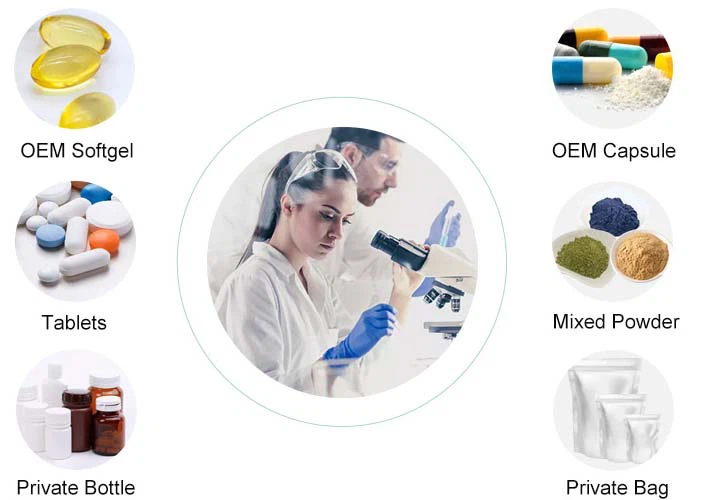
Finished Products: In-house manufacturing of capsules, soft gels, gummies, liquid drops, and blended powders.
03
OEM/ODM/OBM Services
Label Design & Packaging: Custom branding tailored to your target market.
Formulation & R&D: Expert support to develop custom blends, proprietary formulas, and innovative products.
Global Logistics: Reliable shipping, documentation, and customs clearance support.
04
Quality Assurance
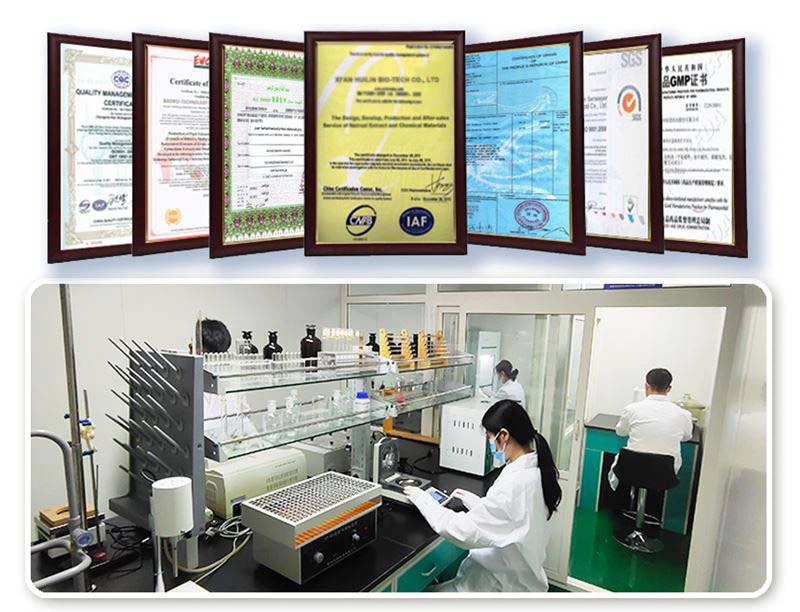
Strict adherence to GMP standards and full regulatory transparency. We stay current with global requirements including FDA GRAS, EFSA, and other regional regulations to ensure your products meet the highest safety and compliance standards.
05
Act Now
Ready to incorporate Ketoconazole Powder into your next scalp care, anti-acne, or hair growth formulation?
Contact us today for:
- Certificate of Analysis (COA) and Material Safety Data Sheet (MSDS)
- Custom packaging options
- Free samples for testing
Please contact us at ella.zhang@huilinbio-tech.com.



References
[4] De Pedrini, P., Rapisarda, R., & Spanò, G. (1988). The effect of ketoconazole on sebum secretion in patients suffering from acne and seborrhoea. International Journal of Tissue Reactions, 10(2), 111–113. PMID: 2972661
Hot Tags: ketoconazole powder, China, suppliers, manufacturers, factory, wholesale, buy, price, bulk, pure, natural, high quality, in stock, for sale, Kojic Dipalmitate Powder, Pure Kojic Acid Powder, Superoxide Dismutase Powder, Hyaluronic Acid Powder, Tocopherol Powder, Glycyrrhizic Acid Powder


