

Introduction to Linalool
Linalool is a naturally occurring terpene alcohol, renowned for its pleasant floral scent with a hint of spice. It is a primary volatile component in hundreds of plant species, most notably in lavender, coriander, rosewood, and basil [1]. This Linalool Powder form offers enhanced stability, easier handling, and improved blending capabilities compared to its liquid counterpart, making it a versatile choice for various solid and powder-based formulations. Its delightful aroma and multifaceted functional properties have made it a staple in the flavor, fragrance, and wellness industries worldwide.

Biophysical & Chemical Parameters Table
| Parameter | Specification |
|---|---|
| CAS No. | 78-70-6 |
| EC Number | 201-134-4 |
| Molecular Formula | C₁₀H₁₈O |
| Molecular Weight | 154.25 g/mol |
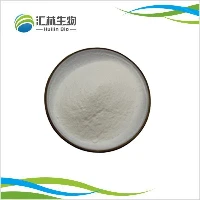
| Appearance | White to off-white fine powder |
| Assay (Purity) | ≥ 98% |
| Odor | Characteristic floral, woody (similar to lavender) |
| Boiling Point | ~198 °C (for pure linalool) |
| Flash Point | ~76 °C |
| Solubility | Soluble in alcohols, oils; sparingly soluble in water |
Mechanism of Action
The beneficial effects of linalool terpene are attributed to its interaction with biological systems through several distinct pathways:
- Olfactory Pathway (Aromatherapy): When inhaled, Linalool molecules bind to olfactory receptors in the nose. These receptors send direct signals to the brain's limbic system, which is the central hub for emotion, memory, and arousal. This is the primary mechanism behind its immediate calming and mood-influencing effects when used in aromatherapy.
- Neurological Interaction: Beyond the initial scent perception, scientific studies indicate that linalool terpene can modulate the activity of key neurotransmitter systems in the central nervous system [2]. It has been shown to influence GABAergic (promoting relaxation) and dopaminergic (associated with pleasure and mood) pathways, which explains its widely reported soothing properties.
- Antimicrobial Action: Its ability to inhibit the growth of certain bacteria and fungi is primarily due to its surfactant-like properties. Linalool can integrate into and disrupt the integrity of microbial cell membranes, leading to cell content leakage and ultimately, cell death [3].

Key Benefits of Linalool Powder
Our linalool terpene is designed to deliver a host of benefits across various applications:

- Soothing Aromatic Profile: The cornerstone of its use, the calming and pleasant floral scent helps create a relaxing atmosphere, making it ideal for stress-relief products and aromatherapy blends.
- Enhanced Product Stability: The powder form provides superior stability, reducing volatility and extending the shelf-life of your formulations compared to liquid linalool.
- Versatile Formulation Aid: Its fine, free-flowing nature ensures easy and uniform mixing into solid products like bath salts, powdered soaps, solid perfumes, and dissolvable laundry pods without separation issues.
- Natural Preservative Support: Linalool exhibits inherent antimicrobial and antifungal properties, which can help protect formulations from spoilage and extend their usability [3].
- Skin Comfort: In cosmetic applications, it is valued for its potential soothing and skin-conditioning properties.
Applications in Industry

Linalool Powder is a highly versatile ingredient. Its key applications include:
- Fragrance & Perfumery: A fundamental building block in fine fragrances, soaps, detergents, and air fresheners for its fresh, floral notes.
- Cosmetics & Personal Care: Used in powdered face masks, body powders, deodorants, and solid shampoos for its fragrance and skin-feel benefits.
- Aromatherapy & Wellness: The perfect form for creating bath bombs, herbal sachets, incense powders, and other solid relaxation products.
- Flavor & Food Industry: Employed as a flavoring agent in various food products, providing a citrusy, floral nuance (subject to local food safety regulations).
- Household Products: An effective component in natural insect repellent powders and pet care products due to its repellent properties.
Formulation Reference
Here is a simple starting formulation for a Relaxing Lavender Dusting Powder:
- Base: 95% Cornstarch or Arrowroot Powder
- Fragrance: 2% Linalool Powder
- Botanical Additive: 3% finely ground Oat Flour
- Essential Oil (optional): A few drops of Lavender Essential Oil for enhanced effect.
Instructions: In a dry container, combine the cornstarch and oat flour. Slowly add the Linalool Powder and mix thoroughly until evenly distributed. Add essential oil if using and mix again. Store in a shaker container.
Note: This is a basic guideline. Always conduct stability and compatibility tests for your specific product matrix.
Frequently Asked Questions (FAQ)
Q: Is Linalool Powder safe for skin contact?
A: Linalool is generally considered safe for use in cosmetics and personal care products. However, like many fragrance ingredients, it can cause sensitization in some individuals. It is recommended to perform a patch test before widespread use and adhere to IFRA or regional concentration guidelines.
Q: How should I store Linalool Powder?
A: Store in a tightly sealed container in a cool, dry, and well-ventilated place away from direct sunlight and heat sources to maintain its stability and shelf life.
Q: What is the difference between Linalool liquid and Linalool Powder?
A: The primary difference is the physical form. The powder version is often linalool absorbed onto a neutral carrier, offering easier incorporation into solid formulations, reduced volatility, and improved handling with minimal odor loss during processing.
Q: Is this material natural?
A: Linalool can be derived from both natural sources (through steam distillation of plants) and synthetic processes. We offer both natural and synthetic linalool from the same source. Please contact our customer service for details.
Contact Us
Ready to enhance your formulations with the stability and versatility of high-quality Linalool Powder? Contact us today to request a sample, get a quote, or speak with our technical specialists to find the perfect grade for your application needs. Let's create something amazing together! E-mail: ella.zhang@huilinbio-tech.com.
References
- Dr. Horst Surburg, Dr. Johannes Panten. (2006). Common Fragrance and Flavor Materials: Preparation, Properties and Uses. Wiley-VCH.
- Linck, V. M., et al. (2009). "Inhaled linalool-induced sedation in mice." Phytomedicine, 17(8-9), 679-683.
- Park, S. N., et al. (2012). "Antimicrobial effect of linalool and α-terpineol against periodontopathic and cariogenic bacteria." Anaerobe, 18(3), 369-372.
Hot Tags: linalool powder, China, suppliers, manufacturers, factory, wholesale, buy, price, bulk, pure, natural, high quality, in stock, for sale, Azelaic Acid Powder, Copper Peptide Powder, Asiaticoside Powder, Mandelic Acid Powder, Tranexamic Acid Powder 99 , Puer Snow White Powder