



Xi'an Huilin Bio-Tech Co., Ltd. is one of the leading manufacturers and suppliers of prunella vulgaris extract in China. With abundant experience, we are committed to providing high quality natural products with competitive price. Please feel free to wholesale bulk pure prunella vulgaris extract for sale here from our factory.
Description: What is Prunella Vulgaris Extract?
Prunella vulgaris, commonly known as Selfheal, Heal-All, or Xia Ku Cao (夏枯草) in Traditional Chinese Medicine, is a perennial herbaceous plant belonging to the Lamiaceae (mint) family. Native to Europe, Asia, and North America, it has been used for over 2,000 years in traditional medicine for its wound-healing, anti-inflammatory, and antimicrobial properties [1][4]. The plant earned the name "self-heal" due to its historical use in treating various ailments, including sore throats, wounds, and skin conditions [1][4].
In modern cosmetic applications, Prunella vulgaris extract is valued for its potent antioxidant, anti-inflammatory, and photoprotective properties. The extract is rich in rosmarinic acid (16.8–44.4 mg/g of aerial mass) and caffeic acid, which are recognized as the primary bioactive compounds responsible for its skin benefits [1][2][6].
The extract is listed in the International Nomenclature of Cosmetic Ingredients (INCI) and is widely used in skincare formulations for its ability to protect against UV-induced oxidative stress, regulate skin pH, and enhance skin barrier function [2][6].
Biochemical & Physical Parameters
| Parameter | Specification |
|---|---|
| Botanical Family | Lamiaceae (Labiatae) |
| Common Names | Selfheal, Heal-All, Prunella, Woundwort, Xia Ku Cao |
| Active Compounds | Rosmarinic acid, caffeic acid, ursolic acid, oleanolic acid, flavonoids, triterpenoids, polysaccharides |
| Rosmarinic Acid Content | 16.8 – 44.4 mg/g (dried herb) |
| Total Phenolic Content | ≥ 5% (by HPLC) |
| Loss on Drying | ≤ 5.0% |
| Ash Content | ≤ 8.0% |
| Heavy Metals | ≤ 10 ppm (Pb, As, Cd, Hg) |
| Microbial Limits | Total plate count < 1,000 CFU/g; Yeast & mold < 100 CFU/g; Absence of E. coli, Salmonella, S. aureus |
| Solubility | Water-soluble, dispersible in glycerin and propylene glycol |
| pH (1% solution) | 4.5 – 6.5 |
| Shelf Life | 24 months (unopened, proper storage) |
Mechanism of Action & Metabolism
Prunella vulgaris extract contains a complex mixture of bioactive compounds, primarily rosmarinic acid, caffeic acid, ursolic acid, and various flavonoids [1]. Its skin-related activities are attributed to multiple mechanisms, with varying levels of experimental support.
1. Antioxidant & Photoprotective Activity (Well-Established)
Multiple independent studies have demonstrated that Prunella vulgaris extract and its constituent phenolic acids possess significant antioxidant capacity [1][8]. In human keratinocyte (HaCaT) cell models, the extract was shown to:
- Reduce UVA-induced reactive oxygen species (ROS) production [6]
- Prevent lipid peroxidation and ATP depletion [6]
- Preserve reduced glutathione (GSH) levels [6]
- Reduce DNA damage and inhibit caspase-3 activation following UVA exposure [6]
These findings indicate that the extract protects skin cells from UV-induced oxidative stress and apoptosis [6]. This antioxidant mechanism is considered well-supported by in vitro evidence, though in vivo human data remain limited.
2. Skin Barrier & pH Regulation (Emerging Evidence)
A 2023 study reported that Prunella vulgaris extract and its active component caffeic acid increase the expression of Na⁺/H⁺ exchanger 1 (NHE1) in cultured human epidermal keratinocytes [2]. NHE1 plays a role in maintaining the acidic pH of the stratum corneum, which is important for skin barrier function [2]. The same study also observed upregulation of filaggrin (a precursor of natural moisturizing factors) and serine palmitoyl transferase (SPT), an enzyme involved in ceramide synthesis [2].
Important context: This mechanism has been reported by a single research group in a controlled laboratory setting [2]. While the findings are promising, they have not yet been independently replicated nor validated in human skin models. Further research is needed to establish whether this mechanism translates to measurable skin benefits in vivo.
3. Anti-Inflammatory Activity (Established in Preclinical Models)
Prunella vulgaris extract and its triterpenoid components (ursolic acid, oleanolic acid) have been shown in several in vitro studies to suppress pro-inflammatory mediators, including prostaglandin E2 and nitric oxide, in lipopolysaccharide (LPS)-stimulated immune cells [1][4]. These anti-inflammatory properties align with the plant's traditional use for soothing irritated skin [4]. However, direct evidence of anti-inflammatory effects in human skin is currently lacking [1].
4. Antimicrobial Activity (Traditionally Recognized, Limited Cosmetic Evidence)
Prunella vulgaris has a long history of traditional use for wound healing and minor infections, and some in vitro studies report antibacterial activity against certain strains [1][4]. For cosmetic applications, this property is sometimes cited as a rationale for use in acne-prone formulations. However, no controlled clinical studies have evaluated its efficacy specifically for acne or skin microbiota modulation in cosmetic formulations [1].
Benefits & Functional Advantages
Based on the mechanisms described above, Prunella vulgaris extract offers the following potential benefits for cosmetic applications. The level of evidence supporting each benefit is noted.
1. Photoprotection & Anti-Aging (Supported by In Vitro Evidence)
- Protection against UVA-induced oxidative stress: In keratinocyte models, the extract reduces ROS, prevents DNA damage, and inhibits cell death following UV exposure [6]. This suggests potential utility in anti-aging and after-sun formulations.
- Limitation: Human clinical evidence demonstrating visible anti-aging effects (e.g., reduction in wrinkles, improved firmness) has not yet been published [1].
2. Skin Barrier Support (Emerging Evidence)
- Potential to enhance barrier function: A single study reported that the extract and caffeic acid upregulate filaggrin and ceramide synthesis-related genes in cultured keratinocytes [2].
- Limitation: These findings are preliminary and require independent replication. No human studies have confirmed barrier-enhancing effects on intact skin [2].
3. Soothing & Anti-Irritant Properties (Traditional Use + Preclinical Support)
- Anti-inflammatory activity: In vitro studies demonstrate suppression of pro-inflammatory mediators [1][4], supporting traditional use for calming irritated skin [4].
- Limitation: Controlled clinical trials in sensitive or inflamed skin are absent [1]. Efficacy may vary depending on formulation and individual skin condition.
4. Antioxidant Protection (Well-Established)
- Neutralizes free radicals: Rich in rosmarinic acid and other phenolic compounds, the extract acts as an antioxidant that may help protect skin from environmental stressors such as pollution and UV exposure [1][6][8].
- This property is well-documented in chemical and cell-based assays [1] and is a primary reason for its inclusion in skincare formulations.
Applications
1. Skincare & Cosmetics
| Application | Formulation Type | Function |
|---|---|---|
| Anti-aging creams | Emulsions, serums | Photoprotection, antioxidant, barrier support |
| Sun care (after-sun) | Lotions, gels, sprays | Soothes UV-damaged skin, reduces oxidative stress |
| Sensitive skin care | Calming creams, toners | Anti-inflammatory, pH-regulating |
| Acne-prone skin | Cleansers, spot treatments | Antimicrobial, anti-inflammatory |
| Moisturizers | Creams, lotions | Barrier enhancement, NMF support |
| Masks & Essences | Sheet masks, ampoules | Intensive antioxidant treatment |
2. Recommended Usage
- Recommended dosage: 0.5% – 5.0% in finished cosmetic formulations
- Solubility: Dissolve in water phase; compatible with glycerin and propylene glycol
- pH stability: Stable in formulations with pH 4.5 – 6.5
- Processing: Add at temperatures below 50°C to preserve heat-sensitive bioactives
3. Traditional Medicinal Applications (Reference Only)
- European Herbal Medicine: wound healing, sore throat, intestinal infections [1]
- Traditional Chinese Medicine: thyroid dysfunction, mastitis, fever, migraine [1]
- Canada NHP Monograph: topical use for minor wounds and hemorrhoids (external use only) [4]
FAQ: Frequently Asked Questions
Q: What is the common name for Prunella vulgaris?
A: Prunella vulgaris is commonly known as Selfheal, Heal-All, Prunella, Woundwort, and in Chinese medicine, Xia Ku Cao (夏枯草) [1][4].
Q: Is Prunella vulgaris extract safe for cosmetic use?
A: Yes. Safety studies in human keratinocytes (HaCaT) showed no cytotoxic effects at concentrations up to 100 μg/mL for caffeic acid and 100 μg/mL for the extract [2]. The extract is listed in the INCI database and is approved for use in cosmetics globally. For topical applications, it is considered safe when used as directed [4].
Q: What are the side effects or precautions?
A: Prunella vulgaris is generally well-tolerated when used topically. However, as with any botanical ingredient:
- Conduct a patch test before widespread use
- For external use only; avoid contact with eyes [4]
- If irritation occurs, discontinue use [4]
- Not recommended for use on deep wounds, puncture wounds, or animal bites [4]
Q: What is the traditional medicinal use of selfheal?
A: Traditionally, selfheal (Prunella vulgaris) has been used for:
- Wound healing (vulnerary) and as an astringent [4]
- Sore throat, fever, and intestinal infections [1]
- In TCM: thyroid disorders, mastitis, and liver-related conditions [4]
Q: Is Prunella vulgaris the same as "selfheal"?
A: Yes. "Selfheal" is the common English name for Prunella vulgaris, derived from its traditional use in healing wounds and various ailments [1] [4].
Why Choose Us?
Your Professional Manufacturing & Sourcing Partner
We are more than a supplier - we are a comprehensive supply chain partner dedicated to high-quality ingredients, custom formulations, and finished products across multiple industries.
Professional Expertise
With years of experience in plant extracts, food additives, cosmetic raw materials, and nutritional ingredients, our team brings deep technical knowledge and market insight to every partnership.
01
Diverse Product Range
We offer a broad range of products including food additives, plant extracts, fruit & vegetable powders, cosmetic actives, and functional food ingredients.
02
One-Stop Shop
Raw Materials: High-purity ingredients for food, beverage, supplement, and cosmetic applications.
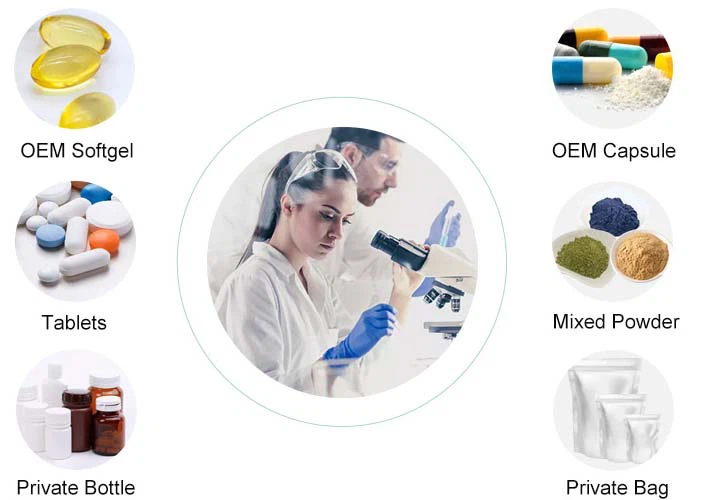
Finished Products: In-house manufacturing of capsules, soft gels, gummies, liquid drops, and blended powders.
03
OEM/ODM/OBM Services
Label Design & Packaging: Custom branding tailored to your target market.
Formulation & R&D: Expert support to develop custom blends, proprietary formulas, and innovative products.
Global Logistics: Reliable shipping, documentation, and customs clearance support.
04
Quality Assurance
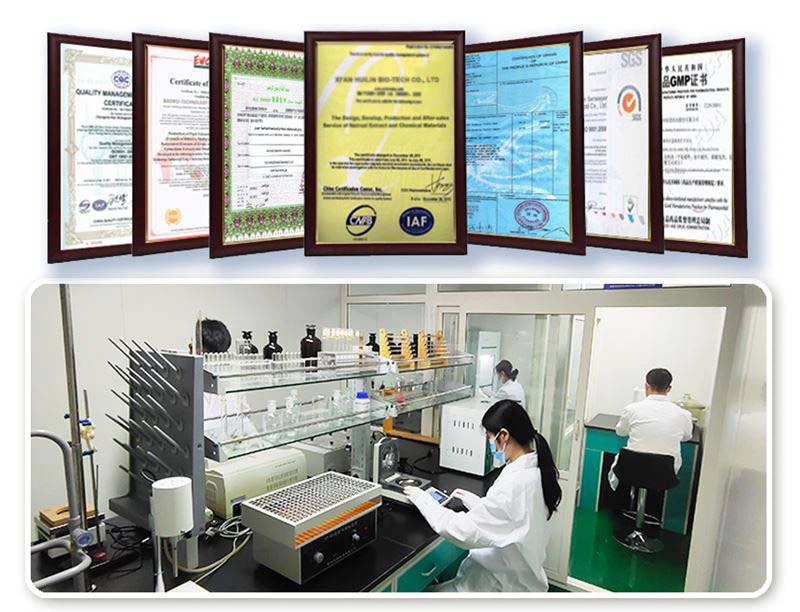
Strict adherence to GMP standards and full regulatory transparency. We stay current with global requirements including FDA GRAS, EFSA, and other regional regulations to ensure your products meet the highest safety and compliance standards.
05
Act Now
Ready to incorporate Prunella vulgaris extract into your next skincare innovation?
Contact us today for:
- Certificate of Analysis (COA) and Material Safety Data Sheet (MSDS)
- Technical formulation support
- Custom extraction and packaging options
- Regulatory documentation
Please contact us at ella.zhang@huilinbio-tech.com.



References
- Zholdasbayev, M.E., Atazhanova, G.A., Musozoda, S., & Poleszak, E. (2023). Prunella vulgaris L.: An Updated Overview of Botany, Chemical Composition, Extraction Methods, and Biological Activities. Pharmaceuticals, 16(8), 1106.
- Park, N.J., Bong, S.K., Park, S.A., Park, G.H., Ko, Y.C., Kim, H.W., & Kim, S.N. (2023). *Study on Skin pH Improvement Effect through Regulation of Na+/H+ Exchanger 1 (NHE1) Expression of Prunella vulgaris Extract and Its Active Compound, Caffeic Acid*. Journal of the Society of Cosmetic Scientists of Korea, 49(1), 87-96.
- National Center for Advancing Translational Sciences (NCATS). Prunella vulgaris extract – UNII: Y45L13XZ2U. Inxight: Drugs.
- Health Canada. (2025). Heal-All – Prunella vulgaris – Topical Monograph. Natural Health Products Ingredients Database.
- Le, N.T., Nguyen, V.T.T., Nguyen, K.V., Ho, D.V., Phung, H.T., & Nguyen, H.T. (2025). Extraction, recovery, and biological activity evaluation of triterpenoids from Prunella vulgaris L. using ultrasound-assisted green solvents. Analytical Methods, 17, 8435-8450.
- Svobodová, A., Zálešák, M., & Ulrichová, J. (2006). Photoprotective properties of Prunella vulgaris and rosmarinic acid on human keratinocytes. Journal of Photochemistry and Photobiology B: Biology, 84(3), 167-174.
- Household Products Database. *Prunella Vulgaris Flower/Leaf/Stem Extract – CAS 90105-92-3*.
- Suh, J.Y., Seong, J.S., Yun, M.E., Lee, Y.S., Ha, J.H., Park, D.S., & Park, S.N. (2016). Antioxidative Activity and Component Analysis of Prunella vulgaris L. Extract/Fractions. Journal of the Society of Cosmetic Scientists of Korea, 33(4), 647-657.
Why choose us?
- We are a Chinese-based factory that caters to the needs of both suppliers and manufacturers.
- Our company not only provides high quality standard Selfheal Spike Extract, relying on our technical advantages, focusing on providing customers with high requirements, high difficulty and special requirements of customized products.
- Our products are manufactured using only the finest raw materials available.
- We have a complete set of design, research and development, manufacturing, sales and service systems, as well as modern factory buildings and advanced automatic production equipment.
- Our experience in the cosmetic industry allows us to provide innovative solutions.
- We uphold the core value of 'creating value for partners' and create value for the Selfheal Spike Extract industry through independent innovation and sincere cooperation.
- Our success is built on our customers' satisfaction.
- We warmly welcome customers around the world to visit us, with our multi-faceted cooperation, and jointly develop new markets, create a brilliant future!
- We are a Chinese factory that offers professional and high-quality Cosmetic Raw Materials and services.
- With our extensive experience, we firmly believe in our ability to manufacture high quality Selfheal Spike Extract for both local and overseas markets.
Hot Tags: Prunella Vulgaris Extract, China, suppliers, manufacturers, factory, wholesale, buy, price, bulk, pure, natural, high quality, in stock, for sale, Mandelic Acid Powder, Allantoin Powder 99 , 2 hydroxy 4 methoxybenzoic Acid, Hexamidine Diisethionate Powder, 3 Ethyl Ascorbic Acid, Hydrolyzed Keratin Powder


