





If you've ever scanned the ingredients list of a moisturizer or serum, you've probably seen both sodium hyaluronate and hyaluronic acid listed - sometimes in the very same product. While the terms look similar, they are not identical. Understanding the difference can help you choose the right product for your skin type and goals.
This guide breaks down what each ingredient does, how they compare, and how to use them effectively - in plain, easy-to-understand language.
1. What Are They? A Quick Overview

Hyaluronic acid (HA) is a naturally occurring substance found in your body, especially in your skin, joints, and connective tissues. Its primary job is to retain water - and it does this remarkably well.
Sodium hyaluronate is the sodium salt form of hyaluronic acid. It's derived from HA but has a slightly different chemical structure - one that makes it smaller, more stable, and more water-soluble.
| Feature | Hyaluronic Acid | Sodium Hyaluronate |
|---|---|---|
| Chemical form | Acid form | Sodium salt form |
| Molecular weight | Larger | Smaller |
| Solubility | Less water-soluble | Highly water-soluble |
| Skin penetration | Sits on the skin surface | Penetrates deeper layers |
| Oxidation resistance | Lower | Higher (more stable) |
2. The Key Difference: Molecular Weight and Skin Penetration
The most important difference between these two ingredients comes down to molecular weight - how large or small the molecules are.
1
What it does: Forms a flexible, gel-like barrier on top of your skin.
How it helps: Prevents moisture loss, gives immediate hydration, and provides a protective layer.
Best for: Instant surface hydration and barrier protection.
2
What it does: Small enough to penetrate the epidermis - the top layer of your skin.
How it helps: Delivers hydration from the inside out, providing more substantial, long-lasting hydration.
Why formulators prefer it: More stable and less prone to oxidation, which means longer shelf life in products [1].
3
Many advanced formulations combine both ingredients to achieve multi-level hydration:
High-molecular-weight HA works on the surface for immediate moisture.
Lower-molecular-weight sodium hyaluronate penetrates deeper for longer-lasting benefits.
Combined, they offer more comprehensive hydration than either ingredient alone [1].
3. Sodium Hyaluronate Powder: A Key Raw Material
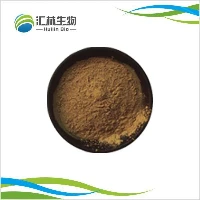
For formulators, researchers, and product developers, understanding the raw material behind the ingredient is essential. Sodium Hyaluronate Powder (CAS 9067-32-7) is the solid, purified form used to manufacture skincare products, injectables, and oral supplements.
1. Production Method
- Produced through microbial fermentation, typically using Streptococcus zooepidemicus.
- Not derived from animal sources.
- Suitable for vegan formulations.

2. Molecular Weight Grades
Commercially available Sodium Hyaluronate Powder spans an enormous molecular weight range, each offering different functional benefits [3]:
| Grade | Molecular Weight | Primary Benefit |
|---|---|---|
| Oligo-HA | 3‑50 kDa | Deepest penetration, plumping from within |
| Low MW | 50‑200 kDa | Skin smoothing, anti‑wrinkle effects |
| Mid MW | 200‑1,000 kDa | Balanced hydration and film formation |
| High MW | 1,000‑3,000 kDa | Surface hydration, barrier protection |
3. Purity and Quality Standards
- Cosmetic grade: Typically ≥90‑95% sodium hyaluronate, with low levels of residual proteins and heavy metals.
- Pharmaceutical grade: Even stricter controls, manufactured under cGMP conditions with endotoxin limits and regulatory documentation (Certificates of Suitability, Drug Master Files).
4. Sodium Hyaluronate Skin Benefits
1. Hydrates Without Clogging Pores
Sodium hyaluronate boosts hydration in skin; its small molecular size enables it to penetrate within the deeper layers of skin and draw in moisture without clogging pores [1].
2. Reduces Fine Lines and Wrinkles
The 2026 randomized, double-blind, placebo-controlled trial published in Scientific Reports found [2]:
- SH120 (120 mg/day) significantly enhanced skin hydration and elasticity, while reducing periorbital wrinkle depth and transepidermal water loss compared to placebo.
- SH120 also increased epidermal thickness, dermal density, and levels of natural moisturizing factor (NMF) components in the skin.
- SH60 (60 mg/day) showed similar but more modest effects.
3. Improves Skin Structure and Barrier Function
- Both SH120 and SH60 improved epidermal thickness and dermal density.
- The treatment also reduced transepidermal water loss (TEWL), indicating better skin barrier function [2].
4. Anti-Inflammatory Properties
Sodium hyaluronate has anti-inflammatory properties that can benefit sensitive or reactive skin types. It promotes tissue healing and helps control the activity of inflammatory cells.
5. Supports Collagen
Both sodium hyaluronate and hyaluronic acid support collagen by retaining water, which enables collagen fibers to stretch without breaking [1].

5. Safety and Side Effects
Both hyaluronic acid and sodium hyaluronate are exceptionally safe for most people.
1. Cosmetic Ingredient Review (CIR) Safety Assessment (2009)
The independent Expert Panel for Cosmetic Ingredient Safety reviewed acute toxicity studies, immunogenicity data, and reproductive and developmental toxicology. Their conclusions [3]:
- Not toxic, not genotoxic, and do not cause sensitization.
- Widespread clinical use - primarily by injection - has been remarkably free of significant adverse reactions.
2. Potential Mild Side Effects
- Minor irritation or redness in very sensitive individuals (rare).
- Allergic reactions are far less common than with many other skincare ingredients.
- If persistent irritation occurs, discontinue use and consult a dermatologist.
3. Oral Supplement Safety (2026 Clinical Trial)
The Scientific Reports trial reported no significant adverse events associated with oral sodium hyaluronate supplementation at doses of 60 mg and 120 mg per day over 12 weeks [2].
6. Comparison Table: Sodium Hyaluronate vs. Hyaluronic Acid
| Feature | Hyaluronic Acid | Sodium Hyaluronate |
|---|---|---|
| Chemical type | Acid | Sodium salt |
| Molecular weight | High | Low to mid |
| Skin penetration | Surface only | Deeper (epidermis) |
| Hydration mechanism | Forms a surface barrier | Pulls moisture into deeper layers |
| Oxidation stability | Lower | Higher [1] |
| Best for | Immediate surface moisture | Long-lasting, deep hydration |
| Formulation stability | Less stable | More stable [1] |
7. FAQs
Q: Which one is better for my skin?
A: It depends on your needs. For immediate surface hydration, choose hyaluronic acid. For deep, long-lasting hydration, choose sodium hyaluronate. Most products containing both offer the best of both worlds.
Q: Can I use sodium hyaluronate if I have sensitive skin?
A: Yes. Both hyaluronic acid and sodium hyaluronate are considered very safe and non-irritating, making them suitable for even the most sensitive skin types.
Q: Which ingredient is more stable in cosmetic formulations?
A: Sodium hyaluronate is more stable than hyaluronic acid. Its smaller molecular size and salt form make it less prone to oxidation and degradation, which is why many formulators prefer it [1].
Q: Is sodium hyaluronate natural?
A: Yes, both are naturally occurring in the human body. Commercially, they are produced through bacterial fermentation, not from animal sources, making them suitable for vegan formulations.
Q: Can I take them orally?
A: Yes. The 2026 clinical trial demonstrated that oral sodium hyaluronate at 120 mg/day significantly improved skin hydration, elasticity, and barrier function with no adverse effects [2].
Q: Can sodium hyaluronate cause acne?
A: No. Sodium hyaluronate is non-comedogenic and does not clog pores [1].
Q: What's the difference between hyaluronic acid and sodium hyaluronate in eye drops?
A: In ophthalmic products, sodium hyaluronate is the preferred form because its smaller molecular weight makes it more stable and helps it spread more evenly across the eye's surface, providing longer-lasting lubrication.

8. The Bottom Line
| If you want… | Choose… |
|---|---|
| Immediate surface hydration and a protective barrier | Hyaluronic Acid |
| Deep, long-lasting hydration that reaches deeper skin layers | Sodium Hyaluronate |
| Multi-level hydration (both surface and deep benefits) | A formula containing both |
| A non-irritating ingredient for sensitive skin | Either - both are safe and well-tolerated |
| A more stable ingredient for a product with a longer shelf life | Sodium Hyaluronate |
For most people, the best approach is to look for products that contain both ingredients. Whether you're a consumer choosing a serum or a formulator developing the next generation of skincare, understanding the science behind these ingredients is the first step toward making informed decisions.
For formulators, researchers, and product developers, high‑quality Sodium Hyaluronate Powder and Hyaluronic Acid Powder from a trusted B2B supplier ensure consistent, reliable results - whether you're developing deep‑hydrating serums, anti‑aging creams, or oral beauty supplements. With customizable molecular weight options, high purity standards, and comprehensive regulatory documentation, these raw materials provide the foundation for innovative, high‑performing products that consumers trust.