


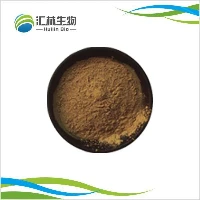


If you have recently seen terms like salmon DNA facial, PDRN injection, or PDRN skincare, you might be wondering what the buzz is about. This ingredient has been quietly used in medical settings for years and is now making its way into aesthetic medicine and everyday skincare products. But what exactly is it, and does it live up to the hype?
This guide breaks down everything you need to know about Polydeoxyribonucleotide - commonly called PDRN - in plain, easy‑to‑understand language.

What Is PDRN?
Polydeoxyribonucleotide (PDRN) is a purified DNA polymer derived from the sperm DNA of salmon species, specifically salmon trout and chum salmon. Before you feel uneasy, the final product undergoes extensive purification to remove all proteins, lipids, and cellular components, leaving only pure polynucleotide chains. It contains no fish proteins or allergens [1].
Why salmon? Salmon DNA shares remarkable similarities with human DNA in molecular weight and structure, making it highly biocompatible with human skin cells. This molecular compatibility is why salmon PDRN can effectively communicate with human cells and stimulate regeneration. You may also hear it called salmon DNA PDRN, salmon PDRN, or simply PDRN DNA - they all refer to the same purified compound.
How Does PDRN Work?
Scientists have identified two main ways PDRN works inside your body [1].
First, it activates your body's repair switch. PDRN binds to adenosine A2A receptors on your cells. Think of these as "repair switches." When PDRN flips these switches, it triggers a cascade of healing responses: reducing inflammation, promoting new blood vessel growth, and speeding up tissue repair.
Second, it provides raw materials for DNA repair. PDRN supplies your cells with ready‑to‑use nucleotides - the building blocks of DNA. Damaged or aging tissue often struggles to produce its own building blocks from scratch. PDRN gives these pieces directly, allowing cells to repair themselves faster.

In simple terms, salmon PDRN both signals your cells to start healing and gives them the materials they need to do the job [1].
What Does the Research Say?

PDRN for Skin Rejuvenation
A 2025 clinical study tested a PDRN‑containing eye cream in 33 women over 28 days. Results showed significant improvements: periocular elasticity and firmness increased, dermal density rose by 8.67%, under‑eye bag volume decreased by 18.42%, and skin brightness improved by 4.88% [2]. Seeing measurable effects from a topical cream in just four weeks - without injections - is genuinely encouraging.
Multiple clinical studies have also shown that PDRN injection reduces wrinkles, improves skin texture, and enhances elasticity, with statistically significant results reported across trials [4].
PDRN Treatment for Hyperpigmentation
A 2025 systematic review found that PDRN demonstrates direct anti‑melanogenic properties by suppressing tyrosinase activity and downregulating melanogenic genes. It also improves skin tone by regulating collagen and elastin and reduces post‑inflammatory hyperpigmentation [3].
Another study combined microneedling with PDRN salmon 3% to reduce facial hyperpigmentation. Both treated patients showed improved skin quality, brighter skin, and reduced hyperpigmentation. No side effects were noted. Researchers called this the first reported use of microneedling with salmon PDRN for pigmentation reduction [3].


Medical Wound Healing
PDRN was originally developed for wound healing. A comprehensive review found that PDRN enhances new blood vessel formation, modulates immune responses, and accelerates tissue repair in chronic diabetic foot ulcers, pressure ulcers, and venous leg ulcers [1]. A case report described a patient with a chronic non‑healing wound that healed significantly after just three PDRN injections [1].
PDRN for Under‑Eyes
PDRN under the eyes is a popular application. The 2025 clinical trial mentioned above found significant reductions in periocular wrinkles, under‑eye bags, and improvements in skin brightness using a PDRN cream [2].

Is PDRN Safe? Side Effects
PDRN has an excellent safety profile. A 2025 review concluded that PDRN is associated with minimal adverse events across multiple trials [1]. Most people tolerate it well.
Potential side effects are generally mild and temporary:
- Mild redness or swelling at the injection site
- Temporary bruising
- Slight tenderness
If you have a known fish allergy, exercise caution. While the purified product contains no fish proteins, individuals with severe fish allergies should consult a doctor first. A small percentage of people have reported rashes or flare‑ups post‑treatment [1].
Some researchers urge caution because manufacturing standards vary. A narrative review noted that while PDRN is widely used, larger high‑quality trials would help strengthen the evidence, especially for topical products [4].
What PDRN Can Do for Your Skin
Based on current research:
Reduces fine lines and wrinkles, especially around the eyes [2]
Improves skin elasticity and firmness [2]
Increases dermal density and hydration [2]
Brightens skin and reduces hyperpigmentation [3]
Supports wound healing and tissue repair [1]
Calms inflammation [1]

The growing popularity of PDRN skincare - serums, creams, sheet masks - means you don't necessarily need injections to experience some benefits. However, injectable PDRN delivers concentrated polynucleotides directly into the dermis, while topical products face greater challenges penetrating the skin barrier [4].
Frequently Asked Questions
Q: Is PDRN safe for daily use in skincare?
A: Yes, at typical concentrations (0.5‑2%). Patch test first if you have sensitive skin.
Q: How does PDRN compare to retinol or vitamin C?
A: PDRN works at the DNA level to promote cellular repair [1], while retinol speeds cell turnover and vitamin C provides antioxidant protection. Some people use them together, but introduce new products gradually.
Q: Can vegans use PDRN?
A: Traditional PDRN is derived from salmon, so it is not vegan. Plant‑based alternatives from ginseng exist, but they are less common.
Q: What does research say about PDRN's anti‑aging effects?
A: Multiple studies show PDRN significantly improves elasticity, firmness, density, and brightness, while reducing wrinkles and under‑eye bags [2][3].
Q: Is PDRN the same as polynucleotide (PN)?
A: Closely related but not identical. PDRN is a subtype of polynucleotide (PN) with specific regenerative properties [1].
Q: Are there long‑term risks with PDRN injections?
A: Current evidence suggests a good safety profile, but long‑term data are still limited [4].
Q: What does PDRN before and after look like?
A: Many people search for PDRN before-and-after images. While results vary, clinical studies report that patients typically see improved skin texture, reduced fine lines, enhanced elasticity, and a more hydrated, "glowy" complexion after a course of treatments [2][4].
Q: How long does PDRN treatment take to work?
A: Some effects can be seen within 4 weeks of topical use. For injectable PDRN, patients usually undergo 2–3 sessions spaced weeks apart, with continued improvement over the following months [2][4].
Where to Find PDRN Products
PDRN skincare products are increasingly available from medical spas and consumer brands. For injectable PDRN, always seek a board‑certified dermatologist or licensed medical professional. For topical products, look for brands that provide third‑party testing and clear sourcing information.
For researchers, formulators, and product developers, high‑quality Salmon Extract PDRN Powder from a trusted supplier ensures consistent, reliable results - whether you are developing injectable formulations, topical serums, or researching new applications for this versatile biomaterial.
The Bottom Line
PDRN represents an intriguing convergence of medical science and aesthetic medicine. Originally developed for wound healing, this salmon‑derived DNA polymer has shown genuine promise in skin rejuvenation: reducing wrinkles, improving elasticity, helping with hyperpigmentation, and even healing chronic wounds [1][2][3].
While the research is promising - including randomized clinical trials showing measurable effects - experts note that larger, more rigorous studies are still needed to fully validate all claims, particularly for topical products [4].
If you are considering PDRN treatment for skin concerns, whether through PDRN injections or PDRN skincare, the best approach is to consult a qualified professional, manage your expectations, and seek out reputable sources.
References
Disclaimer
This article is for informational and educational purposes only and does not constitute medical advice, professional diagnosis, or treatment recommendations. The information provided about Polydeoxyribonucleotide (PDRN) is based on scientific research cited in the references, but many findings are from laboratory, animal, or early clinical studies and may not apply to all individuals. PDRN products, especially injectable forms, should only be administered by licensed medical professionals. Always consult a qualified healthcare provider before starting any new supplement, topical product, or medical treatment, particularly if you are pregnant, nursing, have a known allergy (including fish allergy), or are taking prescription medications. The author and publisher are not responsible for any adverse effects or consequences arising from the use of any products mentioned.