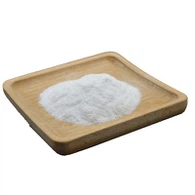


Xi'an Huilin Bio-Tech Co., Ltd. is one of the leading manufacturers and suppliers of salvianolic acid b powder in China. With abundant experience, we are committed to providing high quality natural products with competitive price. Please feel free to wholesale bulk pure salvianolic acid b powder for sale here from our factory.
Introduction
Salvianolic Acid B (Sal B) is the primary water-soluble bioactive polyphenol extracted from the dried root and rhizome of Salvia miltiorrhiza Bunge, a cornerstone herb in Traditional Chinese Medicine (TCM) widely used for treating cardiovascular and cerebrovascular diseases. As the most abundant and potent among the salvianolic acids, Sal B is recognized as the principal active component responsible for the therapeutic efficacy of Salvia miltiorrhiza.

Salvianolic Acid B exhibits a remarkable spectrum of pharmacological activities, including potent antioxidant, anti-inflammatory, anti-fibrotic, anti-thrombotic, and cytoprotective effects. It functions as a powerful free radical scavenger and has been extensively studied for its protective effects on the cardiovascular system, liver, and skin. The compound's ability to activate the NRF2 antioxidant pathway and modulate key inflammatory signaling cascades underpins its diverse therapeutic potential.
Our Salvianolic Acid B Powder is manufactured through advanced water/alcohol extraction and purification technologies from high-quality Salvia miltiorrhiza raw materials. Available in a comprehensive range of specifications from 6% to 50% (HPLC), with higher purity grades (98%+) available for analytical and research applications, our product ensures consistent quality, batch-to-batch reproducibility, and compliance with international standards.
Technical Information
| Parameter | Specification / Information |
|---|---|
| Product Name | Salvianolic Acid B Powder |
| INCI Name | Salvia Miltiorrhiza Root Extract |
| Latin Name | Salvia miltiorrhiza Bunge |
| Plant Part Used | Dried root & rhizome |
| CAS No. | 115939-25-8 |
| Molecular Formula | C₃₆H₃₀O₁₆ |
| Molecular Weight | 718.62 g/mol |
| HS Code | 1302199099 |
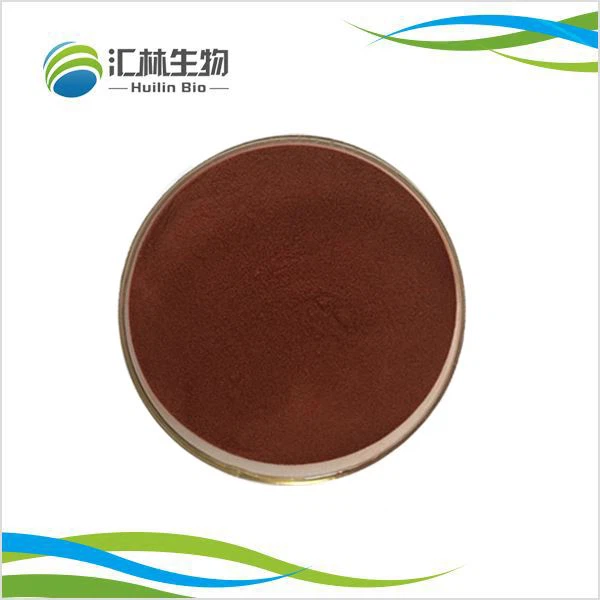
| Appearance | Brown-yellow to reddish-brown fine powder |
| Odor & Taste | Characteristic, slightly bitter and astringent |
| Particle Size | 80 mesh (100% pass 80 mesh) |
| Solubility | Soluble in water, ethanol, and methanol |
| Assay (Sal B Content) | 6% – 50% (HPLC); ≥94% – 98% for reference standards |
| Loss on Drying | ≤ 5.0% |
| Ash Content | ≤ 5.0% |
| Heavy Metals | ≤ 20 ppm |
| Total Plate Count | ≤ 1,000 cfu/g |
| Yeast & Mold | ≤ 50 cfu/g |
| E. coli | Negative |
| Salmonella | Negative |
| Shelf Life | 24 months |
| Storage | Cool, dry, light-protected; 0–5°C recommended for long-term storage |
| Regulatory Status | Permitted as food, supplement, and cosmetic ingredient in major markets (USA, EU, China, Japan, Korea) |
Benefits
Salvianolic Acid B offers a wide range of health benefits, supported by extensive preclinical and clinical research:
- Powerful Cardiovascular Protection – Sal B protects against cardiovascular diseases through multiple mechanisms including antioxidant, anti-inflammatory, anti-thrombotic, and endothelial function enhancement. It inhibits platelet aggregation, reduces oxidative stress-induced cellular damage, and improves hemorheology. Clinical studies have demonstrated its efficacy in treating coronary heart disease, angina, and cerebral infarction.
- Potent Antioxidant Defense – As the most powerful antioxidant among the salvianolic acids, Sal B effectively neutralizes reactive oxygen species (ROS) and reduces oxidative stress-induced cellular damage. Its activation of the NRF2 pathway enhances the body's endogenous antioxidant defenses.
- Anti-Inflammatory Activity – Sal B exhibits potent anti-inflammatory properties by modulating the NF-κB/NLRP3 signaling pathway and reducing ROS-mediated inflammation. It has shown therapeutic potential in treating inflammatory conditions including arthritis.
- Anti-Fibrotic Effects – Sal B demonstrates significant anti-fibrotic bioactivity, showing promise in treating pulmonary fibrosis and other fibrotic diseases.
- Skin Health & Anti-Aging – Sal B protects against UVB-induced skin photoaging by activating NRF2, reducing aging-related decline in fibroblast proliferation, and protecting mitochondria from excessive ROS production. It exhibits significant skin anti-aging, whitening, and sun protection properties. In cosmetic applications, it is used to repair redness, barrier damage, and post-procedure skin.
- Hepatoprotective Effects – Sal B protects the liver through its antioxidant and anti-inflammatory activities, and has been studied for the treatment of liver fibrosis.
- Neuroprotective Potential – Sal B has been investigated for its protective effects in neurodegenerative conditions including Alzheimer's disease.
- Excellent Safety Profile – Sal B has demonstrated a favorable safety profile in clinical studies. A phase 1 clinical trial showed that administration of Sal B up to 300 mg in a single dose and 250 mg for 5 consecutive days showed excellent safety and tolerability in healthy volunteers. Sal B at concentrations of ≤300 mg/kg is not toxic to pregnant rats.
- Versatile Formulation – Available in multiple specifications from 6% to 50% (HPLC) with higher purity grades (94%–98%) for research applications, to suit different product needs.
Specifications & Applications Guide
| Specification | Content | Test Method | Recommended Applications | Key Considerations |
|---|---|---|---|---|
| Sal B 6% – 10% | ≥6.0% – 10.0% | HPLC | Standard dietary supplements, capsules, tablets, TCM formulations | Entry-level specification; cost-effective for mass-market products |
| Sal B 15% – 20% | ≥15.0% – 20.0% | HPLC | High-potency supplements, functional beverages, wellness products | Enhanced bioactivity; suitable for premium formulations |
| Sal B 30% – 50% | ≥30.0% – 50.0% | HPLC | Premium nutraceuticals, pharmaceutical intermediates, clinical research | High concentration; ideal for advanced applications |
| Sal B ≥94% – 98% | ≥94.0% – 98.0% | HPLC | Analytical reference standards, pharmacological research, high-purity formulations | Ultra-high purity; for research and specialized applications |
| Ratio Extracts | 5:1 – 100:1 | - | Food additives, cosmetic ingredients, functional foods | Flexible concentration; broad phytochemical profile |
Frequently Asked Questions (FAQ)
Q: What is the difference between salvianolic acid B and other Salvia miltiorrhiza extracts?
A: Salvianolic acid B is the primary water-soluble active component of Salvia miltiorrhiza and the most potent antioxidant among the salvianolic acids. Other salvia extracts may contain different active compounds such as tanshinones (lipophilic) or other salvianolic acids. Sal B is specifically valued for its cardiovascular protective, antioxidant, and anti-inflammatory properties.
Q: What is the recommended daily intake of salvianolic acid B?
A: The recommended dosage varies by specification and intended application. For standard dietary supplements (6%–20% Sal B content), typical dosages range from 100–500 mg per day. Clinical studies have used Sal B at concentrations up to 300 mg per dose with excellent safety and tolerability. We recommend consulting with a formulation specialist for application-specific guidance.
Q: Is salvianolic acid B safe for long-term use?
A: Yes. Clinical studies have demonstrated that Sal B has a favorable safety profile. A phase 1 clinical trial showed excellent safety and tolerability in healthy volunteers. Sal B at concentrations of ≤300 mg/kg is not toxic to pregnant rats. However, as with any bioactive compound, appropriate usage guidelines should be followed.
Q: Is salvianolic acid B water-soluble?
A: Yes. Salvianolic acid B is water-soluble, dissolving readily in water to form a clear solution. It is also soluble in ethanol and methanol. This water solubility makes it ideal for beverage applications, liquid formulations, and aqueous-based cosmetic products.
Q: What is the difference between ratio specifications and content specifications?
A: Ratio specifications (e.g., 5:1, 10:1, 20:1) indicate the concentration ratio of raw salvia miltiorrhiza root to final extract powder. Content specifications (e.g., Sal B 10%, 20%, 50%) indicate the standardized percentage of salvianolic acid B content verified by HPLC, ensuring consistent potency regardless of raw material variation.
Q: What are the main applications of salvianolic acid B?
A: Sal B is widely used in dietary supplements (capsules, tablets, powders), functional foods and beverages, cosmetics and personal care (anti-aging, skin repair, whitening), pharmaceutical intermediates, and Traditional Chinese Medicine formulations.
For inquiries, quotations, or sample requests, please contact: sales@huilinbio-tech.com
References
1. Salvianolic acid B: a promising cardioprotective agent. Frontiers in Immunology. 2025; Sec. Nutritional Immunology. doi:10.3389/fimmu.2025.1681358. Key finding: Sal B exerts comprehensive cardioprotective effects through antioxidant, anti-inflammatory, mitochondrial autophagy, endothelial function enhancement, anti-fibrotic actions, and hemorheology improvement.
Link: https://www.frontiersin.org/journals/immunology/articles/10.3389/fimmu.2025.1681358/full
2. Salvianolic acid B: A Review of Pharmacological Effects, Safety, Combination Therapy, New Dosage Forms, and Novel Drug Delivery Routes. Pharmaceutics. 2023;15(9):2235. doi:10.3390/pharmaceutics15092235. Key finding: Phase 1 clinical study demonstrated Sal B up to 300 mg single dose and 250 mg for 5 consecutive days showed excellent safety and tolerability.
Link: https://www.mdpi.com/1999-4923/15/9/2235
3. Sun JM, Liu YX, Liu YD, et al. Salvianolic acid B protects against UVB-induced skin aging via activation of NRF2. Phytomedicine. 2024;130:155676. Key finding: Sal B counteracts UVB-induced skin photoaging by promoting NRF2 nuclear translocation, protecting mitochondria from ROS.
Link: https://pubmed.ncbi.nlm.nih.gov/38820663/
4. Salvianolic acid B inhibits atherosclerosis and TNF-α-induced inflammation by regulating NF-κB/NLRP3 signaling pathway. ScienceDirect. 2023. Key finding: Sal B reduces ROS release, reverses NF-κB nuclear translocation, and inhibits atherosclerosis and inflammation by modulating the NF-κB/NLRP3 pathway.
Link: https://pubmed.ncbi.nlm.nih.gov/37572566/
5. Salvianolic acid B protects against pulmonary fibrosis by attenuating stimulating protein 1-mediated macrophage and alveolar type 2 cell senescence. 2026. Key finding: Sal B exerts antioxidant, anti-inflammatory, and anti-fibrotic bioactivities.
Link: https://pubmed.ncbi.nlm.nih.gov/37953063/
Hot Tags: salvianolic acid b powder, China, suppliers, manufacturers, factory, wholesale, buy, price, bulk, pure, natural, high quality, in stock, for sale, 98% Ferulic Acid Powder, Amygdalin Powder, Curcumin Extract Powder, L Dopa Powder, Lipoic Acid Powder, Naringin Powder