




Introduction to Procyanidin Powder
Procyanidins, also called OPCs, are flavonoid-based polyphenols formed by catechin and epicatechin units linked via A-type or B-type bonds. They turn into anthocyanidins when heated in acid, and are abundantly present in grape seeds, pine bark, fruits, and teas. Grape seeds are the top commercial source, with procyanidins accounting for 80–85% of total polyphenols. Classified by polymerization degree, OPCs (dimers to pentamers) feature good solubility and bioavailability, while PPCs (higher polymers) show stronger protein-binding capacity.
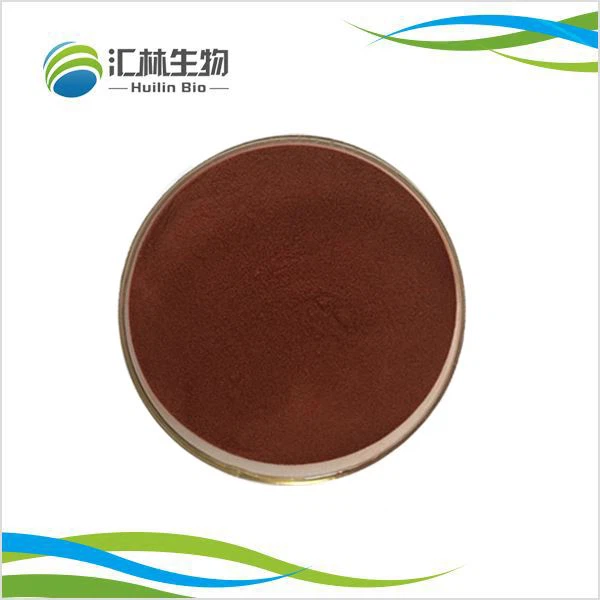
As a reddish-brown powder made through extraction and drying, procyanidins deliver prominent antioxidant, free radical scavenging, and metal chelating effects. They can bind with proteins and absorb UV light, supporting applications in nutritional supplements, skincare, and related formulations.
Certificate of Analysis (COA)
| Test Parameter | Specification | Typical Result | Method |
|---|---|---|---|
| Appearance | Red‑brown to dark‑brown fine powder | Conforms | Visual Inspection |
| Identification (HPLC) | Retention time matches procyanidin reference standard | Conforms | HPLC‑UV/Vis |
| Assay (Procyanidins, HPLC) | ≥95% – ≥98% (grade dependent) | ≥98.0% | HPLC (External Standard) |
| Loss on Drying | ≤5.0% | ≤2.5% | Gravimetric (105°C) |
| Residue on Ignition (Ash) | ≤0.5% | ≤0.2% | Gravimetric (550°C) |
| pH (1% solution) | 4.0 – 6.0 | 5.0 | pH Meter |
| Solubility in Water | Soluble, clear to slightly hazy solution | Conforms | Visual |
| Heavy Metals (as Pb) | ≤10 mg/kg | ≤5 mg/kg | ICP‑MS |
| Lead (Pb) | ≤2 mg/kg | ≤0.5 mg/kg | AAS / ICP‑MS |
| Arsenic (As) | ≤2 mg/kg | ≤0.5 mg/kg | ICP‑MS |
| Mercury (Hg) | ≤0.5 mg/kg | ≤0.1 mg/kg | ICP‑MS |
| Cadmium (Cd) | ≤1 mg/kg | ≤0.1 mg/kg | ICP‑MS |
| Total Plate Count | ≤1000 CFU/g | ≤100 CFU/g | ISO 4833 |
| Yeast & Mold | ≤100 CFU/g | ≤50 CFU/g | ISO 21527 |
| E. coli | Negative (in 10 g) | Negative | ISO 7251 |
| Salmonella | Negative (in 25 g) | Negative | ISO 6579 |
| Staphylococcus aureus | Negative | Negative | ISO 6888 |
| Pesticide Residues (multi‑residue) | Meets EU/China MRLs | Conforms | GC‑MS / LC‑MS/MS |
| Residual Solvents (Ethanol/IPA) | ≤5000 mg/kg (each) | ≤500 mg/kg | GC‑HS |
| Storage Condition | Cool, dry, light‑protected; 2–8°C for long‑term | N/A | N/A |
| Shelf Life | 2 – 5 years from manufacture (properly stored) | N/A | Stability Study (Real‑time / Accelerated) |
Note: A comprehensive lot‑specific Certificate of Analysis (COA) is provided with each shipment.
Manufacturing Process
- Raw material prep: Select and clean grape seeds (or pine bark); test pesticides and heavy metals.
- Extraction: Grind raw materials, then extract with a water/ethanol mixture at 40–70°C to obtain crude liquid.
- Filtration: Remove solid residues to get a clarified extract.
- Concentration: Concentrate under low pressure to enrich active ingredients and avoid heat damage.
- Purification: Use macroporous resin chromatography and gradient elution for refinement; nanofiltration is optional for OPC-rich products.
- Drying: Convert purified liquid into powder mainly by spray drying.
- Milling & sieving: Grind powder to a uniform particle size for supplement use.
- QC & release: Test each batch for purity, heavy metals, solvents, microbes, and other indicators.
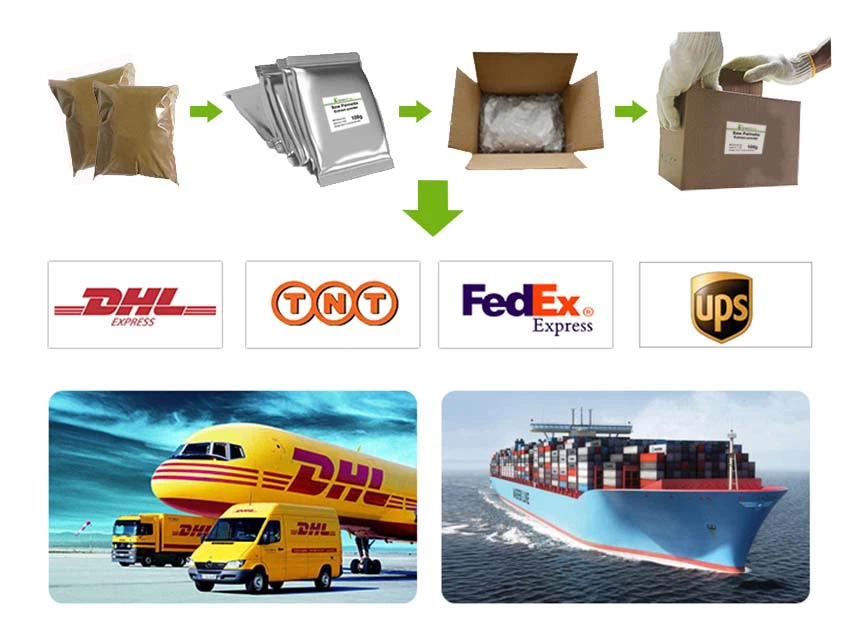
- Packaging: Seal with food-grade packages in different specifications.
Key Properties & Benefits
Procyanidins deliver the following scientifically validated functional benefits based on their phenolic hydroxyl chemistry and biological activities.
1. Potent Antioxidant Activity (Free‑Radical Scavenging)
Due to their multiple phenolic hydroxyl groups, procyanidins act as efficient electron/hydrogen donors, scavenging reactive oxygen species (ROS) such as superoxide and hydroxyl radicals and inhibiting chain propagation in lipid peroxidation. OPCs (oligomers) exhibit particularly high antioxidant properties relative to higher polymers due to their greater mobility and bioavailability. Multiple studies have confirmed that OPCs are among the most effective naturally occurring antioxidants in scavenging free radicals in both in vitro and in vivo systems.
2. Cardiovascular Support (LDL Protection)
Procyanidins have been shown to interact directly with low‑density lipoproteins (LDL) in human plasma, acting as efficient local antioxidants that protect LDL from oxidation. This protective effect is critical because oxidized LDL is recognized as a key initiating factor in atherosclerotic plaque formation.
3. Skin Health and Anti‑Aging (Collagen Protection)
Procyanidins have demonstrated skin health benefits in human studies. Their phenolic hydroxyl groups facilitate interactions with collagen and elastin proteins, supporting skin structure integrity and contributing to anti‑aging effects. Additionally, procyanidins have been investigated for skin‑whitening and moisturizing effects in healthy women.
4. Broad Anti‑Inflammatory Potential
OPCs have been widely reported to exhibit anti‑inflammatory functions, with applications ranging from skin health to cardiovascular protection and potential antineoplastic effects. The phenolic hydroxyl groups contribute to the downregulation of inflammatory mediators through multiple pathways, including modulation of NF‑κB signaling.
5. Structure‑Dependent Bioactivity
The degree of polymerization (DP) plays a critical role in determining the specific biological effects of procyanidins. Monomeric, oligomeric (OPC), and polymeric (PPC) procyanidins each exhibit distinct properties. Lower oligomers (dimers to pentamers) generally offer better aqueous solubility, higher bioavailability, and more systemic activity, whereas higher polymers may exert local effects through protein binding and gut microbiome interactions. The diversity and complexity of procyanidin structures continue to be areas of active research interest.
6. Natural and Plant‑Derived
Procyanidins are naturally occurring compounds derived entirely from plant sources (primarily grape seeds, pine bark, and other botanicals). They are inherently Non‑GMO and gluten‑free, compatible with vegan, Halal, and Kosher certification requirements, and are biodegradable and environmentally sustainable.
What is procyanidin used for?
1. Cosmetic and Personal Care Industry
Procyanidin is a highly valued active ingredient in cosmetic and personal care formulations, particularly in anti‑aging, skin‑brightening, and skin‑protecting products. Its primary applications include:
- Anti‑aging creams and serums – Procyanidins bind with collagen and elastin fibers in the dermis, helping to maintain skin elasticity, reduce the appearance of fine lines and wrinkles, and prevent collagen degradation caused by oxidative stress.
- Skin‑whitening and brightening formulations – OPCs have been shown in clinical studies to improve skin whitening and moisturizing, making procyanidin a candidate for pigmentation‑inhibiting and skin‑brightening products.
- Sunscreen and UV‑protective products – The benzene ring structure in procyanidins confers strong absorption in the ultraviolet region (λ_max approximately 278 nm), enabling the molecule to function as a natural "ultraviolet filter" for use in sunscreen formulations.
- Moisturizing creams, lotions, and face masks – Procyanidin contributes to skin hydration and barrier function. Its protein‑binding activity helps lock in moisture and improve skin texture.
- Oral care products (toothpaste, mouthwash) – Due to its anti‑inflammatory and antimicrobial properties, procyanidin is incorporated into oral care formulations to support gum health and reduce inflammation.
- Natural origin and clean‑label appeal – Procyanidin is a plant‑derived, vegan‑friendly ingredient that aligns with consumer demand for natural, sustainable, and eco‑conscious cosmetic ingredients.
2. Dietary Supplements and Nutraceuticals
Procyanidin is a widely used functional ingredient in dietary supplements targeting:
- Antioxidant support and oxidative stress reduction – As one of the most potent naturally occurring free‑radical scavengers, procyanidin supplements are formulated for individuals seeking enhanced antioxidant defense. Procyanidins have been reported to exhibit broad benefits to human health and are used in the prevention of various health conditions, including those related to oxidative stress.
- Cardiovascular health – Supports blood vessel elasticity, endothelial function, and microcirculation. Grape seed extract (standardized for procyanidins) has been found in clinical trials to improve blood vessel elasticity and reduce high blood pressure in individuals with pre‑hypertension and mild hypertension.
- Skin health and anti‑aging – Promotes skin hydration, elasticity, and protection against UV‑induced damage, as confirmed by clinical study results demonstrating skin‑whitening and moisturizing effects.
- Immune function support – OPCs contribute to the modulation of inflammatory responses, supporting overall immune resilience.
- Sports nutrition and recovery – Formulations designed for athletes incorporate procyanidins to reduce exercise‑induced oxidative stress and support recovery.
3. Pharmaceutical and Biomedical Research
In pharmaceutical and research contexts, procyanidin is utilized for:
- Antioxidant and anti‑inflammatory research – Serves as a reference standard and research material for studying oxidative stress pathways, inflammation mechanisms, and potential therapeutic interventions.
- Drug discovery and development – Procyanidins are investigated as lead compounds or scaffolds for novel pharmaceutical agents targeting cardiovascular diseases, metabolic disorders, and age‑related conditions.
- Controlled‑release formulations – Procyanidin–protein complexes are explored as matrices for sustained release of active pharmaceutical ingredients.
- Tissue engineering and wound healing – Procyanidin's ability to interact with collagen and other extracellular matrix proteins makes it a candidate for biomedical scaffold development.
4. Food and Beverage Industry
Procyanidin serves as a natural functional ingredient in foods and beverages:
- Natural preservative and antioxidant – Used to extend the shelf life of oil‑containing food products and beverages by inhibiting lipid peroxidation, providing a clean‑label alternative to synthetic antioxidants (e.g., BHA, BHT, TBHQ).
- Functional beverages – Added to juices, teas, nutritional drinks, and smoothies for antioxidant enrichment.
- Fortified foods – Incorporated into snack bars, cereals, dairy products, and functional confectionery.
- Color and flavor stabilization – Procyanidins can contribute to color stabilization in certain fruit‑based products and may influence astringency profiles in beverages and chocolate‑based products.
- Bakery and cereal products – Used in health‑oriented baked goods and cereals targeting consumers seeking added functional benefits.
5. Animal Feed and Pet Food
Procyanidin is incorporated into animal feed and pet food formulations to support antioxidant status and general wellness in livestock, poultry, and companion animals.
6. Textile and Industrial Applications
In recent years, procyanidin extracted from grape seeds, cocoa, and other dark‑colored berry fruits has also been researched for applications in biochemistry, textile processing (natural dyeing), and other industrial fields.

Frequently Asked Questions (FAQ)
Q: What is procyanidin, and how is it different from anthocyanin?
A: Procyanidins (also known as proanthocyanidins or OPCs) are oligomeric and polymeric flavonoids composed of catechin/epicatechin units. Their defining property is that upon heating under acidic conditions, they degrade to release anthocyanidins (red pigments)-hence the name "proanthocyanidin." Anthocyanins themselves are a separate class of water‑soluble, colored pigments (responsible for red, purple, and blue colors in fruits and flowers). While both are polyphenolic antioxidants, procyanidins are typically colorless to pale brown and are more involved in protein binding and astringency, whereas anthocyanins are directly responsible for pigmentation.
Q: What are the typical purity levels available for commercial procyanidin powder?
A: Commercial procyanidin powder is available in multiple purity grades: ≥95% procyanidin content (standard food/nutraceutical grade), ≥98% procyanidin content (high‑purity grade, commonly used for dietary supplements and cosmetic formulations), and ≥99% (ultra‑high purity, available for research applications and premium nutraceutical formulations). All purity grades are supplied with lot‑specific Certificates of Analysis (COA), including HPLC assay results.
Q: What is the difference between OPC and procyanidin?
A: OPC stands for Oligomeric Procyanidins. All OPCs are procyanidins, but not all procyanidins are OPCs. Procyanidins are classified by degree of polymerization (DP). Oligomeric Procyanidins (OPC) specifically refer to lower oligomers with DP = 2–5 (dimers to pentamers). OPCs generally exhibit better aqueous solubility, higher bioavailability, and greater systemic activity compared to higher polymers. Polymeric Procyanidins (PPC) refer to species with DP ≥6, which have reduced solubility, stronger protein‑binding activity, and may exert more localized effects. Many commercial products are standardized to OPC content (e.g., "≥95% OPC"). When suppliers refer to "procyanidin," they may be referring either to total procyanidin content or to an OPC‑enriched fraction, depending on the grade.
Q: What is the difference between Proanthocyanidin Powder and Procyanidin Powder?
A: Proanthocyanidin is a broad general category of polyphenolic compounds, covering all polymerized flavanols including procyanidins, prodelphinidins, and other subtypes. In contrast, Procyanidin is the main, most active subclass of proanthocyanidins, specifically formed by catechin and epicatechin units - the dominant functional ingredient in grape seed and pine bark extracts.
Commercially:
- Proanthocyanidin Powder means total proanthocyanidins (full spectrum, mixed polymer types).
- Procyanidin Powder refers to purified B-type procyanidins, which include OPCs (oligomeric procyanidins) with better solubility and bioavailability.
In short: All procyanidins are proanthocyanidins, but not all proanthocyanidins are procyanidins.
Q: What is the recommended dosage for procyanidin in dietary supplements?
A: Recommended dosages vary by application and target population. For general antioxidant support and cardiovascular health, 100–400 mg per day is commonly used. For specific conditions such as chronic venous insufficiency, clinical studies have used 50–100 mg two to three times daily (150–300 mg/day total) with benefits observed within four weeks. Consultation with a qualified professional is recommended for formulation‑specific dosage determination. JECFA does not formally define the acceptable daily intake, but long‑term safety at typical dietary supplement levels is well established.
Q: Is procyanidin safe for long‑term consumption? Does it have side effects?
A: Yes, procyanidin is recognized as safe for consumption at typical dietary supplement levels. Procyanidin‑containing extracts such as French maritime pine bark extract have been granted GRAS (Generally Recognized as Safe) status by the U.S. FDA (2003). Grape seed–derived procyanidins are widely accepted as safe in food and dietary supplement applications globally. No significant adverse effects have been reported at typical use levels. At very high doses (above normal dietary supplement levels), some individuals may experience mild digestive discomfort, nausea, or diarrhea. As with any functional ingredient, consumers should consult with a professional before long‑term use of large quantities.
Q: Do you provide samples before bulk orders?
A: Yes. Free or low‑cost samples (100–500 g) are available for quality evaluation before bulk ordering. Sample freight charges may apply for international shipments. Sample requests can be submitted through our sales team.
Q: What is the best way to incorporate procyanidin powder into cosmetic formulations?
A: Procyanidin powder is soluble in water, ethanol, and most polar organic solvents, making it suitable for emulsion‑based systems (creams, lotions), hydrogels, serums, and sheet masks. For optimal dispersion and activity: (1) Predissolve in the aqueous phase of the formulation; (2) Heat solubility improves with mild heating (40–50°C); (3) Protect from light and oxygen in finished formulations; (4) Typical use levels in cosmetics range from 0.1–5% depending on the product type and target activity. Procyanidin is compatible with most common cosmetic ingredients but should be tested for formulation‑specific stability, particularly in systems containing proteins or high concentrations of metal ions.
Q: How should procyanidin powder be stored to maintain stability?
A: Procyanidin powder is sensitive to light, oxygen, moisture, and elevated temperatures. For long‑term stability: store in a cool, dry place (2–8°C recommended for high‑purity grades) in tightly sealed, light‑protected containers. Avoid exposure to strong oxidizing agents. When stored under recommended conditions, procyanidin powder remains stable for 2–5 years from the date of manufacture. Once opened, the container should be tightly resealed and used promptly. Due to the presence of phenolic hydroxyl groups, procyanidins can undergo auto‑oxidation and further polymerization if improperly stored, leading to darkening, loss of activity, and compositional drift.
Q: Can procyanidin be used in combination with other active ingredients?
A: Yes. Procyanidin works synergistically with other antioxidants (vitamin C, vitamin E, coenzyme Q10) and botanical extracts (green tea, resveratrol, quercetin). However, due to its metal‑ion chelation and protein‑binding properties, formulation compatibility testing is recommended when combining it with metal‑containing compounds or high protein concentrations.
Why Choose Us?
Your Professional Manufacturing & Sourcing Partner
We are more than a supplier - we are a comprehensive supply chain partner dedicated to high-quality ingredients, custom formulations, and finished products across multiple industries.
Professional Expertise
With years of experience in plant extracts, food additives, cosmetic raw materials, and nutritional ingredients, our team brings deep technical knowledge and market insight to every partnership.
01
Diverse Product Range
We offer a broad range of products, including food additives, plant extracts, fruit & vegetable powders, cosmetic actives, and functional food ingredients.
02
One-Stop Shop
Raw Materials: High-purity ingredients for food, beverage, supplement, and cosmetic applications.
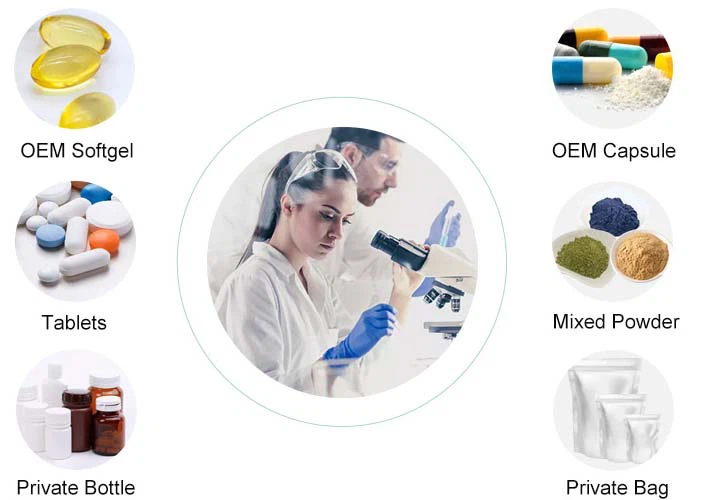
Finished Products: In-house manufacturing of capsules, soft gels, gummies, liquid drops, and blended powders.
03
OEM/ODM/OBM Services
Label Design & Packaging: Custom branding tailored to your target market.
Formulation & R&D: Expert support to develop custom blends, proprietary formulas, and innovative products.
Global Logistics: Reliable shipping, documentation, and customs clearance support.
04
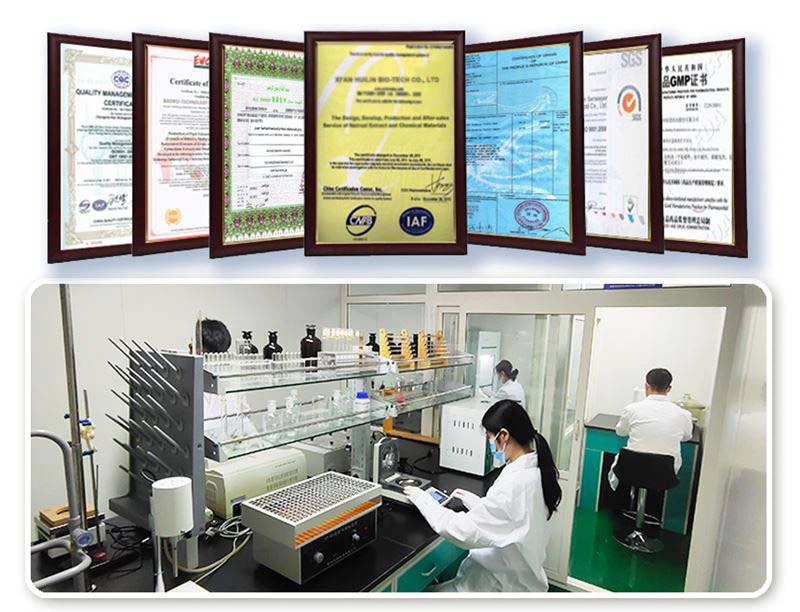
Quality Assurance
Strict adherence to GMP standards and full regulatory transparency. We stay current with global requirements, including FDA GRAS, EFSA, and other regional regulations, to ensure your products meet the highest safety and compliance standards.
05
Contact Us
Contact our sales team to discuss your requirements for Procyanidin Powder.
Please get in touch with us at ella.zhang@huilinbio-tech.com.


References
- Lourenço CF, Gago B, Barbosa RM, de Freitas V, Laranjinha J. LDL isolated from plasma‑loaded red wine procyanidins resist lipid oxidation and tocopherol depletion. Journal of Agricultural and Food Chemistry. 2008;56(10):3798-804. DOI: 10.1021/jf0733565. PMID: 18454545.
- Steinberg FM, Bearden MM, Keen CL. Cocoa procyanidin chain length does not determine ability to protect LDL from oxidation when monomer units are controlled. Journal of Nutritional Biochemistry. 2002;13(11):645-652. DOI: 10.1016/s0955-2863(02)00215-2. PMID: 12550061.
- Red Wine OPCs Skin Whitening and Moisturizing Study. Effects of oligomeric proanthocyanidins (OPCs) of red wine to improve skin whitening and moisturizing in healthy women – A placebo‑controlled randomized double‑blind parallel group comparative study. (Clinical study).
- Liu L, Wang M, Guo M, et al. Oligomeric Proanthocyanidins (OPCs): Molecular structure, natural sources, antioxidant capacity, and potential applications. Antioxidants. 2023;12(5):1004. DOI: 10.3390/antiox1205100
Hot Tags: procyanidin powder, China, suppliers, manufacturers, factory, wholesale, buy, price, bulk, pure, natural, high quality, in stock, for sale, 98% Ferulic Acid Powder, Amygdalin Powder, Curcumin Extract Powder, Herb Extracts, Pterostilbene Powder, Vincamine Powder


