



Description
Vitamin B12 (cobalamin) is an essential water‑soluble micronutrient that serves as a cofactor for two critical human enzymes: methionine synthase and methylmalonyl‑CoA mutase. It plays an indispensable role in red blood cell formation, DNA synthesis, neurological function, and cellular energy metabolism. Unlike many other vitamins, B12 cannot be synthesized by plants or animals; it is naturally produced exclusively by certain bacteria and archaea. As a result, individuals following vegetarian or vegan diets are at particular risk of deficiency, fueling robust global demand for high‑quality B12 fortification and supplementation.
Why Choose Cyanocobalamin?
Cyanocobalamin, the synthetic form of vitamin B12, is the most stable and cost‑effective form for bulk powder applications. It is the form most widely used in food fortification and dietary supplements globally because of its excellent stability profile, long shelf life, and proven bioavailability. It complies with USP, EP, and food‑grade specifications.
Biochemical & Physical Parameters
| Property | Value |
|---|---|
| CAS Number | 68‑19‑9 |
| Molecular Formula | C₆₃H₈₈CoN₁₄O₁₄P |
| Molecular Weight | 1355.37 – 1355.42 g/mol |
| Appearance | Dark red to dark purple crystalline powder |
| Odor / Taste | Odorless, tasteless |
| Melting Point | >300°C (decomposes) |
| Solubility | Slightly soluble in water (~12.5 g/L at 25°C); soluble in ethanol; insoluble in acetone, chloroform, and ether |
| pH Stability | Most stable at pH 4.5–5.0 (weak acid); degrades in strong acid (pH <2) or alkaline conditions |
| Hygroscopicity | Hygroscopic (anhydrous form readily absorbs moisture) |
| Light Sensitivity | Light‑sensitive; degrades upon UV/visible light exposure |
| Storage Temperature | 2–8°C (refrigerated) |
| Storage Conditions | Store under inert gas, protected from light; keep container tightly closed |
| Shelf Life | Up to 60 months under proper storage |
| Purity Specifications | 98–102% (USP/EP grade), 97–102% (HPLC), 96–100.5% (dried basis) |
| GHS Hazard Classification | Not classified as hazardous under GHS at low concentrations; standard laboratory precautions apply |
Mechanism of Action
Vitamin B12 works as a helper (cofactor) for two key enzymes in the body [1][2]. Think of it as a "special tool" that allows these enzymes to do their jobs properly.
1 Methionine Synthase – The Methylation Helper
This enzyme, with B12's help, converts a substance called homocysteine (which can be harmful in high amounts) into methionine (a useful amino acid). Methionine is then used to make SAM, a vital molecule that acts like a "methyl group donor" – it tags DNA and other molecules to control gene activity, brain signaling, and many other essential processes [2].
If B12 is missing, homocysteine builds up (which is bad for the heart and brain), and the body's ability to regulate genes and produce key brain chemicals is impaired.
2 Methylmalonyl‑CoA Mutase – The Energy Helper
Inside our cells' power plants (mitochondria), B12 helps this enzyme break down certain fats and proteins into a substance called succinyl‑CoA, which then enters the energy‑producing cycle (TCA cycle) to make fuel for the body [1][2].
Without B12, this breakdown gets stuck, leading to a buildup of methylmalonic acid and a drop in cellular energy – causing fatigue and nerve damage.
In a Nutshell:
B12 + Enzyme #1 → keeps your heart and brain healthy by recycling a harmful molecule into a useful one, and helps control your genes.
B12 + Enzyme #2 → helps your cells turn fats and proteins into energy, keeping you energized and your nerves protected.
Health Benefits
1 Supports Red Blood Cell Formation and Prevents Megaloblastic Anemia
Vitamin B12 is essential for normal DNA synthesis during red blood cell production. B12 deficiency impairs DNA replication, resulting in the formation of abnormally large, nucleated red blood cells (megaloblasts) and clinically presents as megaloblastic anemia [3]. Supplementation restores normal erythropoiesis and reverses hematological abnormalities [3].
2 Maintains Nervous System Health and Myelination
B12 is required for the synthesis and maintenance of the myelin sheath. Deficiency leads to demyelination of the lateral and posterior spinal columns, manifesting as subacute combined degeneration, peripheral neuropathy, and cognitive changes [3]. Neurological symptoms resulting from B12 deficiency may take several months or even years to resolve completely [3].
3 Supports Energy Metabolism and Reduces Fatigue
As a cofactor in mitochondrial energy metabolism, B12 is involved in converting carbohydrates, proteins, and fats into usable cellular energy. Individuals with B12 deficiency often experience significant fatigue, weakness, and lethargy; correction of the deficiency through supplementation has been shown to restore normal energy levels [3].
4 Contributes to DNA Synthesis and Cellular Replication
B12 plays a critical role in the synthesis of purines and pyrimidines, the nucleotide building blocks of DNA [3]. This function is particularly important in rapidly dividing cell populations, such as hematopoietic stem cells, gastrointestinal epithelial cells, and fetal tissues during pregnancy.
5 Supports Cardiovascular Health via Homocysteine Regulation
Elevated plasma homocysteine is an independent risk factor for cardiovascular disease. As a required cofactor for methionine synthase, B12 (together with folate) facilitates the conversion of homocysteine to methionine, thereby helping maintain healthy homocysteine levels within the normal range [2][3].
6 Neuroprotective and Cognitive Health Benefits
Evidence from animal and human studies shows that B12 has neuroprotective and anti‑inflammatory properties [3]. Mechanistic studies link disrupted one‑carbon metabolism and elevated homocysteine in B12 deficiency to pathways implicated in Alzheimer's disease and neurodegeneration [3].
Summary of clinical evidence: A 2023 BMJ review confirms B12's role in normal nervous system function, red blood cell development, antioxidant effects, mitochondrial energy metabolism, DNA synthesis, and epigenetic regulation [3].
Applications
1 Dietary Supplements
High‑purity Vitamin B12 powder is a core ingredient in: multivitamin tablets and capsules, standalone B12 supplements, sublingual sprays and lozenges, liquid drops, gummy vitamins, and effervescent tablets. Given that plant‑based diets are typically low in B12, supplementation has become essential for the growing global vegetarian and vegan population [4].
2 Functional Foods and Beverages
Vitamin B12 is widely used to fortify: plant‑based milk alternatives, breakfast cereals, nutritional yeast, energy drinks, protein powders, yogurt, dairy alternatives, and infant formula. Cyanocobalamin is the preferred form for food fortification due to its superior stability [4]. Staple food fortification with encapsulated and free vitamin B12 is a prominent strategy to combat deficiency and promote nutritional value [4].
3 Pharmaceutical Formulations
USP‑grade B12 powder serves as an active pharmaceutical ingredient (API) in: intramuscular injection solutions (for treating pernicious anemia and severe B12 deficiency), nasal gel/spray formulations, and prescription oral B12 tablets.
4 Animal Nutrition
B12 is added to livestock and poultry feed, aquaculture feed, pet food, and companion animal supplements.
5 Cell Culture and Biotechnology Research
High‑purity B12 (≥98%) is used in mammalian cell culture media, microbiological assays, and fermentation media for microbial production.
6 Cosmetics and Personal Care
B12 is incorporated into anti‑aging serums and creams, hair growth formulations, and skincare products for its antioxidant and skin‑soothing properties.
Frequently Asked Questions (FAQ)
Q: What is the difference between cyanocobalamin, methylcobalamin, and adenosylcobalamin?
A: Cyanocobalamin is the synthetic, most stable form of vitamin B12, widely used in supplements and food fortification because it remains potent for years under proper storage. Once ingested, the body converts cyanocobalamin into the two active coenzyme forms: methylcobalamin (for methionine synthase) and adenosylcobalamin (for methylmalonyl‑CoA mutase). Cyanocobalamin is preferred for bulk applications due to its superior stability and cost‑effectiveness [3][4].
Q: Is this product compliant with global food and supplement regulations?
A: Yes. Our Vitamin B12 powder is manufactured in GMP‑certified facilities and complies with major international standards (FDA GRAS, EU Regulation EC 1925/2006, China GB standards, Japan JSFA, and JECFA specifications). Comprehensive documentation, including COA, TDS, SDS, allergen statements, and non‑GMO certificates, is available upon request.
Q: Can I receive a sample before placing a bulk order?
A: Yes. We offer laboratory‑scale samples (typically 10–100g) for quality evaluation, formulation development, and analytical testing. Sample orders can be shipped within 3–5 business days.
Q: What packaging options are available?
A: Aluminum foil bags (1–5 kg), sealed plastic drums (10–25 kg), fiber drums (25–50 kg), and customized packaging upon request.
Q: What is your lead time for bulk orders?
A: For standard bulk orders (≥25 kg), lead time is typically 10–15 business days after order confirmation and payment.
Q: Do you offer custom particle size or encapsulation services?
A: Yes. We offer custom micronization, microencapsulation, custom B12 premixes, and spray‑dried B12 formulations. Please contact our technical team.
Q: How is Vitamin B12 industrially produced?
A: Industrial production is primarily carried out through microbial fermentation using specific bacterial strains, such as Propionibacterium freudenreichii and Pseudomonas denitrificans, since its biosynthesis is confined exclusively to bacteria and archaea [4]. Recent advances in metabolic engineering have transformed these microbes into efficient cell factories for high‑yield B12 production [4].
Why Choose Us?
Your Professional Manufacturing & Sourcing Partner
We are more than a supplier - we are a comprehensive supply chain partner dedicated to high-quality ingredients, custom formulations, and finished products across multiple industries.
Professional Expertise
With years of experience in plant extracts, food additives, cosmetic raw materials, and nutritional ingredients, our team brings deep technical knowledge and market insight to every partnership.
01
Diverse Product Range
We offer a broad range of products, including food additives, plant extracts, fruit & vegetable powders, cosmetic actives, and functional food ingredients.
02
One-Stop Shop
Raw Materials: High-purity ingredients for food, beverage, supplement, and cosmetic applications.
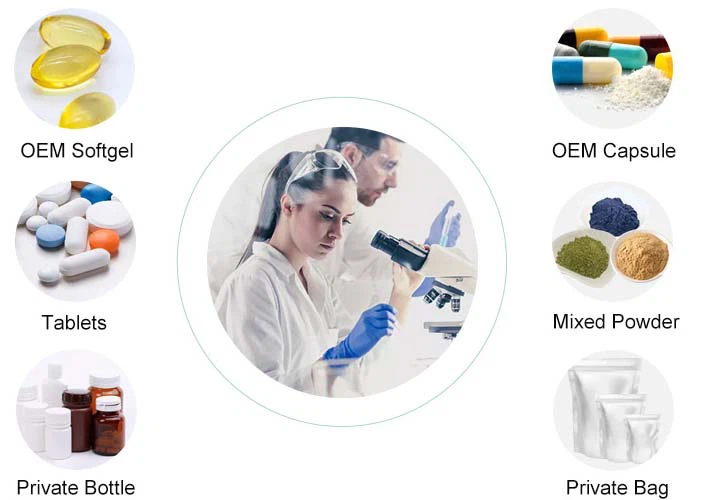
Finished Products: In-house manufacturing of capsules, soft gels, gummies, liquid drops, and blended powders.
03
OEM/ODM/OBM Services
Label Design & Packaging: Custom branding tailored to your target market.
Formulation & R&D: Expert support to develop custom blends, proprietary formulas, and innovative products.
Global Logistics: Reliable shipping, documentation, and customs clearance support.
04
Quality Assurance
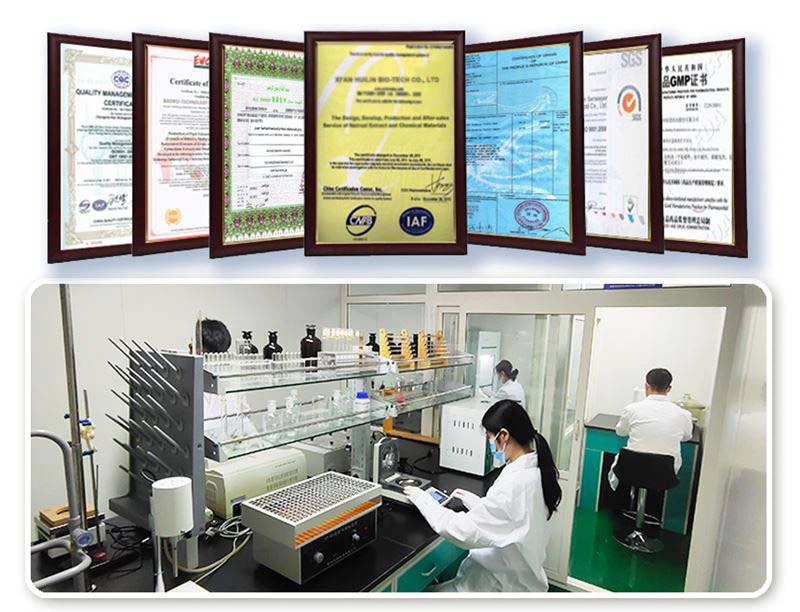
Strict adherence to GMP standards and full regulatory transparency. We stay current with global requirements, including FDA GRAS, EFSA, and other regional regulations, to ensure your products meet the highest safety and compliance standards.
05
Act Now
Ready to formulate with premium Pure Vitamin B12 Powder?
- Request a Quote or Sample
- Request Documentation: COA, TDS, SDS, or regulatory compliance documents
- Bulk Orders & Contract Manufacturing: Inquire about volume discount schedules and long‑term supply agreements.
- Sample Policy: Lab‑scale samples (10–100g) available for formulation development and quality evaluation.
Please contact us at ella.zhang@huilinbio-tech.com.



References
Hot Tags: pure vitamin b12 powder (cyanocobalamin), China, suppliers, manufacturers, factory, wholesale, buy, price, bulk, pure, natural, high quality, in stock, for sale, L Ascorbic Acid Powder Vitamin C, Pigment Powder, Vitamin B3 Niacinamide Powder, Vitamin H Biotin Powder, Vitamin Series


