

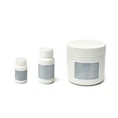
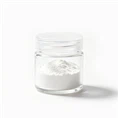

Introduction to Daidzin Powder
Daidzin is a naturally occurring isoflavone glycoside found predominantly in soybeans (Glycine max) and kudzu root (Pueraria lobata). It is the 7-O-glucoside of daidzein, and upon consumption, it is metabolized by intestinal microflora to its bioactive aglycone daidzein, which can be further converted to equol and O‑desmethylangolensin. Daidzin is recognized for its structural similarity to endogenous estrogens, allowing it to bind selectively to estrogen receptors (ERα and ERβ). It also exhibits potent antioxidant activity, scavenging free radicals and reducing oxidative stress.
Commercially, daidzin is supplied as a white to off‑white crystalline powder derived from soybean meal or kudzu root through standardized extraction and purification processes. Its combination of phytoestrogen activity, antioxidant capacity, and favorable safety profile makes it a valuable ingredient for cosmetic formulations (anti‑aging, skin‑brightening, moisturizing), dietary supplements (menopause support, bone health, cardiovascular wellness), and functional foods.
Certificate of Analysis (COA)
| Test Parameter | Specification | Typical Result | Method |
|---|---|---|---|
| Appearance | White to off‑white or pale yellow crystalline powder | Conforms | Visual Inspection |
| Identification (HPLC) | Retention time matches daidzin standard | Conforms | HPLC‑UV/Vis |
| Assay (HPLC) | ≥98.0% – ≥99.0% (grade dependent) | ≥98.9% | HPLC (External Standard) |
| Loss on Drying | ≤5.0% | ≤1.0% | Gravimetric (105°C) |
| Residue on Ignition (Ash) | ≤0.5% | ≤0.1% | Gravimetric (550°C) |
| Specific Rotation | -37.0° to -41.0° (c=0.5, DMSO) | -39.5° | Polarimeter |
| Melting Point | 264 – 267°C (dec.) | 265.5°C | Capillary Method |
| Heavy Metals (as Pb) | ≤10 mg/kg | ≤5 mg/kg | ICP‑MS |
| Lead (Pb) | ≤2 mg/kg | ≤0.5 mg/kg | AAS / ICP‑MS |
| Arsenic (As) | ≤2 mg/kg | ≤0.5 mg/kg | ICP‑MS |
| Mercury (Hg) | ≤0.5 mg/kg | ≤0.1 mg/kg | ICP‑MS |
| Cadmium (Cd) | ≤1 mg/kg | ≤0.1 mg/kg | ICP‑MS |
| Total Plate Count | ≤1000 CFU/g | ≤100 CFU/g | ISO 4833 |
| Yeast & Mold | ≤100 CFU/g | ≤50 CFU/g | ISO 21527 |
| E. coli | Negative (in 10 g) | Negative | ISO 7251 |
| Salmonella | Negative (in 25 g) | Negative | ISO 6579 |
| Pesticide Residues (multi‑residue) | Meets EU/China MRLs | Conforms | GC‑MS / LC‑MS/MS |
| Residual Solvents (Ethanol/Hexane) | ≤5000 mg/kg (each) | ≤500 mg/kg | GC‑HS |
| Storage Condition | Cool, dry, light‑protected; 2–8°C | N/A | N/A |
| Shelf Life | 2 – 5 years from manufacture | N/A | Stability Study |
Note: A comprehensive lot‑specific Certificate of Analysis (COA) is provided with each shipment.
Manufacturing Process
Daidzin is produced from renewable plant biomass, primarily soybean meal (Glycine max) or Pueraria lobata (Kudzu) roots.
- Step 1 – Raw Material Preparation: Soybeans or Kudzu roots are collected from verified agricultural sources, washed, dried, and milled to increase surface area for extraction.
- Step 2 – Extraction: The plant material is extracted with ethanol/water mixtures (typically 70% EtOH) under controlled temperature and agitation. Microwave‑assisted extraction may be used to enhance efficiency and reduce extraction time.
- Step 3 – Filtration and Clarification: The crude extract is filtered to remove insoluble plant residues, yielding a clarified isoflavone‑rich liquor.
- Step 4 – Concentration: The clarified extract is concentrated under reduced pressure to increase the isoflavone concentration.
- Step 5 – Purification: Daidzin is isolated via macroporous resin adsorption chromatography or preparative HPLC, using stepwise ethanol/water gradients (e.g., 30‑40% ethanol) to elute daidzin‑enriched fractions. Multiple chromatographic passes may be employed to achieve ≥98‑99% purity.
- Step 6 – Crystallization: Purified daidzin is crystallized from ethanol/water under controlled temperature and agitation to produce uniform crystals.
- Step 7 – Drying and Milling: Daidzin crystals are separated by centrifugation and dried (loss on drying ≤1.0‑5.0%). For powdered grades, the dried crystals are milled to the desired particle size.
- Step 8 – QC Testing and Packaging: Each batch undergoes comprehensive QC testing per COA specifications, then is packaged in food‑grade multi‑layer bags (25 kg net) or fiber drums.
Key Properties & Benefits
Daidzin delivers the following scientifically validated functional benefits based on its isoflavone structure and biological activities.
1. Potent Antioxidant Activity
Daidzin and its aglycone daidzein possess strong antioxidant capacity, scavenging free radicals (DPPH, hydroxyl radicals) and chelating pro‑oxidant metal ions such as Cu²⁺ and Fe²⁺. This antioxidant activity helps reduce oxidative stress, which is implicated in cellular aging, skin damage, and various metabolic disturbances. Studies have shown that daidzin inhibits the oxidation of human low‑density lipoprotein (LDL), an effect of interest in formulations targeting oxidative damage.
2. Cardiovascular Health Support
Daidzin has been extensively investigated for its potential role in cardiovascular health. The 2024 Phytotherapy Research review examined in vitro and animal studies and found that daidzein and daidzin are effective in reducing inflammation, oxidative stress, hyperlipidemia, myocardial infarction, thromboembolism, hypertension, and aneurysms. Notably, a major daidzin metabolite, 7,8,4'-trihydroxyisoflavone, has been shown to attenuate monocyte‑endothelial cell adhesion, an early event in atherosclerotic plaque formation, supporting daidzin's potential antiatherosclerotic effects.
Note: While preclinical results are promising, clinical translation requires further validation; this ingredient is positioned as a research and formulation ingredient rather than a therapeutic agent.
3. Estrogen Receptor Modulation (Phytoestrogen Activity)
Daidzin's aglycone daidzein exhibits selective estrogen receptor modulator (SERM)-like activity, binding to both ERα and ERβ with a preference for ERβ. This property makes daidzin a candidate for cosmetic and supplement formulations targeting:
- Skin health – By binding to estrogen receptors expressed in dermal fibroblasts and keratinocytes, daidzein stimulates collagen synthesis and slows collagen degradation, improving skin elasticity and reducing the appearance of wrinkles.
- Hormonal balance support – Phytoestrogens from soy sources are extensively studied for their potential to alleviate menopausal symptoms (e.g., hot flashes) and support bone mineral density in postmenopausal women.
4. Bone Health Support
Daidzin is effective in preventing bone loss in animal models of estrogen deficiency. In ovariectomized rats, daidzin (along with genistin and glycitin) demonstrated efficacy in preventing bone loss, and daidzin and glycitin were also effective in reversing unfavorable changes in lipid metabolism.
5. Lipid Metabolism Support
The same study in ovariectomized rats found that daidzin and glycitin were effective in reversing unfavorable changes in lipid metabolism, suggesting a potential application in formulations supporting healthy cholesterol and triglyceride levels.
6. Metabolic Health Support
Daidzin has shown potential in inhibiting enzymes that break down carbohydrates, which may contribute to the regulation of postprandial blood sugar levels. This property positions daidzin as a candidate for functional foods and supplements targeting metabolic health.
7. Neuroprotective Properties
Recent research has highlighted daidzin's neuroprotective potential. In rat models of traumatic brain injury (TBI), daidzin treatment improved neurological outcomes, reduced hippocampal and cortical edema, and demonstrated the ability to mitigate cellular damage. These effects are likely mediated through daidzin's antioxidant and anti‑inflammatory mechanisms, as well as its ability to bind to estrogen receptors expressed in the brain.
8. Natural and Plant‑Derived
Daidzin is a naturally occurring compound derived entirely from plant sources (primarily soybeans and Kudzu). It is inherently Non‑GMO, gluten‑free, and compatible with vegan, Halal, and Kosher certification requirements, aligning with consumer demand for natural, sustainable, and clean‑label ingredients.
9. Traditional Use Safety Profile
Daidzin is the major active component of Radix Puerariae (Kudzu root), which has been used in traditional Chinese medicine for centuries. This extensive traditional use history supports the ingredient's favorable safety profile at typical dietary levels. No significant adverse effects have been reported at standard nutraceutical and cosmetic use levels (0.02‑0.5% in skincare formulations). Daidzin exhibits minimal toxicity in preclinical studies.
What is Daidzin Used for?
1. Cosmetic and Personal Care Industry
Daidzin is a highly valued active ingredient in cosmetic and personal care formulations, particularly in anti‑aging, skin‑brightening, and moisturizing products. Its primary applications include:
- Anti‑aging creams and serums – Daidzin stimulates collagen synthesis, slows collagen degradation, and supports skin elasticity, reducing the appearance of fine lines and wrinkles.
- Skin‑brightening and whitening formulations – Due to its antioxidant properties, daidzin helps reduce hyperpigmentation and promote a more even skin tone.
- Hormone‑related skin condition management – Isoflavones such as daidzin help balance estrogen deficiencies and are used in skincare formulations for the prevention of hormone‑induced skin problems.
- Moisturizing creams, lotions, and face masks – Daidzin improves skin hydration and contributes to a healthier skin barrier.
- Sunscreen and after‑sun products – Daidzin's free‑radical scavenging activity complements UV protection strategies by neutralizing oxidative stress induced by UV exposure.
- Natural origin and clean‑label appeal – Daidzin is a plant‑derived, vegan‑friendly ingredient that meets growing consumer demand for natural, sustainable, and eco‑conscious cosmetic ingredients. It is considered safe and non‑irritating as used in skin care, with amounts typically ranging from 0.02%–0.5%.
2. Dietary Supplements and Nutraceuticals
Daidzin is widely used as a functional ingredient in dietary supplements targeting:
- Women's health and menopause support – Formulations designed to support hormonal balance, reduce hot flash frequency, and maintain bone mineral density during perimenopause and postmenopause.
- Bone health – Supplements for bone density maintenance, particularly for postmenopausal women at increased risk of bone loss.
- Cardiovascular wellness – Supports healthy lipid metabolism, oxidative stress reduction, and vascular function.
- Metabolic health – Supports healthy blood glucose levels and metabolic function.
- Antioxidant support and oxidative stress reduction – Formulations for individuals seeking enhanced antioxidant defense.
3. Functional Foods and Beverages
Daidzin is incorporated into functional foods and beverages targeting:
- Cardiovascular wellness – Fortified functional beverages for heart health support
- Women's health products – Soy‑based functional foods for menopausal symptom relief
- Metabolic health – Low‑glycemic index formulations with carbohydrate‑modulating activity
4. Pharmaceutical and Biomedical Research
In pharmaceutical and research contexts, daidzin is utilized for:
- Antioxidant and anti‑inflammatory research – Serves as a reference standard and research material for studying oxidative stress pathways, inflammation mechanisms, and potential therapeutic interventions
- Alcohol‑related research – As a selective inhibitor of mitochondrial aldehyde dehydrogenase (ALDH‑2), daidzin has been studied for its antidipsotropic properties
- Drug discovery and development – Investigated as a lead compound or scaffold for novel pharmaceutical agents
5. Animal Feed and Pet Food
Daidzin is incorporated into animal feed and pet food formulations to support antioxidant status and overall wellness in livestock, poultry, and companion animals.
6. Biotechnology Research
Daidzin serves as a standard compound for isoflavone analysis in botanical raw materials and finished products, and is used in cell culture studies investigating isoflavone metabolism.

Frequently Asked Questions (FAQ)
Q: What is the botanical source of your daidzin? Is it derived from soy or Kudzu?
A: Our standard commercial daidzin is sourced from soybean (Glycine max) meal, a byproduct of the soybean oil extraction industry. Daidzin, isolated from Pueraria lobata (Kudzu) root, is also available upon request. Both sources yield chemically identical daidzin. Please contact our sales team to specify your preferred botanical source for your intended application.
Q: What is the difference between daidzin and daidzein?
A: Daidzin is the 7-O-glucoside (glycosylated form) of daidzein, meaning it consists of daidzein with a glucose molecule attached. Daidzein is the aglycone (non‑glycosylated) form. Daidzin is generally more water‑soluble and stable than daidzein. Upon ingestion, daidzin is metabolized by intestinal bacteria to release bioactive daidzein, which can be further converted to equol or O‑DMA, depending on individual gut microbiota composition.
Q: What is the recommended usage level for daidzin in cosmetic formulations?
A: For skincare applications, daidzin (or daidzein) is typically used at levels ranging from 0.02%–0.5% when used in pure form. Daidzin is considered safe and non‑irritating within this concentration range. For creams, serums, and lotions, a starting concentration of 0.1% is commonly used. Optimization based on formulation type and target benefits is recommended. For anti‑aging and skin‑brightening effects, combination with complementary active ingredients such as vitamin C, niacinamide, or other isoflavones may provide synergistic benefits.
Q: What is the recommended dosage for daidzin in dietary supplements?
A: Recommended dosages vary by application and target population. For general antioxidant support and cardiovascular wellness: 50‑100 mg per day is commonly used. For menopause support, total isoflavone dosages of 50‑100 mg per day are typical (derived from soy extract standardized to contain daidzin and genistin). Consultation with a qualified professional is recommended for formulation‑specific dosage determination.
Q: Do you provide samples before bulk orders?
A: Yes. Free or low‑cost samples (50 g, 100 g, or 500 g) are available for quality evaluation before bulk ordering. Sample freight charges may apply for international shipments.
Q: Can daidzin be used in combination with other active ingredients in skincare?
A: Yes. Daidzin is compatible with most common cosmetic ingredients, including vitamin C, vitamin E, niacinamide, hyaluronic acid, retinol, and other botanical extracts. Its antioxidant activity complements and may synergize with other antioxidants. However, formulation compatibility testing is recommended when combining with compounds that may interact with the isoflavone structure (e.g., strong oxidizing agents).
Q: What is the difference between daidzin and other soy isoflavones (genistin, glycitin)?
A: Daidzin, genistin, and glycitin are the three primary isoflavone glycosides in soybeans. Daidzin is the 7‑O‑glucoside of daidzein; genistin is the 7‑O‑glucoside of genistein; glycitin is the 7‑O‑glucoside of glycitein. These three isoflavones have distinct biological activities and potency profiles. Daidzin is particularly noted for its estrogen receptor‑binding properties and potential metabolism to equol, a metabolite with enhanced bioactivity.
Why Choose Us?
Your Professional Manufacturing & Sourcing Partner
We are more than a supplier - we are a comprehensive supply chain partner dedicated to high-quality ingredients, custom formulations, and finished products across multiple industries.
Professional Expertise
With years of experience in plant extracts, food additives, cosmetic raw materials, and nutritional ingredients, our team brings deep technical knowledge and market insight to every partnership.
01
Diverse Product Range
We offer a broad range of products, including food additives, plant extracts, fruit & vegetable powders, cosmetic actives, and functional food ingredients.
02
One-Stop Shop
Raw Materials: High-purity ingredients for food, beverage, supplement, and cosmetic applications.
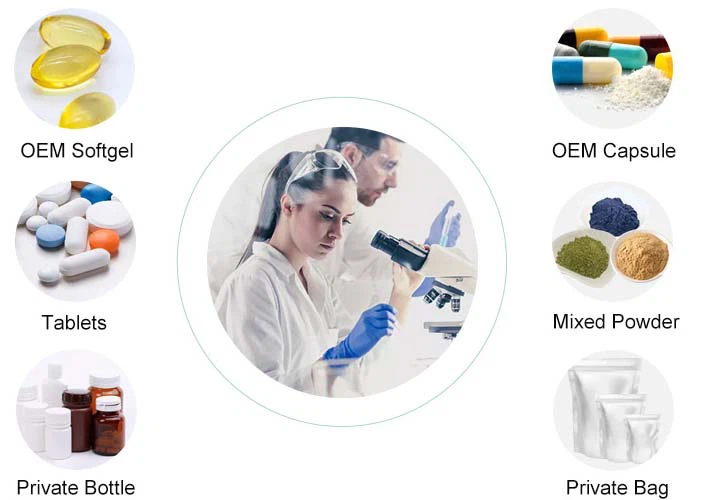
Finished Products: In-house manufacturing of capsules, soft gels, gummies, liquid drops, and blended powders.
03
OEM/ODM/OBM Services
Label Design & Packaging: Custom branding tailored to your target market.
Formulation & R&D: Expert support to develop custom blends, proprietary formulas, and innovative products.
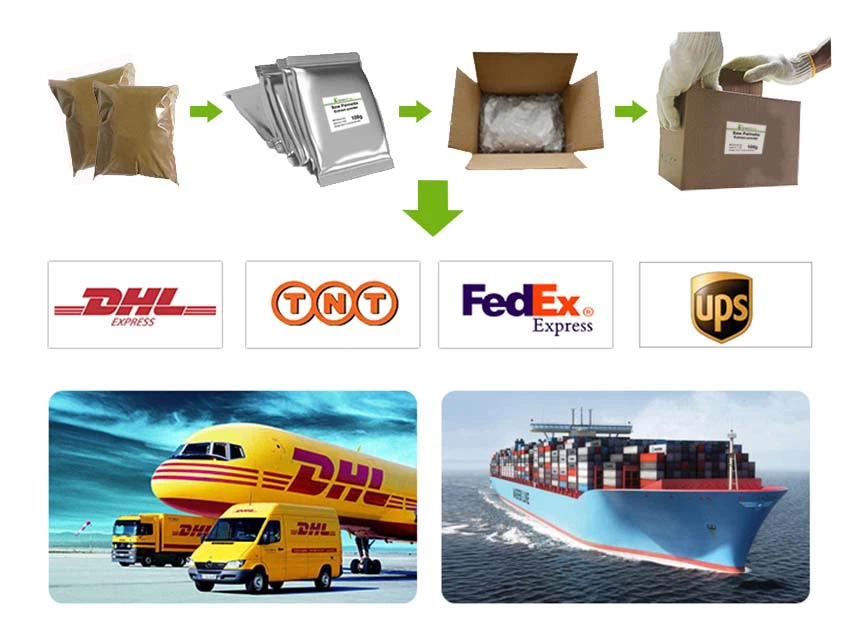
Global Logistics: Reliable shipping, documentation, and customs clearance support.
04
Quality Assurance
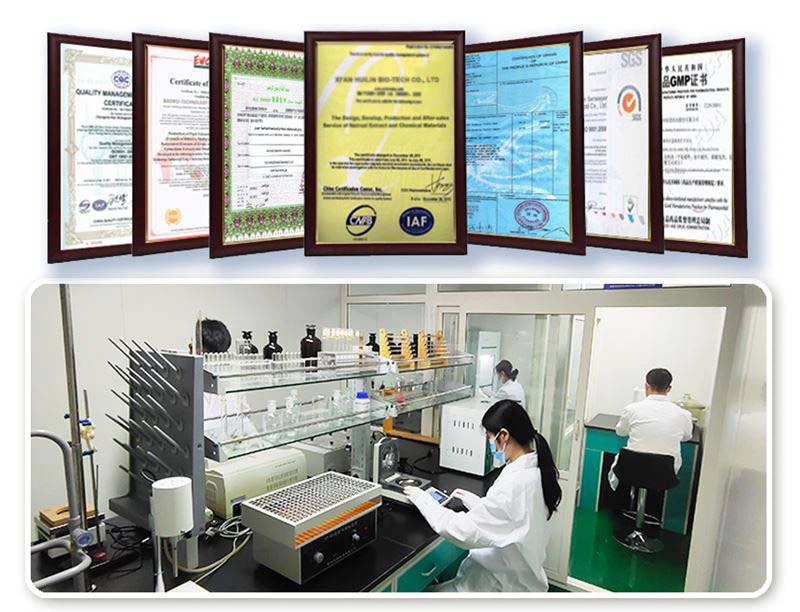
Strict adherence to GMP standards and full regulatory transparency. We stay current with global requirements, including FDA GRAS, EFSA, and other regional regulations, to ensure your products meet the highest safety and compliance standards.
05
Contact Us
Contact our sales team to discuss your requirements for Daidzin Powder.
Please get in touch with us at ella.zhang@huilinbio-tech.com.


References
- Akhlaghipour I, et al. Daidzin and its de‑glycosylated constituent daidzein as a potential therapeutic for cardiovascular diseases: A review from bench to bed. Phytotherapy Research. 2024;38(8):3973‑3985. DOI: 10.1002/ptr.8261. PMID: 38847155.
- Islam MT, et al. Anticancer potential of daidzin: a comprehensive literature review. Medical Oncology. 2025;42(8):285. DOI: 10.1007/s12032-025-02839-6. PMID: 40569503.
- Uehara M. Isoflavone supplements for menopausal women: A systematic review. PMC. 2019.
- Iman MN, et al. Improvement of the functional value of green soybean (edamame) using germination and tempe fermentation: A comparative metabolomics study. Journal of Bioscience and Bioengineering. 2023.
Disclaimer: This document is for informational, research, and industrial purposes only. Daidzin powder is supplied as a cosmetic ingredient, dietary supplement raw material, functional food ingredient, or research reagent. Not for direct human therapeutic use unless specifically manufactured and approved for such use. All product claims are based on peer‑reviewed scientific literature and are not intended as medical claims. Users are responsible for ensuring compliance with all applicable local, national, and international regulations governing the use of this product in their intended applications. The statements in this document have not been evaluated by the FDA or other regulatory bodies for therapeutic efficacy. Formulators should conduct their own validation studies.
Hot Tags: daidzin powder, China, suppliers, manufacturers, factory, wholesale, buy, price, bulk, pure, natural, high quality, in stock, for sale


