


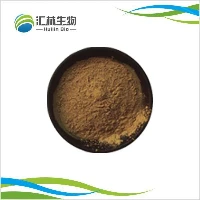


Introduction to Daidzein Powder
Daidzein is a naturally occurring isoflavone aglycone belonging to the phytoestrogen class of plant-derived compounds. It is one of the most abundant isoflavones found in soybeans and other leguminous plants, primarily derived from the hydrolysis of its glucoside precursor daidzin by intestinal β-glucosidases. Structurally, daidzein closely resembles the endogenous mammalian estrogen 17β-estradiol, which underpins its ability to bind selectively to estrogen receptors (ERα and ERβ) and exert both estrogenic and anti-estrogenic effects depending on tissue context.
Upon ingestion, daidzein is further metabolized by specific gut bacteria to equol and O-desmethylangolensin (O-DMA), metabolites with distinct biological profiles. Notably, daidzein also exhibits potent antioxidant and ER‑independent bioactivities that directly support its functionality in cosmetic, nutraceutical, and pharmaceutical applications.
Commercially, daidzein is supplied as a white to off‑white crystalline powder derived from soybean meal or kudzu root through standardized extraction, hydrolysis, and purification processes. Its combination of phytoestrogen activity, collagen‑boosting effect, and demonstrated safety profile makes it a highly sought-after ingredient for cosmetic formulations (anti-aging, skin‑firming), dietary supplements (menopausal support, bone health, cardiovascular wellness), and functional foods.
Certificate of Analysis (COA)
| Test Parameter | Specification | Typical Result | Method |
|---|---|---|---|
| Appearance | White to off‑white or pale yellow crystalline powder | Conforms | Visual Inspection |
| Identification (HPLC) | Retention time matches daidzein standard | Conforms | HPLC‑UV/Vis |
| Assay (HPLC) | ≥98.0% – ≥99.0% (grade dependent) | ≥98.5% | HPLC (External Standard) |
| Loss on Drying | ≤5.0% | ≤1.5% | Gravimetric (105°C) |
| Residue on Ignition (Ash) | ≤0.5% | ≤0.1% | Gravimetric (550°C) |
| Specific Optical Rotation | N/A (non‑chiral center) | N/A | - |
| Melting Point | 315 – 323°C (dec.) | 319°C | Capillary Method |
| Heavy Metals (as Pb) | ≤10 mg/kg | ≤5 mg/kg | ICP‑MS |
| Lead (Pb) | ≤2 mg/kg | ≤0.5 mg/kg | AAS / ICP‑MS |
| Arsenic (As) | ≤2 mg/kg | ≤0.5 mg/kg | ICP‑MS |
| Mercury (Hg) | ≤0.5 mg/kg | ≤0.1 mg/kg | ICP‑MS |
| Cadmium (Cd) | ≤1 mg/kg | ≤0.1 mg/kg | ICP‑MS |
| Total Plate Count | ≤1000 CFU/g | ≤100 CFU/g | ISO 4833 |
| Yeast & Mold | ≤100 CFU/g | ≤50 CFU/g | ISO 21527 |
| E. coli | Negative (in 10 g) | Negative | ISO 7251 |
| Salmonella | Negative (in 25 g) | Negative | ISO 6579 |
| Pesticide Residues | Meets EU/China MRLs | Conforms | GC‑MS / LC‑MS/MS |
| Residual Solvents (Ethanol) | ≤5000 mg/kg | ≤500 mg/kg | GC‑HS |
| Aflatoxins (B1, B2, G1, G2) | ≤4 ppb total | Not detected | HPLC‑FLD |
| Storage Condition | Cool, dry, light‑protected; 2–8°C for long‑term | N/A | N/A |
| Shelf Life | 2 – 5 years from manufacture | N/A | Stability Study |
Note: A comprehensive lot‑specific Certificate of Analysis (COA) is provided with each shipment.
Manufacturing Process
Daidzein is produced from renewable plant biomass, primarily soybean meal (Glycine max) or kudzu root (Pueraria lobata).
- Step 1 – Raw Material Preparation: Soybeans or kudzu roots are collected from verified agricultural sources, washed, dried, and milled to increase surface area for extraction.
- Step 2 – Isoflavone Extraction: The plant material is extracted with ethanol/water mixtures under controlled temperature and agitation to solubilize isoflavones.
- Step 3 – Hydrolysis of Glycosides: The crude extract is treated with specific enzymes (β‑glucosidases) or mild acid hydrolysis to convert isoflavone glycosides (daidzin, genistin) into their aglycone forms (daidzein, genistein).
- Step 4 – Filtration and Clarification: The hydrolysate is filtered to remove insoluble plant residues, yielding a clarified daidzein‑rich liquor.
- Step 5 – Purification: Daidzein is isolated via macroporous resin adsorption chromatography or preparative HPLC, using stepwise ethanol/water gradients to elute daidzein‑enriched fractions. Multiple chromatographic passes may be employed to achieve ≥98‑99% purity.
- Step 6 – Crystallization: Purified daidzein is crystallized from ethanol/water or acetic acid/water under controlled conditions to produce uniform crystals.
- Step 7 – Drying and Milling: Daidzein crystals are separated by centrifugation and dried (loss on drying ≤1.0–5.0%). For powdered grades, the dried crystals are milled to the desired particle size.
- Step 8 – QC Testing and Packaging: Each batch undergoes comprehensive QC testing per COA specifications, then is packaged in food‑grade multi‑layer bags (25 kg net) or fiber drums.
Key Properties & Benefits
Daidzein delivers the following scientifically validated functional benefits based on its isoflavone structure, phytoestrogen activity, and biological mechanisms.
1. Potent Antioxidant Activity
Daidzein exhibits strong antioxidant capacity, scavenging free radicals and chelating pro‑oxidant metal ions, thereby reducing oxidative stress in cells and tissues. Its antioxidant effects are mediated through both ER‑dependent and ER‑independent pathways, including activation of NRF‑2 signaling.
2. Skin Health and Anti-Aging (Collagen Synthesis)
Daidzein has demonstrated significant skin health benefits by stimulating collagen synthesis and inhibiting collagen degradation-key processes in combating chronological and photo‑induced skin aging. Mechanistically, daidzein activates the TGF‑β/Smad signaling pathway and upregulates type I and IV collagen production in human dermal fibroblasts, while reducing matrix metalloproteinase (MMP1 and MMP2) expression. Topical isoflavones, including daidzein, have shown promise for treating photoaging and UV‑induced skin damage in human studies, with one study reporting a 71% reduction in UV damage.
3. Estrogen Receptor Modulation (Phytoestrogen Activity)
Daidzein binds to estrogen receptors (ERα and ERβ) with a preference for ERβ, allowing it to mimic or modulate estrogen activity depending on tissue context. This property positions daidzein as a candidate for supplements and cosmetics targeting hormonal balance and estrogen‑deficiency‑related skin conditions.
4. Health Support Applications
Daidzein has shown protective effects in various physiological contexts based on preclinical studies, as summarized in a 2024 Phytomedicine review (Goleij et al.), which notes protective effects against breast cancer and prostate cancer, as well as non‑malignant conditions including diabetes, osteoporosis, and cardiovascular diseases.
Note: These findings are primarily from in vitro and animal studies. For commercial formulation purposes, daidzein is positioned as a research and functional ingredient within the established safety framework of isoflavone‑containing foods.
5. Natural and Plant‑Derived
Daidzein is a naturally occurring compound derived entirely from plant sources (primarily soybeans and kudzu root). It is inherently Non‑GMO and gluten‑free, compatible with vegan, Halal, and Kosher certification requirements, and aligns with consumer demand for natural, sustainable ingredients.
6. Established Safety Profile
Daidzein, as a major soy isoflavone, has been consumed safely for centuries as part of traditional soy‑based diets. The U.S. FDA has recognized isolated isoflavones, including daidzein, as safe for use in dietary supplements based on existing data. Multiple clinical trials have confirmed no adverse effects on thyroid function or other physiological markers at typical supplementation levels. No significant side effects or public health concerns have been reported with daidzein supplementation. The safety of soy isoflavone intake via diet or supplementation has been established with a side effect profile comparable to placebo. Daidzein is therefore recognized as a safe ingredient for nutraceutical and personal care applications when used within recommended guidelines.
What is Daidzein Used for?
1. Cosmetic and Personal Care Industry
Daidzein is a highly valued active ingredient in cosmetic and personal care formulations, particularly in anti‑aging, skin‑firming, and moisturizing products. Its primary applications include:
- Anti‑aging creams and serums – Stimulate collagen synthesis and inhibit collagen degradation, improving skin elasticity and reducing the appearance of fine lines and wrinkles
- Skin‑brightening and firming formulations – Promotes a more even skin tone and improves skin texture through its antioxidant and collagen‑enhancing properties
- Moisturizing creams, lotions, and face masks – Improves skin hydration and supports skin barrier function; phytoestrogens have been demonstrated to increase skin collagen levels, decrease collagen degradation, and increase hyaluronic acid and moisture content in the skin
- Sunscreen and after‑sun products – Complement UV protection by neutralizing UV‑induced oxidative stress and protecting against photoaging; studies have shown daidzein treatment protects pig skin from photodamage caused by solar‑simulated ultraviolet irradiation
- Natural origin and clean‑label appeal – Plant‑derived, vegan‑friendly ingredient meeting consumer demand for natural, sustainable cosmetic ingredients
2. Dietary Supplements and Nutraceuticals
Daidzein is widely used as a functional ingredient in dietary supplements targeting:
- Bone health – Supports calcium metabolism and bone mineralization, particularly for menopausal women at increased risk of bone loss. Research has demonstrated that daidzein treatment may inhibit bone loss through osteoblast modulation
- Women's health and hormonal balance – Formulations for perimenopausal and postmenopausal women aiming to support endocrine balance
- Cardiovascular wellness – Supports healthy lipid metabolism and oxidative stress reduction (preclinical studies indicate potential effects on inflammation and hyperlipidemia)
- Antioxidant support – Formulations for individuals seeking enhanced antioxidant defense and oxidative stress reduction
3. Functional Foods and Beverages
Daidzein is incorporated into functional foods and beverages for cardiovascular wellness and women's health applications, as well as soy‑based and plant‑based food products naturally rich in isoflavones.
4. Pharmaceutical and Biomedical Research
In research contexts, daidzein is utilized for:
- Antioxidant and anti‑inflammatory research – Reference standard for studying oxidative stress pathways and inflammation mechanisms
- Estrogen receptor research – A tool compound for studying ER‑mediated biological pathways
- Drug discovery – Investigated for potential applications in metabolic and age‑related conditions
5. Animal Feed and Pet Food
Daidzein is incorporated into animal feed formulations to support antioxidant status and overall wellness in livestock and companion animals.
6. Biotechnology Research
Daidzein serves as a standard compound for isoflavone analysis in botanical raw materials and is used in cell culture studies investigating isoflavone metabolism and bioactivity.

Frequently Asked Questions (FAQ)
Q: What is the difference between daidzein and daidzin?
A: Daidzein is the aglycone (non‑glycosylated) form of the isoflavone, while daidzin is the 7‑O‑glucoside (glycosylated form). Daidzin is more water‑soluble, but upon consumption, it is metabolized by intestinal β‑glucosidases to release the bioactive daidzein. Daidzein itself has greater lipophilicity and is the form that exerts estrogen receptor binding and antioxidant activities. Both are naturally found in soybeans and kudzu root.
Q: What is the recommended usage level for daidzein in cosmetic formulations?
A: For skincare applications, daidzein is typically used at concentrations ranging from 0.1%–2.0%, depending on the formulation type and target benefits. In anti‑aging creams and serums, 0.5%–1.0% is a common starting point. Daidzein is considered safe and non‑irritating within this concentration range. For enhanced collagen synthesis and anti‑aging effects, combination with complementary active ingredients such as peptides, niacinamide, or other phytoestrogens may provide synergistic benefits.
Q: Do you provide samples before bulk orders?
A: Yes. Free or low‑cost samples (50 g, 100 g, or 500 g) are available for quality evaluation before bulk ordering. Sample freight charges may apply for international shipments.
Q: Is daidzein safe for long‑term consumption? Are there side effects?
A: Yes. Daidzein, as a major soy isoflavone, has been consumed safely for centuries as part of traditional soy‑based diets. The U.S. FDA has recognized isolated isoflavones, including daidzein, as safe for use in dietary supplements based on existing data. Multiple clinical trials have confirmed that whole soy and purified daidzein consumption is safe, with no detrimental effect on thyroid function or other physiological markers. No significant side effects or public health crises have been reported. The safety of soy isoflavone intake via diet or supplementation has been established with a side effect profile comparable to placebo. As with any functional ingredient, consumers should consult with a professional before long‑term use of large quantities.
Q: How should daidzein powder be stored to maintain stability?
A: Daidzein powder should be stored in a cool, dry, light‑protected place at 2–8°C (tightly sealed container). Avoid exposure to strong oxidizing agents, direct sunlight, and moisture. When stored under recommended conditions, daidzein powder remains stable for 2‑5 years from the date of manufacture. Upon opening, the container should be tightly resealed and used promptly.
Q: What is the botanical source of your daidzein? Is it derived from soy or kudzu?
A: Our standard commercial daidzein is sourced from soybean (Glycine max) meal, a byproduct of the soybean oil extraction industry. Daidzein, derived from kudzu root (Pueraria lobata), is also available upon request. Both sources yield chemically identical daidzein.
Q: How does daidzein compare to other isoflavones like genistein?
A: Daidzein and genistein are the two most abundant isoflavones in soy. They have distinct bioactivity profiles: daidzein has slightly lower estrogen receptor binding affinity than genistein, but is notable for its metabolism to equol by gut bacteria (in approximately 30–50% of the population). Daidzein is also known for its collagen‑promoting effects in skin and its favorable safety profile. Both are valuable ingredients, and the choice depends on application‑specific bioactivity requirements.
Q: Can daidzein be used in combination with other active ingredients in skincare?
A: Yes. Daidzein is compatible with most common cosmetic ingredients, including vitamin C, vitamin E, niacinamide, hyaluronic acid, retinol, and other botanical extracts. Its antioxidant and collagen‑promoting activities complement and may synergize with other active ingredients. However, formulation compatibility testing is recommended when combining with compounds that may interact with the isoflavone structure (e.g., strong oxidizing agents or incompatible pH ranges).
Why Choose Us?
Your Professional Manufacturing & Sourcing Partner
We are more than a supplier - we are a comprehensive supply chain partner dedicated to high-quality ingredients, custom formulations, and finished products across multiple industries.
Professional Expertise
With years of experience in plant extracts, food additives, cosmetic raw materials, and nutritional ingredients, our team brings deep technical knowledge and market insight to every partnership.
01
Diverse Product Range
We offer a broad range of products, including food additives, plant extracts, fruit & vegetable powders, cosmetic actives, and functional food ingredients.
02
One-Stop Shop
Raw Materials: High-purity ingredients for food, beverage, supplement, and cosmetic applications.
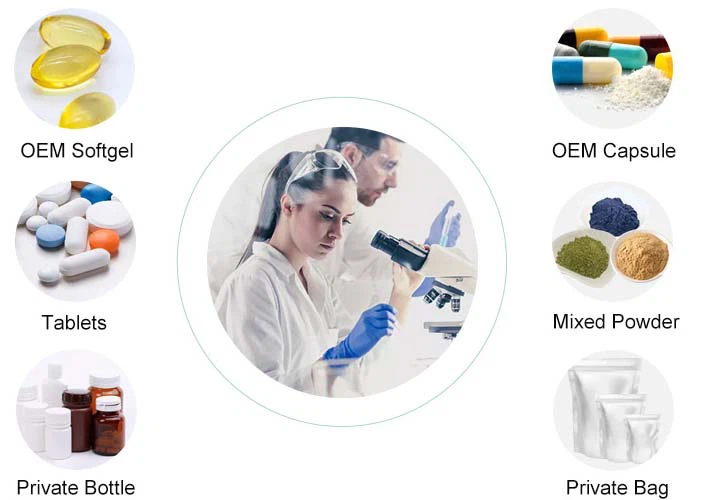
Finished Products: In-house manufacturing of capsules, soft gels, gummies, liquid drops, and blended powders.
03
OEM/ODM/OBM Services
Label Design & Packaging: Custom branding tailored to your target market.
Formulation & R&D: Expert support to develop custom blends, proprietary formulas, and innovative products.
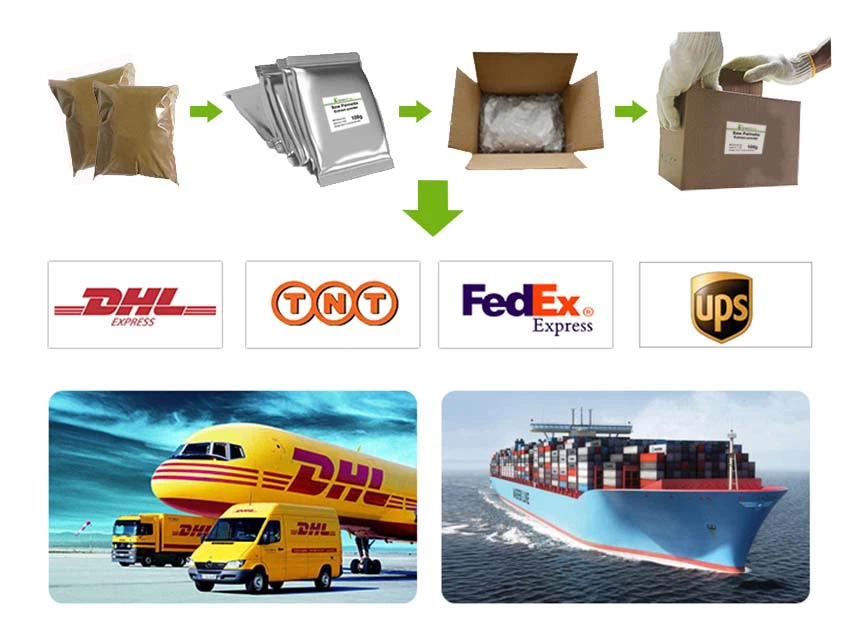
Global Logistics: Reliable shipping, documentation, and customs clearance support.
04
Quality Assurance
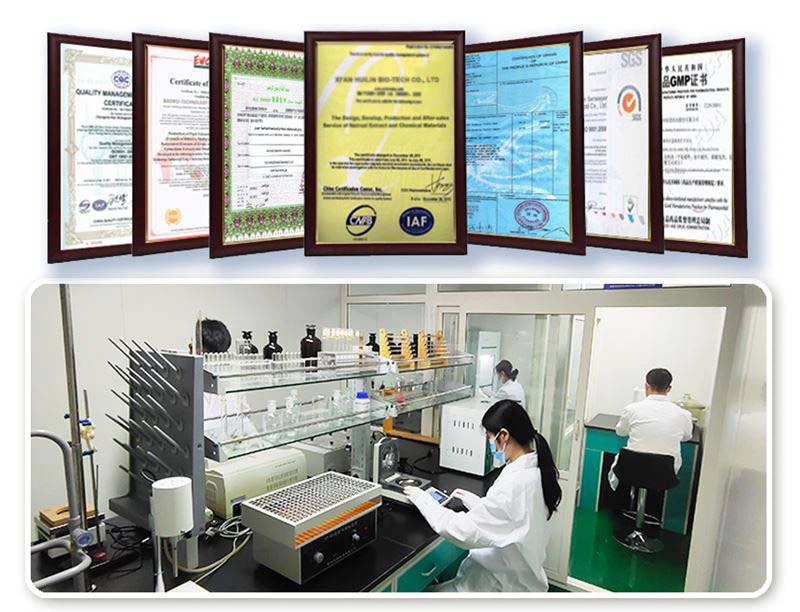
Strict adherence to GMP standards and full regulatory transparency. We stay current with global requirements, including FDA GRAS, EFSA, and other regional regulations, to ensure your products meet the highest safety and compliance standards.
05
Contact Us
Contact our sales team to discuss your requirements for Daidzein Powder.
Please get in touch with us at ella.zhang@huilinbio-tech.com.


References
- Ahmad S, et al. Bioflavonoid Daidzein: Therapeutic Insights, Formulation Advances, and Future Directions. Drug Research. 2024;74(9):433-455. DOI: 10.1055/a-2379-6849. PMID: 39299251.
- Goleij P, et al. Unlocking daidzein's healing power: Present applications and future possibilities in phytomedicine. Phytomedicine. 2024;134:155949. DOI: 10.1016/j.phymed.2024.155949. PMID: 39217652.
- Zhao Y, et al. Daidzein stimulates collagen synthesis by activating the TGF‑β/smad signal pathway. Journal of Cellular Biochemistry. 2015. – Demonstrates daidzein treatment increases skin collagen synthesis and inhibits collagen degradation in vitro and in vivo, confirming its anti‑aging potential in cosmetic applications.
- Liu ZM, et al. Effect of whole soy and purified daidzein on ambulatory blood pressure and endothelial function-a 6‑month double-blind, randomized controlled trial among Chinese postmenopausal women with prehypertension. European Journal of Clinical Nutrition. 2015;69(10):1161-1168. DOI: 10.1038/ejcn.2015.24. PMID: 25782428.
- Ye YB, et al. Effects of daidzein and genistein on markers of cardiovascular disease risk among women with impaired glucose regulation: a double-blind, randomized, placebo-controlled trial. Food & Function. 2021;12(17):7997-8006. DOI: 10.1039/d1fo00712b. PMID: 34263280.
Disclaimer: This document is for informational, research, and industrial purposes only. Daidzein powder is supplied as a cosmetic ingredient, dietary supplement raw material, functional food ingredient, or research reagent. Not for direct human therapeutic use unless specifically manufactured and approved for such use. All product claims are based on peer‑reviewed scientific literature and are not intended as medical claims. The statements in this document have not been evaluated by the FDA or other regulatory bodies for therapeutic efficacy. Formulators should conduct their own validation studies.
Hot Tags: daidzein powder, China, suppliers, manufacturers, factory, wholesale, buy, price, bulk, pure, natural, high quality, in stock, for sale, Genistein Powder, Honokiol Powder, Lipoic Acid Powder, Pterostilbene Powder, Resveratrol Powder 98 , Vincamine Powder


