




Introduction to Konjac Gum
Konjac Gum Powder (Konjac Glucomannan, KGM) is a water‑soluble dietary fiber extracted from the tuber of Amorphophallus konjac. Its main component, glucomannan, is a high‑molecular‑weight polysaccharide that absorbs up to 80‑100 times its weight in water, forming a highly viscous gel. This unique property promotes satiety, delays gastric emptying, and helps modulate blood glucose and cholesterol levels. The European Food Safety Authority (EFSA) has approved health claims for glucomannan regarding weight management, maintenance of normal blood cholesterol, reduction of post‑prandial glycaemic responses, and maintenance of normal bowel function. Our product is produced via a physical water‑extraction process, complies with EU E425(i), JECFA, and USP/FCC specifications, and is supplied with full documentation.
Physical & Chemical Parameters
| Parameter | Specification |
|---|---|
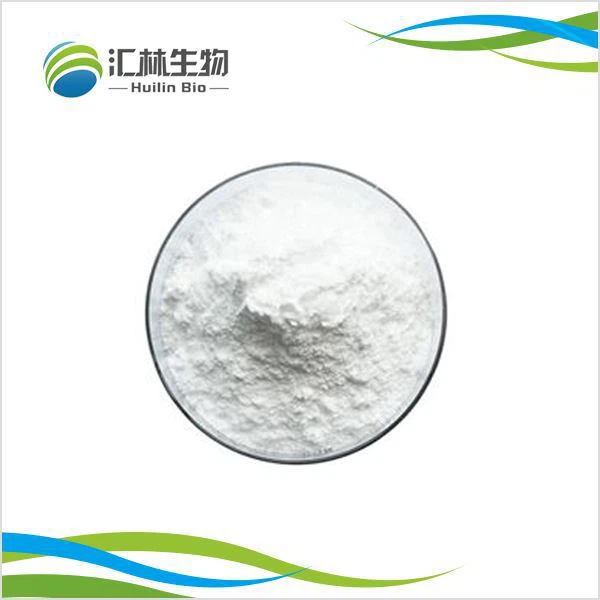
| Appearance | White to cream to light tan free‑flowing fine powder |
| Odor | Characteristic, mild, or odorless |
| Glucomannan (Total Dietary Fiber, dry basis) | ≥95% (typical) |
| Carbohydrate (by assay) | ≥75% (EU specification) |
| Moisture / Loss on Drying | ≤12% (105°C, 5 hours; EU: ≤12%; JECFA: ≤15%) |
| Protein | ≤3% (EU / USP; JECFA: ≤8%) |
| Total Ash | ≤5% (800°C, 3‑4 hours) |
| Starch | ≤3% |
| Ether‑Soluble Material | ≤0.1% |
| Molecular Weight (Glucomannan, average) | 200,000 – 2,000,000 Daltons |
| Viscosity (1% solution, 25°C) | ≥3,000 mPa·s (≥3 kg·m⁻¹·s⁻¹) |
| pH (1% dispersion) | 4.0 – 7.0 |
| Solubility | Dispersible in hot or cold water; increased by heat and mechanical agitation |
| Gel Formation (alkaline) | Forms thermally stable gel with mild alkali (e.g., K₂CO₃) |
| Particle Size | 120 – 200 mesh (customizable) |
| Bulk Density | 0.45 – 0.65 g/mL (typical) |
| Lead (Pb) | ≤2 mg/kg |
| Arsenic (As) | ≤3 mg/kg |
| Salmonella | Absent in 12.5 g |
| E. coli | Absent in 5 g |
Konjac Gum benefits
- Supports Healthy Weight Management: KGM supplementation (≥3 g/day, taken in three 1 g doses with water before meals) has been shown to contribute to weight loss as part of an energy‑restricted diet. A 2025 systematic review found that KGM supplementation at ≥5 g/day for ≥12 weeks was associated with mean reductions of 3.18 kg in body weight, 1.49 kg/m² in BMI, and 2.11 cm in waist circumference in overweight and obese individuals.
- Promotes Satiety & Reduces Appetite: Upon hydration, glucomannan expands 80‑100 times in volume, forming a viscous gel in the stomach that delays gastric emptying, prolongs the sensation of fullness, and reduces subsequent caloric intake.
- Lowers LDL Cholesterol & Improves Lipid Profile: A triple‑blind, placebo‑controlled RCT (12 weeks, 3 g/day) demonstrated significant reductions in LDL cholesterol (−14.1 mg/dL) and the atherogenic index (−0.50), along with a diminished 10‑year Framingham CHD risk score.
- Stabilizes Blood Glucose: The gel‑forming property slows the digestion and absorption of carbohydrates, reducing postprandial glucose spikes and improving insulin sensitivity, particularly beneficial for individuals with insulin resistance or type 2 diabetes.
- Supports Digestive Health & Regularity: As a soluble dietary fiber, konjac glucomannan helps maintain normal bowel function, relieve occasional constipation, and acts as a prebiotic that selectively promotes beneficial gut microbiota such as Bifidobacterium and Akkermansia.
- Prebiotic & Gut Microbiota Modulation: KGM alters gut microbiota composition by enriching Bacteroidetes, Akkermansia, and Bifidobacterium while decreasing Clostridia and Proteobacteria. It promotes short‑chain fatty acid (SCFA) production (propionate, butyrate), which is associated with reduced LDL levels and inflammatory markers like CRP and IL‑6.
- Inhibits Intestinal Lipid Absorption: KGM downregulates intestinal HDAC3 expression and suppresses CD36, SREBP1, FABP1, and PPARα expression, thereby reducing intestinal fatty acid uptake and lowering blood lipids in high‑fat diet models.
- Anti‑Inflammatory & Immune‑Regulatory Effects: Emerging evidence highlights KGM's anti‑inflammatory properties, with potential applications in managing inflammatory bowel disease and other inflammatory conditions.
- Gel‑Forming & Thickening Agent for Food Applications: KGM is widely used as a natural gelling agent, thickener, emulsifier, and stabilizer in food processing due to its high viscosity and alkaline‑induced thermal stability.
- Plant‑Based & Vegan‑Friendly: 100% derived from konjac root, KGM is naturally plant‑based, gluten‑free, and suitable for vegan, vegetarian, and clean‑label formulations.
What is Konjac Gum used for?
- Dietary Supplements: Capsules, tablets, powder blends, sachets, stick packs, effervescent tablets, and gummies (weight management and digestive health formulas)
- Weight Management Products: Meal replacement shakes, appetite control supplements, satiety‑enhancing beverages, and pre‑meal fiber products
- Functional Foods: High‑fiber bars, fortified cereals, low‑calorie noodles (shirataki), konjac jelly, dairy products (yogurt, ice cream), and bakery goods
- Beverage Applications: Pre‑meal satiety drinks, powdered drink mixes, plant‑based milk alternatives, and smoothie bases
- Meat & Seafood Processing: Fat replacer, binder, and water‑holding agent in sausages, surimi, and meat analogs (plant‑based meat alternatives)
- Confectionery & Jelly Products: Gummy candies, jellies, pudding, and fruit gels – using alkaline‑induced thermal gelation
- Pharmaceutical Preparations: Excipient for controlled‑release tablets, capsule filler, and bulk laxative formulations
- Cosmetics & Personal Care: Face masks, thickening agent for creams and lotions, and bio‑based film‑forming applications
- Industrial Applications: Printing and dyeing thickener, petroleum drilling fluid additive, and agricultural hydrogels

Certificate of Analysis (COA)
Note: A representative COA for Konjac Gum Powder is shown below. Actual COA for each batch is provided upon shipment.
| Test Item | Specification | Typical Result |
|---|---|---|
| Appearance | White to cream to light tan fine powder | Conforms |
| Glucomannan (dry basis) | ≥95% | 96.5% |
| Loss on Drying | ≤12% | 8.2% |
| Total Ash | ≤5% | 3.1% |
| Protein | ≤3% | 1.8% |
| Starch | ≤3% | 1.2% |
| Ether‑Soluble Material | ≤0.1% | 0.04% |
| Viscosity (1% solution, 25°C) | ≥3,000 mPa·s | 4,500 mPa·s |
| pH (1% dispersion) | 4.0 – 7.0 | 5.8 |
| Particle Size (120 mesh) | ≥95% through | 98% |
| Lead (Pb) | ≤2 mg/kg | <0.2 mg/kg |
| Arsenic (As) | ≤3 mg/kg | <0.3 mg/kg |
| Total Plate Count | ≤1,000 CFU/g | <50 CFU/g |
| Yeast & Mold | ≤100 CFU/g | <10 CFU/g |
| E. coli | Absent in 5 g | Negative |
| Salmonella | Absent in 12.5 g | Negative |
| Gel Formation (alkaline) | Forms a thermally stable gel | Conforms |
| Conclusion | - | Meets EU E425(i) and JECFA specifications |
Frequently Asked Questions (FAQ)
FAQ
Q: What are the EU and JECFA regulatory specifications for Konjac Gum?
A: According to EU Regulation (EU) No 231/2012 for E425(i) Konjac Gum, specifications include: carbohydrate ≥75%, loss on drying ≤12%, protein ≤3%, starch ≤3%, total ash ≤5%, arsenic ≤3 mg/kg, lead ≤2 mg/kg, and viscosity (1% solution) ≥3 kg·m⁻¹·s⁻¹. JECFA (57th, 2001) specifications are similar but allow loss on drying ≤15% and protein ≤8%. Our product complies with both sets of standards.
Q: What EFSA health claims have been approved for glucomannan?
A: EFSA Panel on Dietetic Products, Nutrition and Allergies (NDA) has favorably assessed glucomannan health claims for:
- Reduction of body weight as part of an energy‑restricted diet (daily dose of at least 3 g, in three doses of 1 g each, taken with 1‑2 glasses of water before meals).
- Maintenance of normal blood cholesterol concentrations (daily dose of at least 3 g).
- Reduction of post‑prandial glycaemic responses (daily dose of at least 3 g per meal).
- Maintenance of normal bowel function (daily dose of at least 3 g).
Q: What is the difference between Konjac Gum and Konjac Flour?
A: Konjac flour is the unpurified raw product from the konjac tuber (crushed and dried), containing approximately 60‑75% glucomannan. Konjac gum is the purified water‑soluble hydrocolloid obtained by aqueous extraction of konjac flour, with higher glucomannan content (≥95%) and enhanced functional properties. For dietary supplements and functional food applications requiring high purity and consistent viscosity, konjac gum is the preferred choice.
Q: What is your MOQ? Can I order samples?
A: Our standard MOQ is 1 kg per product. Yes, free samples (50‑100 g) are available upon request; shipping charges may apply for sample delivery.
Q: What is the recommended dosage for weight management in finished products?
A: EFSA requires a minimum of 3 g of glucomannan per day (three 1 g doses, taken with 1‑2 glasses of water before meals). For effective weight management, we recommend formulating a daily serving of 3‑5 g, taken in divided doses 30‑60 minutes before main meals. Ensure adequate water intake (at least 250 ml per gram) to prevent esophageal obstruction risk.
Q: Can Konjac Gum be used in clear beverages? Does it dissolve completely?
A: Konjac Gum does not dissolve completely in water; it disperses to form a viscous, cloudy gel‑like colloidal dispersion. It is not suitable for clear beverage applications. It is ideal for opaque beverages (meal replacement shakes, smoothies), gel products (jellies, gummies), and solid dosage forms (capsules, tablets).
Q: What viscosity grades do you offer? Can you customize viscosity?
A: We offer standard high‑viscosity grade (≥3,000 mPa·s at 1% solution), medium‑viscosity grade (2,000‑3,000 mPa·s), and low‑viscosity grade (1,000‑2,000 mPa·s). Custom viscosity specifications are available upon request. Please note that our standard product viscosity meets or exceeds EU E425(i) specifications.
Q: Is Konjac Gum soluble in cold water?
A: Konjac gum is dispersible in both cold and hot water, forming a highly viscous solution with a pH between 4.0 and 7.0. However, dissolution rate and hydration are enhanced by heat and mechanical agitation. Full hydration may take 30‑60 minutes at room temperature.
Q: How should Konjac Gum be stored? What is the shelf life?
A: Store in tightly sealed original containers in a cool, dry place away from direct sunlight and moisture. Under proper storage conditions, shelf life is 24 months. Konjac gum is hygroscopic; exposure to humidity may cause caking and viscosity reduction.
Q: Is Konjac Gum gluten‑free and allergen‑free?
A: Yes. Konjac gum is 100% derived from the konjac tuber (Amorphophallus konjac) and contains no gluten, soy, dairy, or other common allergens. It is naturally plant‑based and suitable for vegan, vegetarian, and clean‑label formulations. Allergen statements are available upon request.
Q: What is the difference between Konjac Gum and other gums (e.g., Xanthan Gum, Guar Gum)?
A: Konjac gum has significantly higher molecular weight (200,000‑2,000,000 Da) and viscosity than most other hydrocolloids. Unlike guar gum and locust bean gum, konjac gum forms a thermally stable gel when exposed to mild alkali (e.g., K₂CO₃), a unique property widely used in jelly and noodle production. It also has superior water‑holding capacity (80‑100× expansion) compared to other soluble fibers.
Q: Do you offer custom particle size, viscosity, or OEM formulation services?
A: Yes. We offer OEM/ODM services including custom particle size (80‑400 mesh), viscosity customization (low / medium / high), micronization, custom packaging, and finished dosage form development (capsules, tablets, powder blends, gummies, stick packs). Please contact our sales team for detailed discussion.
Our Advantages

Your Professional Manufacturing & Sourcing Partner
We are more than a supplier - we are a comprehensive supply chain partner dedicated to high-quality ingredients, custom formulations, and finished products across multiple industries.
With years of experience in plant extracts, food additives, cosmetic raw materials, and nutritional ingredients, our team brings deep technical knowledge and market insight to every partnership.
01. Diverse Product Range
We offer a broad range of products, including food additives, plant extracts, fruit & vegetable powders, cosmetic actives, and functional food ingredients.
- Raw Materials: High-purity ingredients for food, beverage, supplement, and cosmetic applications.
- Finished Products: In-house manufacturing of capsules, softgels, gummies, liquid drops, and blended powders.
- Label Design & Packaging: Custom branding tailored to your target market.
- Formulation & R&D: Expert support to develop custom blends, proprietary formulas, and innovative products.
- Global Logistics: Reliable shipping, documentation, and customs clearance support.
04. Quality Assurance
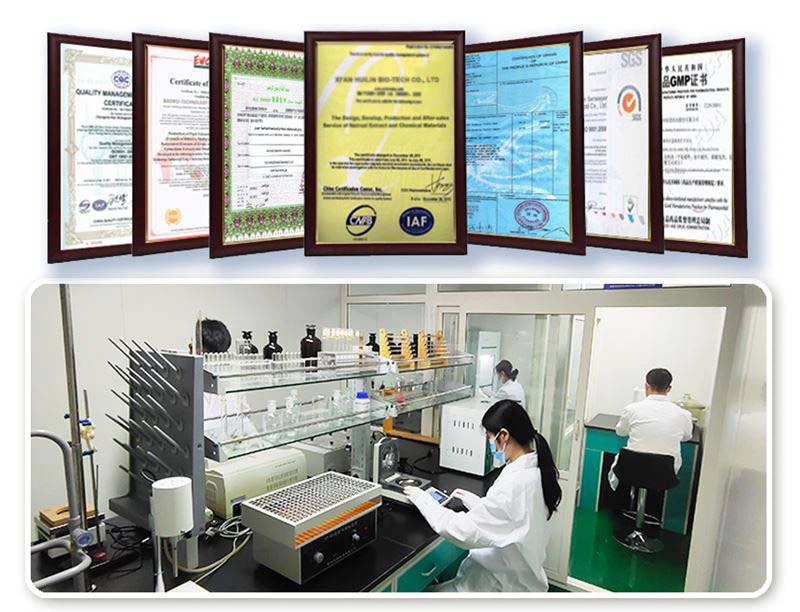
Strict adherence to cGMP standards and full regulatory transparency. We stay current with global requirements, including FDA GRAS, EFSA, and other regional regulations, to ensure your products meet the highest safety and compliance standards.
How to contact
Contact our sales team to discuss your requirements for Konjac Gum Powder.
Please get in touch with us at ella.zhang@huilinbio-tech.com.




References
1. EFSA Scientific Opinion: Health Claims Related to Konjac Mannan (Glucomannan)
EFSA Panel on Dietetic Products, Nutrition and Allergies (NDA). Scientific Opinion on the substantiation of health claims related to konjac mannan (glucomannan) and reduction of body weight, reduction of post‑prandial glycaemic responses, maintenance of normal blood glucose concentrations, maintenance of normal blood cholesterol concentrations, maintenance of normal bowel function and decreasing potentially pathogenic gastro‑intestinal microorganisms pursuant to Article 13(1) of Regulation (EC) No 1924/2006. EFSA Journal. 2010;8(10):1798. doi:10.2903/j.efsa.2010.1798
View online:https://efsa.onlinelibrary.wiley.com/doi/10.2903/j.efsa.2010.1798
2. Systematic Review: Konjac Glucomannan for Obesity Control via Gut Microbiota
Wang H, et al. (2025). Konjac glucomannan as an emerging nutritional strategy for obesity control via gut microbiota and metabolic regulation. Discover Food, 5, Article 222. doi:10.1007/s44187-025-00533-0
View online:https://link.springer.com/article/10.1007/s44187-025-00533-0
3. Clinical Trial: Konjac Glucomannan Improves Body Composition and Cardiovascular Risk
J.S.E., V.C.‑A., et al. (2026). Konjac Glucomannan Improves Body Composition and Reduced Blood Cholesterol, Inflammation, and Cardiovascular Risk in Adults with Excess Weight: A Triple‑Blind, Placebo‑Controlled Randomized Clinical Trial. medRxiv. doi:10.64898/2026.04.18.26351176
View online:https://www.medrxiv.org/content/10.64898/2026.04.18.26351176v1
Disclaimer
This product is intended for manufacturing, formulation, and further processing purposes only. It is not for direct human consumption as a finished product. Statements regarding health benefits are based on general nutritional science and published clinical research, including EFSA-approved health claims for konjac mannan (glucomannan), and are not intended to diagnose, treat, cure, or prevent any disease. Regulatory classification and permitted use may vary by country; buyers are solely responsible for ensuring compliance with all applicable local laws, regulations, and labeling requirements, including dietary supplement, food additive, pharmaceutical, or animal feed regulations in their target markets.
Important Safety Information: Konjac glucomannan has been associated with serious adverse effects, including esophageal obstruction and choking, when taken without adequate fluid. Formulators must ensure appropriate labeling to instruct consumers to take the product with at least one full glass (250 mL) of liquid per gram of glucomannan and to not take it immediately before bedtime. Individuals with swallowing difficulties or esophageal disorders should avoid products containing glucomannan.
Hot Tags: konjac gum powder, China, suppliers, manufacturers, factory, wholesale, buy, price, bulk, pure, natural, high quality, in stock, for sale, 98% Ferulic Acid Powder, L Dopa Powder, Lipoic Acid Powder, Naringin Powder, Pterostilbene Powder, Resveratrol Powder 98


