



Xi'an Huilin Bio-Tech Co., Ltd. is one of the leading manufacturers and suppliers of vanadium picolinate powder in China. With abundant experience, we are committed to providing high quality natural products with competitive price. Please feel free to wholesale bulk pure vanadium picolinate powder for sale here from our factory.
Product Description
Vanadium Picolinate is a coordination complex of vanadium(IV) (vanadyl ion) with the ligand picolinic acid. This compound belongs to the class of insulin-enhancing agents that have been extensively studied for their remarkable ability to normalize blood glucose levels in both Type 1 and Type 2 diabetic animal models [1].
First identified in 1995 as a highly effective antidiabetic complex, bis(picolinato)oxovanadium(IV) [VO(pic)₂] exhibits the VO(N₂O₂) coordination mode, which has proven to be particularly efficacious in treating diabetes mellitus [3]. Unlike inorganic vanadium salts, the picolinate ligand enhances the complex's lipophilicity, bioavailability, and insulin-mimetic potency [1].
Beyond its well-characterized antidiabetic properties, vanadium picolinate has attracted significant research interest for its potential anti-tumor activities and its unique interactions with biological systems, including red blood cells and plasma proteins [2]. Its structure-dependent metallokinetic profile-the relationship between chemical structure, tissue distribution, and blood clearance-makes it a valuable tool for understanding vanadium's biological actions and for developing improved therapeutic agents [1].
Physical & Chemical Properties
| Parameter | Specification / Value | Notes / Reference |
|---|---|---|
| Physical State | Solid | Crystalline powder |
| Color | Blue | |
| Purity (HPLC) | ≥98.0% | |
| Molecular Formula | C₁₂H₈N₂O₅V | |
| Molecular Weight | 311.14 g/mol | |
| Coordination Mode | VO(N₂O₂) | Vanadyl ion coordinated by two picolinate ligands |
| Solubility in Water | Sparingly soluble | Requires DMSO for stock solutions |
| Solubility in DMSO | Soluble | Recommended for biological assays |
| GI Absorption | High (predicted) | In silico prediction |
| BBB Permeant | No (predicted) | Blood-brain barrier not permeable |
| Log Po/w (XLOGP3) | 1.92 | Predicted lipophilicity |
| Water Solubility (ESOL) | 0.118 mg/ml (Soluble) | Predicted |
| P-glycoprotein Substrate | Yes (predicted) | |
| CYP Enzyme Inhibition | Non-inhibitor of major CYP isoforms (predicted) | |
| Skin Permeation (Log Kp) | -6.83 cm/s (predicted) | |
| Bioavailability Score | 0.55 (predicted) | Probability of F > 10% in rat |
| Storage Conditions | Room temperature | Protect from light and moisture; stable for three years |
Mechanism of Action
Vanadium Picolinate exerts its biological effects through multiple, interconnected molecular mechanisms, with its role as an insulin-enhancing agent being the most extensively characterized.
1. Insulin-Mimetic Activity and Glucose Normalization
Vanadyl ion (VO²⁺, the +4 oxidation state of vanadium) and its complexes, particularly bis(picolinato)oxovanadium(IV), have been found to normalize blood glucose levels in both Type 1 and Type 2 diabetic animals [1]. The compound's insulin-mimetic activity is primarily measured by its ability to inhibit free fatty acid release from isolated rat adipocytes treated with epinephrine, expressed as IC₅₀ (50% inhibitory concentration) [3]. Structure-activity relationship studies have shown that introducing electron-withdrawing groups (e.g., halogen atoms) or electron-donating groups (e.g., methyl groups) at specific positions on the picolinate ring can enhance insulin-mimetic activity beyond that of the parent VO(pic)₂ complex [3].
2. Cellular Uptake and Speciation in Red Blood Cells
When vanadium(V) complexes interact with erythrocytes, the metal ion is reduced inside the red blood cells to form EPR-active vanadium(IV)O²⁺ complexes [2]. For vanadium(V)-picolinate systems, the ligand picolinate and vanadate(V) cross the erythrocyte membrane independently through AE1 (anion exchanger 1) channels, a process inhibited by DIDS (4,4'-diisothiocyanostilbene-2,2'-disulfonic acid) [2]. Once inside, the complex [V(IV)O(pic)₂(H₂O)] forms and subsequently interacts with proteins, replacing the equatorial water molecule with imidazole nitrogen of histidine and thiolate of cysteine side chain donors [2]. These findings demonstrate that unstable complexes in the extracellular environment can become stable species inside erythrocytes, with metals and ligands crossing membranes independently [2].
3. Metallokinetic Profile and Structure-Activity Relationship
The insulinomimetic activity of vanadyl-picolinate complexes is closely correlated with their metallokinetic parameters, including area under the concentration curve, mean residence time, total clearance, and distribution volume at steady-state [1]. Vanadyl concentrations in blood remain higher and longer for complexes with electron-withdrawing or donating groups due to slower clearance rates, suggesting that high exposure and long residence time enhance normoglycemic effects in diabetic animals [1]. The IC₅₀ values correlate sufficiently with these metallokinetic parameters, establishing that in vitro insulinomimetic activity, metallokinetic character, and in vivo antidiabetic action are closely related to chemical structure [1].
4. Anti-Tumor Potential
Beyond diabetes research, vanadium complexes have been studied as potential anti-tumor agents [2]. The interaction of vanadium species with cellular components, including proteins and DNA, may contribute to their anti-proliferative effects, though the precise mechanisms remain under investigation.
Key Benefits & Advantages
- Clinically Relevant Insulin-Enhancing Activity: Exhibits potent insulin-mimetic effects, normalizing blood glucose in both Type 1 and Type 2 diabetic animal models [1]. The VO(pic)₂ complex with VO(N₂O₂) coordination mode demonstrates highly effective and long-term activity [3].
- Well-Characterized Metallokinetic Profile: Extensive research using BCM-ESR (blood circulation monitoring-electron spin resonance) methods has elucidated the relationship between chemical structure, tissue distribution, and blood clearance [1]. Metallokinetic parameters are closely correlated with in vitro and in vivo activity [3].
- Structure-Activity Relationship (SAR) Data Available: Structure-activity relationship studies have identified modifications that enhance activity. Introduction of halogen atoms at the 4th or 5th position of picolinic acid enhances insulinomimetic activities and reduces clearance rate. Activity ranking: VO(5ipa)₂ > VO(3mpa)₂ > VO(6mpa)₂ > VO(3hpa)₂ > VO(pic)₂ > VO(6hpa)₂ ≈ VOSO₄ [3].
- Multi-Mechanism Biological Activity: Functions through insulin-mimetic pathways, cellular uptake via AE1 channels, and protein interactions [2]. Exhibits both antidiabetic and potential anti-tumor properties [2].
- High Purity and Reproducibility: Offered at ≥98% purity with comprehensive analytical data. Batch-to-batch consistency ensures reproducible experimental results.
- Favorable Predicted ADME Properties: In silico predictions indicate high GI absorption, no BBB permeation, and suitable solubility profile for biological studies. Non-inhibitor of major CYP enzymes suggests low risk of drug interactions.
Primary Applications
| Research Field | Application Examples | Mechanism / Rationale |
|---|---|---|
| Diabetes Research (Type 1) | STZ-induced diabetic rat models; insulin-dependent diabetes mellitus (IDDM) studies | Normalizes blood glucose; enhances insulin sensitivity; reduces free fatty acid release [1] |
| Diabetes Research (Type 2) | KK-Ay mice models; non-insulin-dependent diabetes mellitus (NIDDM) studies | Improves insulin resistance; long-term blood glucose control [3][4] |
| Cellular Mechanism Studies | Adipocyte free fatty acid release assays; erythrocyte uptake and speciation | Measures insulin-mimetic activity (IC₅₀); elucidates membrane transport and intracellular transformation [1][2][3] |
| Pharmacokinetic Research | BCM-ESR metallokinetic analysis; tissue distribution studies | Real-time monitoring of vanadyl species; correlation of structure with clearance and residence time [1] |
| Anti-Tumor Research | Cancer cell line studies; potential chemotherapeutic agent investigations | Mechanistic studies of anti-proliferative effects [2] |
| Structure-Activity Relationship (SAR) Studies | Halogen-substituted picolinate analog development; coordination chemistry | Identification of optimal insulin-mimetic structures; relationship between chemical modification and biological activity [3] |
Formulation & Handling Reference
- Solubility Guidance: Vanadium picolinate is soluble in DMSO and sparingly soluble in water. For biological assays, prepare stock solutions in DMSO (typically 10-50 mM) and dilute in culture medium or buffer, keeping the final DMSO concentration below 0.1%.
- Typical Research Concentrations:
In vitro adipocyte assays: IC₅₀ values range from low micromolar to sub-millimolar depending on ligand substitution [3].
In vivo animal studies: Dosing regimens established in STZ rats and KK-Ay mice via intraperitoneal injection or oral administration [3][4].
- Storage of Solutions: Prepare fresh solutions whenever possible. For stock solutions in DMSO, aliquot and store at -20°C protected from light. Avoid repeated freeze-thaw cycles.
- Handling Precautions: Use with adequate ventilation. Wear appropriate personal protective equipment (gloves, safety glasses). Refer to the Safety Data Sheet (SDS) for complete handling and emergency information. For research use only. Not for human consumption or clinical use.
- Formulation Considerations: For oral administration studies, vanadium picolinate can be formulated in suitable vehicles (e.g., saline, carboxymethylcellulose) based on established protocols [3][4].
Frequently Asked Questions (FAQ)
Q: What foods contain vanadium and chromium naturally?
A: For research context, vanadium is found in trace amounts in foods such as mushrooms, shellfish, black pepper, parsley, and dill. Chromium is found in broccoli, grape juice, whole grains, and meat. However, the concentrations are minimal, and supplementation studies typically use synthetic compounds like vanadium picolinate.
Q: What doses of vanadium have been used in human research studies?
A: Human clinical studies investigating vanadium's effects on glucose metabolism have typically used pharmacological doses ranging from 25 to 100 mg of elemental vanadium daily (as vanadium salts) for up to six weeks. These doses far exceed the estimated human nutritional requirement (approximately 10 mcg/day) and are considered pharmacological rather than nutritional.
Q: How does vanadium picolinate exert its insulin-mimetic effects?
A: Vanadium picolinate acts through multiple mechanisms: it inhibits free fatty acid release from adipocytes, activates insulin signaling pathways, and enhances glucose uptake in cells. The complex with VO(N₂O₂) coordination mode exhibits highly effective insulin-mimetic activity. Once absorbed, vanadium species interact with cellular components and can form stable complexes inside red blood cells.
Q: Does vanadium picolinate have potential applications beyond diabetes research?
A: Yes. Beyond its well-characterized antidiabetic properties, vanadium complexes, including picolinate derivatives, have been studied as potential anti-tumor agents. Research suggests they may inhibit cancer cell proliferation through mechanisms involving oxidative stress, apoptosis induction, and interference with cellular signaling pathways.
Company Introduction
Xi'an Huilin Bio-tech Co., Ltd. is a leading provider of premium plant extracts for health applications. We supply herb extracts, standardized extracts, and fruit/vegetable powders. Dedicated to quality and innovation, we serve global customers in the dietary supplements, food, and cosmetic industries, advancing human health. Click here to learn more.
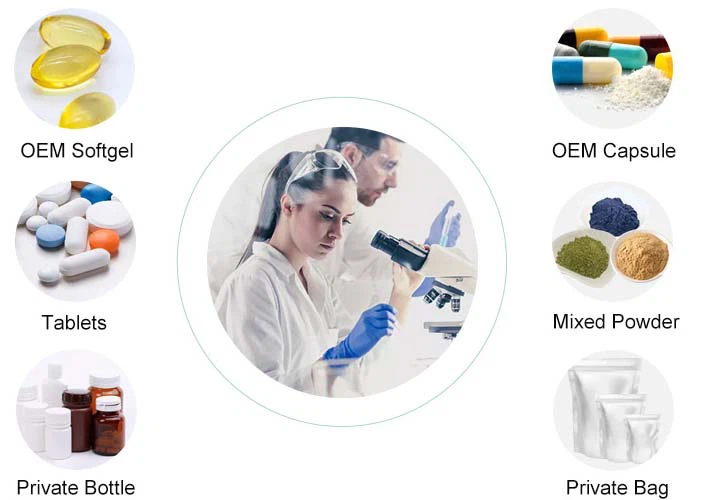
OME service
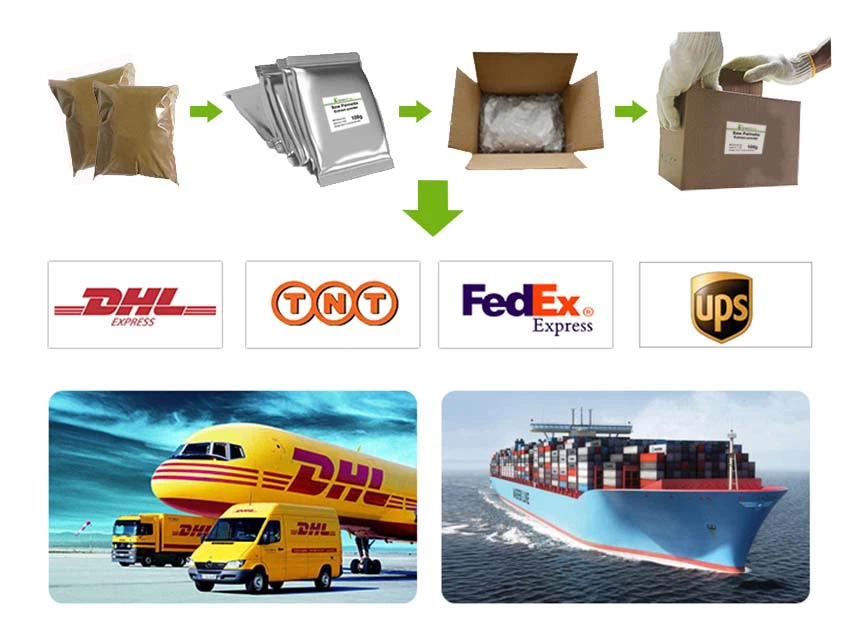
Packaging & Shipping
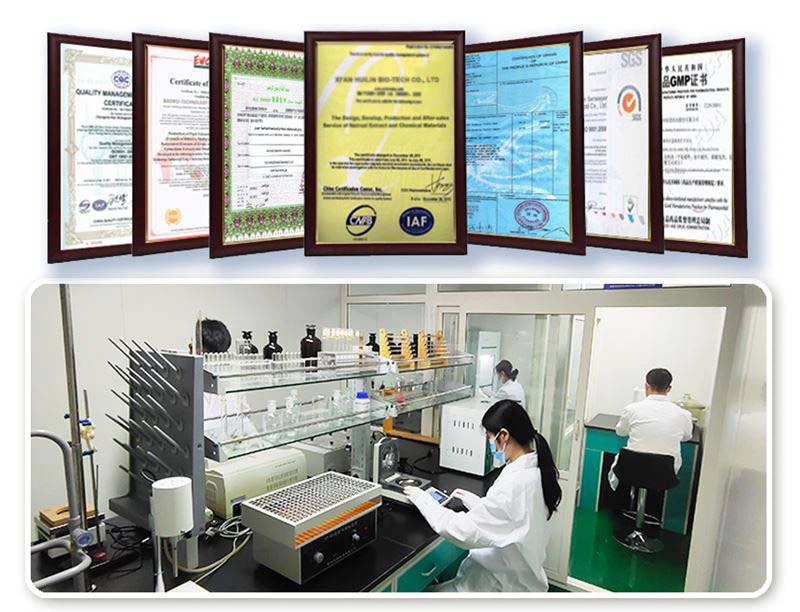
Certification
Payment method

How To Contact Us?
If you need this product, please contact us at ella.zhang@huilinbio-tech.com.
References
- Yasui, H., Tamura, A., Takino, T., & Sakurai, H. (2002). Structure-dependent metallokinetics of antidiabetic vanadyl-picolinate complexes in rats: studies on solution structure, insulinomimetic activity, and metallokinetics. Journal of Inorganic Biochemistry, 91(1), 327-338.
- Sanna, D., Palomba, J., Garribba, E., Buglyó, P., & Perdih, F. (2019). Interaction of vanadium complexes with red blood cells. CNR Institutional Research Information System.
- Sakurai, H., & Yasui, H. (2003). Structure–activity relationship of insulinomimetic vanadyl–picolinate complexes in view of their clinical use. Journal of Trace Elements in Experimental Medicine, 16, 269–280.
- Yasui, H. (1997). Studies on orally active antidiabetic vanadium complexes with low toxicity and long-term action. Japan Society for the Promotion of Science Grants-in-Aid for Scientific Research, Grant No. 08457622.
- Yatirajam, V., et al. (1979). Spectrophotometric determination of vanadium after extraction as vanadium(III) picolinate. Talanta, 26(3), 189-193. PMID: 18962377.
Disclaimer: This product information is intended for business-to-business (B2B) use by qualified research professionals and institutions. The statements contained herein are based on current scientific literature and supplier documentation and are provided for informational purposes only. This product is for research use only. Not for human consumption, diagnostic use, or therapeutic application. It is the sole responsibility of the buyer to ensure compliance with all applicable local, national, and international regulations for research use. Specifications are subject to change without notice; always request the latest Certificate of Analysis before order placement.
Hot Tags: Vanadium Picolinate Powder, China, suppliers, manufacturers, factory, wholesale, buy, price, bulk, pure, natural, high quality, in stock, for sale


