




Introduction
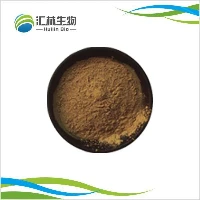
D-Calcium Pantothenate Powder is the stable, water‑soluble calcium salt form of D‑pantothenic acid (Vitamin B5), the biologically active isomer of this essential B‑vitamin. Once absorbed, it is converted into coenzyme A (CoA) and acyl carrier protein (ACP), two indispensable cofactors that drive fatty acid oxidation, carbohydrate and protein metabolism, and cellular energy production. This makes Vitamin B5 vital for maintaining healthy skin and mucous membranes, supporting adrenal function, and promoting normal growth and development. D‑Calcium Pantothenate is widely used as a nutritional ingredient in dietary supplements (tablets, capsules, powders), pharmaceuticals, infant formula, food fortification, cosmetics (creams, serums), and animal feed, where it provides a reliable, highly bioavailable source of Vitamin B5.
Biochemical & Physical Parameters Table
| Parameter | Specification |
|---|---|
| CAS Number | 137-08-6 |
| Molecular Formula | C₁₈H₃₂CaN₂O₁₀ |
| Molecular Weight | 476.54 g/mol |
| Assay (USP/EP/FCC) | 98.0% – 102.0% (on dried basis) |
| Appearance | White powder |
| Specific Rotation [α]²⁰ᴅ | +25.0° to +27.5° (c = 50 mg/mL in water) |
| pH (5% aqueous solution) | 7.2 – 8.0 |
| Calcium Content (dried basis) | 8.2% – 8.6% |
| Nitrogen Content (dried basis) | 5.7% – 6.0% |
| Loss on Drying | ≤ 5.0% |
| Heavy Metals | ≤ 0.002% (20 ppm) |
| Organic Volatile Impurities | Meets USP requirements |
| Melting Point | 170 – 172°C |
| Solubility | Soluble in water (1 g/2.8 mL); slightly soluble in ethanol and acetone; practically insoluble in chloroform and ether |
| Storage Conditions | Store at room temperature in tightly closed containers, protected from light and moisture |
| Shelf Life | 2 years under proper storage |
Mechanism of Action
D-Pantothenic acid is converted in the body into coenzyme A (CoA) through a series of five enzymatic reactions, beginning with phosphorylation by pantothenate kinase. CoA serves as a universal acyl carrier, forming high-energy thioester bonds with organic acids to produce acyl-CoA derivatives. These activated intermediates are essential substrates for the tricarboxylic acid cycle, mitochondrial fatty acid β-oxidation, ketone body metabolism, and the synthesis of cholesterol, steroid hormones, heme, and the neurotransmitter acetylcholine. It has been estimated that CoA acts as a cofactor for approximately 4% of all known enzymes.
In parallel, pantothenic acid contributes to the formation of acyl carrier protein (ACP), which plays a central role in the biosynthesis of fatty acids. Together, CoA and ACP enable the efficient utilization of macronutrients and support cellular energy homeostasis [4].
At the cellular level, pantothenate promotes dermal fibroblast proliferation, migration, and protein synthesis, while also modulating the expression of genes involved in inflammatory responses, oxidative stress, and wound repair [1].
Health Benefits
D-Calcium Pantothenate (Vitamin B5) offers a wide range of physiological benefits, supported by scientific evidence:
1. Energy Metabolism and Metabolic Support
As a direct precursor to coenzyme A (CoA), Vitamin B5 is essential for the oxidation of fatty acids, the breakdown of carbohydrates and proteins, and the efficient generation of ATP via the tricarboxylic acid cycle. Its role in these core metabolic pathways makes it indispensable for normal cellular energy production [4].
2. Skin Health and Wound Healing
Calcium pantothenate has demonstrated significant wound healing-promoting properties. It enhances the migration and proliferation of human dermal fibroblasts in a dose-dependent manner, with one study reporting that cell migration speed increased from 10.5 µm/hour to 15 µm/hour [1]. The compound also modulates the expression of matrix metalloproteinase-3 (MMP-3), a key enzyme involved in tissue remodeling and wound closure [2].
More recently, research using 3D skin models has shown that calcium pantothenate leads to nearly complete re-epithelialization of laser-induced wounds within five days of treatment, whereas lesions remained visible in control groups [2]. Gene expression analyses have confirmed that pantothenate upregulates MMP-3, IL1α, and keratin-associated protein while downregulating S100A7 [2].
Additionally, microarray analysis has identified that pantothenate significantly regulates genes coding for IL-6, IL-8, HMOX-1 (which suppresses free radical formation), and other markers linked to cellular proliferation and protection, providing insight into its molecular mechanisms of action [1].
3. Adrenal Function and Stress Response
Pantothenic acid plays a supportive role in adrenal function by facilitating the synthesis of steroid hormones, including cortisol. Animal studies have demonstrated that pantothenic acid deficiency leads to adrenal atrophy and reduced production of adrenal hormones [5].
Applications
| Industry | Primary Applications |
|---|---|
| Dietary Supplements | Multivitamin formulations, B-complex vitamins, standalone Vitamin B5 supplements (tablets, capsules, powder blends, sachets) |
| Pharmaceuticals | Precursor for coenzyme A biosynthesis; pharmaceutical-grade formulations requiring validated, documentation-ready supply |
| Infant Formula | Permitted for use in US infant formula under FDA 21 CFR 184.1212; also compliant with EU and Codex Alimentarius standards |
| Food Fortification | Fortified foods, functional beverages, breakfast cereals, and processed foods; water-soluble with good blending characteristics |
| Cosmetics & Personal Care | Skincare creams, serums, and lotions; anti-inflammatory and moisturizing benefits; approved as a cosmetic ingredient globally |
| Animal Feed | Livestock and poultry feed additive; enhances growth and feed efficiency; supported by extensive safety and efficacy data |
| Cell Culture & Research | Component of synthetic media formulations, vitamin solutions for mammalian cell culture, and chemically defined diets for metabolic studies |
Frequently Asked Questions (FAQ)
Q: What grades and specifications of D-Calcium Pantothenate do you offer?
A: We supply D-Calcium Pantothenate that meets comprehensive global standards, including USP (United States Pharmacopeia), EP (European Pharmacopoeia), BP (British Pharmacopoeia), and FCC (Food Chemicals Codex). Each batch is accompanied by a full Certificate of Analysis (COA), SDS, and product specification sheet.
Q: What is your MOQ for bulk orders? Do you offer free samples?
A: The MOQ for D-Calcium Pantothenate is 1 kg. Free samples (20g) are available upon request for quality evaluation, with shipping charges borne by the client.
Q: Is D-Calcium Pantothenate approved for use in infant formula?
A: Yes. Under FDA 21 CFR 184.1212, calcium pantothenate is affirmed as GRAS and may be used in infant formula in accordance with section 412(g) of the Federal Food, Drug, and Cosmetic Act. It is likewise permitted under EU Regulation (EC) No 609/2013 and Codex Alimentarius standards.
Q: What is the difference between D-Calcium Pantothenate and DL-Calcium Pantothenate?
A: D-Calcium Pantothenate is the calcium salt of the naturally occurring D-isomer of pantothenic acid, which possesses full biological vitamin activity. DL-Calcium Pantothenate is a racemic mixture containing both D and L isomers and is used primarily as a cost-effective option in animal feed and some industrial applications where vitamin activity requirements are less stringent.
Q: What is the typical particle size distribution of D-Calcium Pantothenate powder?
A: D-Calcium Pantothenate is supplied as a fine crystalline powder suitable for standard blending and encapsulation processes. Custom particle size specifications can be arranged for specific formulation requirements upon request.
Why Choose Us?
Your Professional Manufacturing & Sourcing Partner
We are more than a supplier - we are a comprehensive supply chain partner dedicated to high-quality ingredients, custom formulations, and finished products across multiple industries.
Professional Expertise
With years of experience in plant extracts, food additives, cosmetic raw materials, and nutritional ingredients, our team brings deep technical knowledge and market insight to every partnership.
01
Diverse Product Range
We offer a broad range of products, including food additives, plant extracts, fruit & vegetable powders, cosmetic actives, and functional food ingredients.
02
One-Stop Shop
Raw Materials: High-purity ingredients for food, beverage, supplement, and cosmetic applications.
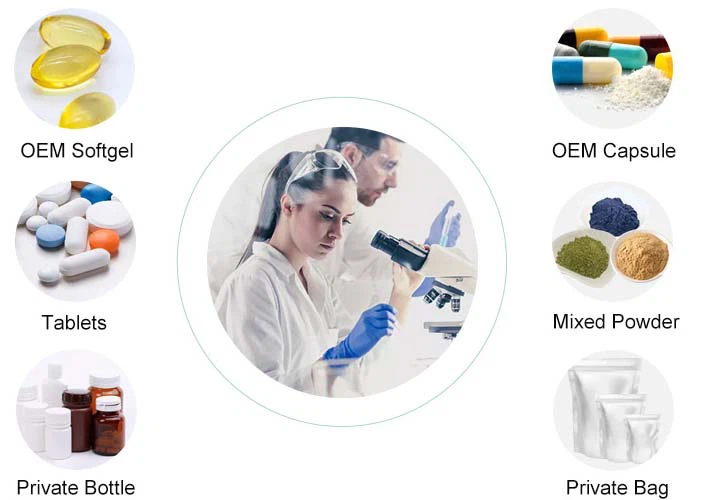
Finished Products: In-house manufacturing of capsules, soft gels, gummies, liquid drops, and blended powders.
03
OEM/ODM/OBM Services
Label Design & Packaging: Custom branding tailored to your target market.
Formulation & R&D: Expert support to develop custom blends, proprietary formulas, and innovative products.
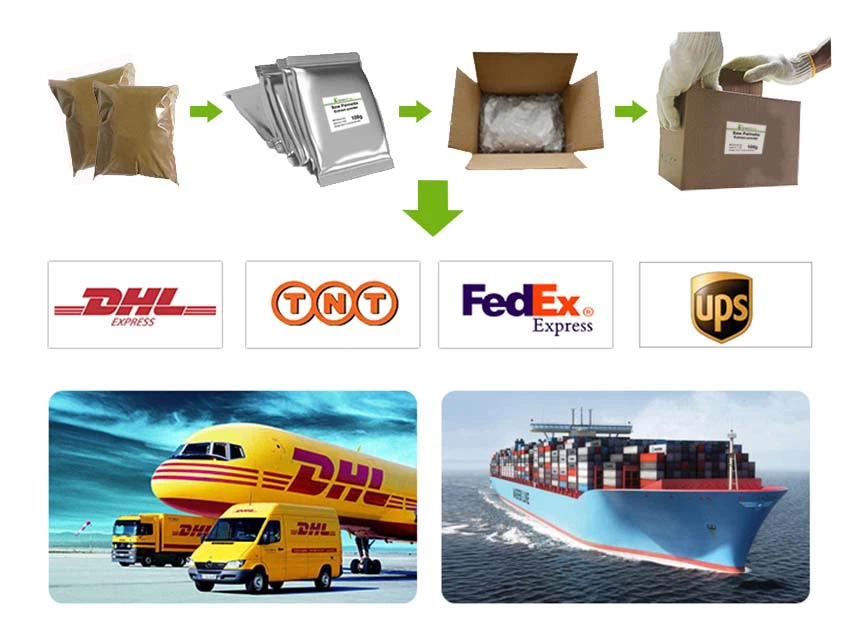
Global Logistics: Reliable shipping, documentation, and customs clearance support.
04
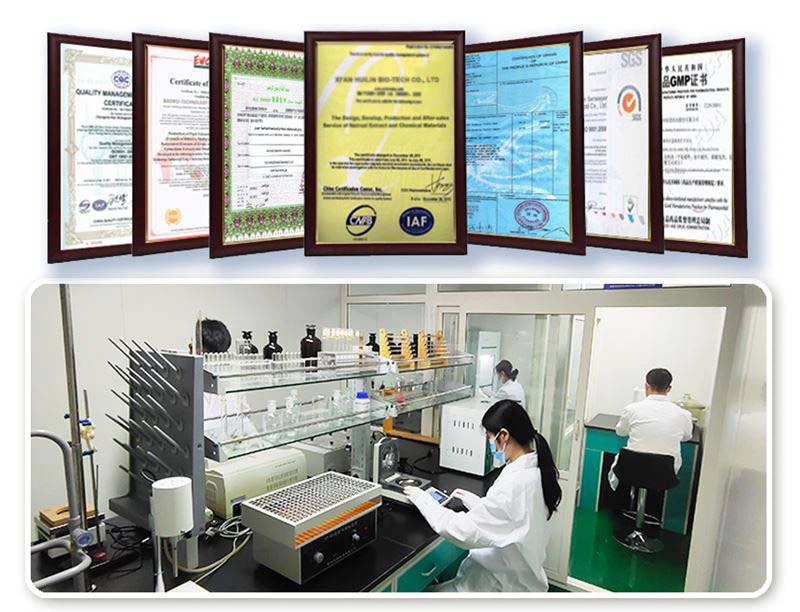
Quality Assurance
Strict adherence to GMP standards and full regulatory transparency. We stay current with global requirements, including FDA GRAS, EFSA, and other regional regulations, to ensure your products meet the highest safety and compliance standards.
05
Act Now
Ready to elevate your product formulation with high-quality D-Calcium Pantothenate?
- Request a Free Sample – Validate quality before you commit.
- Request a Quote – Get competitive pricing tailored to your volume requirements.
- Request Documentation – Obtain COA, MSDS, TDS, and compliance statements instantly.
Partner with us for consistency, compliance, and quality you can depend on-batch after batch.
Please get in touch with us at ella.zhang@huilinbio-tech.com.


References
Hot Tags: d-calcium pantothenate powder (vitamin b5), China, suppliers, manufacturers, factory, wholesale, buy, price, bulk, pure, natural, high quality, in stock, for sale, L Ascorbic Acid Powder Vitamin C, Vitamin H Biotin Powder, Vitamin B3 Niacinamide Powder, Pigment Powder, Vitamin Series


