


If you've ever enjoyed a sugar-free drink without the bitter aftertaste, or used a skincare product promising anti-pollution benefits, you may have already encountered the versatile power of Neohesperidin Dihydrochalcone.
Imagine a natural compound 1,500 to 1,800 times sweeter than table sugar yet with almost zero calories. Now, picture this same substance working as a powerful antioxidant in your skincare serum and a key ingredient in innovative medicines.
This is Neohesperidin Dihydrochalcone (NHDC) - a multi-functional gem derived from citrus peels, quietly revolutionizing industries from food and beverage to cosmetics and pharmaceuticals.
1 Decoding NHDC: From Citrus to Science
Neohesperidin Dihydrochalcone is a dihydrochalcone, a type of flavonoid compound naturally present in sweet oranges [1]. Scientifically, it is a derivative of the flavonoid neohesperidin, which is found in the peels of citrus fruits like grapefruits and bitter oranges.
At its core, NHDC is a product of intelligent science. It is synthesized through the hydrogenation of neohesperidin, a process that transforms its structure and unlocks its remarkable sweetness and stability.
Basic Chemical Profile
Chemical Formula: C₂₈H₃₆O₁₅
Molecular Weight: 612.58 g/mol
CAS Number: 20702-77-6
Appearance: Typically, an off-white to slightly yellowish crystalline powder.
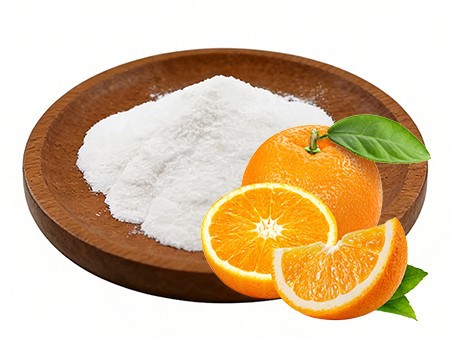
The compound is known for its unique solubility profile: it is very slightly soluble in cold water but becomes freely soluble in hot water. It is practically insoluble in nonpolar solvents like ether and benzene. For formulators, this means it often requires specific solvents, such as 1,3-propanediol, for effective incorporation into stable cosmetic or food-grade compositions.
2 Core Properties and Primary Applications
NHDC isn't a one-trick pony. Its value lies in a unique combination of physical and functional properties that make it indispensable across sectors.
Sweetness and Taste Modulation
NHDC is most famous as an ultra-potent sweetener. Its sweetness is intense but has a delayed onset and a lingering, clean aftertaste. This makes it perfect for sugar-free and low-calorie products, from beverages and baked goods to candies and chewing gum.
Perhaps even more valuable is its role as a "bitterness blocker." Even at levels below its sweet taste threshold, NHDC can bind to bitterness receptors on the tongue, effectively masking unpleasant tastes. This is why it's a secret weapon in the pharmaceutical industry, used to improve the palatability of medicines like pediatric syrups and certain tablets.
Stability and Safety
A key advantage of NHDC is its exceptional physicochemical stability. It remains stable across a broad pH range (2.0 to 10.0) and under high-temperature processing, which is crucial for manufacturing.
Its safety for human consumption is unequivocally established by global regulatory bodies:
- European Union (EFSA): Designated as a food additive E 959, NHDC has an established Acceptable Daily Intake (ADI) of 5 mg per kg of body weight [2].
- United States (FEMA GRAS): It is recognized as Generally Recognized as Safe (GRAS) by the Flavor and Extract Manufacturers Association (FEMA No. 3811).
- International Standards (Codex Alimentarius): Included in international food standards.
- Global Approval: Also approved for use in Japan, Australia, and many other countries.
A Growing Star in Skincare
Beyond taste, NHDC is gaining acclaim in advanced skincare. Research highlights its potent antioxidant and skin-brightening properties [3]. A 2015 study published in the Journal of Guizhou Normal University found that NHDC exhibited high tyrosinase inhibitory activity, outperforming β-arbutin and showing comparable results to kojic acid and vitamin C in inhibiting melanin synthesis in cell studies.
Leading cosmetic companies are patenting formulations with high levels of stabilized NHDC. For instance, L'Oréal has patented compositions combining NHDC with ingredients like truffle extract, designed to enhance skin barrier function and improve hydration, thereby addressing signs of aging [4]. These innovative formulations exemplify the application of NHDC to improve skin radiance, evenness, and overall appearance.
3 Industrial and Functional Applications
The unique profile of Neohesperidin Dihydrochalcone (NHDC) allows it to solve complex problems across diverse industries.

01
Food & Beverage Industry
Role: High-intensity sweetener, bitterness masker, flavor enhancer.
Use Case: Sugar-free drinks, dairy products, baked goods, confectionery. It masks the metallic aftertaste of other sweeteners and enhances fruit flavors.

02
Pharmaceutical & Nutraceutical Industry
Role: Drug taste-masking agent, active functional ingredient.
Use Case: Pediatric suspensions, chewable tablets, functional supplements for blood sugar and cholesterol management.

03
Cosmetic & Personal Care Industry
Role: Antioxidant, skin-brightening agent, anti-pollution ingredient.
Use Case: Anti-aging serums, brightening creams, protective day creams. Patented formulas use it to combat oxidative stress from pollution.

04
Animal Nutrition
Role: Feed palatability enhancer, potential prebiotic.
Use Case: Young animal feed (e.g., piglet starter diets) to improve intake and growth performance.
4 How to Choose the Right NHDC Powder
When sourcing Neohesperidin Dihydrochalcone Powder for your product development, quality and reliability are paramount.
Key Specifications to Verify:
- Purity: Look for a minimum of 98% purity (HPLC), as specified in supplier data.
- Certifications: Ensure the product complies with relevant standards like the USP/EP/FCC for your target market.
- Solubility Data: Confirm the solubility profile matches your formulation needs (e.g., requires hot water or specific solvents like propanediol).
- Manufacturer Documentation: Reliable suppliers provide comprehensive analytical reports (CoA) detailing assay, impurities, and heavy metal content.
Sourcing Considerations:
Choosing a trusted Neohesperidin Dihydrochalcone manufacturer or supplier is more than just a transaction. Partner with companies that offer:
- Technical Support: They should understand application challenges in your specific industry.
- Regulatory Guidance: They can assist with documentation for different global markets (FDA, EFSA, etc.).
- Supply Chain Stability: They guarantee consistent quality and reliable delivery, which is critical for your production planning.
The global demand for clean-label, multi-functional ingredients like NHDC is rising. By integrating this versatile powder, brands can develop innovative products that are not only effective but also align with consumer trends towards health, wellness, and natural origins.
References
- European Bioinformatics Institute (EBI). CHEBI:83535 - neohesperidin dihydrochalcone.
- EFSA Panel on Food Additives and Flavourings (FAF). (2024). Flavouring group evaluation 420 (FGE.420): Hesperetin dihydrochalcone. EFSA Journal, *22*(12), e9091.
- Bharathi, V., et al. (2023). Neohesperidin: Biosynthesis, ADME, Biological and Pharmacological Activities. In Handbook of Dietary Flavonoids (pp. 1–43). Springer.
- L'Oréal. (2019). Composition comprising a truffle extract and neohesperidin dihydrochalcone. U.S. Patent Application Publication No. US 2019/0380941 A1.