


Introduction: Navigating Modern Sunscreen Ingredients
In the world of sun care, achieving broad-spectrum protection against both UVA and UVB rays is paramount. One ingredient that has become a cornerstone in this mission is Diethylamino Hydroxybenzoyl Hexyl Benzoate. While its name is a mouthful, its function is crystal clear: to provide superior UVA protection. But with increasing consumer scrutiny on cosmetic ingredients, a crucial question arises: Is Diethylamino Hydroxybenzoyl Hexyl Benzoate safe for skin? This article examines the scientific evidence, regulatory status, and safety profile of this widely used sunscreen filter.

What is Diethylamino Hydroxybenzoyl Hexyl Benzoate?

Known by its INCI name Diethylamino Hydroxybenzoyl Hexyl Benzoate and under the trade names Uvinul® A Plus (from BASF) and Parsol® DHHB (from DSM), this ingredient is a synthetic, oil-soluble organic UV filter. It is specifically designed to absorb long-wave UVA rays (320-400 nm), which are primarily responsible for skin aging and pigmentary disorders.
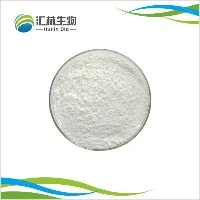
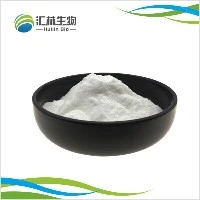
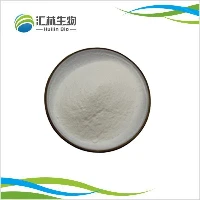
As a raw material, it is typically supplied as a slightly white powder, making it versatile for formulation into various sun care products, including creams, lotions, oils, and sprays.
The Safety Profile: What Does the Science Say?
Extensive research and regulatory reviews have been conducted to evaluate the safety of Diethylamino Hydroxybenzoyl Hexyl Benzoate. The consensus among major regulatory bodies is that it is safe for use in cosmetic sunscreens when used within approved concentrations.
Comprehensive Safety Assessments
The ingredient has undergone rigorous toxicological testing. The European Commission's Scientific Committee on Consumer Safety (SCCS), a highly respected body in cosmetic ingredient safety, has evaluated and approved its use. The SCCS concluded that Diethylamino Hydroxybenzoyl Hexyl Benzoate is safe as a UV filter in cosmetic products at concentrations up to 10% [1].
01
Low Skin Penetration & Systemic Exposure
A key factor in its safety is its minimal skin penetration. Studies indicate that it remains primarily on the surface of the skin or in the upper layers of the stratum corneum, meaning it has a very low potential for systemic absorption [1].
02
No Significant Skin Irritation or Sensitization
It is generally well-tolerated and is not considered a significant skin irritant or sensitizer for the general population.
03
Addressing Consumer Concerns
You may find searches for "diethylamino hydroxybenzoyl hexyl benzoate cancer" or "side effects". It is important to clarify that there is no credible scientific evidence linking the topical use of this approved UV filter to cancer. Its safety profile is supported by the positive opinions of regulatory experts.
04
Key Properties and Formulation Advantages
For cosmetic chemists, Diethylamino Hydroxybenzoyl Hexyl Benzoate Powder offers several key benefits:
Superior UVA Protection: It is one of the most effective and photostable UVA filters available today.
Excellent Photostability: Unlike some older UV filters, it does not degrade significantly upon exposure to sunlight, ensuring consistent protection throughout sun exposure.
Formulation Versatility: Its powder form and oil-soluble nature make it compatible with a wide range of emulsion systems and cosmetic oils.
Synergistic Formulations: It is almost always used in combination with UVB filters (like Ethylhexyl Triazone or Homosalate) to create balanced, broad-spectrum sunscreen products. Its high efficacy allows for the creation of high SPF and high UVA-PF products.

The DHHB covers the entire UVA radiation spectrum (320 - 400 nm) with a peak absorption maximum at 354. Source: Typology. PARIS
Usage in Perfume: While its primary function is as a UV filter, its oil solubility means it can be incorporated into fragranced oils or perfumed sun care products without issue.
Conclusion: A Safe and Effective Choice for Modern Sunscreens
Based on comprehensive safety assessments by leading global regulatory authorities, Diethylamino Hydroxybenzoyl Hexyl Benzoate is considered a safe and highly effective ingredient for sunscreen formulations. Its excellent UVA protection and photostability make it an indispensable tool in the fight against photoaging and UV-induced skin damage.
For brands committed to formulating high-performance, safe, and compliant sun care products, sourcing high-quality Diethylamino Hydroxybenzoyl Hexyl Benzoate Powder is a scientifically sound decision. By using this modern UV filter, you can provide consumers with the reliable broad-spectrum protection they demand, backed by a robust safety profile.
References
Partner with a Trusted Raw Material Supplier
Formulate with confidence using premium Diethylamino Hydroxybenzoyl Hexyl Benzoate Powder. As a dedicated supplier, we provide high-purity UV filters backed by full technical and regulatory documentation to ensure your sun care products are both effective and compliant.
Contact us today to request a sample, technical data sheet, or to discuss your formulation needs. Let's create superior sun protection together.