



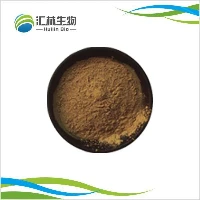


Citicoline, also known as CDP-choline (cytidine-5′-diphosphocholine), is a naturally occurring compound that plays an essential role in brain health and cognitive function [1]. It is an endogenous mononucleotide that serves as a key intermediate in the biosynthesis of phosphatidylcholine, a major structural phospholipid of neuronal cell membranes [2]. However, when you look at supplement labels or pharmaceutical ingredient lists, you will often see "citicoline sodium" rather than plain "citicoline." So what exactly is the difference between these two forms? And which one should you choose for your formulation?
The short answer is: citicoline sodium is the sodium salt form of citicoline, designed for better stability, solubility, and commercial practicality. While both forms deliver the same active compound to the body and share the same core mechanism of action and health benefits, their physical and chemical properties differ significantly-and those differences matter for manufacturers, formulators, and end users [3].
This article breaks down the key distinctions between citicoline and citicoline sodium, explores the science behind their mechanisms, and provides practical guidance for choosing the right form for your needs.
What is citicoline? A chemical overview
Citicoline (cytidine-5′-diphosphocholine, or CDP-choline) is an essential intermediate in the biosynthetic pathway of structural phospholipids in cell membranes, particularly phosphatidylcholine [1]. It is composed of ribose, cytosine, pyrophosphate, and choline, and was first identified by Kennedy and colleagues in 1955 [2].
Key identifiers for citicoline (free base):
| Parameter | Specification |
|---|---|
| CAS Number | 987-78-0 |
| Molecular Formula | C₁₄H₂₆N₄O₁₁P₂ |
| Molecular Weight | 488.33 g/mol |
| Appearance | White to off-white crystalline powder |
Citicoline is found in small amounts in foods such as organ meats and egg yolks, but is typically synthesized for supplemental use [4]. It is available as either a dietary supplement ingredient or as a pharmacotherapeutic in two forms: citicoline sodium and citicoline free-base [2].

What is citicoline sodium? The salt form explained
Citicoline sodium is the sodium salt of citicoline, often referred to as CDP-choline sodium or cytidine-5′-diphosphocholine sodium [3]. It is created by adding a sodium ion to the citicoline molecule, which modifies its physical properties without changing its fundamental biological activity.
Key identifiers for citicoline sodium:
| Parameter | Specification |
|---|---|
| CAS Number | 33818-15-4 |
| Molecular Formula | C₁₄H₂₅N₄NaO₁₁P₂ |
| Molecular Weight | 510.31 g/mol |
| Appearance | White to off-white crystalline powder |
| Solubility | ≥ 100 mg/mL in water |
A simple way to remember the difference: Citicoline sodium is essentially citicoline with a sodium molecule attached-like adding salt to a dish to improve its texture and stability.
Head-to-head comparison: citicoline vs. citicoline sodium
The table below summarizes the key differences between the two forms [3]:
| Feature | Citicoline (Free Base) | Citicoline Sodium |
|---|---|---|
| CAS Number | 987-78-0 | 33818-15-4 |
| Molecular Formula | C₁₄H₂₆N₄O₁₁P₂ | C₁₄H₂₅N₄NaO₁₁P₂ |
| Molecular Weight | 488.33 g/mol | 510.31 g/mol |
| Appearance | White to off-white crystalline powder | White to off-white crystalline powder |
| Solubility | Less water-soluble than sodium salt | Highly water-soluble (≥100 mg/mL) |
| Stability | Less stable, more hygroscopic | More stable in various conditions |
| Bioavailability | Good, but potentially less consistent | Excellent (~90% absorption) |
| Commercial Prevalence | Rarely used in commercial products | Dominant form in the market |
| Manufacturing Ease | More challenging to handle | Easier to process |
| Cost | Lower cost but less widely available | Slightly higher cost |
Why the sodium salt form dominates the market
The sodium salt form of citicoline has become the industry standard for several practical reasons. While both forms share the same core mechanism of action and benefits, citicoline sodium's practical advantages in manufacturing, storage, and administration have made it the dominant form in the market [3].
1. Superior solubility
Citicoline sodium is highly water-soluble, with solubility reaching up to 100 mg/mL in water [5]. This makes it ideal for oral solutions, injectables, and formulations where rapid dissolution is required. The free-base form, in contrast, is less water-soluble, which can pose challenges for certain applications [3].
2. Better stability and shelf life
The sodium salt form offers better stability, improved solubility, and consistent bioavailability, making it the preferred choice for pharmaceutical and supplement formulations [3]. The sodium salt form is more stable in various conditions, while the free-base form is less stable and more hygroscopic (prone to absorbing moisture from the air) [3].
3. Consistent bioavailability
Both forms are well absorbed, but the sodium salt form offers excellent bioavailability with approximately 90% absorption when taken orally [3]. This consistency makes it easier for manufacturers to deliver predictable results to consumers. Pharmacokinetic studies have shown that citicoline is well absorbed and highly bioavailable with oral dosing, with bioavailability approximately the same as by the intravenous route [6].
How citicoline works in the body (same for both forms)
Regardless of whether you use citicoline or citicoline sodium, the biological activity in the body is identical. Once absorbed, citicoline is metabolized in the gut wall and liver, releasing its two main components-cytidine and choline-into the bloodstream [6]. Absorption by the oral route is virtually complete, and bioavailability by the oral route is therefore approximately the same as by the intravenous route [1].
Key mechanisms of action [1][2]:
- Phospholipid synthesis: Citicoline activates the biosynthesis of structural phospholipids of neuronal membranes, particularly phosphatidylcholine, which is a major constituent of brain tissue.
- Neurotransmitter support: Citicoline has been experimentally shown to increase norepinephrine and dopamine levels in the central nervous system. It also provides choline for the synthesis of acetylcholine, a neurotransmitter involved in memory formation and learning.
- Neuroprotection: Citicoline has been shown to decrease the volume of ischemic lesions, restore the activity of mitochondrial ATPase and membrane Na⁺/K⁺-ATPase, inhibit activation of certain phospholipases, and accelerate reabsorption of cerebral edema in various experimental models.
- Apoptosis inhibition: Citicoline can inhibit mechanisms of apoptosis associated with cerebral ischemia and certain neurodegeneration models, and potentiate neuroplasticity mechanisms.
Citicoline is a safe drug, as shown by toxicological tests, that has no significant systemic cholinergic effects and is a well-tolerated product [1].
Science-backed health benefits of citicoline
A substantial body of clinical research supports the use of citicoline for various neurological and cognitive conditions. The following table summarizes key evidence [7]:
| Condition | Key Findings | Evidence Level |
|---|---|---|
| Stroke | Citicoline improved the outcome in several phase-III clinical trials of stroke, accelerating recovery of consciousness and motor deficit | Moderate |
| Traumatic Brain Injury (TBI) | Citicoline was able to accelerate recovery from post-traumatic coma and neurological deficits, achieving an improved final functional outcome and shortening hospital stay | Moderate |
| Alzheimer's disease | In patients with senile dementia of the Alzheimer type, citicoline stops the course of the disease, and neuroendocrine and neurophysiological benefits have been reported | Moderate |
| Cognitive impairment (vascular origin) | Citicoline improves scores in cognitive rating scales for patients with chronic cerebral ischemia | Moderate |
| Parkinson's disease | Citicoline is effective in Parkinson's disease | Emerging |
| Glaucoma | Citicoline is effective in glaucoma | Emerging |
| Drug addictions | Citicoline is effective in drug addiction and alcoholism | Emerging |
Citicoline also improved the mnesic and cognitive disorders seen after minor head trauma that constitute the so-called post-concussional syndrome [1]. No serious side effects have occurred in any series of patients treated with citicoline, which attests to the safety of treatment with citicoline [1].

Which form should you choose? A guide for formulators and brands
Choose citicoline sodium if you need:
| Requirement | Why citicoline sodium is better |
|---|---|
| High water solubility | Ideal for oral solutions, syrups, and injectables |
| Long shelf life | More stable in various storage conditions |
| Consistent dosing | Standardized bioavailability and potency |
| Easy manufacturing | Less hygroscopic; easier to process |
| Pharmaceutical-grade quality | Preferred form for clinical and hospital-grade applications |
Choose citicoline (free base) if:
| Requirement | Consideration |
|---|---|
| Lower raw material cost | Free base is generally less expensive |
| Niche applications | May be preferred for certain specialized formulations |
| Small-batch production | For limited runs where stability concerns are minimal |
The bottom line: For most commercial applications-especially dietary supplements, functional foods, and pharmaceutical formulations-citicoline sodium is the superior and preferred choice due to its practical advantages in manufacturing, storage, and consistent bioavailability [3].
Product applications for citicoline sodium powder
Citicoline sodium is available as a high-purity bulk powder for manufacturers. Key applications include:
| Application Area | Product Forms |
|---|---|
| Dietary supplements | Capsules, tablets, powder blends, oral solutions |
| Pharmaceuticals | Injections, intravenous formulations |
| Functional foods | Fortified beverages, nutritional products |
| Clinical nutrition | Hospital-grade treatments for stroke and brain injury |
Sourcing specifications for citicoline sodium powder
| Parameter | Typical Specification |
|---|---|
| Purity | ≥98% (typically 99% available) |
| Appearance | White to off-white crystalline powder |
| Solubility | ≥100 mg/mL in water |
| Heavy metals | <10 ppm |
| Storage | Cool, dry, tightly sealed |
| Shelf life | 2 years at 4°C, 3 years at -20°C |
Key advantages for formulators
- High solubility: Excellent water solubility for versatile formulation options
- Excellent stability: The sodium salt form remains stable during processing and throughout product shelf life
- Consistent bioavailability: Approximately 90% absorption for reliable dosing [3]
- Clean-label compatible: Non-GMO options available
- Well-established safety profile: Extensively studied with minimal side effects [1]
Frequently asked questions

01. Is citicoline sodium the same as citicoline?
02. Which form has better bioavailability?
03. Is citicoline safe for daily use?
04. Can citicoline cross the blood-brain barrier?
05. Is citicoline FDA-approved?
06. Does citicoline have any side effects?
Conclusion: Understanding the difference
Citicoline and citicoline sodium are not the same thing. The sodium salt form is a modified version of the free-base compound, designed to overcome practical challenges related to solubility, stability, and manufacturing.
The evidence consistently demonstrates:
- Same biological activity - both forms deliver the same active compound [1][2]
- Superior physical properties - citicoline sodium offers better solubility and stability [3]
- Consistent bioavailability - the sodium salt form provides predictable absorption (~90%) [3]
- Proven neuroprotective benefits - supported by decades of clinical research [1]
- Well-established safety profile - well-tolerated with minimal side effects [1]
For formulators, brands, and manufacturers seeking a premium, practical, and science-backed ingredient for brain health formulations, Citicoline Sodium Powder offers unmatched reliability, stability, and clinical credibility.
[Contact our team today for technical specifications, certificates of analysis (COAs), and bulk pricing information for Citicoline Sodium Powder.]
References
- Secades, J. J., & Lorenzo, J. L. (2006). Citicoline: pharmacological and clinical review, 2006 update. Methods and Findings in Experimental and Clinical Pharmacology, 28(Suppl B), 1–56.
- Gareri, P., Castagna, A., Cotroneo, A. M., Putignano, S., De Sarro, G., & Bruni, A. C. (2015). The role of citicoline in cognitive impairment: pharmacological characteristics, possible advantages, and doubts for an old drug with new perspectives. Clinical Interventions in Aging, 10, 1421–1429. PMID: 26366063.
- Nutritional Supply EU. (n.d.). Bulk Citicoline Sodium Powder | 99% CDP-Choline Supplier. Nutritionsupplyeu.com.
- National Center for Biotechnology Information. (n.d.). PubChem Compound Summary for CID 25202509, Citicoline.
- Abmole Bioscience. (n.d.). Citicoline sodium (CAS 33818-15-4) – Certificate of Analysis. Abmole.com.
- Unbound Medicine. (2015). The role of citicoline in cognitive impairment: pharmacological characteristics, possible advantages, and doubts for an old drug with new perspectives. PRIME PubMed. PMID: 26366063.
- Secades, J. J., & Lorenzo, J. L. (2006). Citicoline: pharmacological and clinical review, 2006 update. Methods and Findings in Experimental and Clinical Pharmacology, 28(Suppl B), 1–56.
Compliance Statement
The information in this article is for informational and educational purposes only and is not intended as medical advice. Citicoline and citicoline sodium are sold as raw materials for manufacturing and research purposes only. Finished products containing citicoline or citicoline sodium must comply with all applicable laws and regulations in the country of sale, including but not limited to dietary supplement regulations, labeling requirements, and prohibited health claims. Manufacturers and brands are solely responsible for ensuring their products are safe, lawful, and appropriately marketed. Always consult with a qualified regulatory professional before bringing a citicoline-containing product to market.