


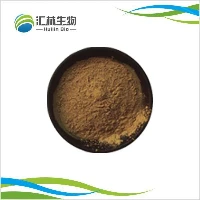


If you've ever shopped for a selenium supplement, you may have found yourself confused by the variety of forms on the market. Is there really a difference between sodium selenite, selenocysteine, and L-selenomethionine? And most importantly, is L-selenomethionine the same as selenium?
The short answer is no. L-selenomethionine is a specific organic form of the trace mineral selenium, and the difference matters for bioavailability, tissue storage, and long-term health benefits [1].
This article explains what L-selenomethionine is, how it compares to other selenium forms, its unique ability to be stored in the body, the evidence‑backed health benefits, safety guidelines, and regulatory status. For formulators and brands, we also cover product applications and sourcing considerations for L‑Selenomethionine Powder.

What Is L-Selenomethionine?
Selenium is an essential trace mineral. It is a key component of at least 25 selenoproteins, including glutathione peroxidases and thioredoxin reductases, which play critical roles in thyroid hormone metabolism, DNA synthesis, reproduction, and protection from oxidative damage [2].
L-Selenomethionine (L‑SeMet) is an organic selenium compound. Chemically, it is the selenium analog of the essential amino acid methionine-the sulfur atom in methionine is replaced by selenium. Its molecular formula is C₅H₁₁NO₂Se, with a molecular weight of approximately 196.11 g/mol [3].
Because L-selenomethionine is structurally identical to methionine-a naturally occurring amino acid in humans-it can be incorporated directly into body proteins in place of methionine, with no negative effects on protein structure or function. This property allows reversible selenium storage in organs and tissues [1][4].
L-Selenomethionine vs. Other Selenium Forms: Key Differences
To understand why L-selenomethionine is superior, compare it with other common selenium compounds [1][4][5]:
| Selenium Form | Chemical Nature | Storage Capacity | Relative Bioavailability |
|---|---|---|---|
| Sodium selenite | Inorganic salt | None | Low (baseline) |
| Sodium selenate | Inorganic salt | None | Low |
| Selenocysteine | Organic amino acid | None | Moderate |
| L-Selenomethionine | Organic amino acid | Significant | 1.5–2× higher |
Why Storage Matters
- Inorganic forms (selenite, selenate) are reduced to hydrogen selenide, used for selenoprotein synthesis, and any excess is rapidly excreted-no tissue reserve [1][5][6].
- L-Selenomethionine is the only selenium compound that can be directly incorporated into structural proteins (muscle, liver, etc.), creating a "selenium reservoir." During protein turnover, stored L‑SeMet is released and can be used for selenoenzyme synthesis at any time [1][4].
| C O N T A C T U S N O W C O N T A C T U S N O W C O N T A C T U S N O W C O N T A C T U S N O W C O N T A C T U S N O W |
Bioavailability: Scientifically Proven Superiority
Bioavailability-the proportion of a nutrient that is absorbed and utilized-is the critical metric for comparing selenium supplements.
A 2005 randomized supplementation trial published in the American Journal of Clinical Nutrition involved 120 selenium‑deficient subjects in China. Participants received either selenomethionine or selenite (0–66 µg/day) for 20 weeks. The study concluded that selenium as selenomethionine had nearly twice the bioavailability of selenium as selenite [7].
A 2025 pharmacokinetic study further confirmed that L-selenomethionine is absorbed more efficiently than inorganic sodium selenite, with peak plasma concentrations reached and sustained within 6–8 hours, and selenium levels remained elevated 48 hours after ingestion [8]. The European Food Safety Authority (EFSA) has also recognized that L‑selenomethionine is readily absorbed and that its bioavailability is superior to that of inorganic selenium forms [9].
Proven Health Benefits of L-Selenomethionine
1. Thyroid Health and Autoimmune Thyroiditis
The thyroid contains the highest selenium concentration in the body. Selenium is required for deiodinase enzymes that convert T4 into active T3 [2].
Clinical evidence:
- A 2025 randomized controlled trial involving 40 Hashimoto's thyroiditis patients found that 200 mcg of selenium (as selenomethionine‑enriched yeast) daily for 60 days significantly decreased plasma malondialdehyde (MDA) levels and increased hemoglobin levels (P < 0.05), while TSH and anti‑TPO antibodies showed a relative decrease [10].
- Another placebo‑controlled trial in 76 euthyroid Hashimoto's patients using 166 mcg/day L‑selenomethionine for 6 months found limited impact on thyroid function, though FT3 levels increased significantly versus baseline (P < 0.04) [11].
What this means:
For individuals with autoimmune thyroid conditions, L-selenomethionine supplementation may help reduce oxidative stress and support thyroid function.
2. Antioxidant Protection and Glutathione Peroxidase Induction
Selenomethionine is a core component of glutathione peroxidase (GPx), an enzyme system that neutralizes oxidative stress. It increases the ratio of HDL to LDL cholesterol and inhibits platelet aggregation [2][5].
3. Cancer Prevention Research
Due to its antioxidant function, selenomethionine has been studied for prostate cancer prevention and the management of autoimmune conditions such as rheumatoid arthritis and psoriasis. However, evidence is mixed, and supplementation should be under medical guidance [2].
4. Immune System Support
Selenium is essential for proper immune function. L‑selenomethionine supports white blood cell activity and helps prevent the "open window" of suppressed immunity after stress or intense exercise [1][4].
5. Cognitive Health and Neuroprotection
Selenium deficiency is associated with an increased risk of cognitive decline. Maintaining optimal selenium status through a bioavailable form like L‑selenomethionine may help protect neurological function [2].
 |
 |
 |
 |
 |
Safety and Recommended Dosage
Recommended Dietary Allowance (RDA)
| Population | Daily Selenium Intake |
|---|---|
| Adults (maintenance) | 55 mcg |
| Athletes / antioxidant support | 100–200 mcg |
| Thyroid conditions (clinical studies) | 83–200 mcg |
| Tolerable Upper Intake Level (UL) | 400 mcg |
Long‑term intake above 400 mcg/day may lead to selenosis-brittle hair/nails, metallic taste, garlic‑like breath odor, nausea, and in severe cases nerve damage or liver injury [2].
Key safety points:
- Do not exceed the UL without medical supervision.
- Pregnant or lactating women should consult a healthcare provider.
- Supplementation should be under medical guidance for individuals on certain medications or undergoing active cancer treatment [2].
Product Applications: L-Selenomethionine Powder
L-Selenomethionine is available as a high‑purity bulk powder for manufacturers. Key applications include dietary supplements (capsules, tablets, powder blends), functional foods, animal nutrition, and clinical nutrition.
Advantages for formulators:
- Highest bioavailability among selenium forms
- Tissue storage for long‑term selenium status
- Clean‑label compatible (non‑GMO, allergen‑free)
- Excellent stability and regulatory approval
Frequently Asked Questions
Q: Is L-selenomethionine the same as selenium?
A: No. Selenium is a trace mineral; L-selenomethionine is an organic form in which selenium is chemically bound to the amino acid methionine. This structure allows far better absorption and storage [1][4].
Q: Is L-selenomethionine better than selenite?
A: A: Yes. It has nearly twice the bioavailability, can be stored in tissues, and supports long‑term selenium status more effectively [7][8].
Q: Is L-selenomethionine safe for daily use?
A: Yes, at recommended doses (55–200 mcg/day). Do not exceed 400 mcg/day without medical supervision [2].
Q: What is L-selenomethionine good for?
A: It supports thyroid function, antioxidant defense, and immune health, and may help reduce oxidative stress‑related damage [2][5].
Q: Is L-selenomethionine the same as selenium yeast?
A: No. Selenium yeast contains L‑selenomethionine as a component but also other selenium species. Pure L‑selenomethionine is 100% bioavailable without digestion [1][4].
Conclusion
L-Selenomethionine is not the same as selenium. It is the organic, highly bioavailable form of this essential trace mineral-designed by nature to be absorbed, stored, and utilized by the human body with maximum efficiency.
The evidence consistently demonstrates:
- Nearly 2× higher bioavailability than inorganic forms [7][8]
- Storage in body tissues for long‑term selenium status [1][4]
- Proven antioxidant protection via glutathione peroxidase [2][5]
- Potential thyroid health benefits [10][11]
- Well‑established safety profile at recommended doses [2]
For formulators, brands, and manufacturers seeking a premium, science‑backed selenium ingredient, L‑Selenomethionine Powder offers unmatched bioavailability, stability, and clinical credibility.
References
- Orffa. (2020). L‑Selenomethionine, Key Component of a Selenized Yeast Feed Additive. Egg‑news.com.
- National Institutes of Health (NIH). (2025). Selenium – Fact Sheet for Health Professionals. Office of Dietary Supplements.
- National Center for Biotechnology Information. (2026). PubChem Compound Summary for CID 105024, L‑Selenomethionine.
- Orffa. (2024). L‑selenomethionine and OH‑selenomethionine: both organic, but not the same source of selenium!
- ScienceDirect. (n.d.). Selenomethionine. ScienceDirect Topics.
- Daniels, L. A. (1996). Selenium metabolism and bioavailability. Biological Trace Element Research, 54(3), 185–199.
- Xia, Y., Hill, K. E., Byrne, D. W., Xu, J., & Burk, R. F. (2005). Effectiveness of selenium supplements in a low-selenium area of China. American Journal of Clinical Nutrition, 81(4), 829–834.
- EFSA Panel on Food Additives and Nutrient Sources added to Food (ANS). (2009). Scientific Opinion on L-selenomethionine as a source of selenium added for nutritional purposes to food supplements. EFSA Journal, 7(12), 1422.
- Effect of Selenomethionine-Enriched Yeast on Hypothyroidism Patients. (2025). Archives of Razi Institute, 80(1), 257–261.
- Esposito, D., Rotondi, M., Accardo, G., et al. (2016). Influence of short-term selenium supplementation on the natural course of Hashimoto's thyroiditis: clinical results of a blinded placebo-controlled randomized prospective trial. Journal of Endocrinological Investigation, 40(1), 83–89.
Compliance Statement
The information in this article is for informational and educational purposes only and is not intended as medical advice. L‑Selenomethionine is sold as a raw material for manufacturing and research purposes only. Finished products containing L‑selenomethionine must comply with all applicable laws and regulations in the country of sale, including but not limited to dietary supplement regulations, labeling requirements, and prohibited health claims. Manufacturers and brands are solely responsible for ensuring their products are safe, lawful, and appropriately marketed. Always consult with a qualified regulatory professional before bringing an L‑selenomethionine‑containing product to market.