


If you've been exploring the world of mitochondrial support and metabolic health, you've likely come across 5-Aminolevulinic Acid Phosphate (ALA Phosphate) -a naturally occurring amino acid derivative that's quietly gaining attention in the scientific community. Unlike the more widely known alpha-lipoic acid (ALA), 5-ALA Phosphate is a distinct compound with a unique mechanism rooted in heme biosynthesis.
In this article, we'll break down the science behind ALA Phosphate, its potential health benefits, recommended dosing, safety profile, and why it's becoming a sought-after ingredient in advanced nutritional supplements.
What Is 5-Aminolevulinic Acid Phosphate?
5-Aminolevulinic acid (5-ALA) is an essential intermediate in the biosynthesis of heme, a critical component of hemoglobin, myoglobin, cytochromes, and various enzymes involved in cellular respiration and oxygen transport [1]. In its phosphate salt form (5-ALA Phosphate), the compound exhibits enhanced stability and reduced irritation compared to the hydrochloride form, making it the preferred choice for dietary supplement applications.
Heme, the end product of this biosynthetic pathway, is indispensable for mitochondrial energy production. Cytochromes-heme-containing proteins within the electron transport chain-drive ATP synthesis, the fundamental energy currency of every cell. Without adequate heme, mitochondrial function declines, leading to fatigue, metabolic inefficiency, and accelerated cellular aging.

A 2024 comprehensive review published in iScience highlights that 5-ALA exerts its biological effects through the suppression of NF-κB signaling (a key driver of inflammation) and activation of the Nrf2/heme oxygenase-1 (HO-1) system, which produces heme-derived cytoprotective molecules, including carbon monoxide, ferrous iron, biliverdin, and bilirubin [1].
Key Benefits of ALA Phosphate

1. Supports Metabolic Health and Glucose Control
One of the most well-documented benefits of 5-ALA Phosphate is its positive impact on carbohydrate metabolism. Randomized controlled trials have confirmed that 5-ALA supplementation improves glucose control in both prediabetic and type 2 diabetic patients, with notable safety and tolerability when used alongside standard oral hypoglycemic agents [1].
A prospective, randomized, placebo-controlled trial in patients with uncontrolled type 2 diabetes demonstrated that 5-ALA Phosphate combined with sodium ferrous citrate (SFC) at doses up to 200 mg per day was safe and well-tolerated. The study reported no significant increase in adverse events compared to placebo, and no difference in hypoglycemic episodes between groups [5].
2. Reduces Fatigue and Improves Mood
Chronic fatigue is a widespread complaint with few standardized treatment options. A randomized, double-blind, placebo-controlled study published in Scientific Reports evaluated the effects of oral 5-ALA Phosphate in healthy individuals experiencing persistent physical tiredness. Over 8 weeks of supplementation, participants in the 5-ALA group showed significant reductions in overall fatigue, work-related fatigue, and anger-hostility scores compared to placebo. The 5-ALA group also demonstrated improvements in fatigue-inertia, depression-dejection, and total mood disturbance scores-changes not observed in the placebo group [4].
These findings suggest that 5-ALA Phosphate may be a valuable tool for managing everyday fatigue and supporting emotional well-being through enhanced mitochondrial function.


3. Enhances Immune Function
Emerging research indicates that 5-ALA Phosphate may bolster immune responses, particularly in the context of vaccination and viral infection. A 2025 open-label, randomized pilot study involving 200 participants examined the effects of 5-ALA Phosphate with SFC as an adjunct to COVID-19 vaccination. Subjects received 150 mg daily for up to 21 days alongside the vaccine. No safety issues were detected, and the supplement demonstrated excellent tolerability. Although the change in immunoglobulin G levels did not reach statistical significance, the study observed strong signals of immune-supportive potential [2][3].
Furthermore, a 2024 pilot study in COVID-19 patients reported that 5-ALA with SFC was safe and showed signals of immune-supportive effects, including reductions in inflammatory markers and shorter hospital stays [6].
4. Antioxidant and Anti-Inflammatory Properties
Through the activation of the Nrf2/HO-1 pathway, 5-ALA promotes the production of biliverdin and bilirubin-potent endogenous antioxidants. This mechanism contributes to cytoprotection by mitigating oxidative stress and modulating inflammatory responses. A 2024 review concluded that 5-ALA's ability to influence immune response, inflammation, oxidative/nitrosative stress, and the antioxidant system makes it a promising candidate for managing conditions associated with systemic inflammation and mitochondrial dysfunction [1].

Recommended Dosage
Clinical studies have used a range of dosages depending on the target condition:
- General metabolic support and fatigue reduction: Studies have used 5-ALA Phosphate at doses of approximately 50–100 mg daily, often combined with SFC as an iron source [4].
- Diabetes support: Up to 200 mg per day, taken as two divided doses, is safe in patients taking concomitant oral antidiabetic medications [5].
- Immune support: A daily dose of 150 mg of 5-ALA Phosphate with SFC for up to 21 days was well-tolerated in vaccine-adjunct studies [2].
For most healthy adults seeking general wellness support, a starting dose in the range of 50–150 mg daily is reasonable. As with any supplement, it's advisable to begin with a lower dose to assess individual tolerance.
Bioavailability and Pharmacokinetics
Orally administered 5-ALA demonstrates approximately 60% bioavailability in humans [1]. The compound is absorbed via the proton-coupled oligopeptide transporter PEPT1 in the small intestine and has a terminal half-life of about 45 minutes following either intravenous or oral administration [7]. This relatively rapid clearance means that consistent daily supplementation is important for maintaining steady-state benefits.
Side Effects and Safety
Overall, 5-ALA Phosphate has demonstrated an excellent safety profile across multiple clinical trials. Only minor side effects have been reported, and numerous studies have confirmed the safety of typical doses in both animals and humans [1].
The most commonly reported adverse effects are mild and gastrointestinal in nature, including:
- Decreased appetite
- Constipation
- Nausea or digestive discomfort
In a 2025 open-label safety trial, healthy adults received 250 mg of 5-ALA Phosphate with SFC (Sodium Ferrous Citrate) daily for 28 days. No test compound-related adverse events or abnormal changes were observed, aside from mild-to-moderate and transient elevations in serum iron levels [8]. The study concluded that combined oral administration of 5-ALA Phosphate and SFC in healthy adults was safe and well-tolerated at the dose and duration investigated.
It is worth noting that at higher doses-for example, 750 mg/day-the incidence of gastrointestinal side effects increased to approximately 25%, whereas lower doses (450 mg/day) reduced this to about 6% [9]. This suggests a dose-dependent tolerability profile.
Precautions:
- Individuals with porphyria should avoid 5-ALA supplementation due to the potential for exacerbating symptoms.
- Photosensitivity has been documented following 5-ALA administration, particularly in patients exposed to bright light. Users should exercise caution with prolonged sun exposure.
- Pregnant or nursing women should consult a healthcare professional before use.
ALA Phosphate vs. Alpha-Lipoic Acid
A common point of confusion is the distinction between 5-Aminolevulinic Acid (5-ALA) and Alpha-Lipoic Acid (ALA). Despite sharing the same abbreviation, these are entirely different compounds:
| Feature | 5-Aminolevulinic Acid (5-ALA) Phosphate | Alpha-Lipoic Acid (ALA) |
|---|---|---|
| Primary function | Heme precursor, mitochondrial energy support | Universal antioxidant, cofactor in energy metabolism |
| Mechanism | Activates Nrf2/HO-1 pathway, enhances heme synthesis | Direct free radical scavenger, regenerates other antioxidants |
| Clinical applications | Metabolic health, fatigue, and immune support | Diabetic neuropathy, antioxidant support |
Both compounds offer distinct benefits and may even work synergistically, but they are not interchangeable.
Why Choose ALA Phosphate Powder?
For supplement formulators and health-conscious individuals alike, 5-Aminolevulinic Acid Phosphate powder offers a versatile, high-purity raw material with excellent stability. Compared to the hydrochloride salt, 5-ALA Phosphate is less irritating and better suited for oral supplementation.
High-quality ALA Phosphate powder typically meets the following specifications:
- CAS Number: 868074-65-1
- Molecular Formula: C₅H₁₂NO₇P
- Molecular Weight: 229.12 g/mol
- Purity: ≥98%
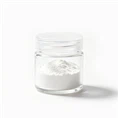
- Appearance: White to off-white crystalline powder
When sourcing ALA Phosphate for manufacturing or personal use, look for suppliers that provide third-party testing for purity, heavy metals, and contaminants to ensure product quality and safety.
Conclusion
5-Aminolevulinic Acid Phosphate represents a scientifically grounded approach to supporting mitochondrial health, metabolic function, and overall vitality. Backed by a growing body of clinical research-from glucose control and fatigue reduction to immune enhancement-this compound is carving out a unique niche in the advanced supplement landscape.
As always, consult with a healthcare provider before adding any new supplement to your regimen, especially if you have underlying health conditions or are taking medications. For those seeking to optimize cellular energy production and metabolic resilience, high-quality ALA Phosphate powder is worth serious consideration.