



Introduction
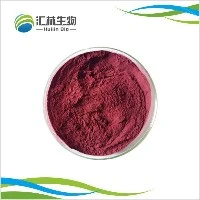
Aronia Berry Extract Powder is a natural fruit extract derived from black chokeberry, renowned for its exceptionally high levels of anthocyanins and polyphenols. This ingredient offers strong antioxidant activity, supports anti‑aging skincare formulations, and provides nutritional benefits in functional foods and beverages. Its water‑soluble nature and standardized specifications make it versatile for both cosmetic and nutraceutical applications.

Key Features & Advantages
- High antioxidant potency: Rich source of anthocyanins and proanthocyanidins for free‑radical scavenging.
- Multi‑functional: Antioxidant + anti‑inflammatory + skin conditioning in one botanical.
- Natural origin & clean label: Plant‑derived, suitable for natural/green formulations.
- Versatile formulation use: Compatible with serums, creams, masks, scalp treatments, and dietary supplements (grade-dependent).
- Standardization available: Options for standardized anthocyanin or total polyphenol content for consistent performance.
Technical Information
| Parameter | Details |
|---|---|
| Category | Natural plant extract, functional ingredient for cosmetics & nutraceuticals |
| Active Components | Anthocyanins (cyanidin‑3‑galactoside, cyanidin‑3‑arabinoside); Polyphenols (chlorogenic acid, caffeic acid); Flavonoids (quercetin, rutin); Vitamin C & minerals |
| Extraction Method | Water/ethanol extraction from dried ripe berries, followed by spray‑drying |
| Purity & Standardization | Ratio extracts: 10:1, 20:1; Anthocyanins: 10–25% standardized (UV/HPLC); Polyphenols: 20–40% standardized (spectrophotometry) |
| Physical Properties | Moisture ≤ 5%; Particle size 80–100 mesh; Deep purple‑red color intensity varies with anthocyanin content |
| pH Stability | Stable in pH 4.0–7.0 formulations; anthocyanins degrade in alkaline systems |
| Compatibility | Water‑based systems (serums, gels, beverages); Compatible with antioxidants (Vitamin C derivatives, resveratrol, green tea extract); Works with humectants (glycerin, hyaluronic acid) |
| Safety Profile | Non‑toxic, non‑irritating; GRAS for nutraceutical use; Allergen‑free, suitable for sensitive skin |
| Quality Control | Heavy metals ≤ 10 ppm; Pesticide residues compliant with EU/US standards; Microbial safety: Negative for E. coli, Salmonella, Staphylococcus aureus; HPLC/UV tested for anthocyanin & polyphenol content |
Key Benefits
- Antioxidant protection: Neutralizes free radicals and reduces oxidative stress to protect skin cells and prevent premature aging.
- Collagen support: Promotes collagen synthesis and helps maintain dermal matrix integrity for improved firmness and reduced fine lines.
- Skin brightening: Inhibits melanin-related pathways and evens skin tone to reduce hyperpigmentation and enhance radiance.
- Long‑lasting hydration: Hyaluronic acid backbone provides superior moisture retention and an immediate plumping effect.
- Enhanced stability: Chemically stabilized vitamin C derivative resists oxidation and retains activity longer than ascorbic acid.
- Improved skin delivery: Optimized molecular design increases water solubility and skin penetration for effective topical performance.
- Low irritation potential: Gentler on sensitive skin compared with pure vitamin C, suitable for leave‑on formulations.
- Formulation versatility: Compatible with aqueous and hydroalcoholic systems; easy incorporation into serums, creams, gels, and masks.
- Synergistic pairing: Works well with niacinamide, peptides, hyaluronic acid, and vitamin E for multi‑targeted skincare benefits.
- Scalp and hair protection: Antioxidant activity helps protect the scalp and hair shafts from environmental oxidative damage.
- Marketing advantages: Dual‑action claim (brightening + hydration), clean‑label botanical positioning, and high‑purity grades support premium product claims.
What is Aronia Berry Extract Used For?
1. Antioxidant serums and ampoules - Recommended 0.5–2.0%
Concentrated antioxidant formats use high‑polyphenol or anthocyanin‑standardized grades to deliver measurable free‑radical scavenging; formulate in aqueous or hydroalcoholic serums with chelators and light‑protective packaging.
2. Brightening and tone‑evening creams - Recommended 0.5–1.5%
Combine with complementary actives such as niacinamide or mild AHAs for synergistic brightening while monitoring pH to protect anthocyanins.
3. Anti‑aging emulsions and night creams - Recommended 0.5–2.0%
Use as part of an antioxidant complex to protect collagen, reduce oxidative damage, and support visible firmness and elasticity.
4. Sheet masks and rinse‑off masks - Recommended 0.2–1.0%
Masks allow higher sensory flexibility; perform staining and fabric transfer tests and consider microencapsulation or color‑masked blends if staining is a concern.
5. Scalp serums and hair care boosters - Recommended 0.5–2.0%
Topical antioxidant protection can reduce oxidative stress on the scalp and hair shafts; pair with humectants and soothing agents for scalp comfort.
6. Sunscreen adjuncts and after‑sun products - Recommended 0.5–1.5%
Serve as a secondary antioxidant to complement UV filters and mitigate post‑sun oxidative effects and inflammation.
7. Body care and hand creams - Typical 0.2–1.0%
Add as an antioxidant booster to lotions and balms; evaluate color and sensory impact for large‑area applications.
8. Oral care and mouthwash boosters - Low‑level inclusion
Low additions can support natural positioning in oral care products; test for taste impact and staining.
9. Nutraceuticals capsules, powders, and functional beverages - Single‑serve 50–500 mg
Use food‑grade, pesticide‑tested extracts standardized for total polyphenols or anthocyanins; balance flavor and color in beverages with sweeteners and stabilizers.
10. Ingredient blends and botanical boosters for private label - Flexible dosing
Supply as pre‑blended antioxidant complexes or botanical boosters to accelerate formulation development for contract manufacturers and private‑label brands.
-
Formulation and stability considerations across use cases
Protect from light, heat, and moisture; include chelators and complementary antioxidants in leave‑on products; test hydroalcoholic solubility; run accelerated and real‑time stability focusing on color retention, active assay, and microbial safety.

Frequently Asked Questions (FAQ)
Q: What is the recommended usage level for Aronia Berry Extract Powder in topical cosmetics?
A: Typical topical use ranges from 0.2–2.0% depending on format: masks and rinse‑off 0.2–1.0%, creams 0.5–1.5%, serums and leave‑on boosters 0.5–2.0%.
Q: What assays should I request on the COA?
A: Request total polyphenols, anthocyanin content (HPLC or UV), proanthocyanidins if relevant, plus loss on drying, ash, heavy metals, pesticide residues, residual solvents (if applicable) and a full microbial panel.
Q: How does extract standardization affect formulation and claims?
A: Standardized extracts (for example, anthocyanins ≥ X%) provide batch‑to‑batch consistency, enable clearer efficacy claims, and simplify dose selection for formulators.
Q: Is Aronia extract water‑soluble and suitable for aqueous systems?
A: Most commercial grades are water‑dispersible and integrate well into aqueous phases; hydroalcoholic systems can improve solubility for some polyphenols.
Q: Will Aronia extract stain formulations, skin, or fabrics?
A: High‑anthocyanin extracts impart strong color and may stain; perform color transfer and staining tests for rinse‑off and fabric‑contact products and consider microencapsulation or color‑masked blends if staining is unacceptable.
Q: What pH range is recommended for stability?
A: Aim for a mildly acidic to neutral range; target pH 3.0–6.0 for optimal anthocyanin retention and test stability in the final formulation.
Q: Are there food‑grade and cosmetic‑grade options?
A: Yes. Specify intended end use when ordering to receive the appropriate food‑grade or cosmetic‑grade material and supporting documentation.
Q: What safety and regulatory documents should suppliers provide?
A: Request COA, SDS, pesticide residue report, heavy metals report, microbial report, and organic or food‑grade certificates if applicable.
Q: Can Aronia extract be combined with common actives like niacinamide, retinoids, or vitamin C?
A: It is generally compatible with niacinamide and many botanicals; perform compatibility and stability testing with strong actives such as retinoids or highly acidic vitamin C formulations before scale‑up.
Q: What are typical nutraceutical dosing guidelines?
A: For food supplements single‑serve doses commonly range 50–500 mg depending on standardization and intended claim; follow local regulatory guidance for labeling and health claims.
Q: Will Aronia extract affect product sensory properties?
A: Expect noticeable coloration and potential mild tartness; adjust fragrance, sweeteners, or color‑masking strategies in final formulations as needed.
For inquiries, quotations, or sample requests, please contact: sales@huilinbio-tech.com
Hot Tags: aronia berry extract powder, China, suppliers, manufacturers, factory, wholesale, buy, price, bulk, pure, natural, high quality, in stock, for sale, 98 Ferulic Acid Powder, Amygdalin Powder, Genistein Powder, Pterostilbene Powder, Resveratrol Powder 98 , Vincamine Powder


