


Introduction
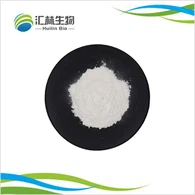
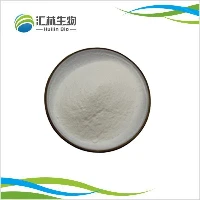
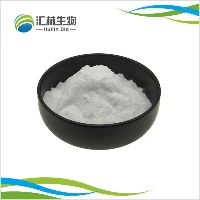
Vanillyl Alcohol is a naturally occurring phenolic compound that serves as a fundamental building block in both nature and industry. It is the reduced alcohol form of vanillin and is found in plants such as vanilla beans, cloves, and the rhizome of Gastrodia elata (a traditional herb). This compound is prized for its sweet, creamy, and balsamic vanilla-like aroma, which is often considered smoother and more persistent than vanillin itself[1][2].
Beyond its sensory properties, Vanillyl Alcohol is recognized for its versatile bioactivity. It is widely used as a flavoring agent in food, a fragrance component in cosmetics, and a valuable intermediate in organic synthesis and pharmaceutical research. Its Generally Recognized as Safe (GRAS) status for use as a food flavoring (FEMA 3737) underscores its safety profile for regulated applications[1].

Biochemical & Physical Parameters
| Parameter | Specification / Value |
|---|---|
| CAS No. | 498-00-0 |
| Molecular Formula | C₈H₁₀O₃ |
| Molecular Weight | 154.16 g/mol |
| Melting Point | 113 - 117 °C |
| Boiling Point | ~290 - 313 °C |
| Density | ~1.226 ± 0.06 g/cm³ |
| pKa (Predicted) | 9.75 ± 0.18 |
| Solubility | Soluble in hot water, ethanol, methanol, DMSO, oils; sparingly soluble in cold water (~2 mg/mL at 20°C) |
| Flash Point | > 110 °C |
| Storage Conditions | 2-8°C in a dry, airtight container, protected from light |
| Shelf Life | Stable under recommended conditions |
Mechanism of Action: A Multi-Target Bioactive Phenol
Vanillyl Alcohol's biological activities stem from its phenolic structure, enabling multiple modes of action:

Antioxidant Activity
The phenolic hydroxyl group can donate a hydrogen atom or an electron to neutralize free radicals like reactive oxygen species (ROS). This helps inhibit lipid peroxidation, protecting cellular and product components from oxidative damage.
Anti-inflammatory & Analgesic (Pain-Relieving) Activity
Research indicates Vanillyl Alcohol exhibits significant anti-inflammatory and anti-nociceptive (pain-blocking) effects. Its mechanism is believed to involve the modulation of inflammatory pathways, potentially inhibiting the production or action of pro-inflammatory mediators such as cytokines. This property is linked to the traditional use of its natural sources[3].


Anti-angiogenic Activity
Studies demonstrate that Vanillyl Alcohol can significantly inhibit angiogenesis-the formation of new blood vessels. This is a critical mechanism being explored in research areas related to conditions where uncontrolled vascular growth is a factor[3].
Antimicrobial Activity
It shows broad-spectrum activity against various bacterial and fungal strains. The mechanism likely involves disrupting microbial cell membranes and interfering with essential cellular processes, making it a subject of interest for natural preservative applications[2].

Benefits & Key Properties
| Benefit | Description & Application Implication |
|---|---|
| Pleasant & Stable Flavor/Fragrance | Provides a sweet, creamy, vanilla-like odor and taste that is more stable and less sharp than vanillin, ideal for high-end flavors and perfumes. |
| Natural Antioxidant | Acts as a free radical scavenger, enhancing the shelf-life of fat-containing products (food, cosmetics) and offering potential health benefits in research models. |
| Multi-Functional Bioactivity | Offers a combination of anti-inflammatory, analgesic, and anti-angiogenic properties, making it a valuable compound for biomedical and nutraceutical research[3]. |
| Regulatory Acceptance | Holds GRAS (FEMA 3737) status for use as a food flavoring and is approved by JECFA, facilitating its use in consumer products worldwide. |
| Versatile Synthetic Intermediate | The reactivity of its alcohol and phenol groups makes it a key precursor for synthesizing more complex molecules in pharmaceuticals and fine chemicals. |
Applications in Industry


1. Food & Beverage Industry: Primarily used as a flavoring agent (FEMA 3737). It imparts sweet, vanilla, and creamy notes to baked goods, ice cream, confectionery, puddings, and beverages. Typical use levels are up to 12.0 mg/kg in various food categories.
2. Fragrance & Cosmetics: A valuable component in perfumes, soaps, shampoos, and skincare products for its warm, balsamic vanilla scent. Its antioxidant property also contributes to product stability.
3. Pharmaceutical & Biomedical Research: Used as a pharmacologically active intermediate or reference standard. Its studied anti-inflammatory, neuroprotective, and anti-angiogenic activities drive research into new therapeutic agents[3].
4. Chemical Synthesis: Serves as a crucial building block for organic synthesis. It is used in the production of pharmaceuticals, agrochemicals, and other fine chemicals, often undergoing reactions at its hydroxyl groups.
Frequently Asked Questions (FAQ)
Q: What is the key difference between Vanillyl Alcohol and Vanillin?
A: Vanillyl Alcohol is the reduced form of vanillin (the aldehyde group -CHO is reduced to a -CH2OH alcohol group). This gives it a smoother, creamier, and less pungent aroma and alters its chemical reactivity and biological activity.
Q: Is Vanillyl Alcohol safe?
A: It is generally considered safe (GRAS) when used as a food flavoring within established limits. In concentrated powder form, it is classified as an irritant. Proper personal protective equipment (PPE) like gloves and goggles should be worn. It is for manufacturing or research use only, not for direct consumption as a supplement.
Q: How should Vanillyl Alcohol powder be stored?
A: For long-term stability, store in a cool (2-8°C), dry, and dark place in a tightly sealed container under an inert atmosphere if possible. This prevents oxidation, moisture absorption, and potential decomposition.
Q: What is its solubility?
A: It is soluble in organic solvents like ethanol, methanol, and DMSO, and has good solubility in oils. It is sparingly soluble in cold water but solubility increases in hot water.
Contact Us
Discover the pure, versatile potential of Vanillyl Alcohol for your innovative projects. Our high-purity (≥98%) powder is ideal for research, development, and manufacturing across flavors, fragrances, and life sciences.
Contact us today to:
- Request a comprehensive technical dossier and Certificate of Analysis (CoA).
- Discuss custom purity grades or bulk packaging options.
- Place an order for samples in multi-gram quantities.
E-mail: ella.zhang@huilinbio-tech.com.
Hot Tags: vanillyl alcohol powder, China, suppliers, manufacturers, factory, wholesale, buy, price, bulk, pure, natural, high quality, in stock, for sale, Natural Astaxanthin Powder, Laurocapram Azone Powder, Pure Retinol Powder, Cosmetic Raw Material, Copper Peptide Powder, 3 Ethyl Ascorbic Acid