


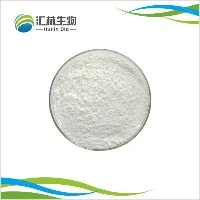
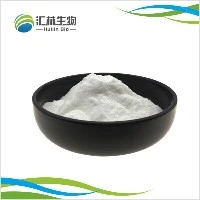
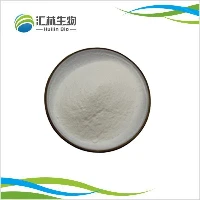

If you follow developments in nutritional science, you may have come across claims about vanadium-a trace mineral named after the Norse goddess of beauty, Vanadis-and its potential to mimic insulin. Among the various forms studied, Vanadium Picolinate (a complex of vanadium with picolinic acid) has attracted significant research interest for its ability to lower blood glucose in diabetic animals.
But the question remains: Can it help lower blood sugar in humans? And more importantly, is it safe?
This article reviews the peer-reviewed evidence on Vanadium Picolinate, explaining how it works in the body, what animal studies have shown, and where human research stands today. For formulators and brands, we also discuss the product's applications, regulatory considerations, and how to position it responsibly.
What Is Vanadium Picolinate?
Vanadium Picolinate is a coordination complex typically consisting of one oxovanadium(IV) ion (VO²⁺) and two picolinic acid molecules, often abbreviated as VO(pa)₂ [1]. Picolinic acid is a natural metabolite of the amino acid tryptophan and is the same ligand used in the popular mineral form, zinc picolinate.
Key identifiers:
| Parameter | Specification |
|---|---|
| Name | Vanadium Picolinate |
| CAS Number | 14049-90-2 |
| Molecular Formula | C₁₂H₈N₂O₅V |
| Oxidation State | Vanadium(IV) (vanadyl) |
| Appearance | Blue-green to dark green crystalline powder |
| Solubility | Soluble in organic solvents; limited water solubility |
| Stability | Relatively stable under dry, cool conditions |

How Does It Work? The Insulin Signaling Pathway
The term "insulin mimetic" is often used to describe vanadium compounds. But what does that actually mean at the molecular level?
Research published in Biochemical and Biophysical Research Communications (2006) demonstrated that oxovanadium(IV)–picolinate complexes act directly on the insulin signaling pathway in fat cells (adipocytes) [1]. Key findings include:
- Activation of insulin receptor kinase: The complexes increased phosphotyrosine levels of both the insulin receptor β subunit (IRβ) and insulin receptor substrate (IRS).
- Downstream kinase activation: They activated Akt and GSK3β, two critical enzymes in the insulin signaling cascade.
- GLUT4 translocation: This activation led to the movement of glucose transporter 4 (GLUT4) to the cell membrane, allowing glucose to enter the cell [1].
A subsequent study in Life Sciences (2006) proposed an "ensemble mechanism," suggesting that vanadyl compounds act on at least four sites relevant to glucose metabolism, including GLUT4 and phosphodiesterase [4]. This multi-target action may explain why vanadium compounds remain effective even in insulin-resistant states.
Animal Studies: Consistent Glucose Lowering
The most compelling evidence for vanadium picolinate comes from studies in diabetic animals.
Streptozotocin (STZ)-induced diabetic models (mimicking type 1 diabetes) have consistently shown that oral administration of VO(pa)₂ and its methyl-substituted derivatives (VO(3mpa)₂, VO(6mpa)₂) significantly improves hyperglycemia [1].
In one head-to-head comparison, VO(3mpa)₂ was found to be the most potent activator of the insulin signaling pathway and the most effective at lowering blood glucose in diabetic mice [1].
Structure–activity relationship studies have also revealed that:
- The coordination environment (VO(N₂O₂)) is critical for insulin-mimetic activity [1].
- Halogen or methyl substitutions on the picolinate ring can enhance activity and prolong blood retention time [3].
Human Evidence: What Do We Know?
Human studies specifically using vanadium picolinate are extremely limited. Most human trials have used vanadium salts (e.g., vanadyl sulfate) rather than the picolinate complex.
A review from the National Institutes of Health (NIH) summarizes the human data on vanadium salts [2]:
- Doses tested: 25 to 100 mg of elemental vanadium daily for up to six weeks.
- Effects: Partial normalization of glucose metabolic irregularities in some patients with type 2 diabetes.
- Pharmacologic, not nutritional: The doses used far exceed the estimated human requirement for vanadium (approximately 10 mcg/day), meaning they are pharmacologic rather than nutritional [2].
Key limitation: While vanadium salts show some efficacy, the evidence base for vanadium picolinate specifically remains preclinical. No large-scale, placebo-controlled human trials have been published for this complex.
Safety Considerations and Regulatory Status
1. Pharmacologic Doses Raise Concerns
Because the glucose-lowering doses of vanadium are hundreds to thousands of times higher than nutritional requirements, safety is a primary concern.
| Parameter | Nutritional | Pharmacologic (Therapeutic) |
|---|---|---|
| Typical Intake | ~10–30 mcg/day | 25–100 mg/day (elemental V) |
| Magnitude | Trace | Up to 10,000× nutritional dose |
| Purpose | Unknown essential function | Glucose-lowering effect |
2. Potential Adverse Effects
At pharmacologic doses, vanadium compounds have been associated with:
- Gastrointestinal distress (nausea, cramping, diarrhea)
- Fatigue and lethargy
- Potential renal effects at very high doses
- Green tongue/discoloration (harmless but cosmetically undesirable)
3. Regulatory Status
- United States: Vanadium salts are sold as dietary supplements, but no structure/function claims for diabetes treatment are permitted without FDA review.
- European Union: EFSA has not approved health claims for vanadium and blood glucose control.
- Global: Vanadium picolinate is generally available as a research chemical or ingredient in experimental supplements, but finished products must comply with local supplement regulations.
Product Applications and Responsible Positioning
For brands and formulators considering Vanadium Picolinate Powder, the following guidelines are essential:
1. Appropriate Applications
- Research and development (e.g., for animal health studies)
- Experimental supplement formulas targeted at metabolic health (with clear disclaimers)
- Combination products with other minerals (e.g., chromium, zinc) for comprehensive metabolic support
2. Claims to Avoid
- "Treats diabetes" or "cures diabetes"
- "Insulin replacement" or "natural insulin"
- Any suggestion that vanadium picolinate is a proven human therapy
3. Recommended Labeling and Marketing Language
"Vanadium Picolinate is a trace mineral complex studied in animal models for its role in glucose metabolism. This product is not intended to diagnose, treat, cure, or prevent any disease."
4. Specifications for Sourcing
When purchasing Vanadium Picolinate Powder, look for:
- Purity: ≥98% by HPLC
- Heavy metals: Compliant with USP/EP standards
- Appearance: Blue-green to dark green powder
- Solubility: Verified for intended formulation (e.g., lipid-based delivery may enhance absorption)
- Certificate of Analysis (CoA): Provided by the manufacturer
Frequently Asked Questions
Q: Is vanadium picolinate the same as vanadium?
A: No. It is vanadium chelated with picolinic acid, designed to improve stability and potentially bioavailability compared to inorganic vanadium salts.
Q: Can I take vanadium picolinate for diabetes?
A: Consult your healthcare provider. Human evidence is limited, and the doses required for glucose-lowering effects are far above nutritional levels, raising safety concerns.
Q: Is vanadium picolinate safe for long-term use?
A: Long-term safety studies in humans are lacking. Most human trials have lasted only a few weeks. High-dose vanadium should not be used without medical supervision.
Q: How does vanadium picolinate compare to chromium picolinate?
A: Both are picolinate complexes, but chromium picolinate is approved for use as a dietary supplement and has a larger body of human data. Vanadium picolinate remains primarily in the research phase.
Conclusion: Promising Preclinical, Cautious Human Translation
Vanadium Picolinate is a fascinating compound with well-documented insulin-mimetic activity in animal models [1][3]. Its ability to activate the insulin signaling pathway, promote GLUT4 translocation, and lower blood glucose in diabetic rodents is supported by rigorous mechanistic studies.
However, the translation to human use is far from straightforward. The doses required are pharmacologic, not nutritional, and human data specific to the picolinate complex are absent [2]. Until large-scale, placebo-controlled human trials confirm both efficacy and long-term safety, vanadium picolinate should be positioned as a research ingredient or experimental supplement component-not a proven therapy.
For brands seeking to innovate in the metabolic health space, vanadium picolinate offers a unique, science-backed story, but it must be told responsibly, transparently, and with appropriate regulatory disclaimers.
References
- Basuki, W., Hiromura, M., Adachi, Y., Tayama, K., Hattori, M., & Sakurai, H. (2006). Enhancement of insulin signaling pathway in adipocytes by oxovanadium(IV) complexes. Biochemical and Biophysical Research Communications, 349(3), 1163–1170.
- Lukaski, H. C. (n.d.). Lessons From Micronutrient Studies In Patients With Glucose Intolerance and Diabetes Mellitus: Chromium and Vanadium. NIH Office of Dietary Supplements.
- Smee, J. J., et al. (2009). Chloro-substituted dipicolinate vanadium complexes: synthesis, solution, solid-state, and insulin-enhancing properties. Journal of Inorganic Biochemistry, 103(4), 575–584.
- Kawabe, K., Yoshikawa, Y., Adachi, Y., & Sakurai, H. (2006). Possible mode of action for insulinomimetic activity of vanadyl(IV) compounds in adipocytes. Life Sciences, 78(24), 2860–2866.
Compliance Statement
The information provided in this article is for informational and educational purposes only and is not intended as medical advice. Vanadium Picolinate is sold as a raw material for research and manufacturing purposes only. Finished products containing vanadium picolinate must comply with all applicable laws and regulations in the country of sale, including but not limited to dietary supplement regulations, labeling requirements, and prohibited health claims. Manufacturers and brands are solely responsible for ensuring their products are safe, lawful, and appropriately marketed. Always consult with a qualified regulatory professional before bringing a vanadium-containing product to market.