



If you have ever looked into natural ways to support prostate health, improve urinary function, or address hair thinning, you have likely come across saw palmetto. Native Americans in what is now Florida used saw palmetto berries to remedy prostate gland swelling, erectile dysfunction, and testicular issues. Today, this small palm tree (Serenoa repens) has become one of the most popular herbal supplements in the world - and saw palmetto fruit powder is one of the most versatile forms available.
But what exactly is saw palmetto fruit powder? How does it work? And what does the science say about its benefits for prostate health, hair growth, and beyond?
This comprehensive guide covers everything you need to know about saw palmetto fruit powder: what it is, how it works, the science‑backed benefits, recommended dosage, potential side effects, and how to choose the right supplement for your needs.

What Is Saw Palmetto Fruit Powder?
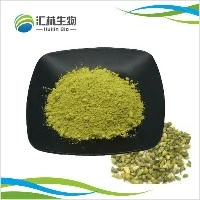
Saw palmetto fruit powder is made from the dried, ground berries of the saw palmetto palm (Serenoa repens), a small palm tree native to the southeastern United States. The berries are harvested, dried, and milled into a fine brown powder with a mildly sweet, earthy flavor. It can be used to make tinctures, capsules, teas, or added to smoothies and food products.
Saw Palmetto Berry vs. Extract: What's the Difference?
It's helpful to distinguish between the two main forms:
- Saw palmetto fruit powder is the whole dried berry ground into a powder. It contains the full spectrum of naturally occurring compounds found in the berry, including fatty acids, phytosterols, and flavonoids.
- Saw palmetto extract is a concentrated form where the active liposterolic compounds (fatty acids and sterols) have been extracted and standardized - typically to 70–95% fatty acids and sterols.
While extracts are more concentrated, whole fruit powder offers the benefit of the berry's complete nutritional profile, including fiber and other cofactors that may work synergistically. Some prefer whole powder for its versatility in culinary applications, such as smoothies, energy bars, and baked goods.
How Does Saw Palmetto Work?
Saw palmetto's primary mechanism of action involves the inhibition of the enzyme 5‑alpha‑reductase, which converts testosterone into dihydrotestosterone (DHT).
DHT is a more potent androgen that plays a key role in two common conditions:
Benign prostatic hyperplasia (BPH): DHT stimulates prostate cell growth. By reducing DHT levels, saw palmetto may help slow or reduce prostate enlargement.
Androgenetic alopecia (pattern hair loss): DHT binds to hair follicle receptors, causing follicles to shrink and produce thinner, shorter hairs. Inhibiting 5‑alpha‑reductase may help preserve hair follicles.
Saw palmetto also exhibits anti‑inflammatory and antiandrogenic effects in preclinical studies, which may contribute to its benefits for urinary symptoms and prostate health.
Health Benefits of Saw Palmetto Fruit Powder
1. Supports Prostate Health and Urinary Function
The most well‑researched benefit of saw palmetto is for benign prostatic hyperplasia (BPH) - a noncancerous enlargement of the prostate gland that affects many men as they age. Saw palmetto is the most commonly consumed supplement by men with BPH.
Helps relieve symptoms of BPH, including frequent urination, nighttime urination, and weak urine flow
Over 2 million men in the United States use saw palmetto for this purpose
European physicians commonly recommend it as an alternative to pharmaceutical drugs
A pilot trial showed improvement in BPH symptoms and sexual function with a saw palmetto preparation
2. May Support Hair Health
Saw palmetto has been linked to overall improvement in hair quality, total hair count, and thickness of hair. It may help with androgenetic alopecia (male pattern baldness) by inhibiting DHT production.
May increase hair growth in men with androgenic alopecia
Supports hair strength and vitality
Some researchers have found it may help improve hair density
3. Anti‑Inflammatory Properties
Saw palmetto has demonstrated anti‑inflammatory effects in preclinical studies. Research has shown that saw palmetto extract can attenuate alterations in urodynamic parameters, pharmacologically relevant receptors, and urinary cytokines.
May help reduce inflammation associated with prostate and urinary conditions
Supports overall urinary tract health
4. Additional Traditional Uses
While more research is needed, saw palmetto has also been traditionally used for:
Chronic pelvic pain
Migraine headaches
As a tonic and diuretic

How to Use Saw Palmetto Fruit Powder
Saw palmetto fruit powder is versatile and can be used in several ways:
- Capsules: Encapsulate 1/4 teaspoon of powder per capsule
- Smoothies and drinks: Mix into water, juice, or smoothies
- Tinctures: Can be made into a water extract or tincture
- Foods: Blend into energy bars, baked goods, or herbal teas

Recommended Dosage
The optimal saw palmetto dosage depends on the form you are using:
| Form | Recommended Dosage |
|---|---|
| Dried fruit powder | 1 g to 4 g per day |
| Standardized extract (70–95% fatty acids) | 160 mg twice daily or 320 mg once daily |
| Whole berry powder | 1/4 to 1 teaspoon, 1–2 times per day |
General guidelines:
- Start low: Begin with a lower dose to assess your tolerance.
- With food: Take with a meal to enhance absorption and reduce potential stomach discomfort.
- Consistency is key: Benefits typically develop over several weeks of consistent use.
- Do not exceed recommended dosage.
Saw Palmetto Side Effects and Safety
Is Saw Palmetto Safe?
Yes. Saw palmetto berries and extracts are generally considered safe, with few side effects.
Common Side Effects
- In rare cases, mild side effects may include:
- Mild headaches
- Stomach problems
Important Safety Considerations
Pregnancy and breastfeeding: Women who are pregnant or breastfeeding should talk to their healthcare providers before taking any herbs containing saw palmetto.
Drug interactions: While there are no known major food or medicine interactions, a real‑world study using the FAERS database found that:
- Age ≥75 and aspirin use increased the odds of hemorrhage and fatality (ORs 2.28–7.26)
- Hepatobiliary and blood adverse events showed significant disproportionality
- Frequent adverse events included pruritus, cholestasis, confusion, and eosinophilia
If you are over 75 or taking aspirin, consult your healthcare provider before using saw palmetto.
How to Choose a Quality Saw Palmetto Supplement
With many saw palmetto products on the market, here is what to look for:
1. Form: Powder vs. Extract
Fruit powder: Offers the full spectrum of compounds found in the whole berry. Ideal for culinary use and those who prefer whole‑food supplements.
Extract: More concentrated and standardized. Look for products standardized to 70–95% fatty acids and sterols.
2. Quality Indicators
Organic certification: Organic saw palmetto berry powder ensures the product is free from pesticides and synthetic additives.
Non‑GMO and gluten‑free: Many high‑quality products are certified non‑GMO and gluten‑free.
Sourcing: Sustainably US‑grown products are available.
3. Purity
Look for products that contain 100% pure saw palmetto fruit powder without fillers or additives.
Check for third‑party testing for purity and potency.
Frequently Asked Questions
Q: What Is Saw Palmetto Fruit Powder Used For?
A: Saw palmetto fruit powder is used to support prostate health, improve urinary function, and address hair thinning. It's also traditionally used for chronic pelvic pain and migraines.
Q: How Much Saw Palmetto Powder Should I Take Daily?
A: For whole fruit powder, 1–4 grams per day. For standardized extract, 160–320 mg per day of a product standardized to 70–95% fatty acids.
Q: Are There Any Saw Palmetto Side Effects?
A: Side effects are rare and mild, including occasional headaches and stomach upset. Saw palmetto is generally considered safe.
Q: Can Women Take Saw Palmetto?
A: Yes. Saw palmetto can support healthy urination frequency for women and has been used by some women for acne. However, pregnant or breastfeeding women should consult their healthcare provider first.
Q: Does Saw Palmetto Really Work For Hair Loss?
A: Some studies suggest saw palmetto may increase hair growth in men with androgenetic alopecia. However, more research is needed.
Q: Is Saw Palmetto Fruit Powder Better Than Extract?
A: It depends on your needs. Whole powder offers the full spectrum of berry compounds and is more versatile for culinary use. Extract is more concentrated and standardized for consistent dosing.
Q: Can Saw Palmetto Prevent Prostate Cancer?
A: Saw palmetto has not been shown to prevent or treat prostate cancer. It is used to manage symptoms of BPH, not cancer.
Q: How Long Does It Take For Saw Palmetto To Work?
A: Benefits typically develop over several weeks of consistent use. Most studies evaluate effects after 4–12 weeks.
Q: Is Saw Palmetto FDA Approved?
A: No. Saw palmetto is sold as a dietary supplement, not an FDA‑approved drug.
Q: Can I Take Saw Palmetto With Other Medications?
A: While no major interactions are known, consult your healthcare provider if you are taking any medications - especially if you are over 75 or taking aspirin.
The Bottom Line
Saw palmetto fruit powder is a time‑honored herbal supplement with genuine benefits for prostate health, urinary function, and hair health. Its primary mechanism - inhibiting the enzyme that converts testosterone to DHT - addresses the root cause of two common age‑related concerns: prostate enlargement and pattern hair loss.
While the evidence is strongest for BPH symptom relief, saw palmetto's anti‑inflammatory properties and traditional uses suggest broader applications. It is generally safe and well‑tolerated, making it an accessible option for those seeking natural support.
For formulators, product developers, and health‑conscious consumers, high‑quality saw palmetto fruit powder - ideally organic, sustainably sourced, and third‑party tested - offers a versatile, whole‑food ingredient for supplements, functional foods, and wellness products.
References
[1] "Saw Palmetto - Special Subjects." MSD Manual Consumer Version, 2025. https://www.msdmanuals.com/home/special-subjects/dietary-supplements-and-vitamins/saw-palmetto
[2] "Saw Palmetto." Memorial Sloan Kettering Cancer Center, 2023. https://www.mskcc.org/cancer-care/integrative-medicine/herbs/saw-palmetto
[3] "Why Saw Palmetto Benefits Are Overstated" Cleveland Clinic, 2024. https://health.clevelandclinic.org/saw-palmetto-benefits
[4] "Post-marketing safety profile and potential aspirin interaction of Serenoa repens extract." ScienceDirect, 2026. https://czeek.com/ronbun/post-marketing-safety-profile-and-potential-aspirin-interaction-of-serenoa-repens-extract-a-real-world-study-using-faers-and-network-toxicology/
Disclaimer: This article is purely for nutritional science‑popularization purpose. It is not medical diagnosis or medical treatment advice. If you have physical discomfort or disease, please consult qualified medical personnel.