


The quest for the most effective yet tolerable anti-aging ingredient has long been dominated by retinol. But for formulators and brands seeking a next-generation solution, a new contender has emerged: Hydroxypinacolone Retinoate, often abbreviated as HPR. The question on everyone's mind is: can this innovative ingredient truly match or even surpass the gold standard?
The answer lies in understanding a key distinction: while classic retinol is a precursor that must be converted by the skin into active retinoic acid, HPR is a direct-acting ester of retinoic acid itself. This fundamental difference in chemistry unlocks a profile of high efficacy coupled with superior stability and reduced irritation, making Hydroxypinacolone Retinoate (HPR) Powder a game-changing raw material for modern cosmetic formulations [3].
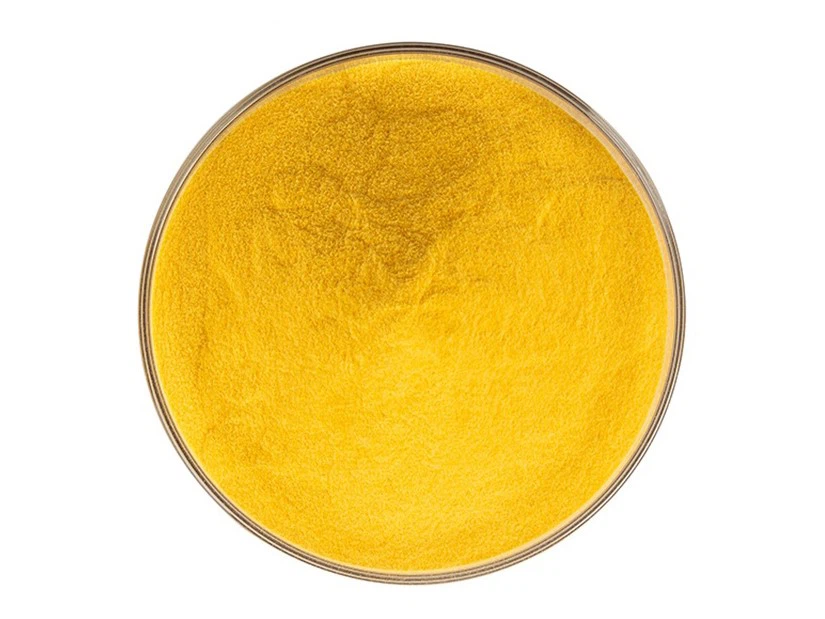
The Molecular Showdown: HPR vs. Classic Retinol
To appreciate why HPR is generating excitement, it's essential to compare its properties directly with traditional retinol. The table below highlights the core differences that impact both product performance and user experience.
| Feature | Retinol | Hydroxypinacolone Retinoate (HPR) |
|---|---|---|
| Chemical Form | Vitamin A alcohol (Retinol) | A pure, stable ester of all-trans-retinoic acid [3]. |
| Mode of Action | Must undergo a two-step conversion in the skin (to retinaldehyde, then to retinoic acid) to become active [2]. | Designed to bind directly to retinoic acid receptors (RARs), acting as a "ProTretinoin" [3]. |
| Primary Advantage | Well-established, proven long-term efficacy for anti-aging. | Direct activity + superior stability + minimal irritation [3]. |
| Stability | Highly sensitive to light, air, and heat; degrades easily. | Inherently more stable chemical structure; less prone to degradation [3]. |
| Irritation Potential | Moderate to high; can cause dryness, redness, and peeling. | Significantly lower; formulated to be non-irritating and suitable for more skin types [3][4]. |
| Key Formulation Benefit | Wide consumer recognition. | Enables potent, gentle, and stable serums, creams, and lotions without complex packaging [3]. |
Why HPR Powder is a Formulator's Advantage
1. Direct Receptor Activity for Potent Results
Retinol's efficacy is limited by the skin's conversion efficiency. HPR's clever design bypasses this bottleneck. As a retinoic acid ester, its molecular structure allows it to interact with the skin's retinoic acid receptors more directly [3]. This means a greater percentage of the applied ingredient is poised to deliver the desired biological signal for collagen production, cellular renewal, and hyperpigmentation correction from the moment it is delivered.
2. Clinically Validated Efficacy
The potency of HPR is not just theoretical. A landmark 2024 study published in the Journal of Cosmetic Dermatology provides compelling evidence. The 16-week clinical trial compared a topical serum containing 0.1% HPR and peptides against a single session of fractional CO₂ laser treatment-a gold standard for facial rejuvenation [1]. The results were striking: after 16 weeks, the HPR serum achieved statistically superior improvement in key parameters like marionette lines, global fine lines and wrinkles, texture, and hyperpigmentation compared to the single laser treatment [1]. In other parameters, it achieved parity [1]. This demonstrates that consistent topical use of HPR can deliver results rivaling even advanced cosmetic procedures.
Beyond standalone efficacy, research also highlights HPR's potential in synergistic formulations. A 2023 study found that combining HPR with another retinoid derivative (retinyl propionate) at an optimal ratio resulted in significant anti-aging benefits, including improvement in skin wrinkles and elasticity, while showing minimal adverse reactions compared to traditional retinol at the same concentration [6]. This underscores HPR's value as a core ingredient in creating potent yet well-tolerated advanced skincare solutions.
3. Inherent Stability for Simplified Formulas
One of retinol's biggest challenges is its notorious instability. Formulators must invest in advanced encapsulation technologies and protective packaging to maintain their potency. HPR, by contrast, possesses a chemically stable ester bond (the hydroxypinacolone moiety) that makes it inherently less susceptible to degradation by light and oxygen [3]. This translates to:
- Longer shelf life for finished products.
- Greater formulation flexibility without the absolute need for costly encapsulation.
- Reliable potency from the first to the last use, ensuring consistent customer results.
4. Excellent Tolerance for Broader Appeal
Irritation is the primary reason consumers abandon retinol products. HPR was specifically engineered to address this. Its direct-action mechanism means it does not need to accumulate in the skin in a precursor form, which is partly what causes retinol's characteristic irritation. Safety assessments and clinical tests report HPR to be non-irritating, non-sensitizing, and well-tolerated, even by individuals with sensitive skin[3][4]. This opens up the "retinoid" benefits to a much wider consumer demographic, allowing brands to create powerful yet gentle products that support long-term adherence.
Market-Ready Applications for HPR Powder
The versatile profile of HPR Powder makes it suitable for a wide range of cutting-edge cosmetic applications:
- High-Performance Anti-Aging Serums: As the core active in daily serums targeting wrinkles, firmness, and radiance.
- Gentle Retinoid Creams & Lotions: For both face and body, offering anti-aging and textural benefits without compromise.
- Acne & Clarifying Treatments: Its comedolytic and skin-normalizing properties, combined with low irritation, allow it to be effectively paired with other actives like salicylic acid [3].
- Eye Creams: The delicate eye area can benefit from HPR's potency and mildness to address fine lines and pigmentation.
Conclusion: The Next Generation is Here
So, is Hydroxypinacolone Retinoate as effective as retinol? The evidence suggests it can be, with distinct and formidable advantages. It delivers clinically-proven, laser-rivaling results by engaging directly with the skin's retinoid receptors [1][3]. Critically, it achieves this while offering the formulator a more stable, milder, and consumer-friendly ingredient.
For brands aiming to lead in the competitive anti-aging market, Hydroxypinacolone Retinoate (HPR) Powder is not just an alternative-it represents an evolution. It provides the tool to formulate products that are simultaneously potent, elegant, and tolerable, meeting the modern consumer's demand for high-efficacy skincare that feels as good as it works.
References
- Efficacy of Topical Hydroxypinacolone Retinoate‐Peptide Product Versus Fractional CO2 Laser in Facial Aging. (2024). Journal of Cosmetic Dermatology.
- Mambwe, B., et al. (2024). Cosmetic retinoid use in photoaged skin: A review of the compounds, their use and mechanisms of action. International Journal of Cosmetic Science.
- INCi Guide. Hydroxypinacolone Retinoate.
- Table 8.: Safety and Tolerance Profile Data. (2024).
- Anti-aging effects of a Hydroxypinacolone retinoate serum with a comparison to one treatment of a microablative laser. (2023). World Congress of Dermatology Abstract.
- The synergistic effect of retinyl propionate and hydroxypinacolone retinoate on skin aging. (2023). Journal of Cosmetic Dermatology, *22*(7), 2040–2049.