


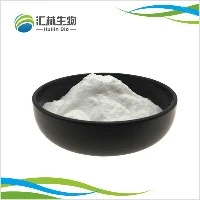


Let's cut through the confusion right away: if you've ever hung around natural skincare or herbal extract circles, you've definitely heard of paeonol. As someone who's been supplying pure paeonol powder for years, I get so many questions-most of which boil down to one big one: Is paeonol an essential oil?
If you've ever pulled an all-nighter researching cosmetic actives, I know this question has probably stumped you too. Let's break it down like we're chatting over coffee, no stuffy jargon allowed.
First, let's start with what essential oils actually are, at their core. Essential oils (EOs) are volatile, aromatic, liquid compounds you get from steaming or pressing plant matter-think peppermint oil from leaves, lavender from blooms, or tea tree from leaves. They're packed with tiny, lightweight molecules that evaporate super easily when you leave the bottle open, and they're usually the smelly star of a plant's natural defense system.
Now, what's paeonol? It's a small organic compound, right from the root of peony plants (Paeonia suffruticosa is the main one we use for cosmetic and pharma grades). Here's the big difference: raw paeonol isn't a volatile aromatic oil. When we harvest peony roots, we don't steam or press them to get a fragrant liquid. Instead, we use solvent extraction or crystallization to isolate pure paeonol-usually as a fine, powdery solid at room temp, not a runny, smelly oil. But wait, I've seen some sketchy suppliers slap "paeonol essential oil" on their bottles, and that's where the mix-up starts. They might be referring to a peony root essential oil that contains paeonol as one of its many components, but that's not the same thing as pure paeonol.
Let's get a little deeper into the science (no textbook stuff, promise). Essential oils are complex blends-like, lavender oil has 100+ different compounds, including linalool and linalyl acetate. Paeonol is a single, distinct chemical compound (its IUPAC name is 2-hydroxy-4-methoxyacetophenone, if you care). That's the key: EOs are mixtures, pure paeonol is a single isolate. The only time you'll find paeonol in liquid, oil form is if it's diluted in a carrier oil or mixed into an essential oil blend-and that's not the core compound itself.
Now, let's talk about why this mix-up matters, especially for people in the cosmetic industry (since that's 90% of our clients). If you're formulating a skincare product, using pure paeonol vs. peony EO will give totally different results. Pure paeonol is prized for its anti-inflammatory, antioxidant, and skin-brightening benefits-studies show it can help calm redness from acne or rosacea, and even inhibit melanin production for that even skin tone we all chase. Peony EO has some similar benefits, but it's loaded with other compounds that might irritate sensitive skin, plus it's got that strong floral scent that not everyone likes. Pure paeonol is odorless or has a faint, non-distinct smell, which is way easier to work with for unscented or lightly fragranced formulas.
I've seen formulators get burned by buying "paeonol oil" that was actually a low-purity blend with only a tiny bit of real paeonol and a bunch of filler oil. That's why as a supplier, I always tell clients to check for pure paeonol powder, not mislabeled EOs. The good news is, once you know the difference, it's easy to spot the fakes: real paeonol is a white to off-white powder, dissolves in alcohol or oils (but isn't an oil itself), and has a defined purity level (we supply 98%+ pure paeonol, which is the standard for cosmetic use).
Let's also touch on how paeonol stacks up against other cosmetic actives you might be using. If you're into skin brightening, you've probably heard of things like Metallothionein Powder, a powerful antioxidant that fights free radicals, or Pure Octocrylene, a common UV filter that's stable enough for daily use. Paeonol works alongside these really well-its anti-inflammatory properties can soothe the mild irritation some UV filters or brightening actives cause, making it a great addition to a brightening serum. We also work with clients who pair it with Acetyl Hexapeptide-38 Powder for anti-aging formulas, since paeonol's ability to calm redness complements the peptide's fine-line-reducing benefits.
For folks into natural actives, paeonol is a solid pick that fits right in with botanicals like Dandelion Root Extract Powder (which has similar anti-inflammatory perks) or Adenosine Powder, another naturally derived anti-aging active. The thing that makes paeonol unique is that it's a botanical isolate, so it's more potent than a full extract, but still comes from a natural source-no weird synthetic additives, which is a huge win for clean beauty brands.


Wait, let's address a common counterpoint I hear: some people say "well, paeonol is found in essential oils, so why isn't it one?" That's like saying "a single apple is a fruit bowl" just because you found an apple in a fruit salad. Essential oils are the entire fruit salad-paeonol is just one ingredient. So if you're looking for a specific benefit that paeonol alone provides, don't waste money on a peony essential oil that only has a tiny amount of it, plus a bunch of other compounds you might not want.
Another thing: the way they're processed is totally different. Essential oil production is all about preserving the plant's aromatic profile, so you use gentle steam distillation. Paeonol extraction uses things like ethanol or supercritical CO2 to pull the specific compound out of the root, then purify it into a powder. That process removes all the other plant matter and volatile oils, leaving you with pure, targeted paeonol. If you're a formulator needing consistent results (and let's be real, who doesn't?), a standardized powder is way more reliable than an EO that can vary in paeonol content depending on the harvest season or growing conditions.
Let's talk about real-world uses to tie this all together. A few years back, I worked with a small indie skincare brand that was making a post-acne calming serum. They originally used peony EO, but their customers were complaining about breakouts on sensitive skin-turns out, the EO had other fatty acids that were clogging pores. They switched to our pure paeonol powder, and within two months, their reviews went from 3.5 stars to 4.8. Customers loved that the serum was unscented, didn't irritate their skin, and actually calmed redness way faster than the EO version. That's the kind of result that comes from knowing exactly what you're working with-and that means skipping the mislabeled "paeonol essential oil" and going for pure paeonol isolate.
I get that the line between plant compounds, extracts, and oils can be blurry, especially when suppliers use vague terms to make their products sound more exciting. But when it comes to your formulations (or your personal skincare choices), clarity is everything. If you're buying something labeled "paeonol essential oil," double-check-chances are it's either a peony EO with paeonol as a minor component, or a low-quality paeonol mixed into a carrier oil.
As a supplier, my whole job is to cut through that confusion. I only deal in pure, tested cosmetic raw materials, including high-grade paeonol powder, because I've seen first-hand how much difference the right active can make. Whether you're a small brand just starting out or a big company looking to refine your line, I'm here to help you figure out what you actually need-no sales fluff, no jargon, just straight answers.
If you're curious about trying pure paeonol for your next formulation, or have more questions about how it works with other actives like the ones I mentioned earlier (like Metallothionein Powder, Pure Octocrylene, Acetyl Hexapeptide-38 Powder, Adenosine Powder, or Dandelion Root Extract Powder), feel free to reach out. We can talk about purity specs, formulation tips, or whatever else you need to make your project a success.
Don't let mislabeled products derail your work-let's get this right, together.
References
- Zhang, Y., et al. (2019). "Paeonol: A review of its pharmacological activities and molecular mechanisms." Journal of Ethnopharmacology, 239, 111967.
- Kim, S., et al. (2021). "Application of paeonol in cosmetic formulations: Anti-inflammatory and skin-brightening effects." International Journal of Cosmetic Science, 43(3), 287-295.
- Lopes, G., et al. (2017). "Essential oils vs. plant isolates: Key differences in formulation and efficacy for skin care." Journal of Cosmetic Dermatology, 16(4), 524-530.
- Wang, L., et al. (2020). "Extraction and purification of paeonol from Paeonia suffruticosa root: Optimization and quality assessment." Industrial Crops and Products, 145, 111982.